Konstantin Chaykin, a self-described watchmaker, inventor, and artist, has carved a unique niche in the world of horology. His journey, marked by a relentless pursuit of originality and a dash of playful artistry, began with intricate clocks and has evolved to encompass the sophisticated challenge of ultra-thin watchmaking. In a recent conversation, Chaykin shared insights into his formative years, the evolution of his design philosophy, the rich tapestry of Russian horological history, and the philosophy that drives his award-winning, technically profound timepieces.
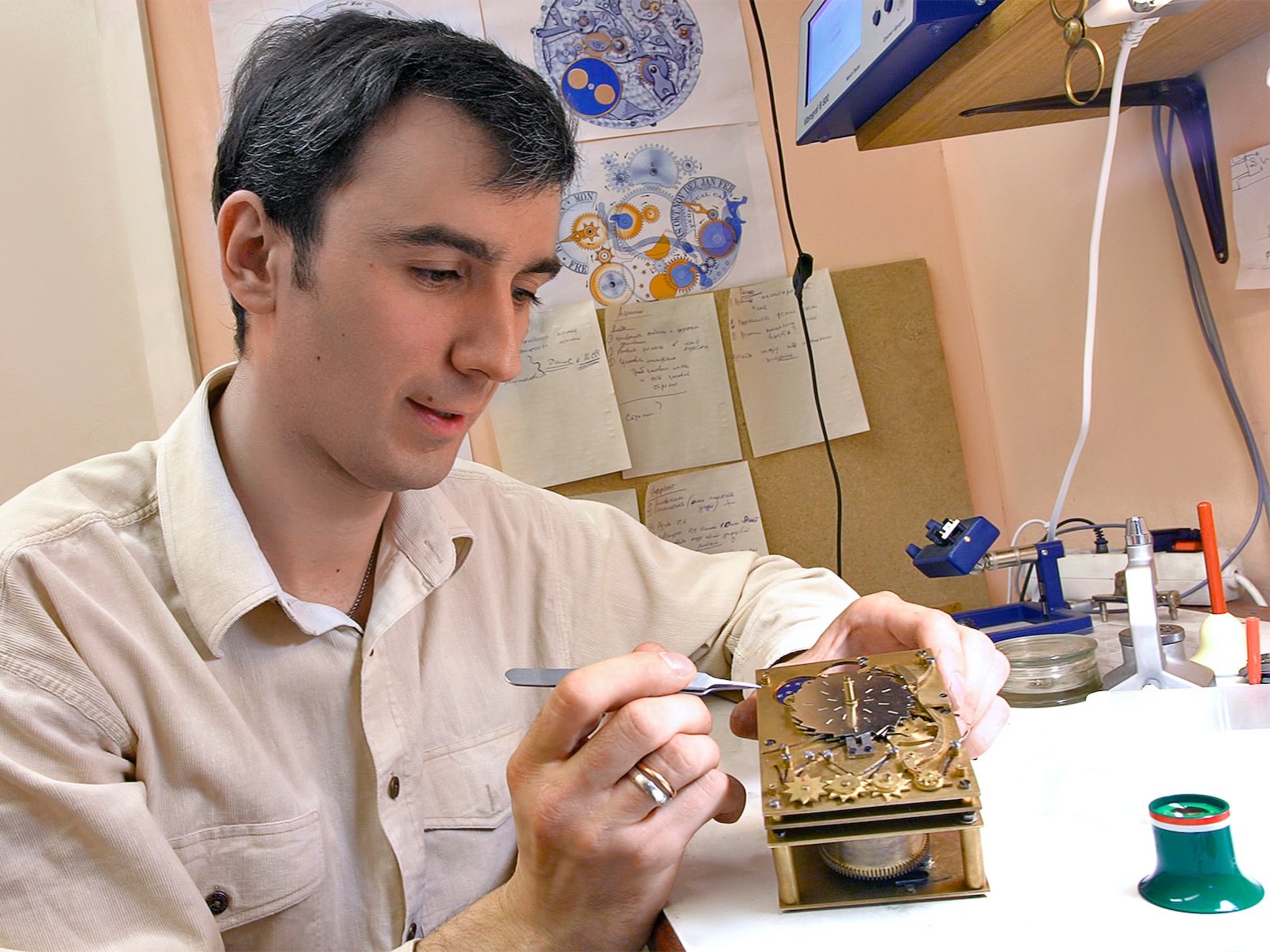
Chaykin’s career trajectory is a testament to a mind that thrives on complexity and innovation. While many collectors were introduced to his work through the iconic "Joker" timepiece, his foundations were laid much earlier, building mechanical marvels that pushed the boundaries of what was considered possible. When asked about a single project that encapsulates his watchmaking philosophy, Chaykin demurred, emphasizing that his magnum opus remains a work in progress. "There is no single object that encapsulates my entire work from Alpha to Omega," he stated. "I believe that none of my projects can yet be called the pinnacle of my career; my magnum opus has not yet been created."
From Humble Beginnings to Horological Milestones
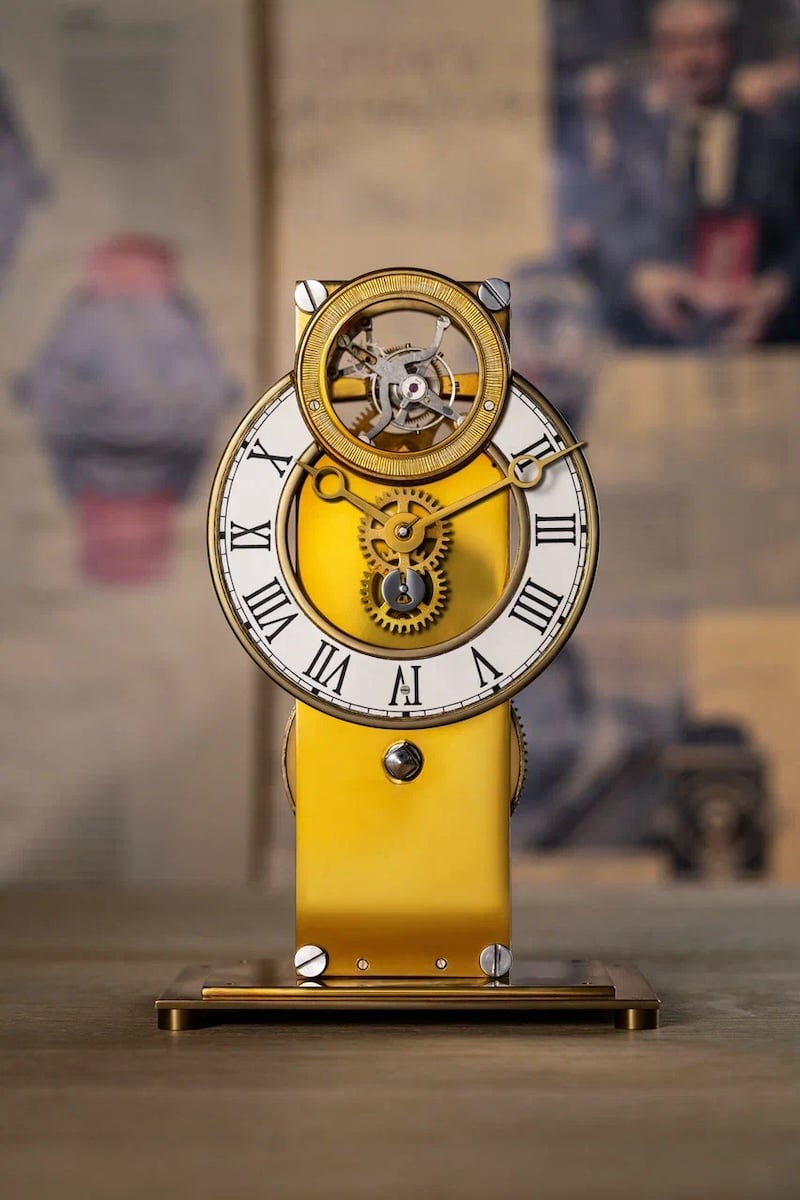
Chaykin’s early years as a watchmaker were characterized by a determined self-teaching approach, often in the face of limited resources. His initial foray into complex timekeeping was the creation of his very first table clock with a tourbillon in 2003. This project, undertaken with "complete lack of experience and serious equipment," was a deliberate test of his capabilities and a catalyst for mastering entirely new horological disciplines. "The goal back then was simply to see if I could actually pull it off," Chaykin recalled. This ambitious undertaking marked a significant pivot, forcing him to acquire new skills and push the envelope of his craftsmanship.
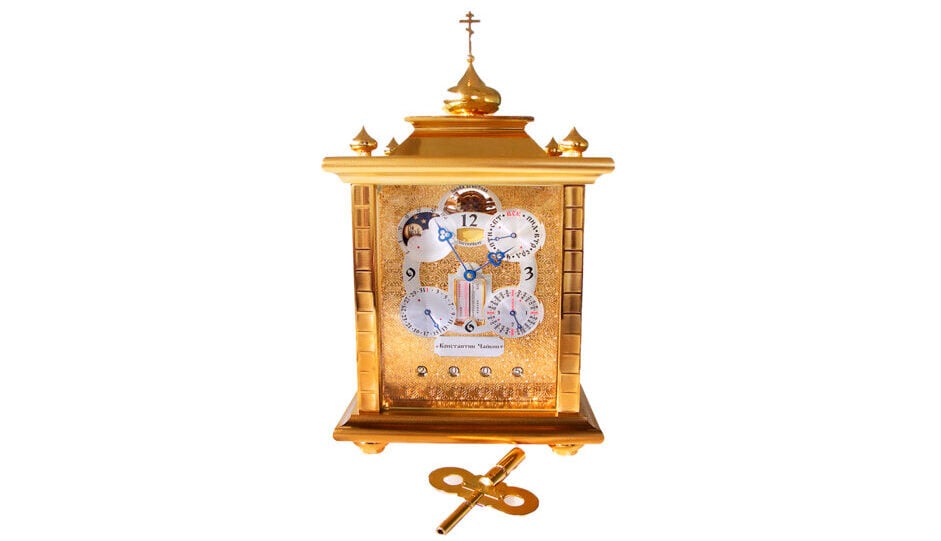
Following this foundational success, Chaykin’s inventive spirit took flight. In 2005, he unveiled his first major invention: an Easter-themed clock featuring an Orthodox Easter date indicator. This innovation demonstrated his ability to integrate complex calendrical functions with culturally significant themes, hinting at the playful yet deeply technical nature of his future creations. The culmination of this period of high-complication development arrived in 2016 with the "Moscow Computus" clock. This monumental piece, boasting over 2,500 components and an astonishing 27 complications, represented a zenith in his early career, showcasing an unparalleled mastery of intricate mechanical engineering. This clock, a testament to Chaykin’s dedication to pushing horological frontiers, is a complex device capable of calculating Easter dates for centuries, a feat requiring profound astronomical and mathematical understanding.

Chaykin’s philosophy of continuous evolution is evident in his approach to his own body of work. He rejects the notion of being defined by a single style or creation. "It is a pity when an artist is recognized and remembered solely for one specific style, even after having accomplished something else," he remarked. This sentiment fuels his drive to explore new horizons. He contrasts the development of his recognizable "Wristmons" collection with the imperative to express his creativity in diverse ways. "When you get bored in one area, I move on to develop something else and look for new horizons. I suppose that is the true essence of it."

The Pursuit of Originality: A Defining Principle
Chaykin’s commitment to originality is not merely a stylistic preference but a core tenet of his horological philosophy. While many watchmakers draw inspiration from established mechanisms, Chaykin’s drive has always been to forge entirely new paths. This pursuit began even before his more whimsical creations gained international acclaim. His early work on complex complications, such as the fusée and chain with a perpetual calendar initiated in 2004, laid the groundwork for his inventive mindset.
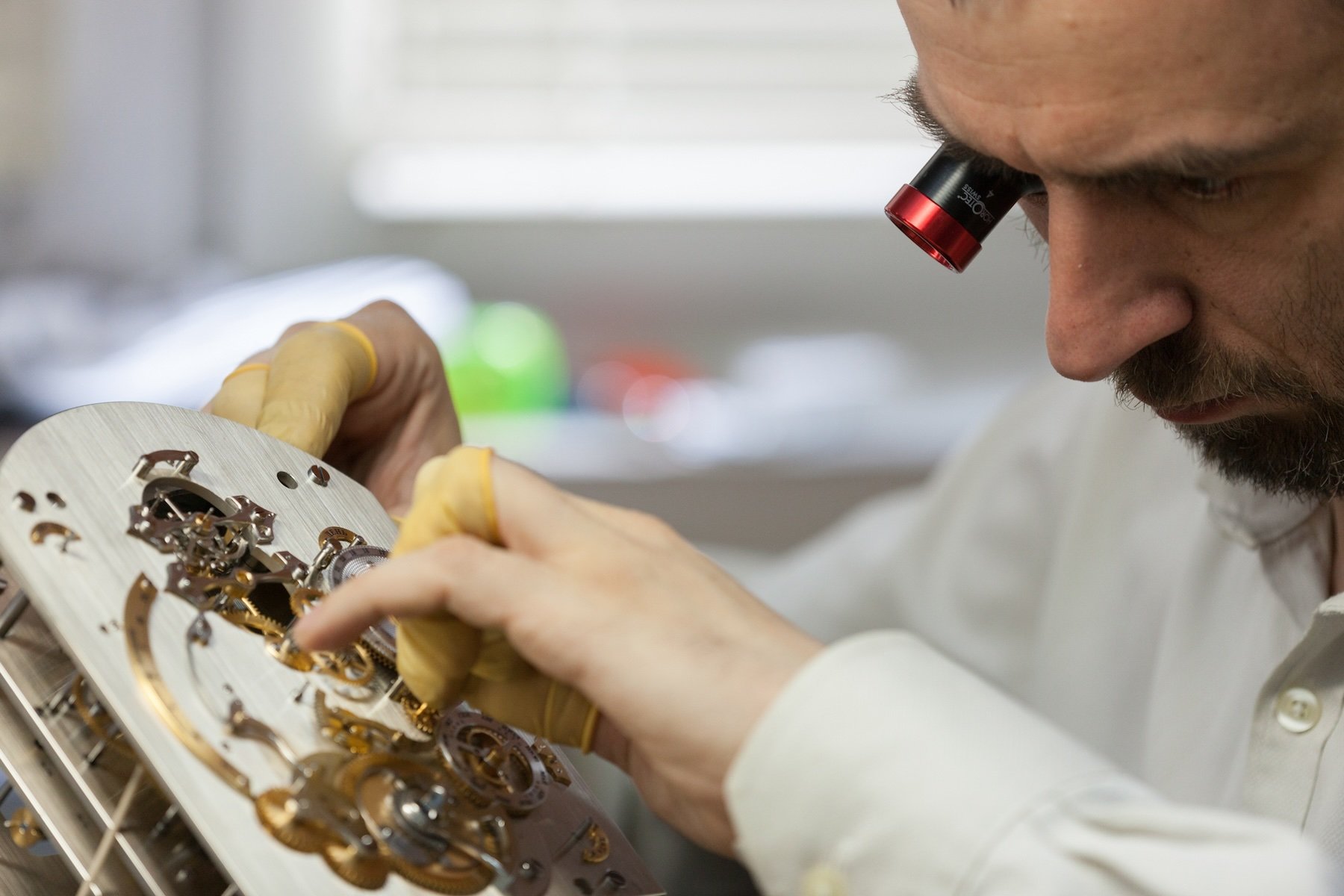
The pivotal moment, as Chaykin identifies it, was the realization in 2005 that he possessed the capacity to design truly novel mechanisms. This insight solidified his decision to dedicate his efforts exclusively to discovering new ideas, technical solutions, and unique complications. "Deciding to create something entirely new, something no one has ever done before, is far more exciting, even if it is much harder," he explained. This unwavering focus has led to him accumulating over 110 patents for his inventions in watch mechanics, a remarkable achievement that underscores his prolific innovative output.
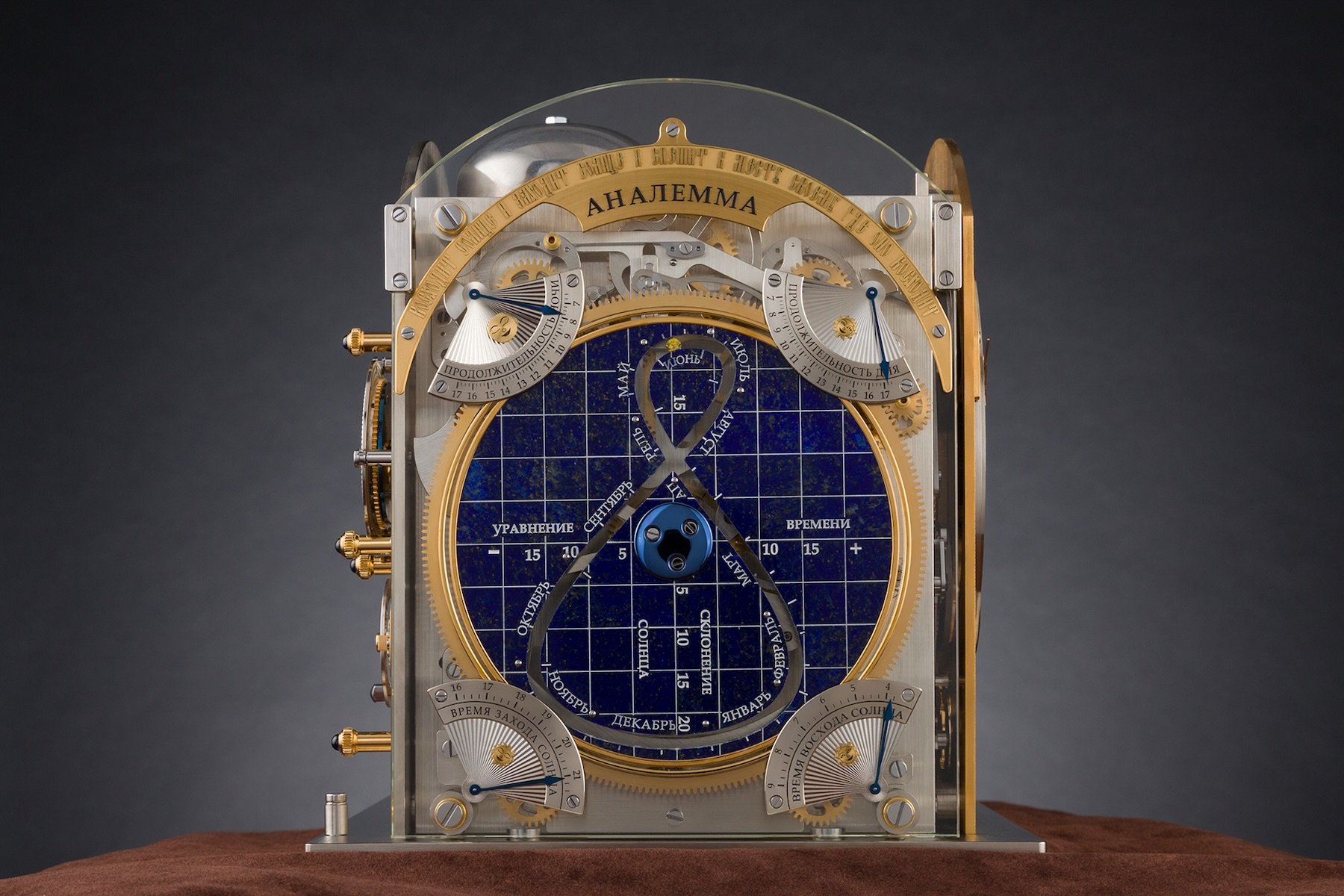
This dedication to original mechanisms is deeply intertwined with the history of Russian horology. While Russia’s presence in contemporary high watchmaking might seem modest compared to established Swiss or German traditions, its horological past is rich and significant. Clocks first appeared in Russia as early as 1404, and while the volume of unique masterpieces may not have matched Western counterparts, historical records indicate numerous Russian craftsmen who created astonishing timepieces. The Soviet era, particularly the 1970s and 1980s, marked a period of significant industrial output, with the USSR ranking second globally in total watch production, trailing only Switzerland. The subsequent decline in the 1990s, however, led to the closure of many factories.
Russian Horology: A Resurgence and a Legacy
Despite the historical fluctuations, the early 2000s have witnessed a slow but steady recovery in the Russian watchmaking industry. Chaykin himself has become a foundational figure in this resurgence, inspiring a new generation of watchmakers. Anton Sukhanov, a name now gaining recognition, is described by Chaykin as his "student," exemplifying the transmission of knowledge and passion. The emergence of numerous microbrands further signifies a vibrant and expanding horological landscape in Russia. Chaykin dismisses any notion of feeling isolated, asserting that his geographical location has not been a limitation. His upbringing in St. Petersburg, he believes, fostered an early connection with art and beauty, nurturing his creative development.
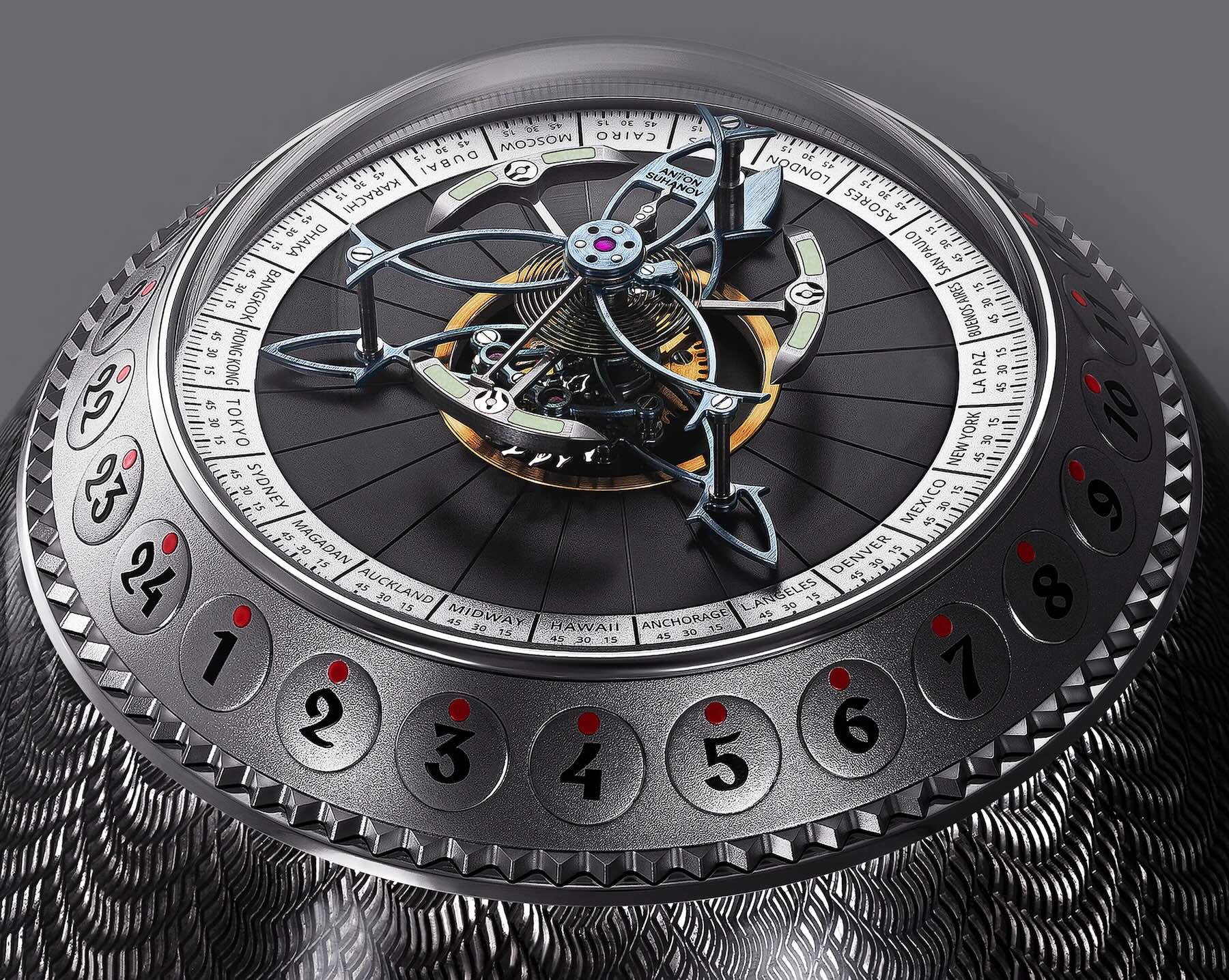
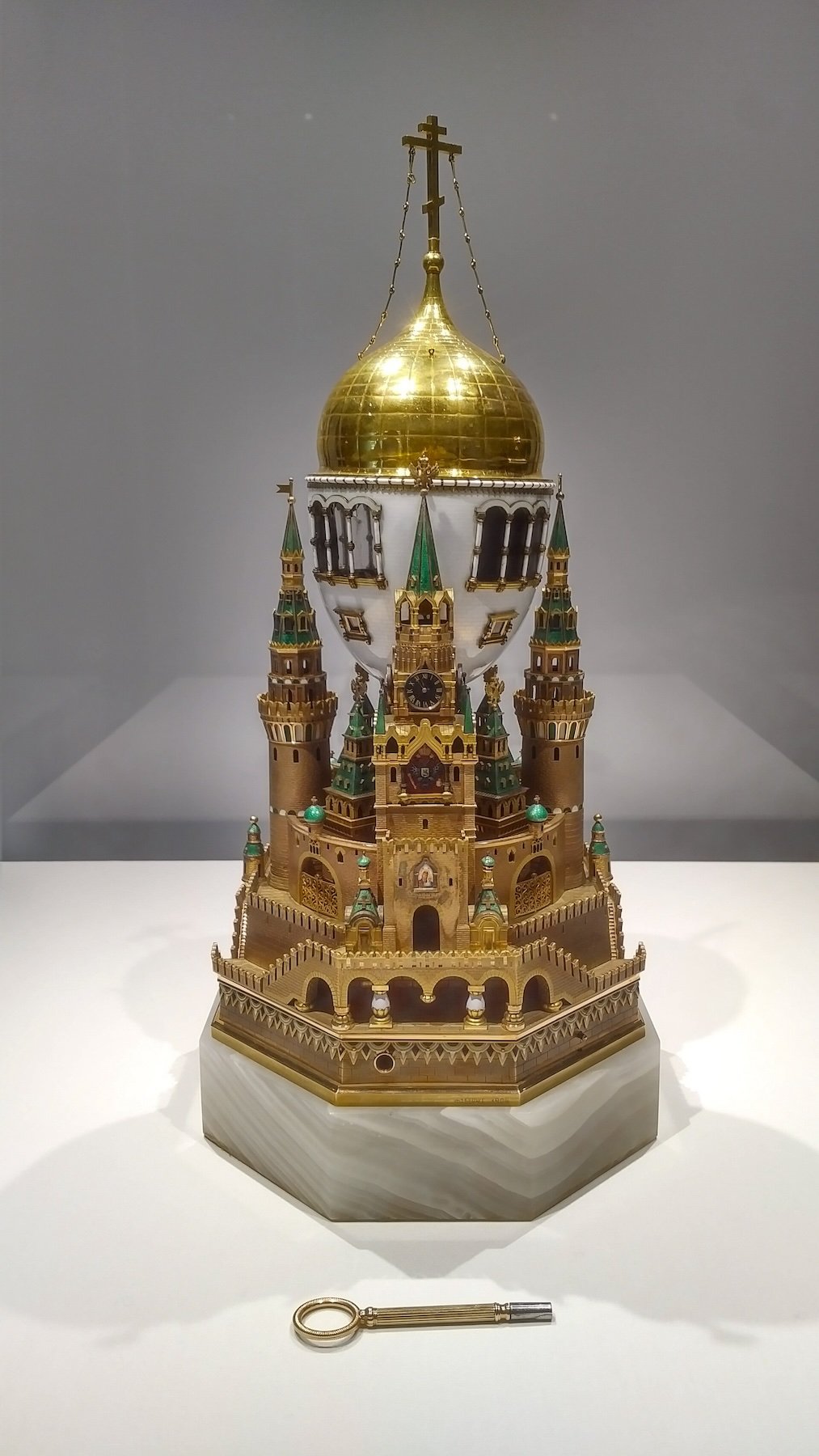
The visual grandeur of Russian artistry, famously exemplified by the intricate craftsmanship of Carl Fabergé’s Easter eggs, has often inspired timepieces that blend mechanical complexity with aesthetic brilliance. These historical parallels, such as Fabergé’s 1906 Easter egg incorporating a clock and music box, highlight a long-standing tradition of merging timekeeping with artistic expression in Russia. More recently, Anton Sukhanov’s St. Petersburg Easter Egg Tourbillon Clock, which won the GPHG Horological Revelation Prize in 2025, demonstrates the continued vitality of this heritage.
The "Joker" Effect: Redefining Luxury and Playfulness
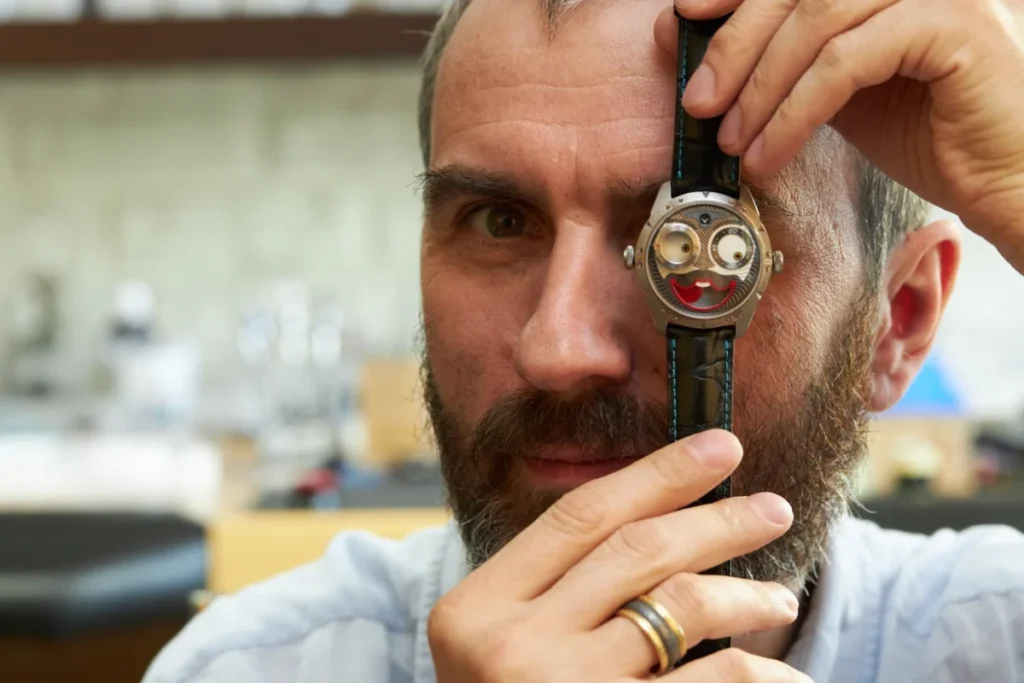
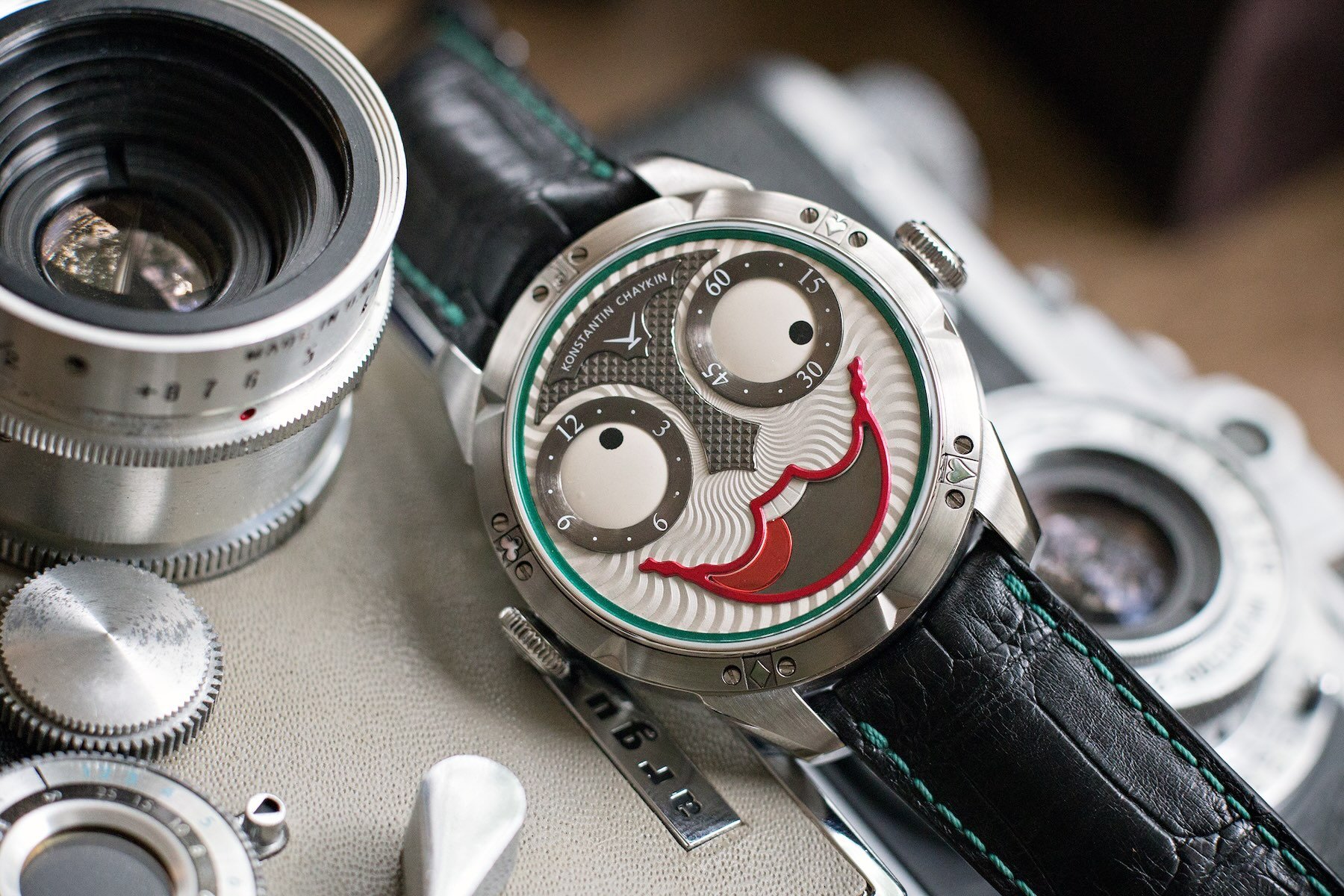
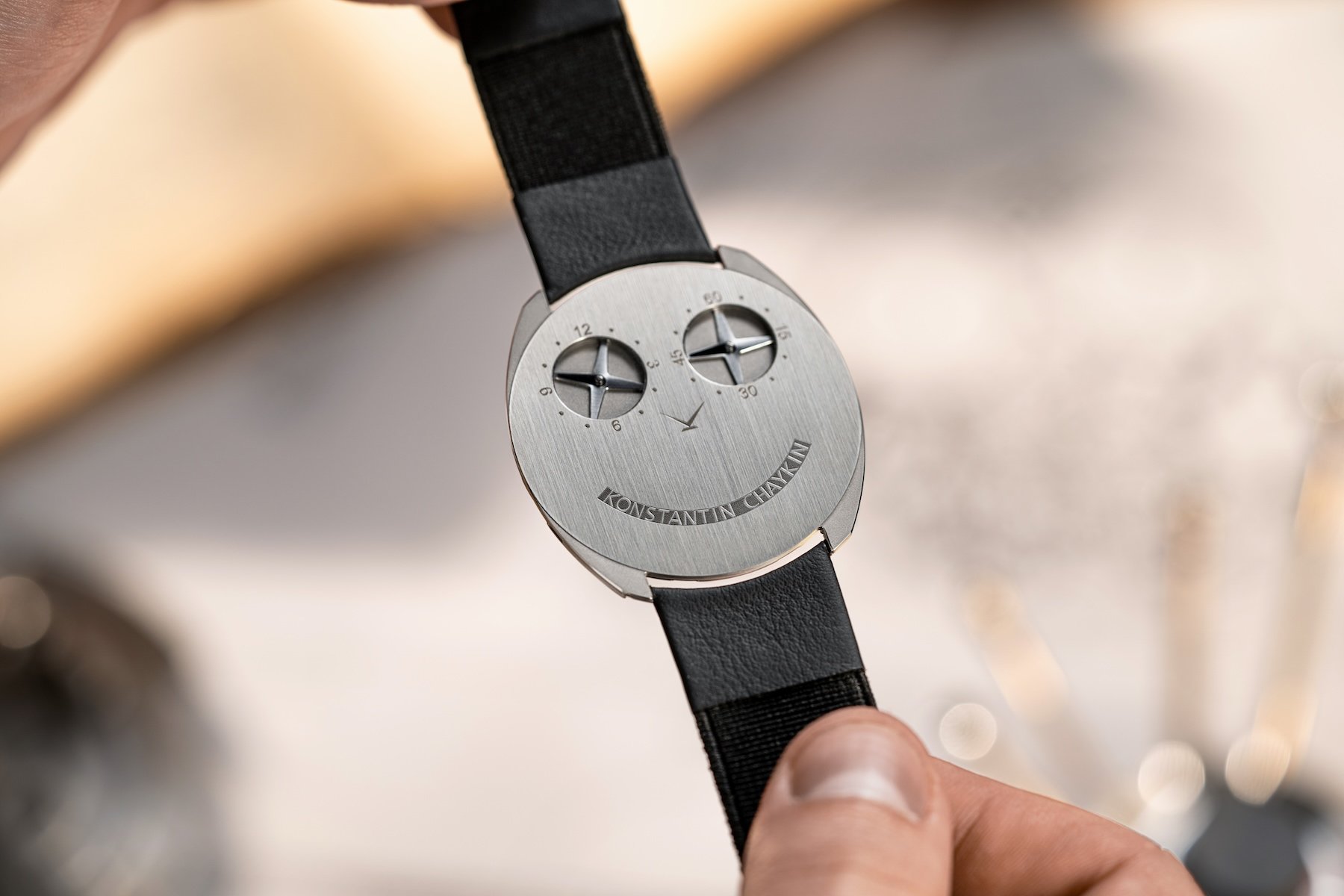
The Konstantin Chaykin "Joker" timepiece represents a significant turning point, not only for the brand but for the perception of high-end independent watchmaking as a whole. This creation, characterized by its playful yet technically sophisticated design, challenged conventional notions of luxury. "Work on the Joker began about 10 years ago, and it was a massive challenge, first and foremost for me," Chaykin admitted. For a watchmaker renowned for "serious, highly complex timepieces," venturing into such a bold and provocative design was a daring proposition.
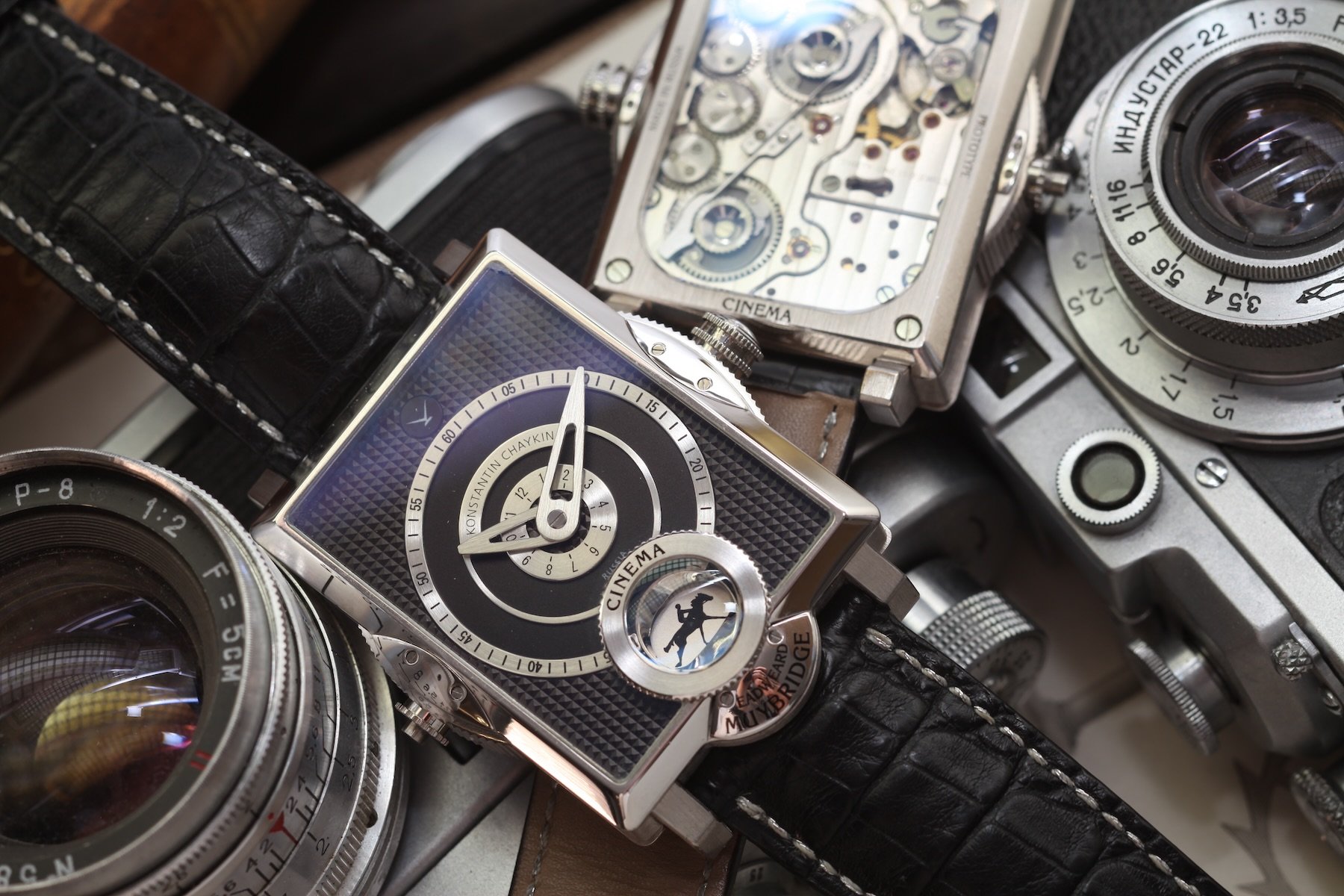
The "Joker" was a breakthrough that influenced both collectors’ expectations and the broader industry. Chaykin suggests that the watch’s success has contributed to a subtle shift in the industry, making it "ready to be a little less serious." The journey to the "Joker" was not immediate; it began with the "Cinema" watch in 2013, which explored the importance of emotional connection with the viewer. Years of sketching anthropomorphic elements and characters culminated in the "Joker" as a deliberate choice, fueled by experience and audacity. Its true significance became apparent after the Baselworld exhibition in 2017, signaling a profound shift in how watches were perceived within the community.
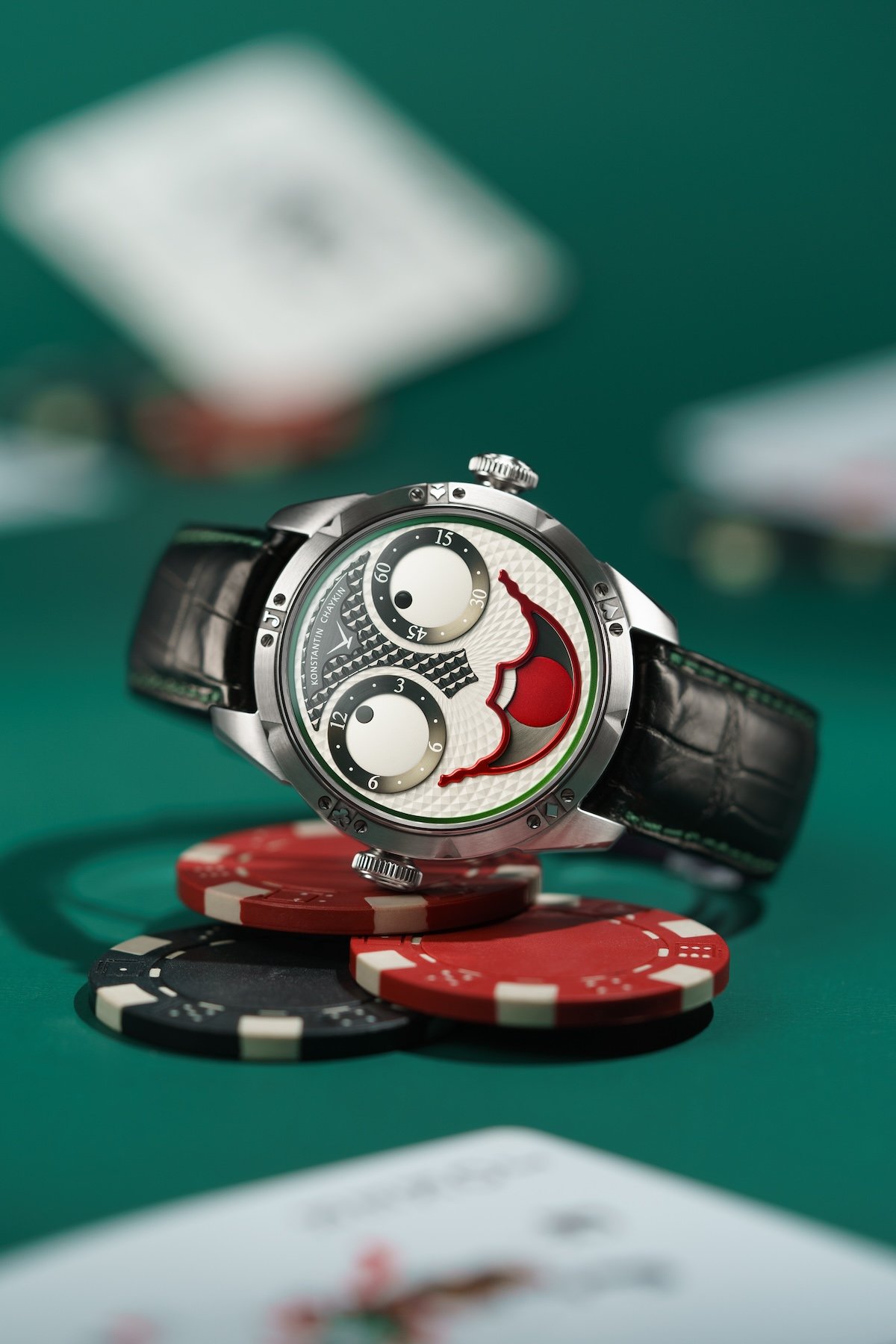
The "Joker" exemplifies Chaykin’s core principle of integrating movement, design, and concept into a unified whole. "The design must back the concept, and the movement must validate the design," he explained. Emotion, he added, served as the "final touch." This holistic approach has informed subsequent creations, including the "Dracula," "Selfie," "Martian" (featuring a Martian tourbillon and calendar), and the "Stargazer," which boasts an impressive 17 complications and is hailed as the pinnacle of Russian wristwatches. Each of these pieces seamlessly merges its narrative with a sophisticated movement and compelling visual imagery, creating timepieces that are as much works of art as they are complex mechanical instruments.

Embracing the Challenge of Ultra-Thin Watchmaking
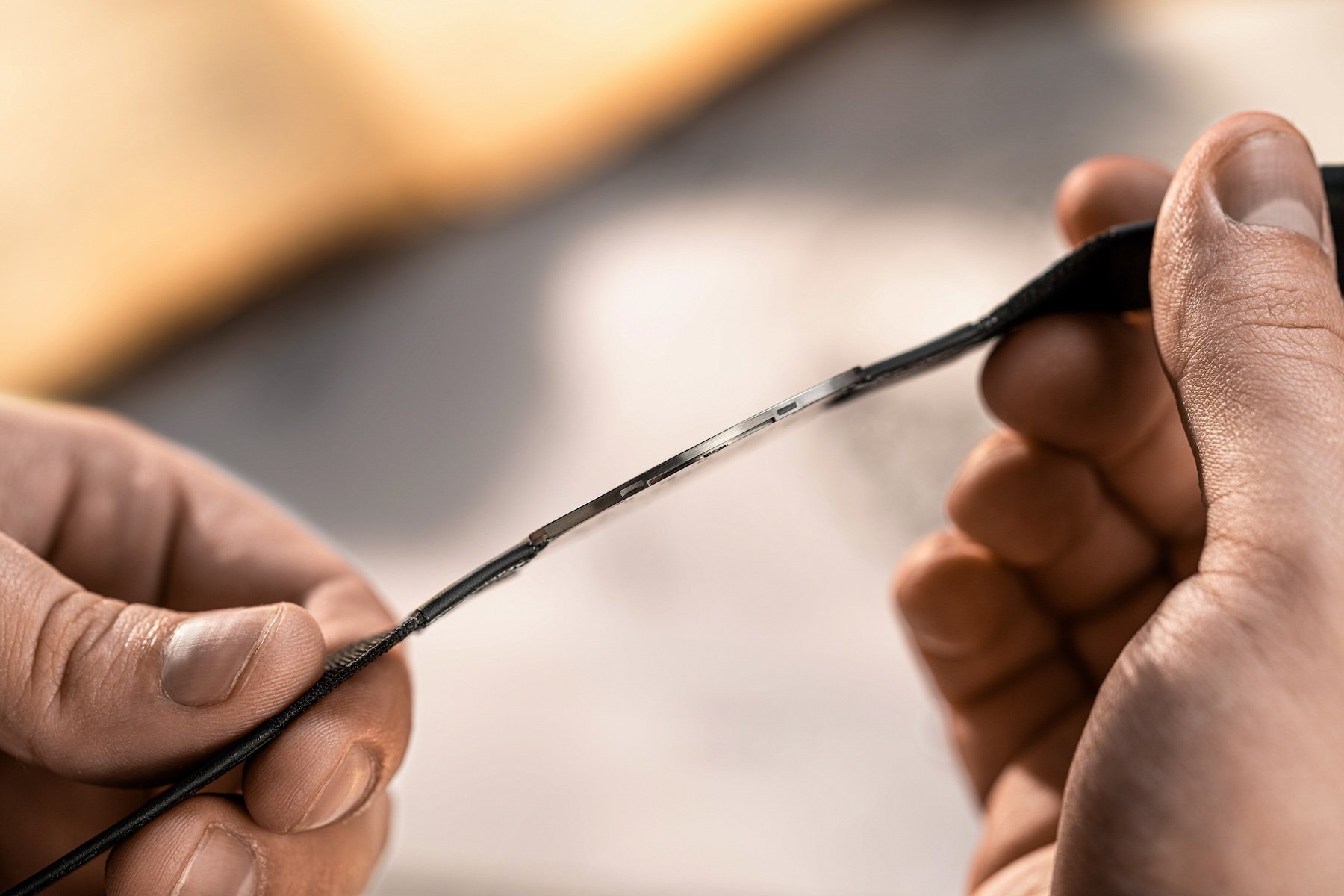
Chaykin’s relentless pursuit of new challenges recently led him into the demanding realm of ultra-thin watchmaking with his "ThinKing" collection. This move represents a departure from his signature expressive complications, focusing instead on the engineering feat of extreme slimness. The impetus for this new direction came from a client’s challenge: the belief that creating the thinnest possible timepieces represented the most complex feat in watchmaking. After careful consideration, Chaykin agreed. "I love seeking out new peaks and challenges, so I dived into ultra-thin watchmaking with great pleasure," he stated.

The development of ultra-thin watches inevitably involves compromises due to strict height constraints. However, Chaykin was adamant about not sacrificing quality. "The main goal was not just to make an ultra-thin watch; it was also to create a timepiece that could be worn without the risk of breaking it," he emphasized. This required extensive research and development across multiple fronts, including movement architecture, manufacturing techniques, and the careful selection of materials for both the case and the strap. The result is a collection of reliable and wearable timepieces, achieved through clever engineering solutions.

The "ThinKing" project is not viewed as a singular achievement but rather as a long-term strategic direction for Chaykin’s brand. "It has been a fascinating and costly experience, as the research and development took several years," he noted. He anticipates that working with ultra-thin watchmaking will continue to be a driving force for both his personal creativity and the manufacturing capabilities of his atelier, moving beyond the pursuit of mere records or limited production runs.

The Allure of Independent Horology
In an era where independent watchmaking is experiencing a surge in attention, Chaykin offers a compelling perspective on its appeal. He observes that collectors often seek out independent brands for reasons that extend beyond the status associated with major luxury houses. While established brands offer recognizable aesthetics and a statement of success, small independent makers provide a crucial element: limited availability. The distinction between producing hundreds of thousands of watches annually and crafting just a hundred creates a profound difference in perceived value.

Furthermore, independent watchmakers benefit from greater creative freedom. "Life forces us to invent new things and compete with the giants in terms of technical solutions, finishing, or design," Chaykin explained. He believes that the results from independent ateliers are often "more expressive and compelling." This openness to unconventional creativity is a trend Chaykin has observed growing over the past decade, noting that even major brands are becoming "increasingly bold" in their designs.

A Conversation with Masters of the Past
When contemplating an evening with historical watchmaking luminaries, Chaykin’s choices reflect a deep respect for innovation and foundational craftsmanship. His top three selections are Ivan Petrovich Kulibin, the self-taught Russian inventor; John Harrison, the pioneer of the marine chronometer; and Abraham-Louis Breguet, a titan of horological artistry.
Chaykin’s particular fascination with Kulibin stems from his extensive, two-decade-long study of the Russian inventor’s legacy, including efforts to recreate one of his masterpieces. "I have a vast number of questions for him," Chaykin stated, citing the enduring mysteries due to a lack of documentation. His encounter with Kulibin’s "Goose Egg" Clock in 2005 solidified this admiration. Harrison’s work on the marine chronometer, crucial for maritime navigation, and Breguet’s profound influence on horological design and mechanics, particularly his tourbillon, have all shaped Chaykin’s creative vision.
The core question Chaykin would pose to each of these masters is simple yet profound: "How on earth did they manage to create such extraordinary things back then?" This question echoes his own awe upon visiting a Breguet exhibition at the Hermitage Museum in 2004, an experience that "literally made my hair stand on end" and spurred his own ambition. For Chaykin, these historical figures represent not just artisans but pioneers whose relentless exploration and innovation continue to inspire his own journey in the captivating world of watchmaking.