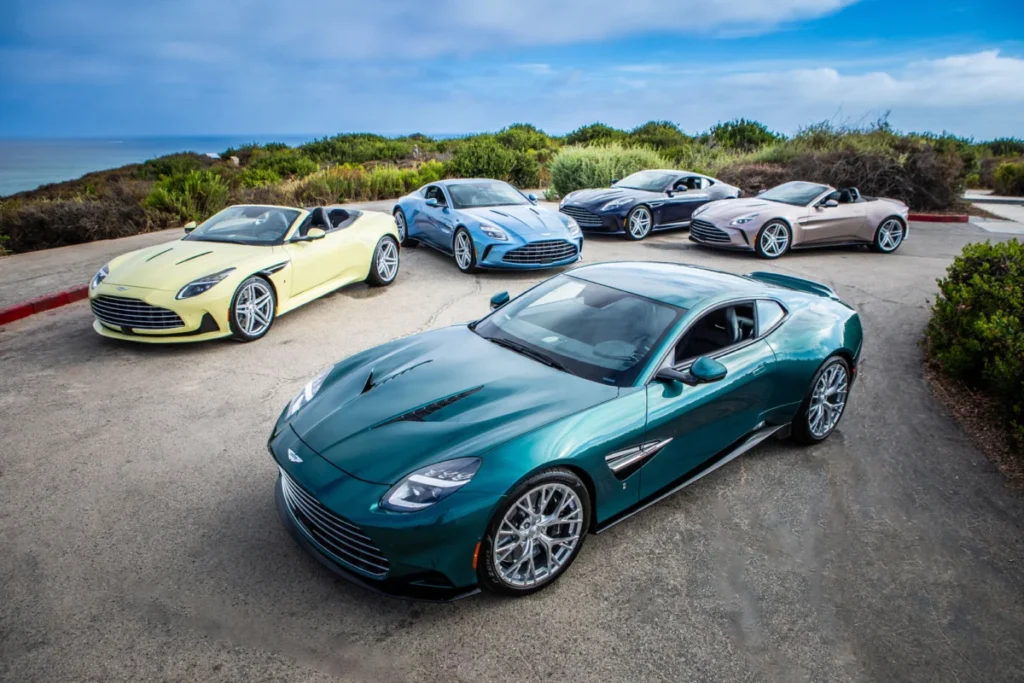
Aston Martin is once again finding itself in the financial spotlight, this time due to the complex terms of a new £550 million loan. This recent infusion of capital comes with preferential rights for the new lenders, a move that has raised eyebrows given the company’s existing substantial debt of £1.5 billion. While Aston Martin’s latest models are widely lauded as some of the finest ever to roll off its production lines, the inherent capital intensity of the luxury automotive sector continues to present a formidable challenge in escaping a persistent cycle of debt.
The Persistent Debt Dilemma
The core of Aston Martin’s ongoing financial struggle lies in a fundamental imbalance between the desirability and critical acclaim of its products and the arduous journey to achieve sustainable profitability. The company, renowned for its blend of exquisite design, high-performance engineering, and storied British heritage, consistently produces vehicles that captivate enthusiasts and command premium prices. However, the significant investment required for research and development, the intricate manufacturing processes for low-volume, high-specification vehicles, and the global marketing efforts necessary to maintain its exclusive brand image all contribute to a voracious appetite for capital.
This new £550 million loan, reportedly secured with specific terms that prioritize the new lenders, underscores the company’s continuous need for liquidity. While the exact details of these "special rights" are not publicly disclosed, such arrangements typically involve preferential repayment terms, equity conversion options, or enhanced security over company assets. These provisions, while potentially attractive to new investors seeking a degree of protection, can further complicate the financial landscape for existing creditors and shareholders.
A History of Financial Turbulence
Aston Martin’s financial history in recent years has been a recurring narrative of restructuring, capital injections, and attempts to navigate a challenging market. The company has been publicly traded on the London Stock Exchange since October 2018, a move that was initially met with optimism. However, the subsequent years have been marked by a series of financial setbacks, including profit warnings and a significant decline in its share price.
Key milestones in this financial journey include:
- October 2018: Aston Martin lists on the London Stock Exchange, valuing the company at approximately £4.3 billion.
- Early 2020: The COVID-19 pandemic exacerbates existing financial pressures.
- January 2020: Canadian billionaire Lawrence Stroll leads a consortium that invests £182 million in exchange for a 16.7% stake, later increasing his stake. This marked a significant turning point, bringing new leadership and strategic direction.
- Throughout 2020-2023: The company undertakes several capital raises and debt refinancing exercises to shore up its balance sheet and fund its strategic turnaround plan, often referred to as "Project Horizon." These efforts have included significant investments from Saudi Arabia’s Public Investment Fund (PIF) and the Geely Group, further diversifying the ownership structure.
- August 2023: Reports emerge of a new £550 million loan, highlighting the ongoing need for financial support.
This latest loan, totaling £550 million, is in addition to the substantial existing debt, bringing the total debt burden to an estimated £2.05 billion. This level of indebtedness places considerable pressure on Aston Martin’s ability to generate sufficient free cash flow to service its obligations, invest in future product development, and ultimately achieve profitability.
The Paradox: Superb Cars, Strained Finances
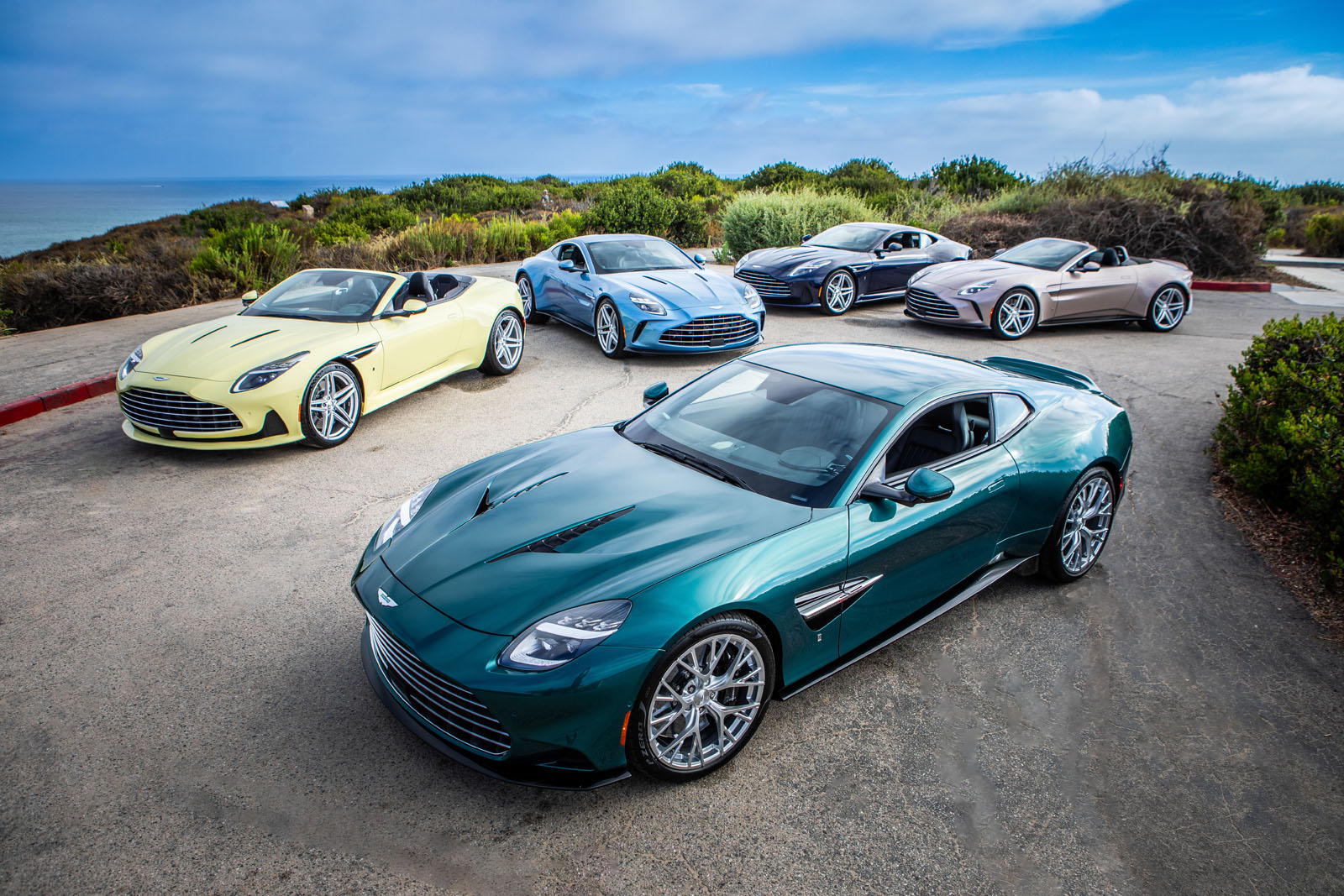
The critical acclaim for Aston Martin’s current vehicle portfolio cannot be overstated. Models such as the DB12, DBS, and the brand-new Valhalla hybrid supercar have received widespread praise from automotive journalists and discerning buyers alike. These vehicles represent a significant leap forward in terms of performance, technology, and design, embodying the very essence of what makes Aston Martin an aspirational brand.
The DB12, for instance, has been lauded for its blend of luxury, sporting prowess, and advanced infotainment systems, signaling a new era for the marque. The upcoming Valhalla, developed with input from the Aston Martin F1 team, promises to be a technological tour de force, showcasing the company’s commitment to electrification and high-performance hybrid powertrains.
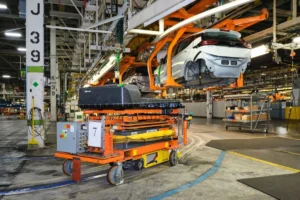
However, the production of these highly exclusive and technologically advanced vehicles is inherently costly. The use of specialized materials, bespoke components, and extensive hand-finishing in the manufacturing process contributes to high unit costs. Furthermore, the relatively low production volumes, characteristic of ultra-luxury and niche automotive manufacturers, prevent the realization of significant economies of scale that would be available to mass-market carmakers.
Strategic Imperatives and Future Outlook
Aston Martin’s leadership, spearheaded by Lawrence Stroll and CEO Amedeo Felisa, has outlined ambitious plans to revitalize the company. The "Project Horizon" strategy has focused on several key pillars:
- Product Portfolio Enhancement: Introducing a new generation of sports cars and luxury GTs, with a strong emphasis on electrification. This includes the development of bespoke EV platforms and partnerships to accelerate the transition to zero-emission vehicles.
- Brand Elevation: Strengthening Aston Martin’s association with motorsport, particularly through its Formula 1 team, to enhance brand desirability and visibility.
- Operational Efficiency: Streamlining manufacturing processes, optimizing supply chains, and driving cost efficiencies across the organization.
- Strategic Partnerships: Collaborating with technology partners and other automotive groups to share development costs and access new technologies, particularly in the realm of electrification.
The company’s foray into Formula 1, both as a constructor and through its branding association, has been a significant element of its brand rejuvenation strategy. The investment in the F1 team, while substantial, is seen by the company as crucial for enhancing brand equity and appealing to a younger, affluent demographic. The success on the track, with recent podium finishes and strong performances, has undoubtedly boosted Aston Martin’s global profile.

However, translating this brand resurgence into robust financial performance remains the ultimate challenge. The company’s ability to generate consistent profits and reduce its debt burden will depend on several factors:
- Successful Electrification Strategy: The transition to electric vehicles is a critical inflection point for the entire automotive industry. Aston Martin must navigate this transition effectively, delivering compelling electric models that meet the expectations of its discerning customer base without alienating its core identity.
- Production Ramp-up and Quality Control: Successfully increasing production volumes of its new models while maintaining the highest levels of quality and craftsmanship is essential for revenue growth and customer satisfaction.
- Debt Management: The company will need to implement a clear and achievable strategy for debt reduction, potentially through a combination of improved profitability, asset sales, or further equity raises, albeit on more favorable terms than previous arrangements.
- Global Economic Conditions: As a purveyor of luxury goods, Aston Martin’s sales are sensitive to global economic downturns and geopolitical instability. A sustained period of economic growth is crucial for supporting demand for its high-priced vehicles.
Broader Implications for the Luxury Automotive Sector
Aston Martin’s financial travails serve as a stark reminder of the inherent challenges faced by manufacturers in the ultra-luxury and niche automotive segments. These companies operate in a market characterized by high fixed costs, significant R&D investment, and a reliance on maintaining an exclusive brand image.
The pursuit of electrification, while environmentally necessary and increasingly demanded by consumers, adds another layer of complexity and cost. Developing new EV powertrains, battery technologies, and charging infrastructure requires massive capital expenditure, which can be particularly burdensome for companies with already stretched balance sheets.
Aston Martin’s situation also highlights the evolving landscape of automotive ownership and investment. Strategic partnerships and minority stakes taken by sovereign wealth funds and large automotive conglomerates are becoming increasingly common as a means of injecting capital and expertise into struggling or ambitious niche players. These arrangements, while providing a lifeline, often come with complex governance structures and influence over strategic decisions.
Ultimately, Aston Martin’s future hinges on its ability to strike a delicate balance: continuing to produce the desirable, high-performance cars that define its legacy, while simultaneously implementing a rigorous financial discipline that can transform critical acclaim into sustained profitability and a healthier balance sheet. The company’s latest loan signals that this quest for financial stability remains an ongoing, and indeed critical, chapter in its storied history.