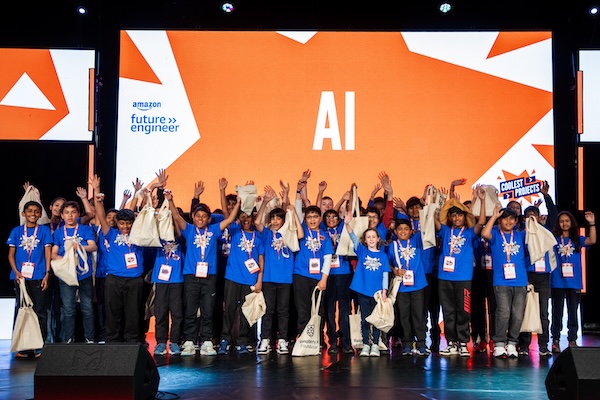
The city of Bradford reaffirmed its status as a burgeoning center for technological education this May as it hosted the return of Coolest Projects UK, the premier showcase for young digital creators. More than 200 participants, ranging from primary school students to teenagers, gathered to present an array of self-built digital innovations. The event, organized by the Raspberry Pi Foundation, serves as a cornerstone for the United Kingdom’s efforts to foster "STEAM" (Science, Technology, Engineering, Arts, and Mathematics) skills among the youth, moving them from being passive consumers of technology to active architects of the digital world.
Held in a high-energy environment designed to mimic professional tech expos, the showcase featured categories spanning hardware, mobile apps, web design, game development, and the increasingly prevalent field of Artificial Intelligence (AI). Participants arrived from diverse educational backgrounds, representing local Code Clubs, schools, CoderDojos, and Scout groups, as well as independent learners who have mastered coding through online resources. The 2026 iteration of the event highlighted a significant trend: a shift toward socially conscious and educational technology, with many projects addressing real-world problems such as health, history, and accessibility.
A Strategic Approach to Digital Literacy and Community Engagement
The success of the May event was the result of months of localized groundwork aimed at lowering the barrier to entry for digital making. In the weeks leading up to the showcase, the Raspberry Pi Foundation and local partners facilitated a series of workshops across Bradford. These sessions were strategically designed to reach underrepresented groups in the tech sector, providing them with the hardware, mentorship, and confidence necessary to bring a project from concept to reality.
By focusing on community-based learning, the organizers addressed the persistent "digital divide" in the UK. Data from the Department for Education and various technology think tanks often highlight geographical disparities in tech education; by bringing Coolest Projects to Bradford, the initiative directly injects resources into the North of England, a region that has seen significant growth in its digital economy over the last decade. These workshops served as a "sandbox" where first-time coders could experiment with Python, Scratch, and hardware components like micro-controllers without the pressure of a formal classroom assessment.
The Integration of Scouting and Digital Maker Badges
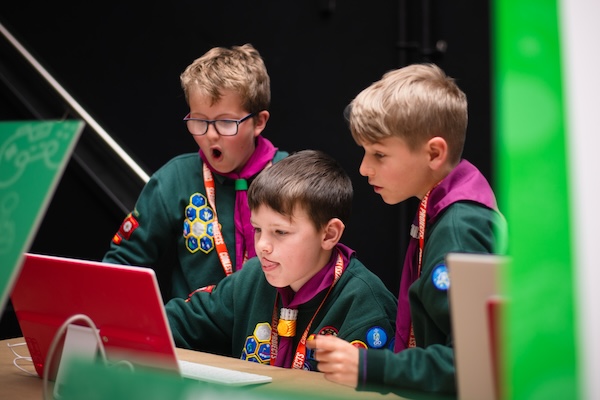
A standout feature of the 2026 event was the formal integration of the Scouts into the digital making ecosystem. Fifty-seven Scouts from six different Yorkshire-based groups participated in dedicated workshops that merged traditional Scouting values of self-reliance and skill-building with modern computing. The Scouts worked specifically with Scratch’s AI-facial recognition extensions to develop interactive "selfie filters," a project that required them to understand the basics of machine learning and computer vision.
Upon completion of their projects, these young people were awarded their DM1 Digital Maker badges. This partnership represents a broader trend in youth organizations to modernize their curricula. By exhibiting their work at Coolest Projects, the Scouts were given a platform to practice public speaking and technical demonstration. For many, this was their first encounter with "public-facing" technology, bridging the gap between a private hobby and a potential career path. The presence of the Scouts added a unique dimension to the event, showcasing how digital skills can be integrated into diverse extracurricular frameworks.
Technical Deep Dives: Highlights from the Showcase Floor
The diversity of the projects on display reflected the varying levels of technical maturity among the participants. From simple block-based animations to complex hardware-software integrations, the floor was a testament to the versatility of modern coding tools.
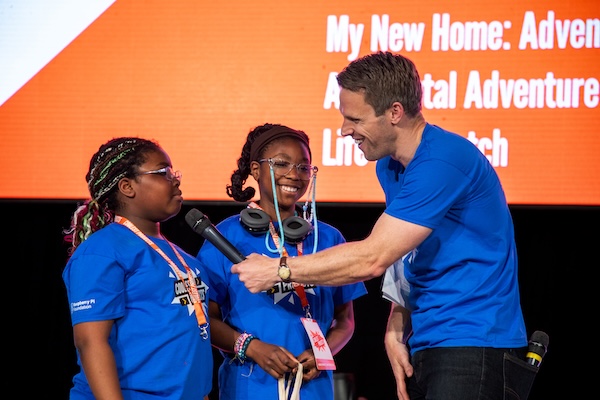
Seth’s "Pop Bot": Bridging AI and Physical Computing
Seth, one of the featured hardware creators, presented "Pop Bot," a sophisticated robotic reminder system. The project utilized a combination of physical sensors and AI-driven facial recognition to identify specific family members and deliver personalized audio reminders. The technical challenge Seth faced—and overcame—involved the "training" of the AI model.
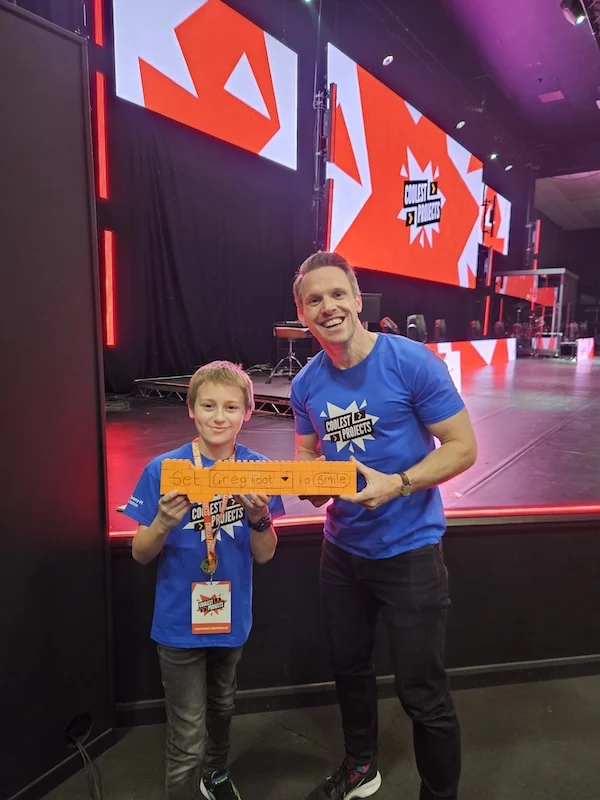
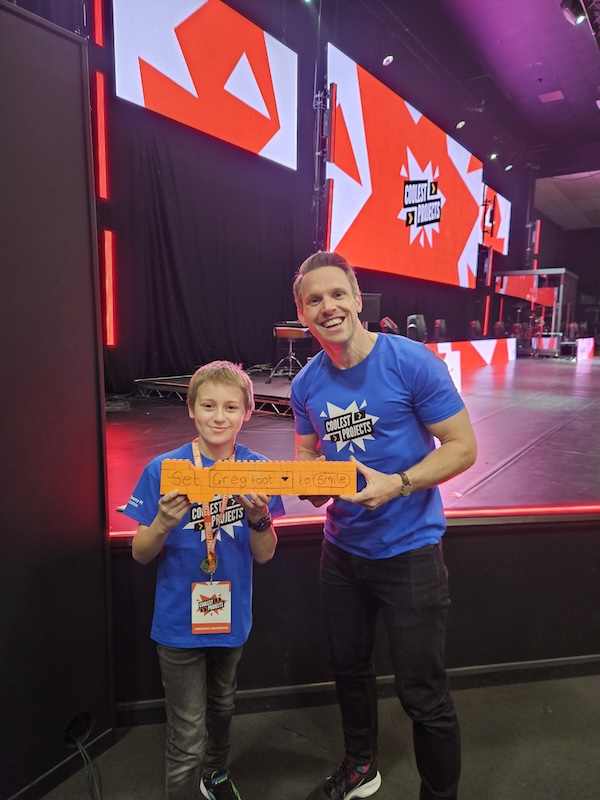
Seth noted that the system initially struggled with accuracy due to varying lighting conditions and backgrounds. To solve this, he implemented a rigorous data-collection process, capturing a wider variety of photos to improve the model’s robustness. This problem-solving approach mirrors professional DevOps and machine learning workflows. Furthermore, Seth’s engagement with the event’s host, BBC science presenter Greg Foot, demonstrated the "maker spirit" as he presented a custom-built, physical "Scratch block" made from Duplo and modelling clay, symbolizing the intersection of play and programming.
Chinemerem’s "Immune System Defence": Educational Gaming in Roblox
In the Games category, Chinemerem showcased "Immune System Defence," developed within the Roblox ecosystem. Roblox, which uses the Lua programming language, has become a massive gateway for young game developers. Chinemerem’s project was notable for its pedagogical value, translating complex biological concepts—such as the function of white blood cells and the mechanics of the human heart—into a "tower defense" game format.
By allowing visitors to scan a QR code and play the game in real-time, Chinemerem utilized a "Software as a Service" (SaaS) model of distribution. The project illustrated how gaming can be leveraged as an educational tool, turning science lessons into interactive experiences that improve retention and engagement among peers.
Gabriel’s "Fossil Roulette": Logic and Probability in Scratch
Gabriel’s project, "Fossil Roulette," focused on the intersection of paleontology and mathematics. Inspired by the Fossil Festival in Lyme Regis, Gabriel used Scratch to simulate the rarity of the fossilization process. The core technical hurdle was the "spin-down" logic of the roulette wheels, requiring the programmer to manipulate variables to simulate friction and deceleration. This project highlighted how coding can be used to model scientific probabilities, providing a digital window into natural history.
The Role of Industry Feedback and Professional Mentorship
Coolest Projects is not a traditional competition; it is a celebration of creativity. However, the inclusion of industry professionals as "judges" is a critical component of its impact. These professionals, drawn from UK tech firms and academic institutions, provided every participant with personalized feedback.
This interaction is vital for several reasons:
- Validation: It confirms to the young creators that their work has value outside of the classroom.
- Career Mapping: It allows students to ask questions about the industry, helping them visualize a future in software engineering, data science, or digital design.
- Soft Skills: Participants must articulate their logic, explain their code, and justify their design choices, building essential communication skills that are often overlooked in technical education.
Greg Foot’s presence as the Master of Ceremonies further elevated the event’s profile. His ability to translate complex scientific ideas into accessible narratives helped celebrate the "story" behind each project, emphasizing that technology is ultimately a tool for human expression.
Broader Implications for the UK’s Digital Economy
The significance of events like Coolest Projects UK extends beyond a single day in Bradford. According to recent industry reports, the UK faces a persistent skills gap in the technology sector, with thousands of roles in cybersecurity, AI, and cloud computing remaining unfilled. Initiatives led by the Raspberry Pi Foundation are a direct response to this challenge.
By fostering a "maker culture," these programs encourage a mindset of lifelong learning and adaptability. The transition from Scratch (block-based) to Python (text-based) and then to professional engines like Roblox or Unity represents a clear pipeline for talent development. Furthermore, the emphasis on AI in this year’s projects reflects the national priority of making the UK a global leader in AI safety and innovation. When 10-year-olds are experimenting with facial recognition and ethical data collection, they are developing the foundational literacy required for the workforce of the 2030s.
Looking Ahead: The Global Reach of Coolest Projects
While the Bradford event concluded with a celebration ceremony and awards for "Judges’ Favorites," the Coolest Projects momentum continues globally. The Raspberry Pi Foundation maintains a year-round ecosystem of support through its network of over 10,000 Code Clubs and CoderDojos worldwide. These clubs provide the persistent, weekly engagement necessary to turn a one-day spark of inspiration into a sustained technical practice.
As the UK looks toward its future as a "Science and Technology Superpower," the grassroots enthusiasm seen in Bradford provides a hopeful outlook. The event proved that when provided with the right tools, mentorship, and a platform for expression, the next generation of creators is more than capable of navigating and shaping the complexities of the digital age. For those inspired by the success in Bradford, the call to action is clear: the next generation of innovators is already at work, and the global community of makers is ready to welcome them.