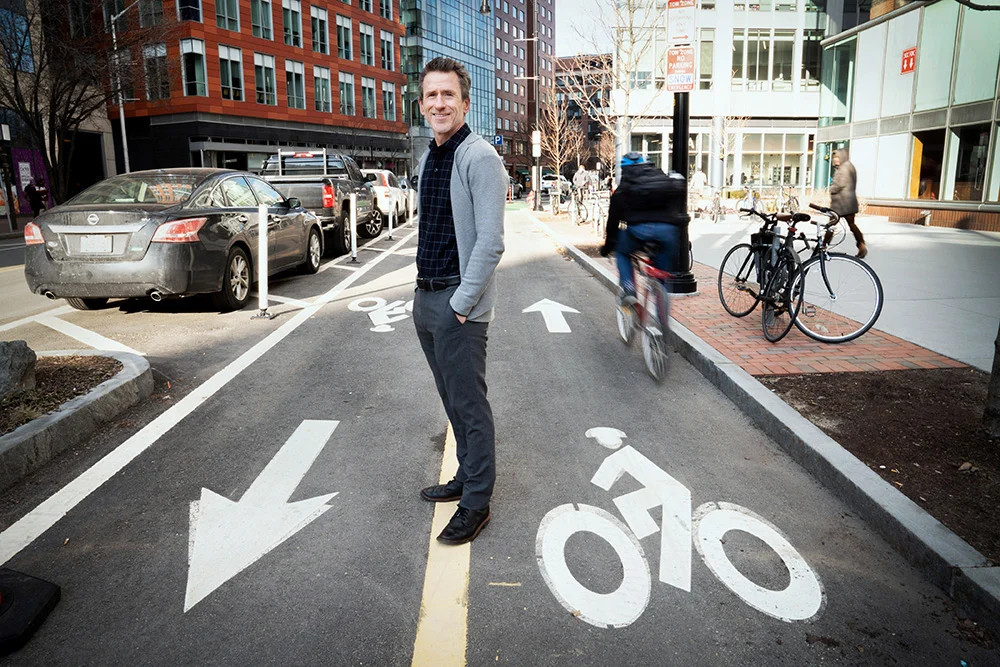
Professor Chris Zegras, a distinguished figure in the fields of mobility and urban planning and the current head of the MIT Department of Urban Studies and Planning (DUSP), has been appointed the new chief executive officer and director of the Singapore-MIT Alliance for Research and Technology (SMART). His tenure officially commences on September 1, succeeding Professor Bruce Tidor, who has capably served as interim CEO and director since January 2025. This leadership transition marks a significant moment for SMART, a pioneering research collaboration that has consistently pushed the boundaries of scientific and technological innovation since its inception in 2007.
A Deepening of MIT’s Global Research Commitment
The appointment of Professor Zegras underscores MIT’s unwavering commitment to its international research endeavors, particularly to SMART, its sole research center located outside the United States. Established in strategic collaboration with the National Research Foundation of Singapore, SMART has evolved into a vital nexus for interdisciplinary research and development. Situated within the prestigious Campus for Research Excellence and Technological Enterprise (CREATE), SMART serves as a dynamic platform fostering robust partnerships between MIT and Singapore’s burgeoning research ecosystem. It strategically convenes leading experts and institutions from the United States, Singapore, and the wider Asian region, uniting them in the pursuit of world-class research and groundbreaking innovation.
Anantha Chandrakasan, MIT’s provost, formally announced Zegras’s appointment in a comprehensive letter to the MIT community, highlighting the profound significance of this leadership change. "Professor Zegras brings a distinguished track record of interdisciplinary leadership and a deep understanding of SMART’s mission and impact," stated Provost Chandrakasan. "His appointment reinforces MIT’s commitment to the alliance, which has advanced innovation and driven global impact, and which remains as important as ever in a time of accelerating technological and global change." This endorsement from a senior MIT leader signals confidence in Zegras’s ability to steer SMART through its next phase of growth and development, leveraging his extensive experience and vision to further enhance its global standing.
A Visionary Leader with a Proven Track Record
Professor Zegras’s association with MIT is long and distinguished, having joined the faculty in 2005. His leadership within the Department of Urban Studies and Planning (DUSP) as its head since 2020 has been characterized by a forward-thinking approach to complex urban challenges. His research portfolio is particularly relevant to the core mission of SMART, focusing on critical areas such as the application of computational technologies for understanding and modeling human behaviors and the enhancement of strategic planning capabilities. These areas are paramount in addressing the multifaceted mobility challenges faced by metropolitan areas worldwide, a field where SMART has made significant contributions.
Zegras’s prior involvement with SMART is extensive and deeply rooted, demonstrating a profound understanding of the organization’s operational dynamics and research potential. He has previously spearheaded collaborative research initiatives focused on next-generation mobility sensing and simulation systems, a testament to his hands-on experience within the SMART framework. From 2010 to 2020, he served as a principal investigator for the Future Urban Mobility interdisciplinary research group, and from 2016 to 2020, he held the crucial role of lead principal investigator for the same group. During this impactful decade, his leadership contributed significantly to pivotal projects, including spearheading Singapore’s first-ever public autonomous vehicle trials, a groundbreaking initiative that provided invaluable data and insights into the future of urban transportation. Furthermore, his teams developed and deployed sophisticated large-scale urban simulation and visualization systems, tools that are indispensable for urban planners and policymakers. The research generated under his guidance also led to the successful formation of spinoff companies, showcasing SMART’s capacity to translate academic discoveries into tangible commercial and societal benefits.
Reflecting on his new role, Professor Zegras expressed his enthusiasm and vision for the future of SMART. "Bringing together leading experts from the U.S., Singapore, and around the world, SMART has established itself as a unique hub for interdisciplinary collaboration and innovation that addresses pressing societal issues," Zegras remarked. "Having experienced firsthand what this distinctive model can achieve, I look forward to building on this strong foundation to deepen collaboration, strengthen our innovation ecosystem, and accelerate the translation of research into meaningful real-world impact." His words convey a clear strategic direction, emphasizing continued collaboration, a robust innovation pipeline, and a commitment to practical, impactful outcomes.
The Pillars of SMART: Interdisciplinary Research and Innovation
The structure of SMART is fundamentally built upon its interdisciplinary research groups, each meticulously led by senior MIT faculty members. This model ensures a high caliber of scientific leadership and a cohesive research agenda. Currently, SMART hosts six distinct research groups, each addressing critical and emerging global challenges:
- Antimicrobial Resistance: This group focuses on understanding and combating the growing threat of antibiotic-resistant bacteria and other microbes, a major public health concern worldwide.
- Personalized Medicine with Living Cells: Research in this area explores the innovative use of living cells as personalized medicines to treat and prevent diseases, aiming to revolutionize healthcare with tailor-made therapies.
- Social and Institutional Challenges of AI and Emerging Technologies: This group critically examines the societal, ethical, and institutional implications arising from the rapid proliferation of artificial intelligence and other emerging technologies, fostering responsible innovation.
- New Agricultural Technologies: This research area is dedicated to developing and implementing advanced agricultural technologies to enhance food security, sustainability, and efficiency in food production.
- Wafer-Scale 3D Sensing Technologies: This group is at the forefront of developing novel wafer-scale 3D sensing technologies, with potential applications ranging from advanced manufacturing to augmented reality.
- Wearable Ultrasound Imaging: Research here focuses on miniaturizing and integrating ultrasound imaging capabilities into wearable devices, promising new frontiers in non-invasive medical diagnostics and monitoring.
Beyond its dedicated research groups, SMART is also home to the SMART Innovation Centre. This vital component of the alliance is specifically designed to bridge the gap between laboratory discoveries and market application, accelerating the journey of research ideas from conception to commercialization. The Innovation Centre plays a crucial role in fostering entrepreneurship and facilitating the translation of cutting-edge research into tangible products and services that benefit society.
A Rich Chronology of Collaboration and Impact
The establishment of SMART in 2007 marked a significant milestone in international research collaboration. This initiative was born from a shared vision between MIT and the Singaporean government, recognizing the mutual benefits of pooling intellectual capital and resources to address global challenges. The initial focus was on creating a sustainable framework for joint research that would yield both scientific breakthroughs and economic advantages.
2007: Singapore-MIT Alliance for Research and Technology (SMART) is officially established in collaboration with the National Research Foundation of Singapore. The initial phase focuses on identifying key research areas of mutual interest and building the foundational infrastructure for collaboration.
2010: Professor Chris Zegras becomes a principal investigator for the Future Urban Mobility interdisciplinary research group, marking his early and significant involvement with SMART’s initiatives. This period sees the group begin to explore innovative solutions for urban transportation challenges.
2016-2020: Professor Zegras assumes the role of lead principal investigator for the Future Urban Mobility group. This period is marked by significant achievements, including the initiation and execution of Singapore’s first public autonomous vehicle trials. This was a landmark event, providing critical real-world data on the feasibility and challenges of autonomous transport in an urban environment. Concurrently, the group develops and deploys advanced urban simulation and visualization systems, which become invaluable tools for urban planning and research.
January 2025: Professor Bruce Tidor takes on the role of interim CEO and director of SMART, ensuring continuity in leadership and operations during the search for a permanent successor. His interim leadership provides a stable transition, maintaining the momentum of ongoing research projects and strategic initiatives.
September 1, 2025: Professor Chris Zegras officially assumes the position of CEO and Director of SMART. His appointment is met with anticipation for his leadership, building upon his extensive experience and deep understanding of SMART’s mission and operational successes.
Supporting Data and Broader Implications
The success of SMART can be quantified through various metrics, including the number of research publications, patents filed, technologies licensed, and spinoff companies created. While specific figures may fluctuate, the consistent output of high-impact research and the generation of intellectual property have been hallmarks of SMART’s operations. The alliance has consistently published in top-tier scientific journals, contributing to the global body of knowledge across its diverse research areas. The establishment of spinoff companies, such as NuRide (now part of Grab) and others emerging from research in areas like energy and biotechnology, demonstrates the tangible economic impact of SMART’s innovation ecosystem.
The appointment of Professor Zegras comes at a critical juncture for global research and development. As technological advancements accelerate and complex societal issues like climate change, pandemics, and resource scarcity become more pressing, the need for interdisciplinary and international collaboration is more acute than ever. SMART, under Zegras’s leadership, is strategically positioned to address these challenges. His expertise in urban mobility, coupled with SMART’s diverse research portfolio, suggests a potential for synergistic advancements in areas such as smart cities, sustainable transportation, and resilient urban infrastructure.
The implications of Zegras’s leadership extend beyond the immediate research output. His focus on translating research into real-world impact suggests a renewed emphasis on the societal benefits derived from scientific inquiry. This aligns with global trends toward applied research and innovation that directly addresses pressing human needs. The continued strengthening of the partnership between MIT and Singapore not only fosters scientific progress but also deepens diplomatic and economic ties between the two nations, reinforcing their roles as leaders in global innovation. The success of SMART serves as a model for future international research collaborations, demonstrating the power of shared vision, complementary expertise, and sustained commitment.