General Motors is taking a radical departure from decades of automotive manufacturing orthodoxy, formally abandoning the Just-In-Time (JIT) delivery system in favor of building a colossal, off-balance-sheet inventory of critical vehicle parts valued at up to $4.5 billion. This strategic pivot, revealed in a recent Securities and Exchange Commission filing and reported by Bloomberg, signals a profound acknowledgment of the vulnerabilities exposed in globalized supply chains over the past five years. The move, while financially significant, is designed to provide GM with an unprecedented level of supply chain resilience, moving away from the leanest manufacturing principles towards a more robust, "just-in-case" operational model.
The End of an Era: Just-In-Time’s Demise
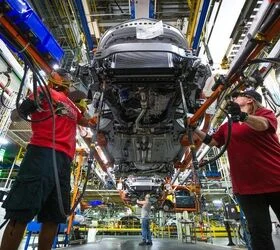
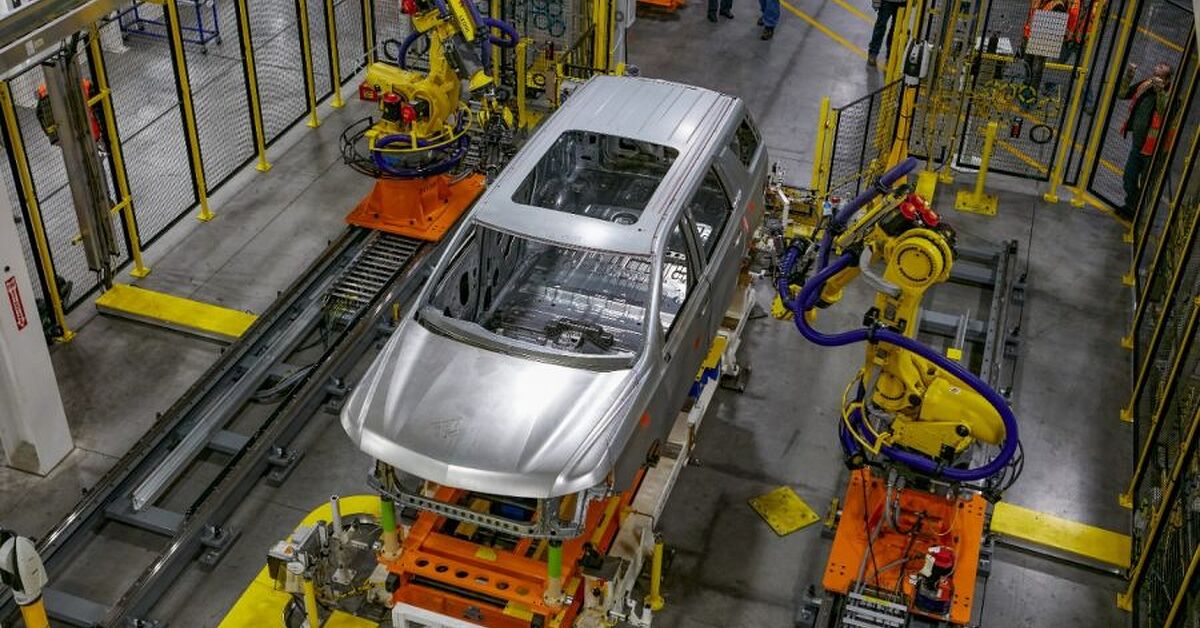
For over half a century, the automotive industry has largely operated under the tenets of lean manufacturing, a philosophy popularized by Toyota. The core of JIT is to minimize inventory, relying on a precisely orchestrated flow of parts delivered to the assembly line only when needed. This approach was lauded for its efficiency, maximizing short-term cash flow and reducing warehousing costs. The spectacle of tens of thousands of components moving in synchronized precision to produce a 5,000-pound SUV every minute was a testament to this system’s effectiveness when it functioned flawlessly.
However, the global disruptions of the early 2020s, particularly the semiconductor shortage that began in 2020, brutally exposed the fragility of this hyper-efficient model. Automakers worldwide found themselves with vast lots of unfinished vehicles, crippled by the lack of even a single critical component. This unprecedented disruption served as a stark wake-up call, prompting a re-evaluation of long-held manufacturing strategies. GM’s announcement marks a decisive step away from the JIT gospel, embracing a more risk-averse posture.
A $4.5 Billion Safety Net: The Procura Auto Parts Solution
GM’s strategy to build a substantial parts reserve without overtly impacting its balance sheet involves a sophisticated financial arrangement with a third-party intermediary, Procura Auto Parts LLC. This structure is designed to circumvent the accounting complexities that arise from holding such a large volume of physical assets.
Under the agreement, Procura, backed by substantial financing from major lenders including JPMorgan Chase and Banco Santander, will acquire and hold the critical inventory from GM’s key suppliers. General Motors will then enter into agreements with Procura, paying upfront interest and management fees for the holding of these components. Formal ownership and transfer of the parts will only occur when they are required for the actual assembly of vehicles.
This "gymnastics," as it is described, allows GM to maintain a substantial safety net of "just-in-case" parts without the direct accounting burden of billions of dollars in static assets. The financial benefit lies in mitigating the risk of production stoppages, which can incur far greater costs in lost revenue and expedited shipping than the fees associated with this arrangement.
The Cost of Peace of Mind
While the Procura arrangement offers significant supply chain security, it comes at a considerable financial cost. GM is reportedly paying an annual fee of 0.25 percent for unused credit capacity. Furthermore, the interest rate on the financed inventory is set at the Secured Overnight Financing Rate (SOFR) plus 1.55 percent. These fees, while substantial, are likely viewed as a necessary insurance premium against the potentially devastating financial and reputational damage of prolonged production halts.
The rationale behind incurring millions in interest fees to hold one’s own future vehicle components is rooted in the harsh lessons of recent years. The globalized supply chains that facilitated decades of efficient manufacturing proved surprisingly susceptible to a confluence of events, including the pandemic, geopolitical tensions, and extreme weather.
A Timeline of Disruption and Adaptation
The shift away from JIT is not an overnight decision but rather a response to a series of escalating supply chain crises:
- 2011: The Tohoku earthquake and tsunami in Japan disrupted global automotive parts production, highlighting regional vulnerabilities.
- 2015-2016: A shortage of automotive-grade chips due to increased demand from consumer electronics and a lack of dedicated production lines began to strain the automotive sector.
- 2019: The U.S.-China trade war introduced tariffs and uncertainty, impacting the cost and availability of various components.
- 2020-2021: The COVID-19 pandemic triggered widespread factory shutdowns, labor shortages, and a surge in demand for consumer electronics, leading to a critical shortage of semiconductor chips. This event was particularly impactful for the automotive industry, which had reduced its chip orders anticipating a sales slump, only to find itself at the back of the queue when demand rebounded.
- 2022-2023: Geopolitical events, including the war in Ukraine, further exacerbated supply chain issues, affecting the availability of raw materials such as neon gas (crucial for chip manufacturing) and palladium (used in catalytic converters).
- 2025-2026: Continued inflationary pressures and a recalibration of global trade routes prompt a strategic re-evaluation of inventory management across major industries.
In response to these ongoing challenges, GM, like many other automakers, has been gradually increasing its inventory levels and exploring alternative sourcing strategies. However, the $4.5 billion initiative with Procura represents a far more significant and structured commitment to a new operational paradigm.
What’s in the Stash?
While GM has not publicly detailed the specific components that will constitute its $4.5 billion "rainy-day" stash, industry analysts and the company’s past experiences offer strong indications. High on the list are likely to be:
- Semiconductors: The persistent shortage of automotive-grade microchips has been a primary driver of production disruptions. GM will undoubtedly prioritize securing a substantial buffer of these essential components.
- Rare-Earth Motor Materials: With the increasing focus on electric vehicles (EVs), securing a stable supply of rare-earth elements and other critical materials for electric motors is paramount.
- High-Risk Electronic Modules: Beyond basic semiconductors, complex electronic control units (ECUs) and other advanced modules are subject to single-source dependencies and specialized manufacturing processes, making them vulnerable.
- Other Critical Components: This could also include items like specialized wiring harnesses, advanced sensor arrays, and specific stamped metal brackets that have historically faced supply constraints or long lead times.
Broader Industry Implications and Analysis
GM’s bold move is not an isolated event but rather a significant signal of a broader industry shift. Other major automakers are also grappling with similar supply chain vulnerabilities and are likely exploring comparable strategies, though perhaps not on the same scale or through the same financial mechanisms.
The implications of this move are far-reaching:
- Increased Costs for Consumers: While not directly stated, the higher operational costs associated with maintaining large inventories and paying fees could eventually translate into higher vehicle prices for consumers.
- Shift in Supplier Relationships: Automakers may deepen their partnerships with key suppliers, potentially engaging in longer-term contracts or even direct investment to ensure supply security.
- Reshoring and Nearshoring Trends: The emphasis on supply chain resilience may further accelerate efforts by automakers to bring production closer to home, reducing reliance on distant and potentially unstable global networks.
- Accounting and Financial Innovation: The Procura model highlights the increasing sophistication of financial engineering in managing operational risks. This could lead to new financial products and services tailored to the automotive supply chain.
- The Future of Manufacturing: GM’s pivot suggests that the pursuit of pure efficiency at the expense of resilience may be a relic of the past. The future of manufacturing, particularly in critical sectors like automotive, may well be characterized by a more balanced approach, integrating robustness and agility alongside efficiency.
While the financial world may initially balk at the sight of billions of dollars tied up in inventory, the operational reality for General Motors is clear: the cost of a fully functional assembly line, consistently churning out vehicles, is a price worth paying to secure its future in an increasingly unpredictable global landscape. The era of the leanest possible inventory is over, and GM is placing a significant bet on a more resilient, if more expensive, future.