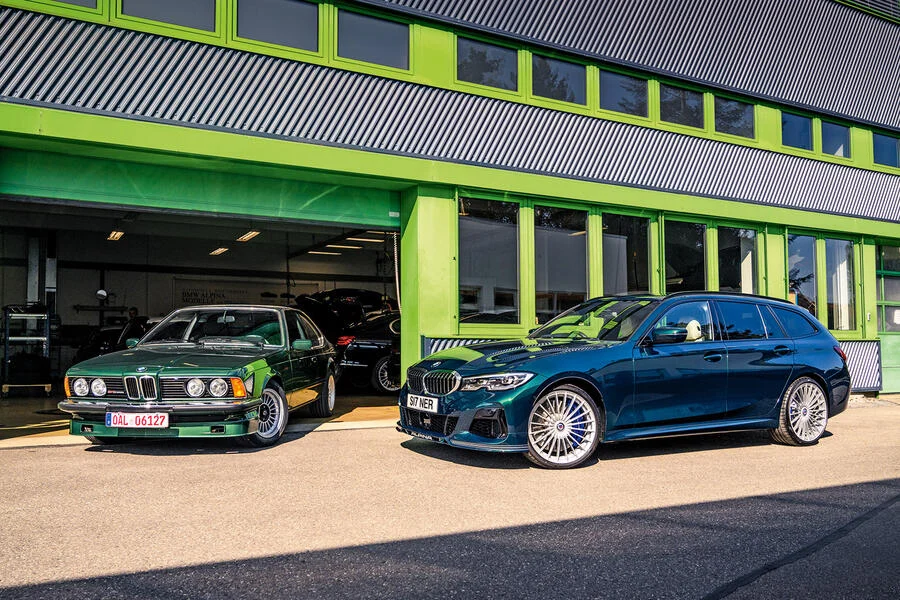
The automotive world recently witnessed a seismic shift with the formal acquisition of Alpina by BMW, a move that brings an end to decades of a unique and highly successful partnership. This landmark transaction, finalized earlier this year, integrates the esteemed Buchloe-based tuner into the broader BMW Group, marking a significant turning point for both entities and, crucially, for the Bovensiepen family, the custodians of the Alpina legacy. While the precise financial terms of the deal remain undisclosed, industry analysts widely anticipate it to be a substantial sum, reflecting Alpina’s premium positioning and strong brand equity within the performance car segment. The implications of this acquisition extend far beyond a simple change of ownership, prompting a deeper examination of Alpina’s future trajectory, the preservation of its distinctive identity, and the Bovensiepen family’s evolving role.
The genesis of Alpina traces back to 1961, when Burkard Bovensiepen, a visionary engineer and car enthusiast, founded the company. Initially focused on enhancing BMW engines, Alpina quickly gained a reputation for its meticulous craftsmanship, performance upgrades, and subtle yet impactful styling modifications. The company’s philosophy centered on refining BMW’s already excellent platforms to deliver a more engaging and refined driving experience, often surpassing factory M models in terms of torque, outright speed, and a unique blend of luxury and sporting prowess. This dedication to bespoke engineering and a discerning clientele allowed Alpina to carve out a niche that resonated deeply with automotive purists.
Over the ensuing decades, the relationship between BMW and Alpina evolved from a supplier-customer dynamic to a deeply intertwined collaboration. BMW provided the base vehicles, while Alpina applied its proprietary engineering expertise to create distinct models. This symbiotic relationship allowed Alpina to benefit from BMW’s manufacturing scale and technological advancements, while BMW, in turn, leveraged Alpina’s specialized tuning capabilities to offer unique, high-performance variants without directly competing with its own M division. This arrangement, formalized through various agreements over the years, ensured that Alpina vehicles were officially recognized and supported by BMW, further cementing their legitimacy and desirability.
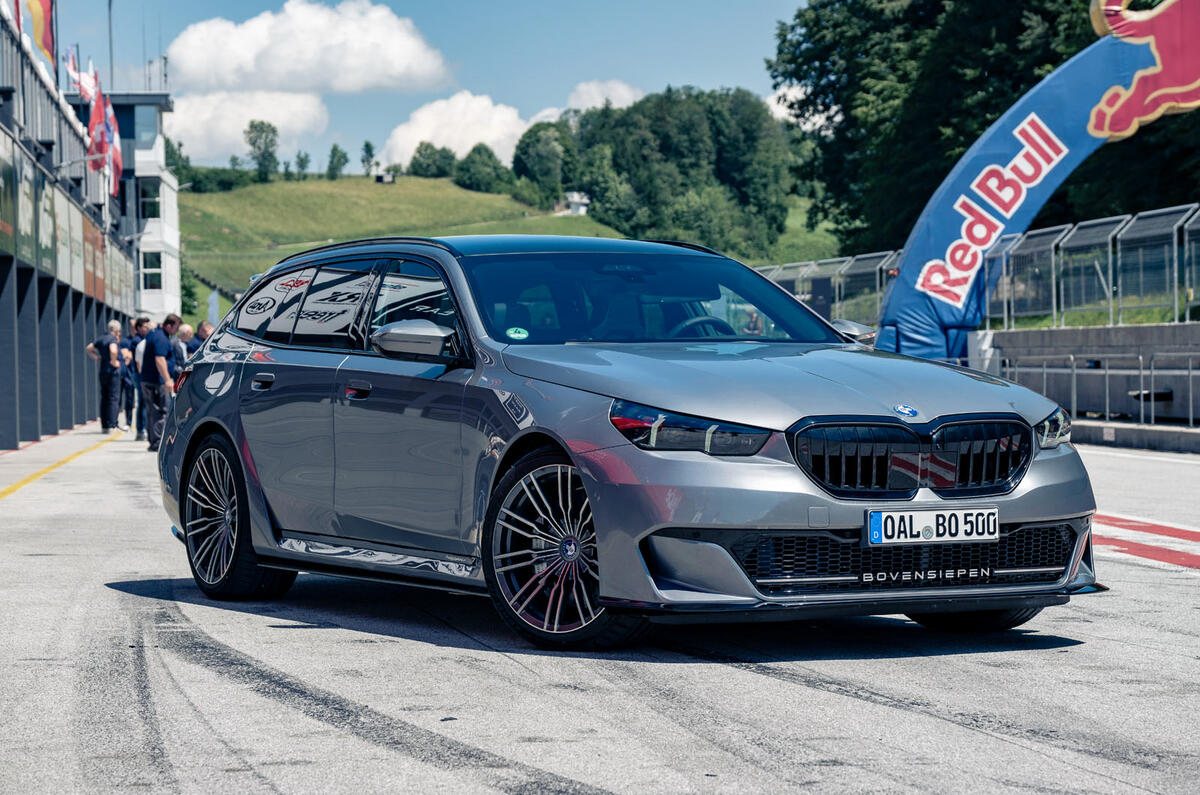
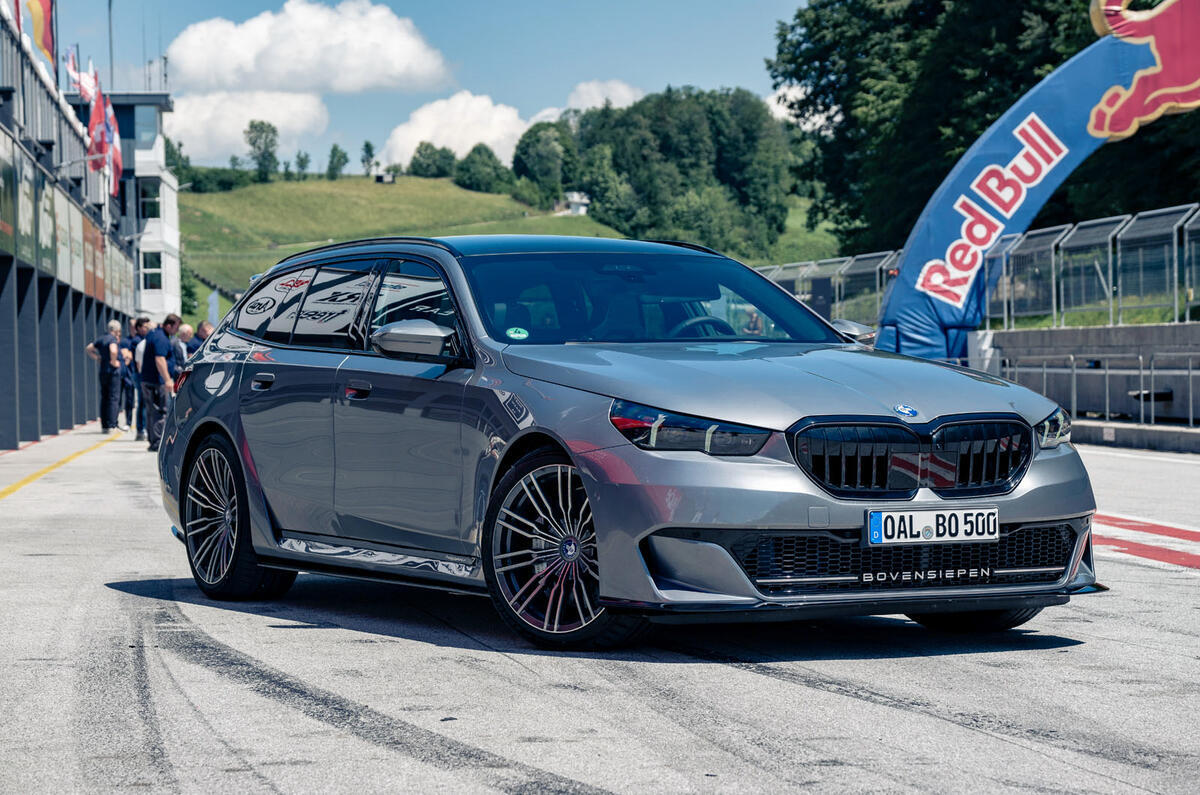
The decision to fully integrate Alpina into BMW Group, however, signals a new chapter. For the Bovensiepen family, it represents a profound moment, marking the culmination of a journey that began with Burkard Bovensiepen’s innovative spirit. Andreas Bovensiepen, son of the founder and a key figure in the company’s recent operations, recently offered a glimpse into the emotional and practical considerations surrounding this transition. His immediate recollection of a recent exhilarating drive in a Bovensiepen Zagato, achieving a remarkable 265 kph on the Salzburgring, speaks volumes about the enduring passion for performance that defines the family and the Alpina brand. This anecdote, delivered with a discernible sense of relish, underscores that while the corporate structure is changing, the core DNA of performance and engineering excellence remains deeply embedded.
The Road to Integration: A Chronology
The formal acquisition is the culmination of a long-standing and evolving relationship. Understanding the timeline provides crucial context:
- 1961: Burkard Bovensiepen establishes Alpina. The company initially focuses on improving BMW engines, with the famous "Alpina twin-carburetor kit" for the BMW 1500 marking an early success.
- 1964: Alpina begins developing chassis and suspension modifications, further enhancing BMW’s driving dynamics.
- 1970s: Alpina establishes its own racing team, achieving significant success and further solidifying its performance credentials. Notable victories include the European Touring Car Championship.
- 1983: Alpina is officially recognized as an automobile manufacturer by the German Federal Ministry of Transport, allowing it to produce its own distinct models with unique Vehicle Identification Numbers (VINs).
- 1990s-2000s: The partnership with BMW deepens. Alpina models are increasingly integrated into BMW’s sales and service networks, and collaboration on specific engine and chassis developments becomes more pronounced.
- Late 2010s: Discussions regarding a more formal integration begin to gain momentum. Factors such as increasing regulatory complexities, the rising cost of independent R&D, and the potential for greater economies of scale within BMW Group are believed to have played a role.
- 2020: BMW Group announces its intention to acquire Alpina. A licensing agreement is put in place to ensure continued production and development until the full acquisition is completed.
- 2026 (March): BMW Group officially confirms the completion of the acquisition. The existing licensing agreement is terminated, and Alpina operations, including its Buchloe manufacturing facility, become part of BMW Group.
This chronology highlights a gradual convergence, culminating in the full integration. The period between the announcement of intent and the finalization of the deal allowed for a managed transition, ensuring continuity for employees and customers alike.
Preserving the Alpina Ethos: Challenges and Opportunities
The immediate question following such a significant acquisition is the future of the Alpina brand’s unique identity. Historically, Alpina has operated with a degree of independence, allowing it to imbue its vehicles with a distinct character that differentiates them from standard BMWs and even M cars. Alpina models are renowned for their subtle yet potent performance enhancements, often characterized by increased torque, a more refined suspension setup, and luxurious interiors that blend sporting intent with opulent comfort. This delicate balance has cultivated a fiercely loyal customer base.
BMW Group has publicly stated its commitment to preserving the Alpina brand’s essence. Oliver Zipse, Chairman of the Board of Management of BMW AG, emphasized the shared values of performance, exclusivity, and craftsmanship. However, the practicalities of integrating a niche manufacturer into a global automotive giant present inherent challenges. Maintaining the bespoke manufacturing processes and the artisanal touch that defines Alpina will require careful consideration. The risk of homogenization, where the unique Alpina character is diluted by the broader BMW corporate identity, is a genuine concern for enthusiasts.
The integration offers significant opportunities as well. Alpina will gain access to BMW’s vast research and development resources, potentially accelerating the development of new technologies and performance innovations. The global BMW sales and service network will provide Alpina with a wider reach, allowing it to tap into new markets and a broader customer base. Furthermore, the financial stability and scale of BMW Group can bolster Alpina’s long-term sustainability, particularly in an era of rapidly evolving automotive technologies, such as electrification and autonomous driving.
The Bovensiepen Family’s Evolving Role
For the Bovensiepen family, the acquisition marks a transition from direct ownership and operational leadership to a potential advisory or stewardship role. Andreas Bovensiepen’s recent drive and his immediate recall of performance metrics suggest that the family’s passion for automotive engineering remains undimmed. It is plausible that members of the Bovensiepen family will continue to contribute their expertise and vision to Alpina, perhaps in roles focused on product development, brand strategy, or as brand ambassadors.
The statement from Alpina regarding the acquisition highlighted the family’s deep emotional connection to the brand and its employees. While the precise nature of their future involvement is yet to be fully detailed, it is likely to be a continuation of their dedication to the principles that have defined Alpina for over six decades. The family’s legacy is intrinsically linked to the brand’s success, and their continued involvement, in whatever form it takes, will be crucial in ensuring the preservation of its unique character.
Supporting Data and Market Context
The automotive performance tuning market is a significant, albeit niche, segment. Alpina has consistently occupied the premium end of this spectrum. Historically, Alpina has produced a limited number of vehicles annually, typically in the low thousands. For example, in recent years, annual production figures have hovered around the 1,500 to 2,000 mark. This exclusivity has contributed to their desirability and strong resale values.
The acquisition by BMW is not unprecedented. Similar strategic moves have been observed in the automotive industry as manufacturers seek to consolidate specialized expertise and secure niche market positions. For instance, Mercedes-Benz’s acquisition of AMG in the late 1990s and early 2000s transformed the renowned tuner into an integral part of the Mercedes-Benz brand, leading to the creation of highly successful performance models. While Alpina’s operational scale is considerably smaller than AMG’s was at the time of its integration, the strategic rationale bears resemblance.
The global market for high-performance vehicles remains robust, driven by a segment of consumers who value exclusivity, driving dynamics, and superior engineering. Alpina has successfully tapped into this market by offering a distinct alternative to both standard BMWs and factory M cars. The acquisition allows BMW to leverage Alpina’s reputation and expertise to further enhance its overall performance portfolio and cater to a discerning clientele seeking something beyond the mainstream.
Broader Implications for the Automotive Landscape
The integration of Alpina into BMW Group has several broader implications for the automotive industry:
- Consolidation of Niche Brands: This move signals a trend towards consolidation within the automotive sector, where larger manufacturers are increasingly acquiring smaller, specialized companies to acquire unique technologies, brand equity, and market segments.
- Evolution of Performance Divisions: The acquisition could lead to a clearer delineation of roles between BMW’s M division and the integrated Alpina brand. While M cars are typically positioned as more overtly sporty and track-focused, Alpina has historically offered a more refined, subtly powerful, and luxurious interpretation of performance. This distinction is likely to be maintained.
- Impact on Independent Tuners: The success of Alpina’s integration may influence other independent tuners and manufacturers. Some might seek similar partnerships for stability and growth, while others may double down on their independence to maintain their unique identities.
- Customer Perception and Brand Loyalty: The long-term success of this integration will hinge on BMW’s ability to maintain customer trust and brand loyalty. Enthusiasts are often deeply attached to the specific characteristics of brands like Alpina, and any perceived dilution of these attributes could alienate the existing customer base.
In conclusion, the acquisition of Alpina by BMW represents a pivotal moment, signifying the end of an era for the independent tuner and the beginning of a new chapter under the BMW Group umbrella. While the Bovensiepen family transitions from direct ownership, their legacy and passion for performance are expected to continue influencing the brand. The challenge for BMW will be to harness Alpina’s unique strengths and heritage while integrating it seamlessly into its global operations, ensuring that the distinctive Alpina ethos thrives for generations to come. The automotive world will be watching closely to see how this storied partnership evolves.