The decision regarding Mini’s future platform strategy will have significant ramifications for the petrol-powered Cooper, which is expected to continue through the 2030s, potentially incorporating hybrid powertrains while retaining front-wheel drive. Although they share a fundamental design ethos, the current petrol Cooper represents an overhauled iteration of the previous generation, whereas the electric Cooper is built upon a platform developed through a joint venture in China. Opting for a new, unified BMW architecture could introduce a more pronounced divergence in the visual identity between the two model lines.
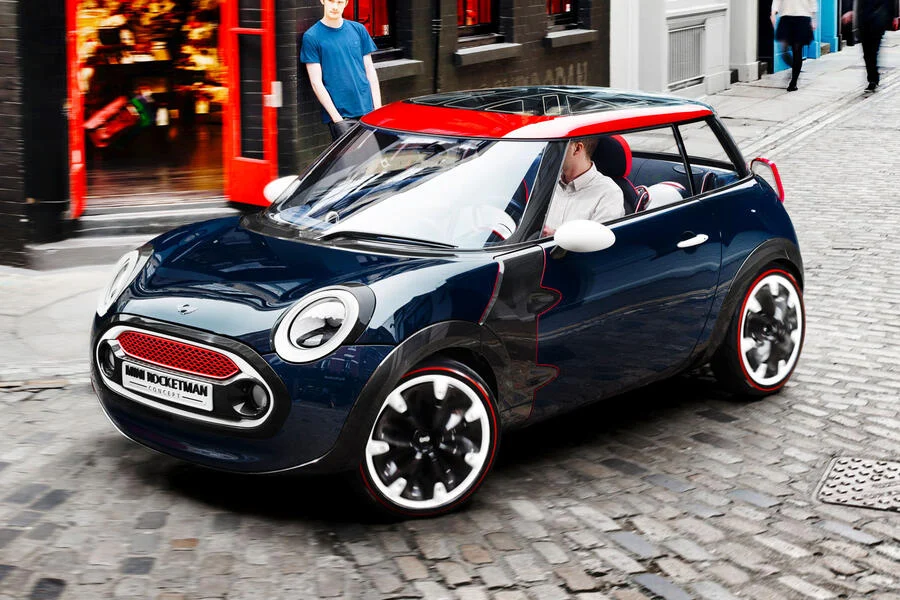
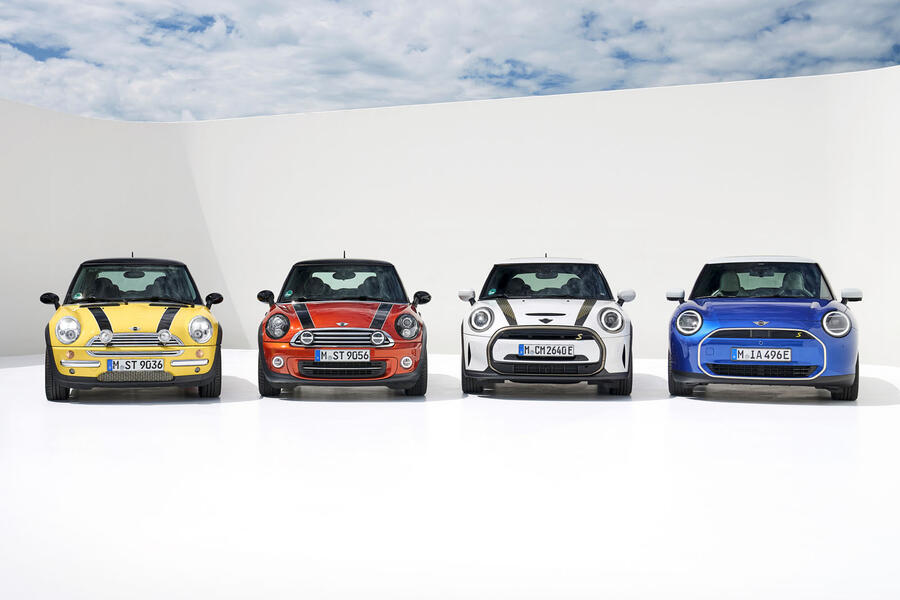
Despite any potential technical evolution, Andreas Lampf, Mini’s Head of Design, has expressed a strong commitment to preserving the brand’s unmistakable visual identity. "You can ask a Brit, a German, or an Italian; you can ask a five-year-old, and they will recognize a Mini based on the proportions of the car," Lampf stated in an exclusive interview with Autocar. "Especially when it comes to the three-door hatch, it’s a very short car with wheels at its corners, short overhangs, complemented by signature elements such as its facial impression. This is the most important aspect to me: the combination of round headlights and grille."
Lampf further elaborated on the design philosophy for future iterations of the flagship hatch, asserting, "Every five-year-old will know this is a Mini. It’s my job to treat it with respect." He emphasized that maintaining the Mini’s distinctive proportions is his "number-one" priority and is "non-negotiable." This steadfast adherence to core design principles underscores Mini’s long-standing commitment to a retro-inspired aesthetic, a philosophy that is set to influence the next generation of the hatchback. Lampf indicated that this new generation will draw inspiration from the ‘R50’, the pioneering BMW-era Mini launched in 2001.
"Many people today may not have a direct recollection of the classic Mini, but they do have a memory of one of the Minis we have produced under BMW’s ownership over the past 25 years," Lampf explained. "I will ensure that we connect with this heritage. This is not to say we will become vintage; not at all. It’s a modern interpretation of what we’ve accomplished: a clever use of space, perhaps some smile-inducing surprises within the car, and certainly a touch of Britishness."
The Evolution of Mini’s Design Language
The Mini brand has consistently leveraged its rich heritage, with its design language evolving rather than undergoing radical overhauls. The original Mini, launched in 1959 by the British Motor Corporation, was a revolutionary design for its time, characterized by its compact dimensions, transverse engine layout, and space-efficient interior. This foundational design principle of maximizing interior space within a small footprint has remained a cornerstone of the Mini identity.
Under BMW’s stewardship since 1994, the brand underwent a significant revival. The introduction of the first BMW Mini, the R50, in 2001 marked a successful reinterpretation of the classic Mini for the modern era. It retained the iconic silhouette, the distinctive grille, and the round headlights, while incorporating contemporary safety features, improved performance, and a more premium interior. This approach proved highly successful, resonating with a global audience that appreciated the blend of nostalgia and modern engineering.
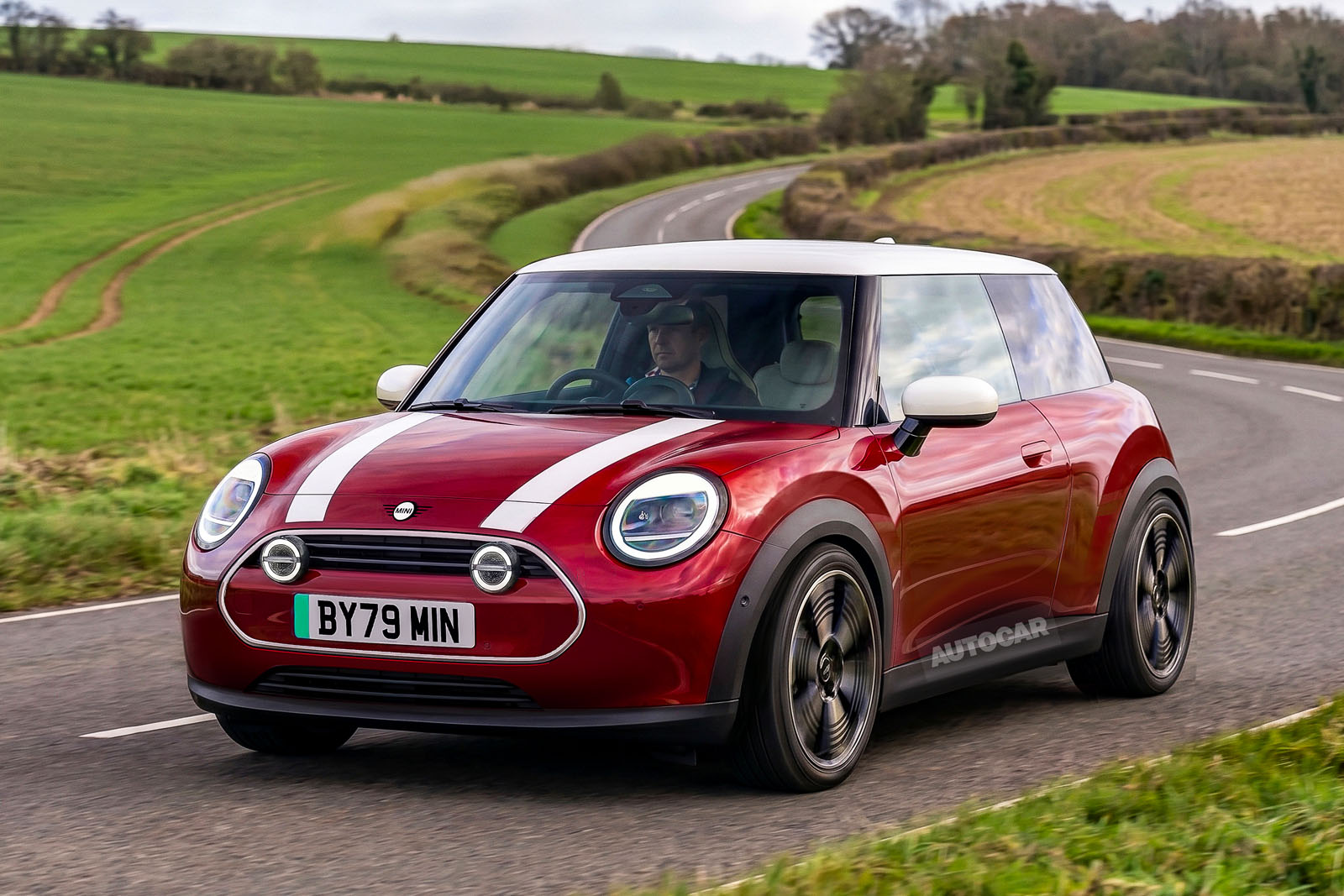
The current generation of the Mini Cooper, while sharing a fundamental design lineage, has seen further refinement and technological integration. The divergence between the petrol and electric models, particularly with the latter utilizing a dedicated EV platform developed with Chinese partner Great Wall Motor (under the Spotlight Automotive joint venture), presents a new challenge for designers. The decision to adopt a unified BMW architecture for future models, as suggested, could lead to a more pronounced differentiation in styling cues between ICE and EV variants, potentially allowing for greater aerodynamic optimization and packaging flexibility in the electric models, while still ensuring the core Mini DNA is present in both.
Maintaining Iconic Proportions: A Designer’s Mandate
The assertion by Andreas Lampf that the fundamental proportions of the Mini are "non-negotiable" speaks to the brand’s strategic reliance on its established visual identity. The iconic silhouette of the Mini – its short overhangs, wheels pushed to the corners, and compact, upright stance – is instantly recognizable and forms the bedrock of its appeal. This consistent visual language has been instrumental in building and maintaining brand loyalty over decades.
- Wheels at Corners: This design element maximizes interior space relative to the exterior footprint, a hallmark of the original Mini’s practicality and a key characteristic of the modern iterations.
- Short Overhangs: Minimizing the bodywork ahead of and behind the wheels contributes to the car’s squat, purposeful stance and enhances its agile appearance.
- Facial Impression: The combination of round headlights and the distinctive grille is arguably the most recognizable "face" in the automotive world. This element is crucial for conveying personality and approachability.
Lampf’s reference to a five-year-old’s ability to identify a Mini underscores the universality of its design. This suggests that any future styling will be an evolution, not a revolution, of the current look, ensuring that the core visual cues remain intact. This strategy aims to connect with both long-time enthusiasts who remember earlier generations and new customers drawn to the brand’s unique character.
Connecting with Heritage: The ‘R50’ Influence
The explicit mention of drawing inspiration from the ‘R50’ is particularly significant. This first-generation BMW Mini is widely credited with successfully relaunching the brand and establishing its modern identity. Many contemporary Mini owners and potential buyers would have grown up with or experienced the ‘R50’ and its subsequent iterations (R53, R56, etc.) rather than the original Alec Issigonis design.
This approach allows Mini to tap into a more recent, yet still established, period of its history. The ‘R50’ era is associated with a period of resurgence and renewed popularity for the brand, characterized by a playful yet sophisticated interpretation of retro styling. Elements such as the distinct dashboard layout, the signature toggle switches, and the overall characterful design of the ‘R50’ could be revisited and reinterpreted.
"Connecting to this past" doesn’t necessarily imply a direct imitation of vintage styling. Instead, it suggests an incorporation of the spirit and philosophy behind those designs. This could manifest in:
- Clever Interior Packaging: Continuing the tradition of maximizing space and offering innovative storage solutions.
- Playful Design Details: Incorporating subtle nods to past models or unexpected design flourishes that evoke a sense of fun and personality, often referred to as "smile-creating surprises."
- Britishness: This can be interpreted in various ways, from subtle styling cues reminiscent of classic British design to the brand’s inherent character and perhaps even collaborations or inspirations drawn from British culture.
The Implications for Petrol and Electric Variants
The decision on platform strategy has direct implications for the longevity and differentiation of the petrol-powered Cooper. The prospect of it continuing through the 2030s, possibly with hybrid powertrains, suggests a commitment to offering internal combustion engine (ICE) options for a considerable period, catering to markets or customer segments where full electrification may not yet be the primary choice.
However, the technical divergence between a bespoke EV platform (like the current electric Cooper’s) and a unified BMW architecture (potentially shared with other BMW Group models) could lead to greater visual and functional differences between the petrol and electric Coopers. If the unified platform is primarily designed with electrification in mind, adapting it for ICE powertrains might necessitate compromises in packaging or styling compared to a platform designed from the ground up for both. Conversely, a platform designed for flexibility could allow for distinct visual identities that still adhere to the core Mini DNA.
The challenge for Mini’s design team, led by Lampf, will be to ensure that despite potential platform differences, the visual continuity and brand recognition remain paramount. The "non-negotiable" proportions and signature elements will serve as the unifying threads, ensuring that whether powered by petrol, hybrid, or electricity, every car bearing the Mini badge is unmistakably a Mini.
Broader Market Context and Future Outlook
Mini’s strategic decisions are taking place against a backdrop of significant transformation in the automotive industry. The global shift towards electrification is accelerating, with many manufacturers setting ambitious targets for phasing out ICE vehicles. Mini, as part of the BMW Group, is also committed to this transition. However, the brand’s unique positioning, with its strong heritage and appeal to a diverse customer base, necessitates a nuanced approach.
The continued development of petrol and hybrid variants alongside a growing electric lineup reflects an understanding that market adoption of EVs will vary by region and customer preference. This dual-pronged strategy allows Mini to remain competitive and relevant across different segments of the market.
The emphasis on design continuity also speaks to a broader trend of brands leveraging their heritage to create emotional connections with consumers. In an increasingly homogenized automotive landscape, distinctive styling and a strong brand identity can be powerful differentiators. Mini’s ability to consistently deliver on this front, while embracing new technologies, will be crucial to its future success.
As Mini navigates this complex future, its design team faces the delicate task of balancing tradition with innovation. The commitment to maintaining the iconic proportions and signature visual cues, while drawing inspiration from its rich past and adapting to new technological realities, positions the brand to continue its legacy as a purveyor of distinctive, characterful, and beloved small cars. The upcoming generations of the Mini Cooper are poised to be a testament to this carefully crafted evolution, ensuring that the spirit of Mini remains as vibrant and recognizable as ever.