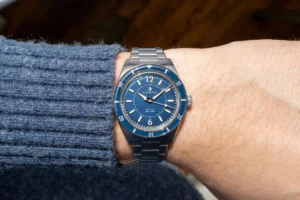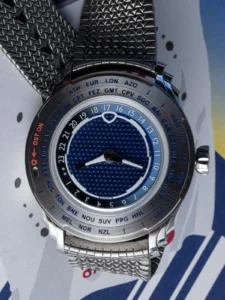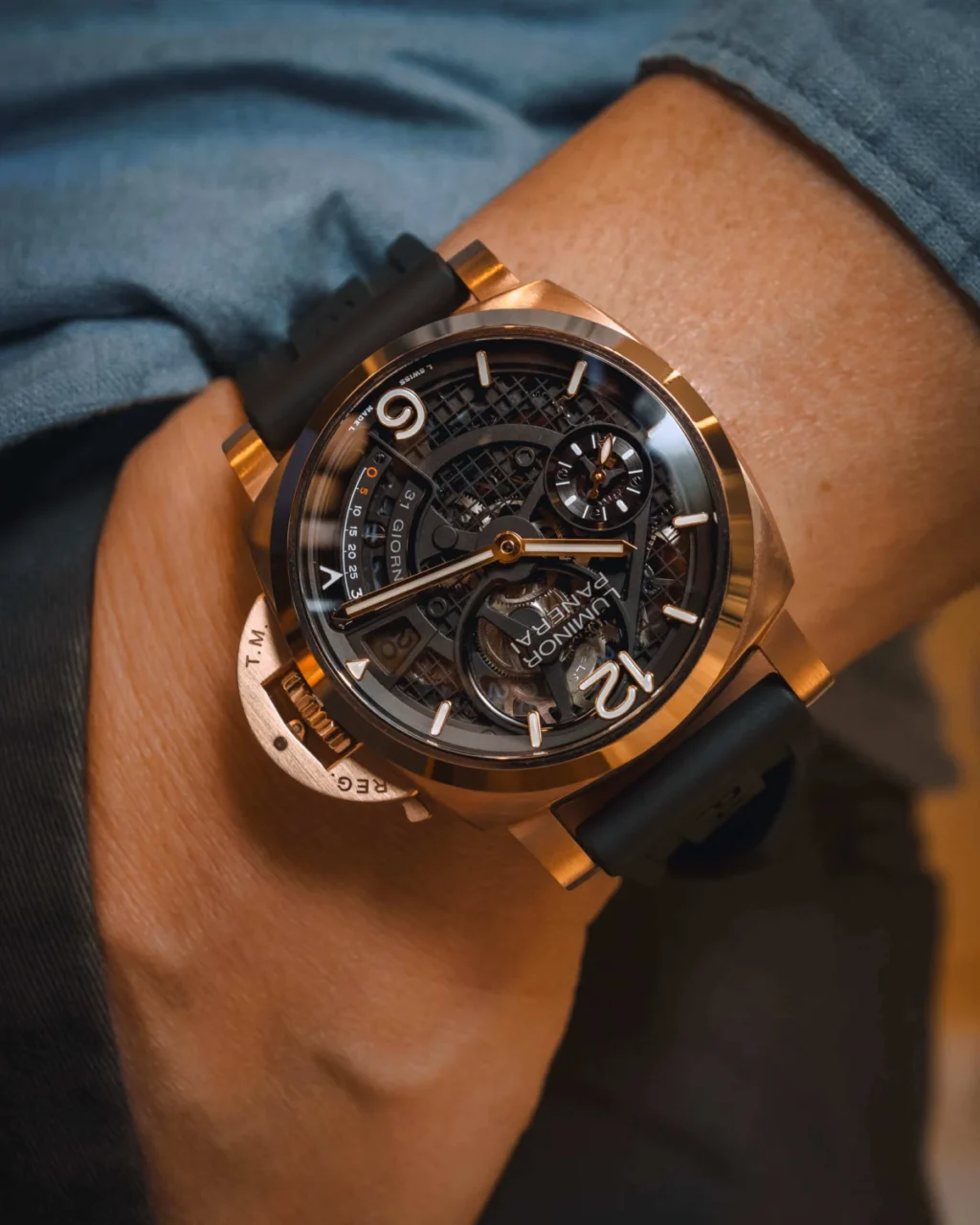
For nearly two decades, observing the intricate world of wristwatch collector culture has revealed a surprising truth: no topic elicits more passionate debate than a watch’s size. This isn’t merely about personal taste or anatomical fit; it delves into broader aesthetic determinations of how large or small a timepiece design should be. Preferences are deeply held, encompassing both the dimensions individuals wish to wear and their opinions on what currently produced watches ought to measure. This article aims to illuminate the dynamic nature of watch size preferences and to assure enthusiasts that their individual inclinations are valid, regardless of prevailing trends. While popular case sizes exist, the concept of a universally "perfect" watch size remains elusive. The aesthetic success and comfort of a timepiece are intrinsically linked to its design proportions, meaning a 38mm watch might be ideal for one design, while another might find its optimal balance at 44mm. Crucially, the same individual with the same wrist can appreciate both, provided the underlying design is well-executed and ergonomic.
The Evolution of Wristwatch Dimensions: From Utility to Statement Piece
The watch industry, recognizing the diverse needs and desires of its clientele, has long offered a variety of case sizes. While not analogous to clothing sizes, this practice makes sound business sense, acknowledging the spectrum of wrist dimensions among consumers. However, purchase decisions are not always dictated solely by fit. Unlike footwear, where a precise fit is paramount, most watch collectors can comfortably wear a range of sizes, within practical limits. The notion of a watch being "too small" or "too large" is a genuine concern. A watch case exceeding the width of one’s wrist, including the lugs, is generally considered too large, akin to wearing ill-fitting garments. A common guideline suggests that if a watch’s case and lugs extend beyond the wrist’s natural width, it likely overpowers the wearer.
Technical Advancements: Enabling the Diversity of Watch Sizes
The technical capacity to produce watches in a wide array of sizes is largely a product of the miniaturization era. Modern watch movements, both mechanical and electronic, are remarkably compact. This technological advancement grants manufacturers significant latitude in case design, as watches are often made larger than strictly necessary to house their internal mechanisms. This extra space is frequently utilized for aesthetic or design purposes rather than functional necessity, allowing brands considerable creative freedom in determining product dimensions.

Historically, wristwatch sizes were considerably smaller than contemporary standards. In the early 20th century, as wristwatches emerged as a distinct product category, their diminutive size was a deliberate strategy to differentiate them from pocket watches. Early watchmakers sought to offer compelling reasons for consumers to adopt this novel form of timekeeping. Simply attaching straps to pocket watch cases proved insufficient for mainstream appeal. The 1920s, for instance, saw an emphasis on miniaturized movements and redesigned cases specifically for wrist wear. This era of miniaturization was crucial; pocket watch movements were not optimized for the dynamic demands of the wrist. Early wristwatches competed by being smaller and possessing unique styling, ultimately contributing to the decline of pocket watch prevalence.
Throughout much of the 20th century, both men’s and women’s wristwatches were considered modest in size by today’s standards. Until the 1960s, mechanical watches prioritized thinness and discretion. The advent of electronic and quartz movements further enabled size reduction. It wasn’t until the 1970s, with the emergence of larger sport watches, that the "fashionably large" timepiece began to gain traction. Even then, the average men’s watch from the 1970s to the 1990s typically measured 40mm or less, with women’s watches being comparatively smaller.
The Dawn of the Accessory Era: Watches Beyond Timekeeping
A pivotal shift occurred with the widespread adoption of mobile phones and the ubiquitous presence of clocks in everyday environments. By the 1990s, the necessity of wearing a wristwatch solely to tell time diminished. When timekeeping was the primary function, watch size and dimensions were driven by practicality and convenience, ensuring the device did not impede daily activities. This consumer approach began to change as reliance on wristwatches for time indication waned.
The Rise of the Wristwatch as a Fashion Statement and the "Big Watch" Phenomenon
The decline of the wristwatch’s functional necessity paved the way for its evolution into a conscious accessory. This trend, which began in the 1990s, accelerated in the early 2000s. The widespread adoption of mobile phones meant that individuals who chose to wear watches did so by preference, not necessity. These wearers typically fell into two categories: the steadfast traditionalists who maintained their habit, and those embracing the wristwatch as a statement piece.
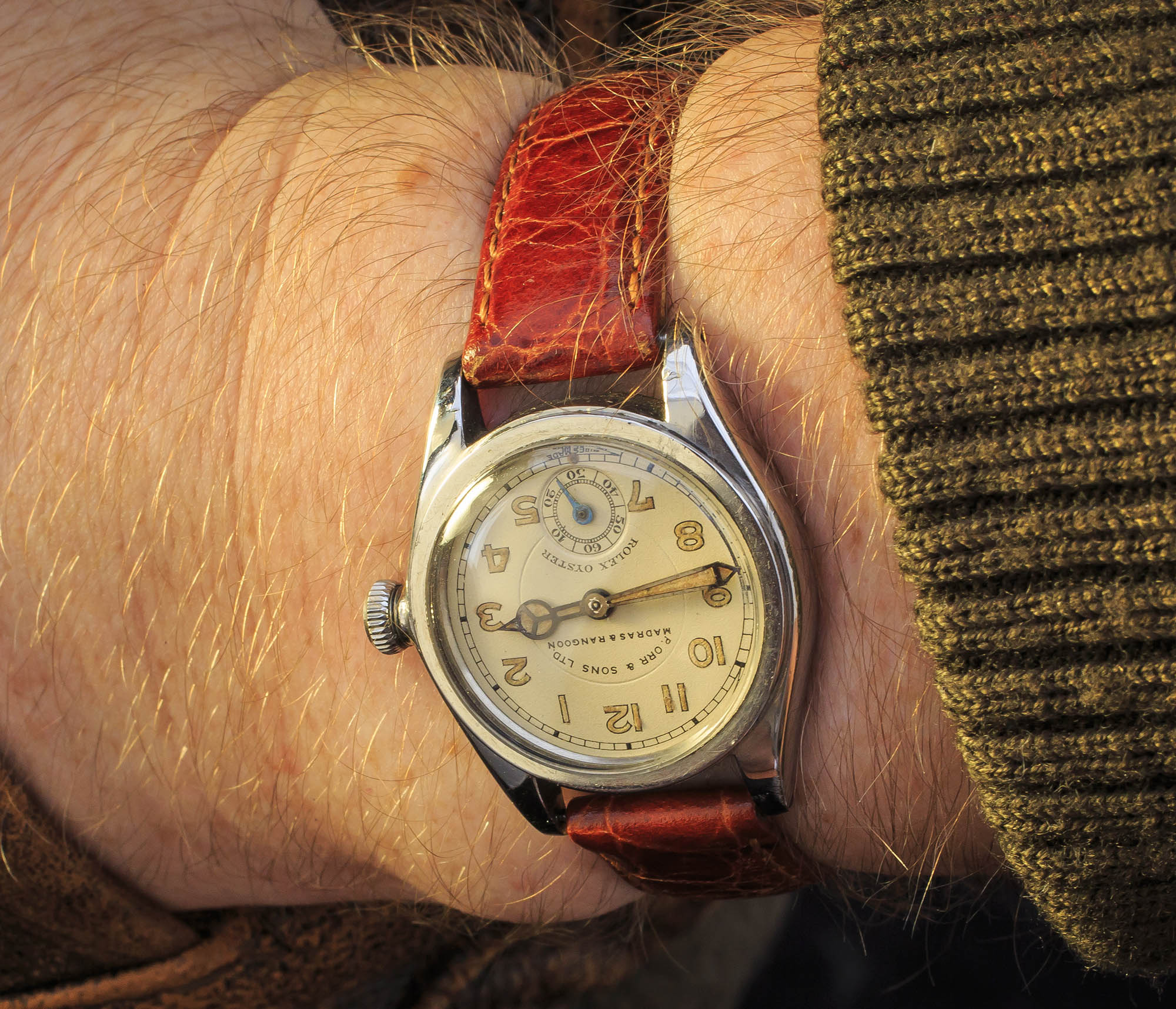
The latter group, particularly around the turn of the 21st century, was instrumental in fueling the "big watch craze." For roughly 15 to 20 years, watch brands heavily favored large to very large case sizes. This phenomenon was driven by the wristwatch’s transition from a purely functional item to a powerful signifier of personal style, status, and accomplishment. Much like choosing a car or apparel, a wristwatch began to communicate aspects of the wearer’s lifestyle and personality. While luxury timepieces as status symbols existed for decades, the 2000s saw the wristwatch become a more intricate and nuanced emblem of success. For status symbols to be effective, they often benefit from high visibility. This simple principle directly contributed to the increasing preference for larger watch dimensions.
The consumer appetite for larger watches opened significant commercial avenues for the industry. Traditional watchmaking embraced this trend by developing more complex and expensive movements to fit these larger cases. In mechanical watchmaking, crafting intricate yet compact movements is a significant technical challenge. Larger cases offered more space, facilitating the integration of greater complexity and a higher number of components without encountering as many physical limitations. Watchmakers welcomed this shift, as it provided greater artistic and technical freedom to explore new materials, price points, and stylistic expressions. In the 2000s, consumers gravitated towards larger watches for their enhanced visibility and expressive potential, while brands responded by developing new products to meet this burgeoning demand.
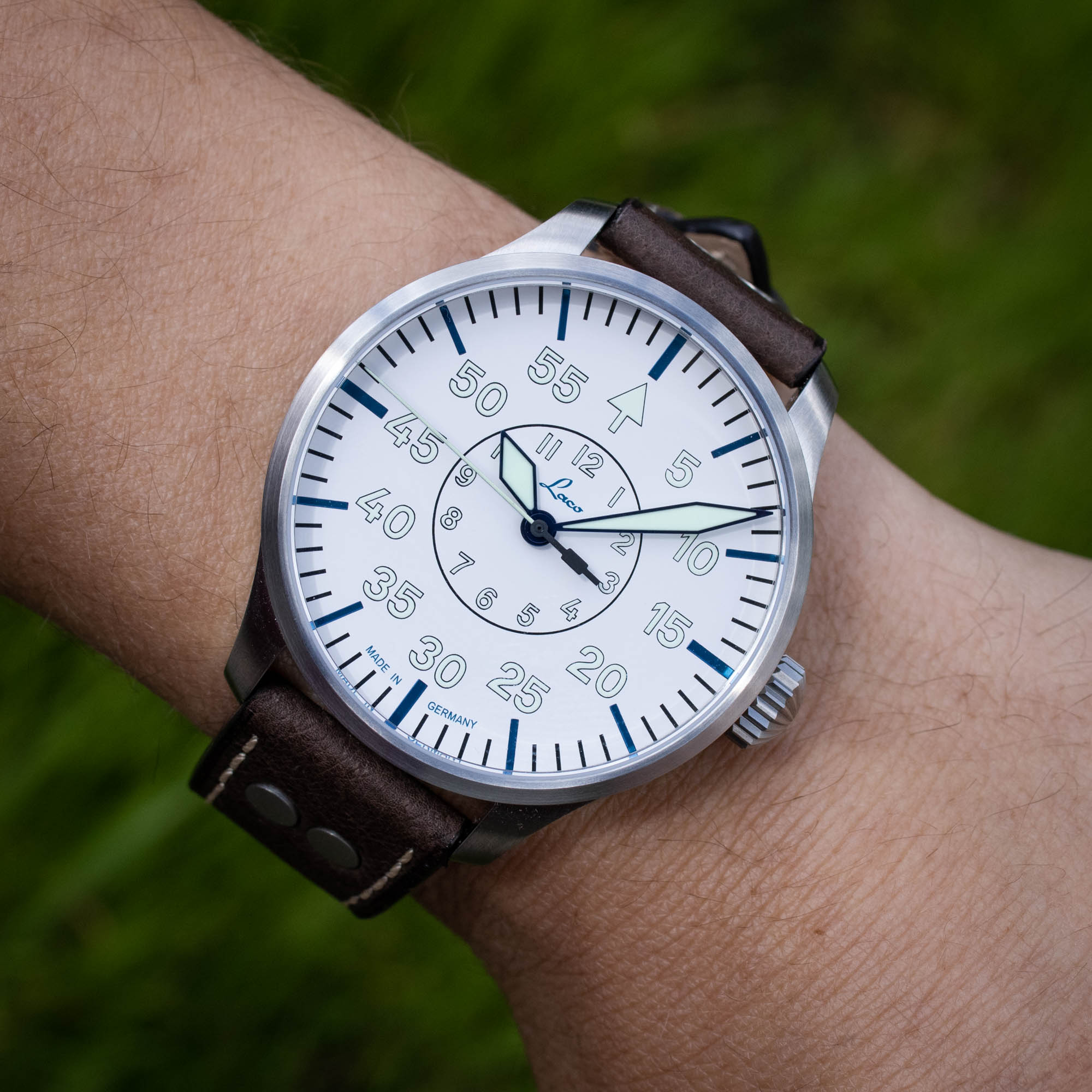
During this period, many men considered smaller watches to be "nice but too small," and even women began adopting larger, traditionally male-designed watches. From approximately 2000 to 2015, a medium-sized men’s watch was typically between 40mm and 42mm, with large watches starting around 44mm and extending to nearly 50mm. New men’s watches under 40mm were uncommon. This trend represented a departure from the simpler designs of the 1980s and 1990s, with larger cases allowing for more intricate detailing and artistic expression.
The Return to Tradition: The Resurgence of Smaller Case Sizes
As of the mid-2020s, the conversation around watch sizes has undergone a significant transformation, echoing the cyclical nature of fashion. After nearly two decades of dominance by larger timepieces, the pendulum has swung back towards smaller watches. This resurgence encompasses not only a return to "traditional" men’s sizes (around 36-39mm) but also even more diminutive dimensions. In this era of fashion experimentation, it’s not uncommon to see men wearing women’s watches, both new and vintage, as a deliberate style choice.

While this shift might appear as a direct rejection of the "big watch" culture, it is also influenced by a confluence of other factors. In times of economic uncertainty, overt displays of conspicuous consumption can be less socially palatable. A large watch, often a significant investment, can be perceived as a bold statement of wealth. Many individuals now prefer to project a more understated image, opting for equally luxurious but less ostentatious timepieces. Furthermore, larger watches can be physically uncomfortable for extended wear, with many finding watches exceeding 42mm (or even smaller) to be less ergonomic. Large watches also present practical challenges, such as difficulty fitting under shirt cuffs and a higher propensity for accidental impacts. Many collectors have grown weary of the constant vigilance required for larger watches, appreciating the convenience and comfort of a more compact design.
Another significant factor contributing to the decline in the popularity of oversized watches is the diminished emphasis on complex complications among many collectors. While intellectual appreciation for complex mechanisms persists, the practicality and financial justification for investing substantial sums in large, potentially fragile, and cumbersome watches have diminished. Many of the most popular watches of the preceding decade were "time-only" models with minimal complications. Movements dedicated solely to timekeeping are typically more compact. High-end watchmakers, however, have responded to this trend by reintroducing smaller, complicated movements, a specialized area mastered by a select few firms.
The past two decades have also witnessed a surge in the popularity of collecting vintage wristwatches, which inherently tend to be smaller than contemporary designs. Vintage watches, once a niche interest, gained traction as a more accessible alternative to new, high-priced timepieces. This trend was fueled by rapidly escalating prices for new watches, making older models with prestigious brand names a more attainable option. This era saw vintage watch prices rise as inventory dwindled. In response, modern luxury watch brands began to emulate vintage designs. While the initial fervor for authentic vintage watches has subsided, contemporary vintage-styled watches have gained prominence, with many new releases deliberately evoking the aesthetics of past eras.
The Future of Watch Sizes: A Cyclical Normalization
The current trend towards smaller watches is unlikely to represent an extreme departure. Just as some watches were previously considered excessively large, the market is likely to experience a period where some smaller watches may also prove to be too diminutive. The absence of clearly defined market boundaries means that consumer preferences remain somewhat unpredictable. Watch brand marketers continuously strive to anticipate future demand for sizes and styles, engaging in a process of constant experimentation. The market will likely continue to feature watches that are too large, too small, and, ideally, a healthy proportion of those that strike a balanced and pleasing aesthetic. This pursuit of well-proportioned and aesthetically pleasing watch design is why enduring designs are so highly celebrated within the enthusiast community.
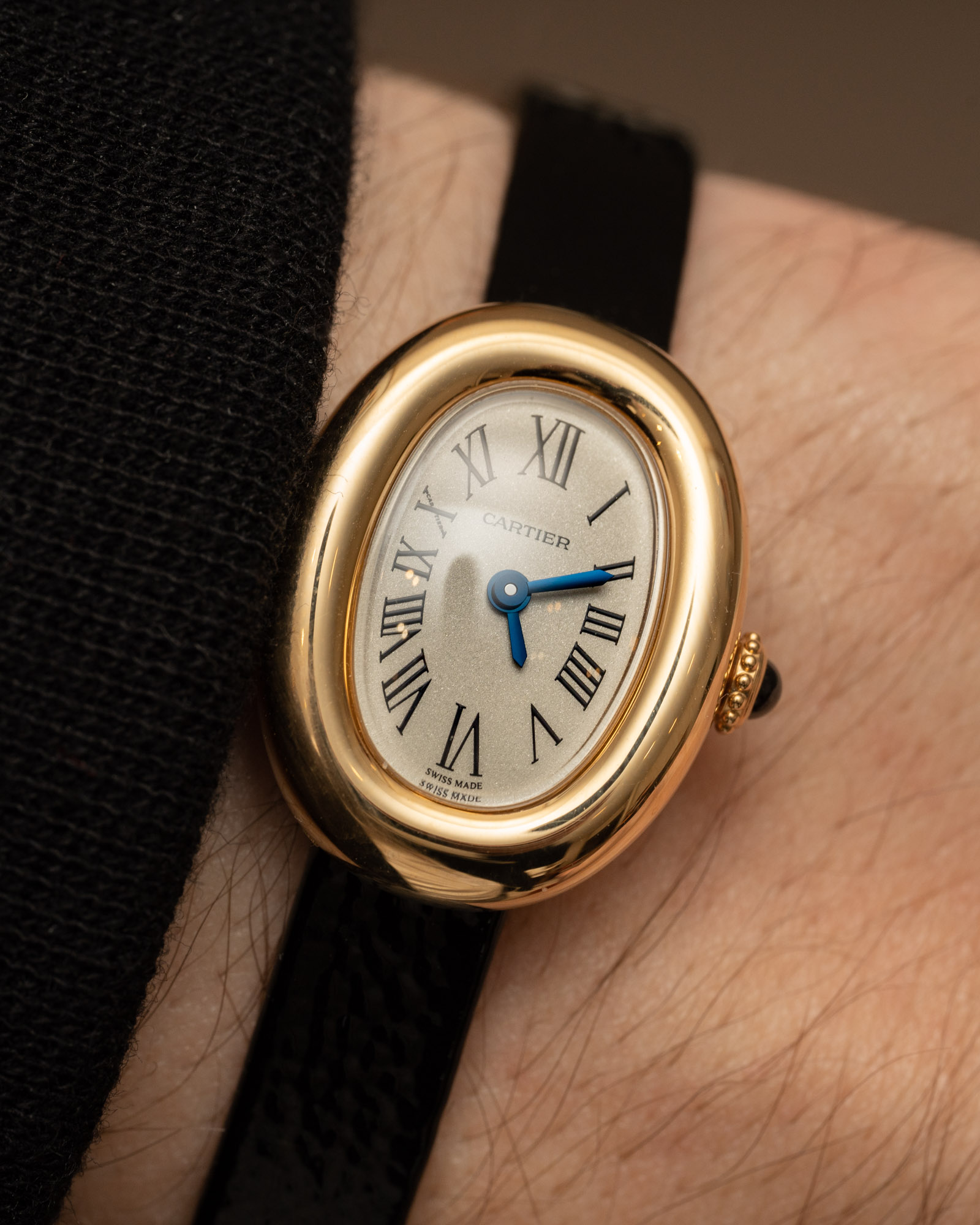
While the trend for smaller watches may persist for at least another five years, a normalization of case sizes is anticipated. Surveys of watch enthusiasts, such as those conducted by aBlogtoWatch, consistently indicate that most men prefer watches in the 38mm to 42mm range. Within this range, individuals may appreciate both 38mm and 42mm options, as case shape often plays a more significant role in comfort and ergonomics than sheer diameter. Collectors typically do not adhere to rigid size limitations for every purchase; instead, they prioritize how a watch looks and feels on their wrist.
The subjective nature of watch perception is a fascinating psychological aspect. A wearer might perceive a watch as perfectly sized, while an observer from a different angle might consider it too small. This subjective experience can also evolve over time. A collector who once admired a larger watch might, in a subsequent fashion era, find the same timepiece to be excessively large. This shift in taste is common, as is the divergence of opinion between individuals regarding the perceived size of the same watch, further complicating definitive pronouncements on ideal case dimensions for specific anatomies.
Ultimately, the popularity of specific watch case sizes appears to be more closely correlated with cultural and fashion trends than with inherent practicality or functionality. The watch-making and wearing culture has demonstrably shifted size preferences over the past quarter-century, and this evolution is likely to continue. Future trends may see a resurgence of larger watch designs, potentially emerging from major brands within the next five to ten years, or even sooner.
For watch enthusiasts, the debate over case size can become deeply ingrained in their identity. The passionate defense of specific millimeter measurements often stems from deeply held beliefs. However, this need not be the case. A well-curated watch collection often benefits from a diversity of case sizes, shapes, and styles. Adhering to a single case size or profile can limit the breadth of one’s horological appreciation. The author’s own diverse wearing habits, encompassing a wide range of case sizes and styles worn with equal enthusiasm, underscore the myth of a singular "perfect watch case size."
Designing for Proportion: Case Size as an Extension of Design
For watch brands and designers grappling with future product development, the emphasis should not solely be on predetermined case sizes or price points. Instead, case size should ideally emerge as an extension of the visual design and overall proportions of the timepiece. Some designs inherently lend themselves to smaller dimensions, while others are best realized at a larger scale. Few designs scale effectively in both directions without compromise. The primary goal should be to create a compelling design on paper or in CAD, then to prototype and determine the optimal size and proportions through practical realization. Initiating a design by fixing a case size is often counterproductive; it is more effective to develop a design and subsequently ascertain the dimensions that best flatter its three-dimensional form.
The future landscape of watchmaking may indeed present a proliferation of watches with less-than-ideal proportions, as achieving the perfect balance of size and design remains a significant challenge. This, however, contributes to the thrill of the hunt for the next timepiece. The advice for collectors is to search for designs that resonate, and then to test them on the wrist to assess their visual appeal and tactile comfort. Ultimately, perhaps the wisest approach to watch case sizing is to largely disregard it as a primary selection criterion. The search for a watch should begin with a design that captivates, and the assessment of its size and feel should follow, ensuring a harmonious integration with the wearer.