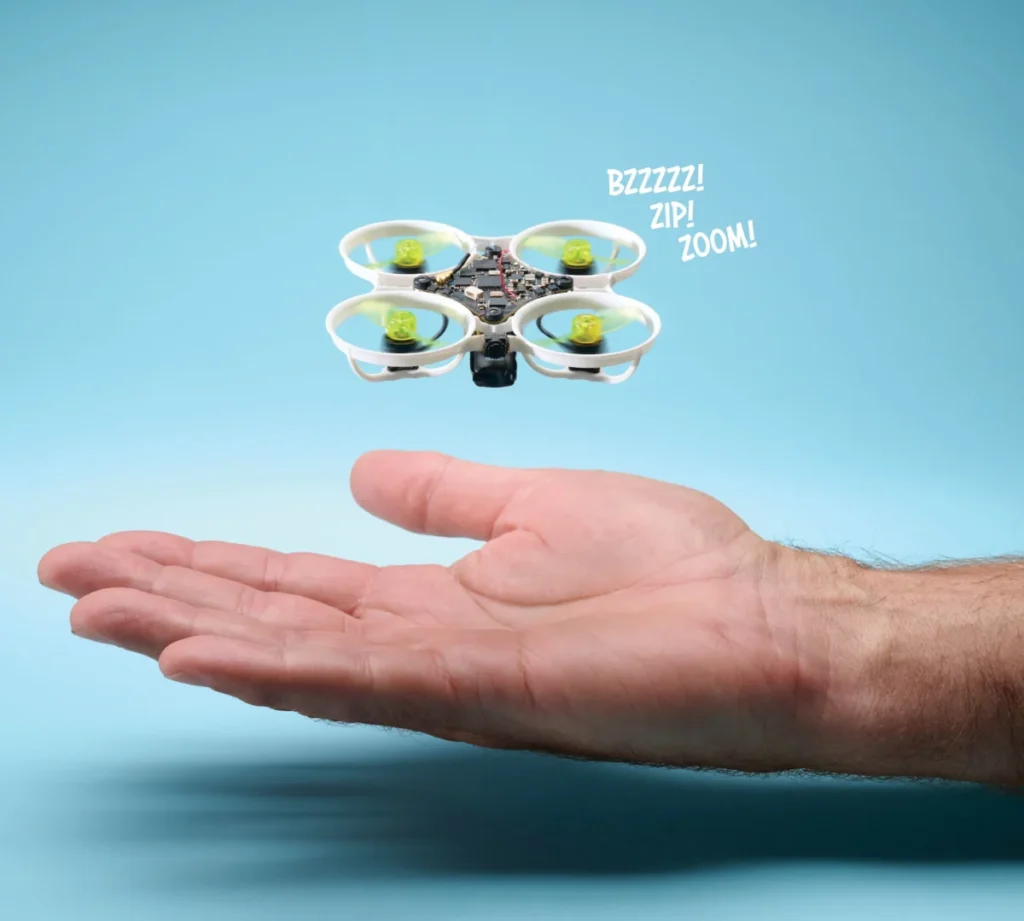
The pursuit of miniaturization in the unmanned aerial vehicle (UAV) sector has reached a new milestone with the development of the 13.5-gram ultralight "Whoop," a specialized class of first-person view (FPV) racing drones designed for maximum agility and indoor performance. This engineering feat, detailed by veteran drone builder Scott Stevenson in the latest technical discourse for the maker community, represents a significant shift in the FPV landscape, where the reduction of every milligram translates directly into enhanced flight dynamics and extended battery efficiency. As the hobbyist drone market matures, the transition from commercial off-the-shelf solutions to highly modified, hand-soldered racing machines highlights the growing sophisticated technical requirements of modern drone pilots.
The "Whoop" category of drones, characterized by their small size and ducted propeller guards, has seen a rapid evolution since its inception in the mid-2010s. The current trend toward "ultralight" builds involves a radical deconstruction of standard flight controllers and peripheral components to shed weight that would otherwise inhibit the performance of the tiny 1S (single-cell) battery systems that power these craft. By reaching a final weight of just 13.5 grams, builders are pushing the boundaries of what is aerodynamically possible with current lithium-polymer battery technology.
Technical Specifications and Weight Reduction Strategies
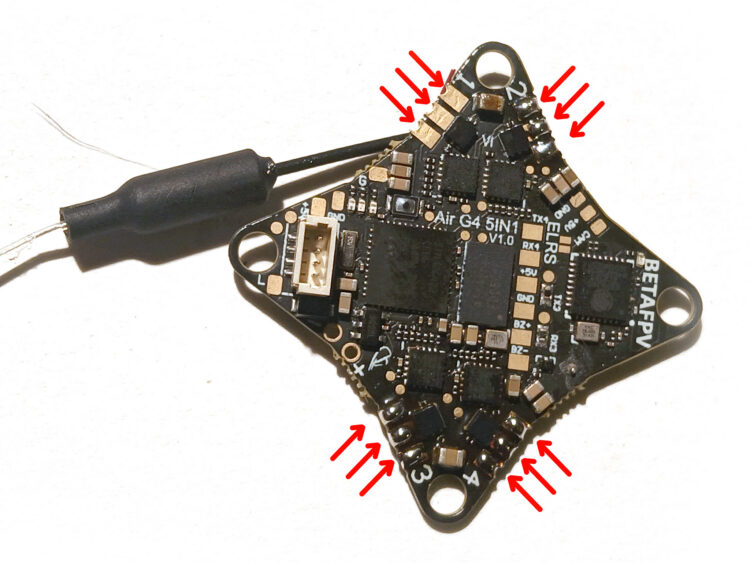
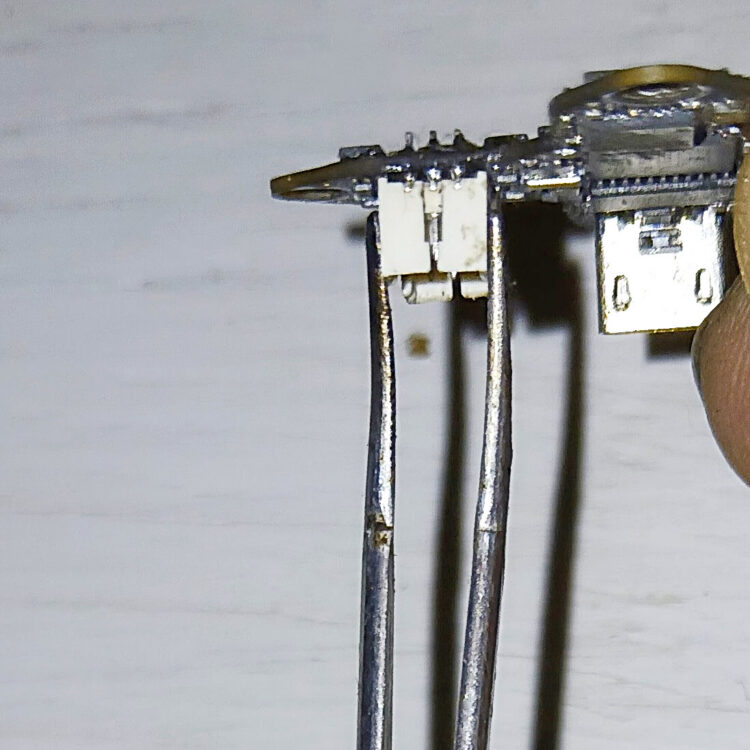
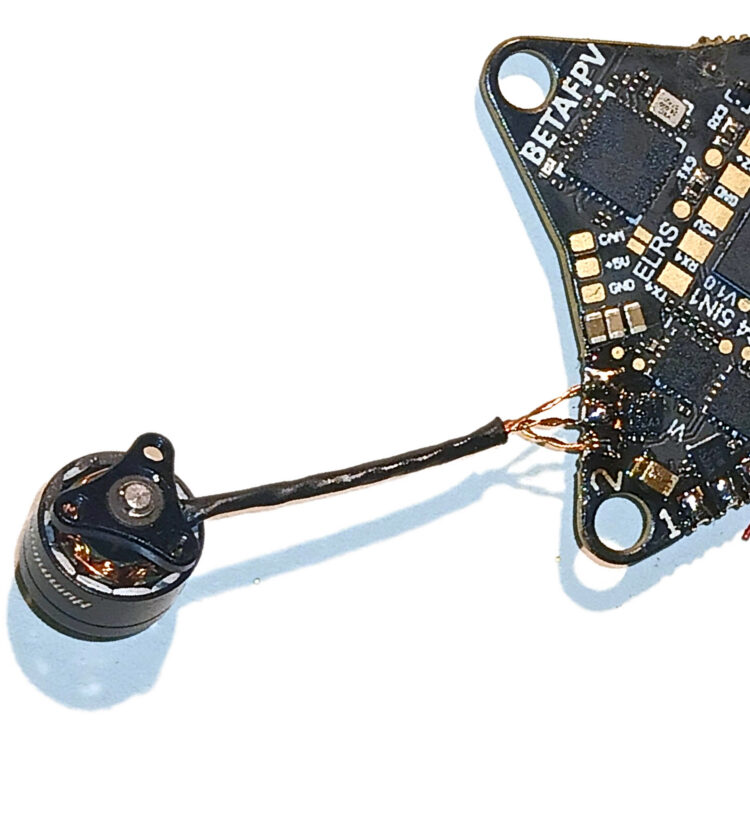
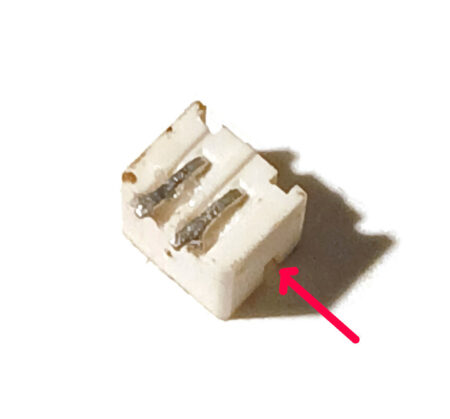
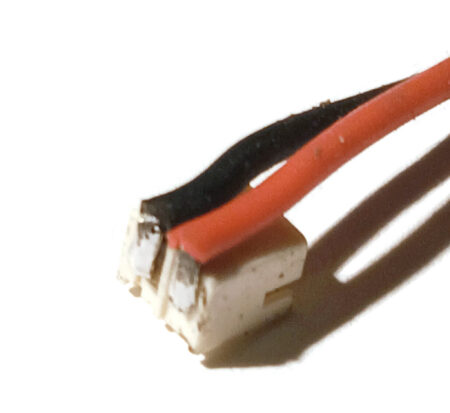
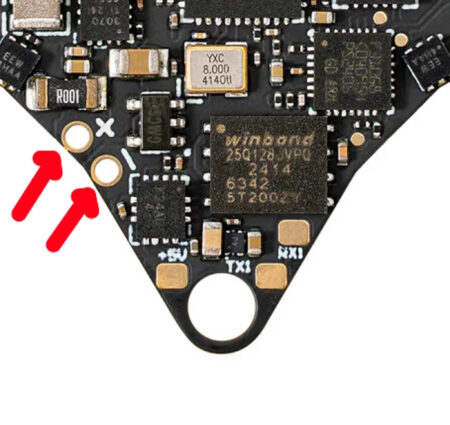
The core of the ultralight build lies in the modification of the flight controller, specifically the Matrix series or similar integrated boards. Standard flight controllers are often equipped with plastic motor connectors to allow for "plug-and-play" assembly. However, for the elite racing tier, these connectors are viewed as unnecessary bulk. The engineering process begins with the surgical removal of these connectors using a hobby vise and high-precision soldering tools. By removing the plastic housing and soldering motor wires directly to the surface-mount device (SMD) pads, builders eliminate several hundred milligrams of weight and reduce electrical resistance, which can marginally improve motor responsiveness.
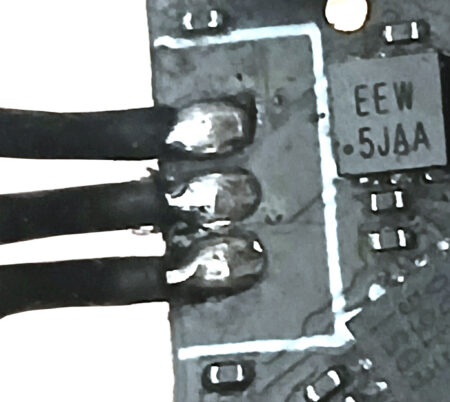
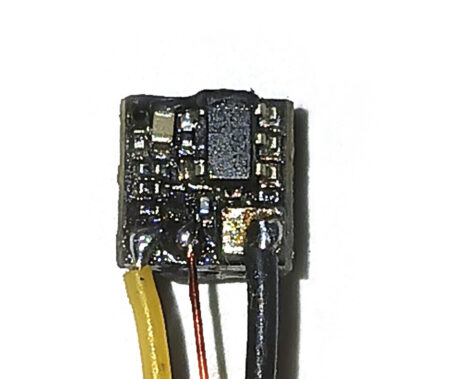
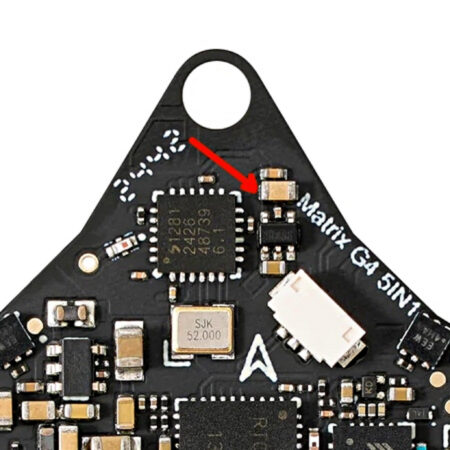
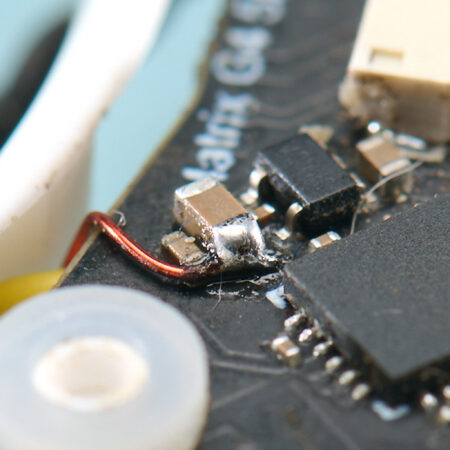
Further weight reduction is achieved through the modification of the power delivery system. Most micro-FPV cameras are designed to operate on 5V power, but ultralight variants are increasingly being adapted to run on 3.3V. This requires a sophisticated "regulator hack," where the camera’s power lead is soldered directly to the onboard 3.3V regulator—typically an SMD capacitor—rather than the standard power pads. This modification allows the drone to utilize smaller, more efficient cameras that are stripped of their protective casings and heavy gauge wiring.
The Chronology of the Whoop Revolution
The development of the modern Whoop drone follows a specific timeline of innovation that mirrors the broader advancements in micro-electronics:
- 2016 – The Inductrix Era: The "Tiny Whoop" movement was born when pilots began attaching micro-cameras to the Horizon Hobby Inductrix, a toy-grade quadcopter. These original builds weighed approximately 25–30 grams.
- 2018 – The Brushless Transition: The industry shifted from brushed motors, which had short lifespans and lower power, to brushless motors. This required the development of smaller Electronic Speed Controllers (ESCs) integrated into the flight controller.
- 2020 – Carbon Fiber and Advanced Polymers: Frames transitioned from flexible plastics to high-stiffness, lightweight polymers and ultra-thin carbon fiber, allowing for more aggressive flight maneuvers without frame resonance.
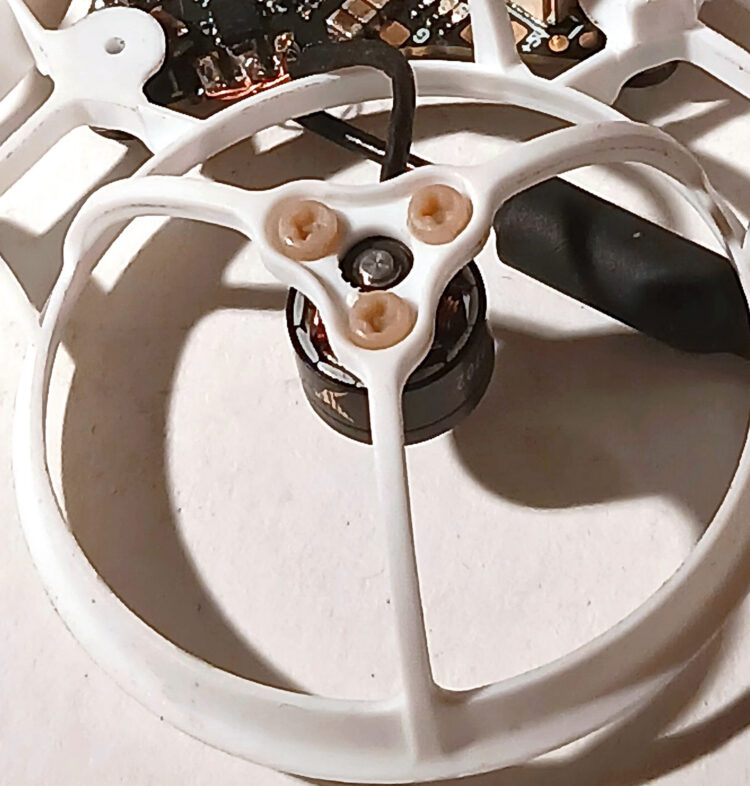
- 2023–Present – The Ultralight Movement: Current engineering focuses on "stripping" components. This includes using enameled "magnet wire" instead of silicone-jacketed wire, removing all connectors, and using PEEK (polyetheretherketone) plastic screws instead of steel or aluminum.
Materials Science in Micro-Aviation
The selection of materials for a 13.5-gram build is critical. Standard steel M2 screws, while durable, are prohibitively heavy for this weight class. Engineers have turned to PEEK plastic screws, which offer a high strength-to-weight ratio and are non-conductive, preventing accidental shorts on the dense circuit boards. However, the use of such materials requires high precision; PEEK is susceptible to shearing if over-torqued, a common hazard during the assembly of the motor nacelles.

Propeller modification also plays a vital role in the flight profile. Most Whoop drones come with three- or four-blade propellers. In the ultralight community, it is standard practice to "clip" these down to two blades. This modification reduces the load on the motors and increases top-end speed, though it comes at the cost of some "grip" or cornering authority. The use of fluorescent polymers in these propellers serves a secondary, practical purpose: high visibility under ultraviolet (UV) light, which aids in the recovery of the craft in low-light environments.

Supporting Data: The Impact of Weight on Flight Dynamics
The physics of a 13.5-gram drone are governed by the thrust-to-weight ratio. A typical brushless Whoop motor might produce 30 to 40 grams of thrust. On a 25-gram build, the ratio is roughly 6:1 (assuming four motors). On a 13.5-gram build, that ratio jumps significantly, allowing for near-instantaneous acceleration and the ability to recover from high-velocity dives with minimal "prop wash" (the turbulence caused by a drone falling into its own air).
| Component | Standard Weight (g) | Ultralight Weight (g) | Savings (%) |
|---|---|---|---|
| Flight Controller (with connectors) | 5.2 | 4.1 | 21% |
| Motor Wires/Connectors | 1.8 | 0.6 | 66% |
| Camera & VTX | 4.5 | 1.9 | 57% |
| Screws (Steel vs. PEEK) | 0.8 | 0.1 | 87% |
| Total Build (excluding battery) | 22.0 | 13.5 | 38.6% |
Data suggests that for every gram removed from a micro-drone, flight time increases by approximately 15–20 seconds on a standard 300mAh 1S battery, while simultaneously reducing the heat generated by the ESCs, thereby extending the lifespan of the electronics.
Industry Implications and Expert Perspectives
The shift toward extreme DIY modifications in the drone sector has drawn the attention of both manufacturers and regulatory bodies. Makers like Scott Stevenson argue that these builds are more than just hobbies; they are exercises in efficient engineering. "The goal is to find the absolute floor of weight versus functionality," Stevenson noted in his analysis. By stripping away the "safety nets" of plugs and heavy casings, pilots gain a deeper understanding of circuit design and aerodynamics.
However, the "ultralight" approach is not without its detractors. Critics in the racing community point out that 13.5-gram drones are inherently fragile. A high-speed collision with a hard surface that a 25-gram "tank" might survive can easily snap a PEEK screw or crack a stripped-down camera lens on an ultralight build. This has led to a bifurcation in the market: "Durable Whoops" for beginners and "Ultralight Whoops" for competitive racing and advanced cinematic indoor flight.
Broader Impact and Future Outlook
The innovations seen in the DIY Whoop community often serve as a precursor to commercial advancements. Features that were once considered radical modifications—such as integrated VTX (Video Transmitter) units and direct-solder pads—are now becoming standard on consumer-grade flight controllers. The "regulator hack" for 3.3V cameras is expected to drive demand for more flexible power management systems in future board designs.
Furthermore, the ultralight Whoop represents the most accessible entry point into FPV flight. Because these drones weigh well under the 250-gram threshold established by the Federal Aviation Administration (FAA) and other global aviation authorities, they are exempt from many of the more stringent Remote ID requirements and registration fees. This makes them the ideal platform for STEM education, allowing students to engage with soldering, aerodynamics, and firmware configuration (such as the Betaflight platform) without the legal complexities of larger UAVs.
As the community continues to refine these designs, the next frontier appears to be the integration of digital HD video systems into the sub-15-gram weight class. Currently, most ultralight builds rely on analog video signals due to the weight of digital transmitters. However, as semiconductor technology continues to shrink, the 13.5-gram "Whoop" may soon be capable of capturing high-definition footage, further blurring the line between toy-grade gadgets and professional-grade aerospace engineering.

The work of builders like Scott Stevenson remains a cornerstone of this progress, providing the documentation and technical blueprints necessary for the next generation of pilots to take flight. With a final weight of 13.5 grams, the ultralight Whoop is not just a drone; it is a testament to the power of the maker movement to redefine the limits of flight.