The automotive landscape, a constantly evolving tapestry of engineering prowess and marketing strategy, recently presented a curious anomaly that harks back to a bygone era of automotive enthusiasm. A new vehicle, the Denza Bao 5, recently unveiled in Britain, sports a pair of badges on its rear tailgate that, to the uninitiated, are as enigmatic as an ancient hieroglyph. These emblems, "DiSus-P" and "DMO," represent a fascinating divergence from contemporary automotive marketing trends, prompting a deeper examination of how manufacturers communicate technological advancements to their customer base and what this signifies about the modern car buyer.
The Denza Bao 5: A Technological Enigma on Wheels
The Denza Bao 5, a robust-looking plug-in hybrid four-wheel-drive vehicle manufactured in China, has made its debut in the British market. While its rugged aesthetic, reminiscent of a more budget-conscious interpretation of a classic off-road icon, suggests a genuine aptitude for traversing challenging terrain, it is the rear-mounted badges that have captured the attention of automotive commentators. These aren’t merely decorative; they are shorthand for sophisticated technological systems.
"DiSus-P" refers to the vehicle’s advanced active hydraulic suspension system. This technology allows for dynamic adjustment of the vehicle’s ride height and damping characteristics, enhancing both off-road capability and on-road comfort. Such systems are typically found in high-end off-road vehicles, offering a level of articulation and control previously unattainable by conventional suspension setups.
"DMO," on the other hand, denotes the "Dual Mode Offroad" platform, a hybrid-specific architecture designed to optimize performance in various off-road scenarios. This platform likely integrates the electric powertrain with the internal combustion engine in a way that maximizes torque delivery, traction control, and power distribution across all four wheels, adapting to different surfaces and driving conditions.
The very obscurity of these acronyms raises a pertinent question: what is the intended audience for such specific technical call-outs? The author of the original observation wryly suggests that the average dog walker, or even their canine companion, would possess a more profound understanding of quantum physics than of these particular automotive designations. This sentiment highlights a perceived disconnect between the sophisticated engineering being integrated into vehicles and the average consumer’s engagement with that technology.
A Nostalgic Echo: The Era of Transparent Technical Advertising
The author’s experience with the Denza Bao 5’s badges serves as a potent reminder of an era when car manufacturers seemed to assume, and perhaps even actively foster, a deeper level of technical engagement from their customers. This was a time when highlighting specific technological features was not just a marketing tactic but a testament to the belief that owners valued and understood the innovations within their vehicles.
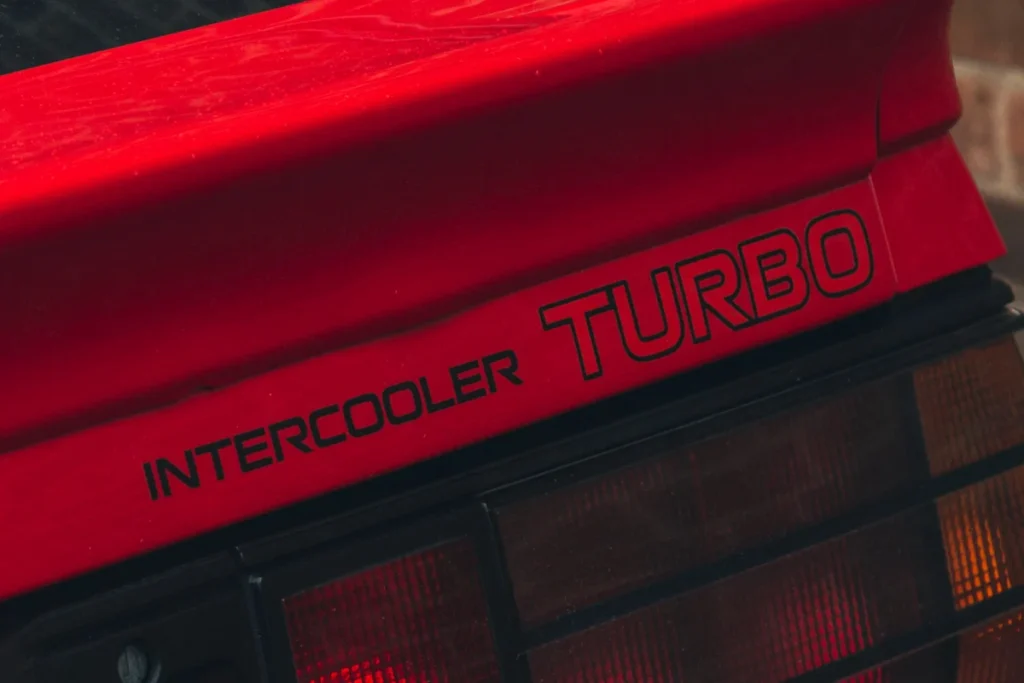
This period is vividly recalled through the examples of "Catalyst" and "16v" badges that adorned vehicles like the Rover 800 series in the early 1990s. The "16v" designation, signifying a 16-valve engine, was a clear indicator of enhanced performance and efficiency. While seemingly rudimentary by today’s standards, it was a recognizable and desirable technical attribute that consumers understood and appreciated.

The "Catalyst" badge, appearing on vehicles ranging from Volkswagen Polos to Ferraris of the era, spoke to the growing adoption of catalytic converters, a crucial environmental technology. While its ubiquity might now appear almost comically mundane – akin to a modern car proudly proclaiming "WHEELS!" – it represented a significant technological advancement and a manufacturer’s willingness to communicate it directly. At the time, these badges were an acknowledgment that car makers believed their buyers possessed a shared technical vernacular and a genuine interest in the engineering that powered their automobiles.
The Evolution of Consumer Engagement: From Enthusiast to Pragmatist
The shift away from such overtly technical badges is not a random occurrence but a reflection of broader changes in consumer behavior and automotive marketing. Several factors have contributed to this evolution:
- Increasing Complexity of Technology: Modern vehicles are exponentially more complex than their predecessors. The integration of advanced driver-assistance systems (ADAS), sophisticated infotainment, and intricate hybrid or electric powertrains means that a single badge can no longer encapsulate a simple, easily understood technological benefit. Explaining these systems often requires extensive documentation or in-person demonstrations.
- Diversification of the Car Buying Public: The demographic of car buyers has broadened significantly. While a core group of automotive enthusiasts still exists, the majority of purchasers are now driven by factors such as practicality, fuel efficiency, safety ratings, connectivity features, and overall value for money. The average buyer may not possess a deep understanding of internal combustion engine configurations or suspension dynamics.
- The Rise of Lifestyle Marketing: Automotive marketing has increasingly shifted towards emphasizing lifestyle, experience, and emotional connection rather than purely technical specifications. Brands aim to sell an aspiration, a feeling, or a solution to a need, rather than just a machine with advanced components.
- Brand Differentiation Through Experience: Instead of relying on technical badges, manufacturers now often differentiate their vehicles through brand identity, design language, user experience (UX), and the overall perceived quality and luxury. The focus is on how the technology feels and works for the user, rather than the specific engineering behind it.
- The Internet and Information Accessibility: While manufacturers might have once relied on badges to convey technical prowess, the internet now provides consumers with unprecedented access to information. Potential buyers can research specific technologies, read reviews, and compare specifications online. This has reduced the need for manufacturers to embed every technical detail on the vehicle itself.
The Renault Kadjar Bose Edition: A Misguided Attempt at Differentiation
The author’s recollection of the Renault Kadjar Bose Edition serves as an example of a marketing effort that, while attempting to highlight a specific feature, arguably missed the mark. The inclusion of "Bose" badges on the wings, advertising the vehicle’s stereo system, was met with incredulity. While the Bose brand is synonymous with high-quality audio, the explicit advertisement of speakers on a car’s exterior feels redundant, bordering on the absurd. It suggests a superficial understanding of what constitutes a compelling technical differentiator for a vehicle. This instance highlights a potential pitfall for manufacturers: attempting to leverage brand partnerships for technical differentiation without considering the perceived value or impact on the consumer.
Analyzing the Implications: A Two-Edged Sword
The presence of badges like "DiSus-P" and "DMO" on the Denza Bao 5 can be interpreted in a few ways, each with its own implications:
- Potential for Niche Appeal: For a subset of discerning off-road enthusiasts who are actively seeking vehicles with advanced suspension and off-road capabilities, these badges could serve as a discreet signal of the Bao 5’s advanced engineering. It caters to a knowledgeable audience that appreciates the technical specifics.
- A Sign of Manufacturer Confidence: The decision to prominently display these acronyms might indicate a manufacturer’s confidence in the underlying technology and a belief that it is a significant selling point, even if its full significance isn’t immediately apparent to everyone.
- A Communication Challenge: More broadly, it underscores a significant communication challenge for automakers. How do you effectively convey the value and innovation of complex technologies to a diverse consumer base? The Bao 5’s badges suggest that simply presenting the acronyms might not be the most effective strategy for mass market appeal.
- A Return to Technical Prowess? In a market increasingly saturated with similar-looking vehicles, some manufacturers might be seeking to re-establish a connection with automotive purists and highlight engineering excellence. The Bao 5’s badges could be seen as a deliberate attempt to signal this technical pedigree.
The Future of Automotive Badging: A Balancing Act
The trend towards less overtly technical badging is unlikely to reverse entirely. The focus will likely remain on experience, design, and overall brand value. However, the Denza Bao 5’s example suggests that there might still be a place for subtle nods to significant technological achievements, particularly for vehicles with specialized capabilities.
The key for manufacturers will be to strike a delicate balance:
- Educate and Inform: Instead of relying solely on badges, manufacturers need to invest in comprehensive educational materials, engaging online content, and knowledgeable sales staff who can articulate the benefits of advanced technologies.
- Focus on User Benefits: While the technical name is important to the engineering team, the marketing message should translate that technology into tangible benefits for the driver – enhanced safety, improved fuel economy, a more comfortable ride, or superior off-road capability.
- Strategic Use of Badges: If badges are used, they should be either universally understood (like engine size or powertrain type) or accompanied by clear explanations within the vehicle’s marketing materials.
The "DiSus-P" and "DMO" badges on the Denza Bao 5 are more than just cryptic abbreviations; they are a microcosm of the evolving relationship between automotive manufacturers and their customers. They highlight a shift from an era where technical understanding was assumed to a present where communication of complex innovation requires a more nuanced and user-centric approach. As the automotive industry continues its rapid technological advancement, the way it chooses to brand and explain its innovations will remain a critical factor in consumer perception and market success.