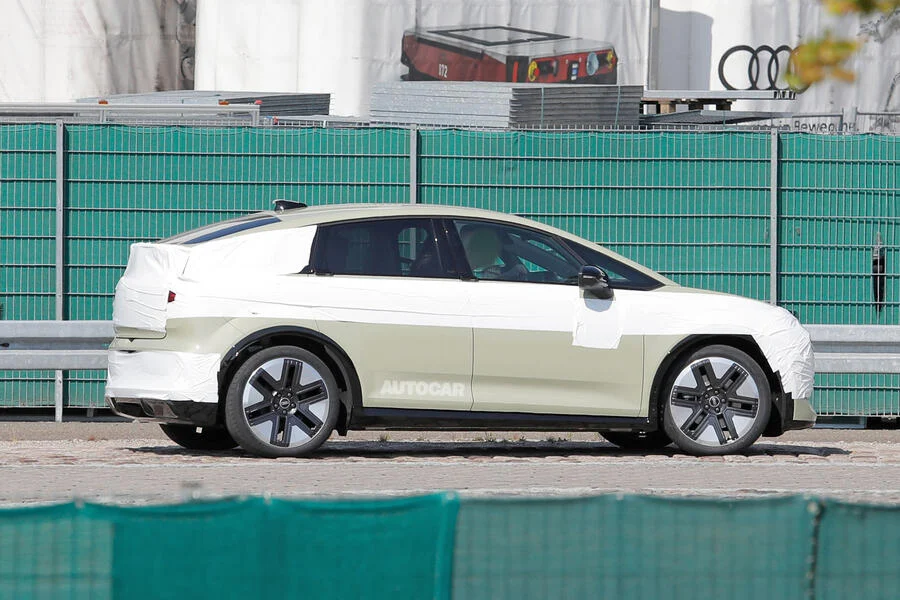
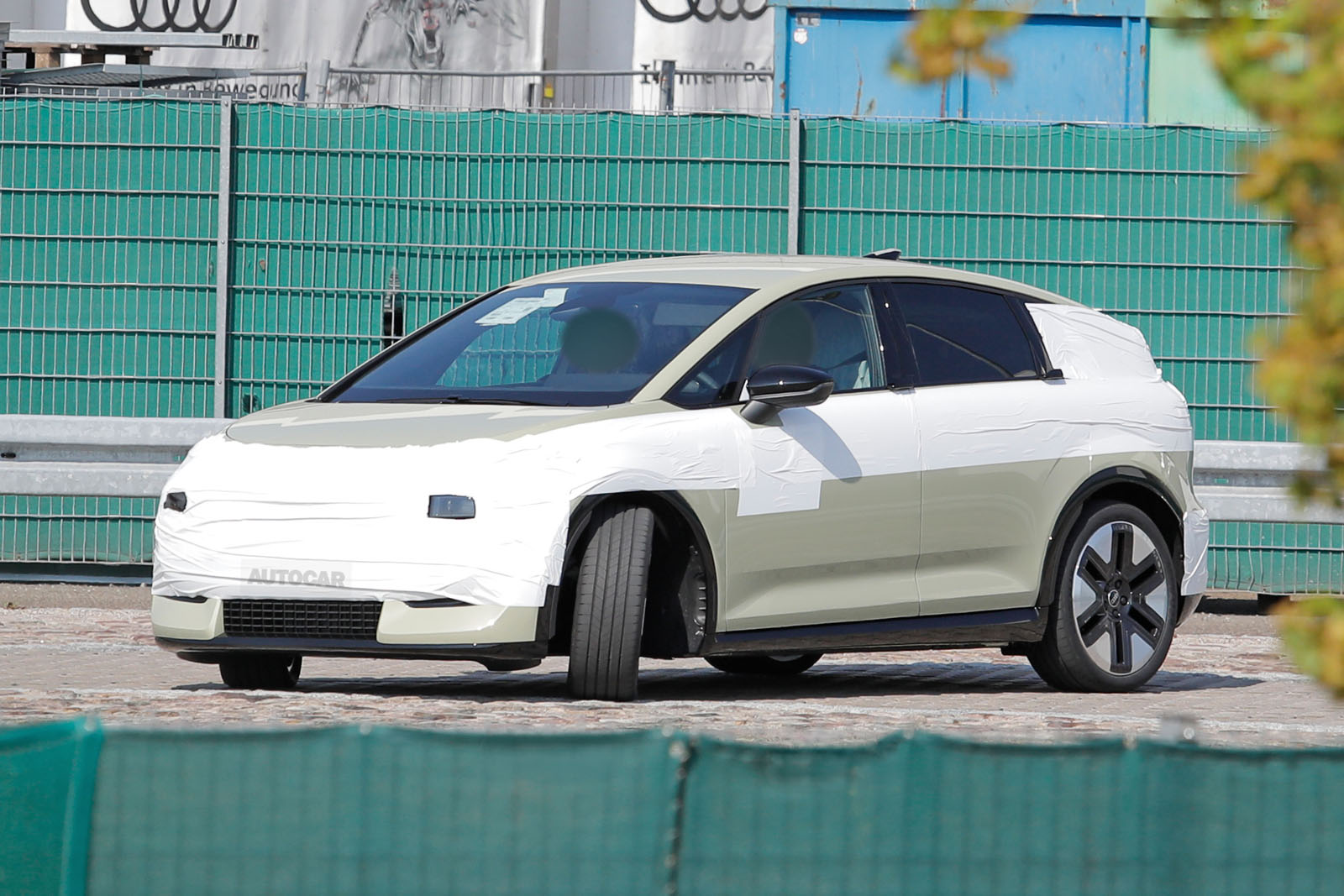
The automotive landscape is poised for a significant shift this autumn with the imminent unveiling of the reborn Audi A2. A near-production prototype, recently spotted shedding the majority of its camouflage, offers a compelling glimpse into the future of Audi’s compact electric offerings. The new A2 is set to echo the spirit of its iconic predecessor, blending innovative functionality with a distinct design language, marking the return of the esteemed A2 nameplate after a two-decade hiatus. This strategic revival, officially confirmed by the German luxury manufacturer at its annual media conference in March, signals Audi’s commitment to broadening the accessibility of electric mobility.
Design Cues and Heritage Inspiration
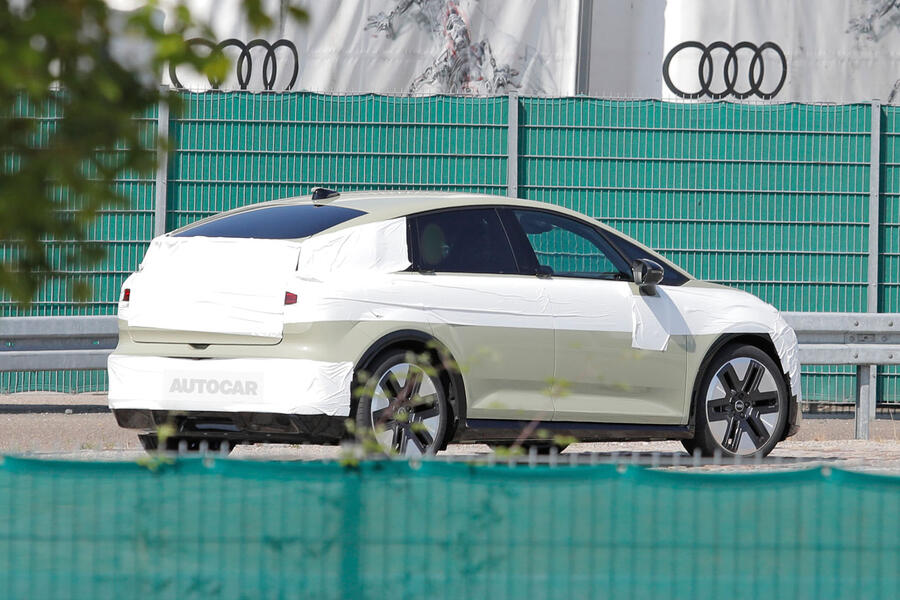
The latest spy shots reveal a vehicle that thoughtfully pays homage to the original A2, a supermini celebrated for its efficiency and avant-garde design. Key defining features of the classic model are evident in the prototype’s silhouette, most notably the distinctive lozenge-like roofline and gracefully tapered rear flanks. These design elements are not mere aesthetic choices; they are intrinsically linked to the original A2’s aerodynamic efficiency, a core principle that Audi aims to carry forward into this new electric iteration. The original A2, launched in 1999, was a pioneering vehicle in its use of lightweight aluminium construction and its aerodynamically optimized, single-box bodystyle, contributing significantly to its remarkable fuel efficiency. The modern A2’s design appears to capture this essence, promising a blend of contemporary aesthetics and functional prowess.
Strategic Positioning and Market Impact
The new electric A2 is slated to be manufactured at Audi’s historic Ingolstadt hometown facility, a testament to the brand’s commitment to its German roots and manufacturing excellence. Its introduction serves a crucial strategic purpose within Audi’s evolving lineup. The forthcoming A2 will act as an indirect successor to the soon-to-be-discontinued A1 and Q2 models, effectively filling the entry-level void at the lower end of Audi’s product portfolio. This move is particularly significant as Audi aims to democratize its electric vehicle offerings, making the transition to electric mobility more attainable for a wider demographic. Industry observers anticipate pricing to commence from below the £30,000 mark, a figure that positions the A2 as a compelling proposition in the burgeoning premium compact EV segment.
CEO’s Vision: Accessibility and Everyday Electric Mobility
Audi CEO Gernot Döllner articulated the strategic rationale behind the A2’s resurrection, emphasizing a direct response to evolving customer demands. "We’ve listened," Döllner stated during the annual media conference. "Our customers want electric mobility that impresses in everyday life." He further elaborated on the A2 e-tron’s core attributes, describing it as "efficient, compact, and confident." This vision underscores Audi’s ambition to simplify and enhance the entry into the electric Audi world, making it more relevant and accessible than ever before. The A2 is envisioned not just as a car, but as a gateway to the brand’s electric future, designed to seamlessly integrate into the daily lives of its owners.
Technical Foundation and Platform Synergy
Underpinning the new A2 will be the Volkswagen Group’s versatile MEB electric vehicle platform. This modular architecture, also utilized by other group brands such as Volkswagen and Skoda, allows for efficient development and economies of scale. The adoption of the MEB platform means the new A2 will share significant technical underpinnings with models like the Volkswagen ID.3 hatchback, suggesting a comparable size and specification range. The MEB platform is renowned for its optimized packaging of batteries and electric powertrains, enabling spacious interiors within relatively compact exterior dimensions. This technical synergy is crucial for Audi in delivering a compelling and cost-effective electric vehicle that maintains the brand’s premium standards.
Interior Space and Practicality: A Core Tenet
Döllner further highlighted the duality of the A2’s design philosophy: "It’s a highly efficient entry-level car into the Audi universe and positioned within the core of the A-segment [Audi’s term for A3/Q3-sized models]," he explained. "It’s compact on the outside yet very spacious on the inside." This emphasis on maximizing interior volume within a compact footprint is a direct inheritance from the original A2, which was lauded for its surprisingly capacious cabin despite its diminutive exterior. This design intelligence is vital for a compact EV, where practicality and usability are paramount for everyday commuting and family use. The ability to offer a comfortable and functional interior, even in a smaller vehicle, is a key differentiator in the competitive compact car market.
Pricing Strategy and Market Accessibility
While specific pricing details are yet to be officially released, Döllner reiterated that the A2 will represent Audi’s most accessible electric offering to date. "We will inform on price positioning at the given time ahead of launch, but it’s going to be our electric entry-level car, so it will be below what we’ve offered so far on electric cars in the Audi universe," he confirmed. This commitment to a lower price point is instrumental in Audi’s strategy to attract new customers to its electric range and compete effectively against established players in the premium compact EV segment. The sub-£30,000 projection, if accurate, would make the A2 a significant disruptor, offering a premium badge and advanced electric technology at a more attainable price.
The Legacy of Efficiency: A Modern Interpretation
Within Audi’s internal discussions, the new A2 is widely regarded as the spiritual successor to the pioneering 1999 supermini. That original model was a masterclass in automotive engineering, achieving exceptional efficiency through its innovative lightweight aluminium architecture and its aerodynamically optimized, single-box bodystyle. These principles of lightweight construction and aerodynamic refinement are fundamental to maximizing the range and performance of any electric vehicle, and it is expected that the new A2 will leverage modern advancements in materials science and design to achieve similar, if not superior, levels of efficiency. The original A2’s success in demonstrating that premium quality and groundbreaking efficiency could coexist in a compact package serves as a powerful blueprint for its electric descendant.
Broader Implications for the EV Market
The introduction of the Audi A2 is more than just the launch of a new model; it represents a significant strategic maneuver by one of the automotive industry’s leading luxury brands. By reintroducing an iconic nameplate and focusing on accessibility and everyday usability, Audi aims to capture a broader segment of the electric vehicle market. This move could put pressure on competitors in the premium compact EV space, forcing them to re-evaluate their pricing and product strategies. Furthermore, the A2’s success could pave the way for more affordable luxury EVs, accelerating the mainstream adoption of electric mobility. The emphasis on efficiency and practicality, core tenets of the original A2, is also a timely reminder of the need for pragmatic solutions in the ongoing transition to sustainable transportation. The A2’s arrival signifies a maturing EV market, where innovation is increasingly focused on making electric driving a viable and appealing option for the everyday consumer. The confluence of design heritage, advanced electric technology, and a commitment to affordability positions the new Audi A2 as a highly anticipated and potentially game-changing entrant in the automotive arena.