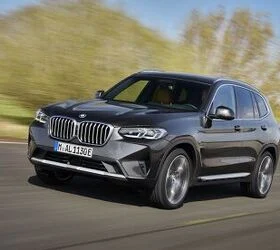
BMW of North America is initiating a significant recall affecting over 318,000 vehicles across various model lines. The recall is prompted by a potential defect in the starter component of the vehicles’ 4-cylinder engines, which, in some instances, could lead to failure and, more critically, a fire hazard. The affected vehicles include a substantial number of popular models such as the BMW X3, X4, 3 Series, 4 Series (Convertible and Gran Coupe), 5 Series, 2 Series Coupe, and the Z4 roadster, along with a small batch of Toyota Supras, stemming from a collaborative production effort.
The Nature of the Defect and its Implications
The core of the issue, as detailed in a report submitted to the National Highway Traffic Safety Administration (NHTSA), centers on a specific internal component within the starter assembly. An investigation conducted by BMW revealed that this component is experiencing premature wear. This accelerated degradation can lead to a malfunction of the starter. In its less severe manifestation, this malfunction will result in the engine failing to start, often described as a "non-starting engine." However, in more serious scenarios, the failing starter can overheat, creating a risk of fire. This fire risk, even if a rare occurrence, poses a significant safety concern for vehicle occupants and the public.
The scale of this recall underscores the potential widespread nature of the defect. The 2021-2024 BMW X3 is the most heavily impacted model, accounting for a significant portion of the recalled vehicles with 210,748 units. Other models included in this safety action are:
- 2021-2025 BMW X4: A considerable number of these compact luxury SUVs are part of the recall.
- 2023-2024 BMW 3 Series: The compact executive sedan is also affected, impacting a crucial segment of BMW’s lineup.
- 2023-2024 BMW 4 Series Convertible: Owners of this stylish convertible are included in the recall.
- 2023-2024 BMW 4 Series Gran Coupe: The four-door coupe variant of the 4 Series also faces this issue.
- 2021-2023 BMW 5 Series: The executive sedan, a long-standing staple of BMW’s offerings, is also subject to the recall.
- 2022-2025 BMW 2 Series Coupe: This compact sporty coupe is included in the recall.
- 2022-2026 BMW Z4: The iconic roadster, known for its driving dynamics, is also affected.
In addition to the BMW-branded vehicles, the recall extends to 270 Toyota Supras from the 2023 and 2024 model years. This inclusion is a direct consequence of the collaborative development and production of the current generation Supra and the BMW Z4 roadster, which share a common platform and many underlying components. The close manufacturing ties between BMW and Toyota for these specific sports cars mean that a defect originating from shared parts necessitates action from both manufacturers.
Timeline and Communication Strategy
BMW of North America has communicated its findings and intentions to the NHTSA, initiating the recall process. While the exact date of the initial identification of the problem within BMW’s internal processes is not publicly disclosed in the provided information, the report to the NHTSA signifies the formal commencement of the recall procedures.
Owners of the affected vehicles are scheduled to begin receiving official notification letters in August. This notification period allows BMW to prepare its dealerships with the necessary parts and instructions to address the issue promptly and efficiently. The proactive communication strategy aims to inform vehicle owners about the potential safety risk and guide them on the necessary steps to have their vehicles remedied.
The Remedy and Manufacturer’s Commitment
BMW has outlined a clear and cost-free solution for affected owners. Upon receiving their notification, owners will be instructed to bring their vehicles to an authorized BMW dealership. At the dealership, technicians will replace the existing starter with a newly designed component. This replacement starter is intended to incorporate design improvements that mitigate the risk of premature wear and subsequent failure. BMW is committed to undertaking this repair at no cost to the vehicle owner, reflecting their responsibility in addressing manufacturing defects.
Crucially, BMW has stated that, to its knowledge, there have been no reported accidents or injuries directly linked to this specific starter defect. This information, while reassuring, does not diminish the importance of the recall, as the potential for such incidents remains a serious safety concern.
Broader Context and Industry Implications
Recalls of this magnitude are not uncommon in the automotive industry, which operates with stringent safety regulations and rigorous testing protocols. The complexity of modern vehicles, with their intricate electronic and mechanical systems, can sometimes lead to unforeseen issues even after extensive development.
Supporting Data and Industry Trends:
- Recalls are a Regular Occurrence: Data from NHTSA consistently shows tens of millions of vehicles recalled annually in the United States due to safety defects. These can range from minor software glitches to critical component failures.
- Component Failure Rates: The premature wear of specific components, like starters, can be influenced by various factors, including material quality, manufacturing tolerances, operating conditions, and the design’s inherent robustness. Statistical analysis of component lifespans is a critical aspect of automotive engineering.
- Collaborative Development: The joint development of the Toyota Supra and BMW Z4 highlights a growing trend in the automotive industry. Sharing development costs and manufacturing platforms can lead to more competitive pricing and access to specialized engineering expertise for both partners. However, it also means that a defect in a shared component can affect vehicles from multiple brands, as seen in this recall.
- Impact on Brand Reputation: While BMW has stated no accidents have occurred, large-scale recalls can still have an impact on brand perception and consumer confidence. Transparency, efficient execution of the remedy, and clear communication are vital for mitigating any negative repercussions.
Analysis of Implications:
The recall of over 318,000 vehicles represents a significant logistical and financial undertaking for BMW of North America. The cost of parts, labor, and administrative overhead associated with such a large-scale recall can amount to tens of millions of dollars. Beyond the immediate financial cost, the recall necessitates a considerable allocation of resources from dealerships, which must prioritize these repairs while continuing to service other customer needs.
For owners, the inconvenience of having their vehicle serviced is a primary concern. The timing of the notifications and the availability of parts will be critical factors in how smoothly this recall is implemented. A well-managed recall process can minimize disruption and maintain customer satisfaction.
The collaborative aspect of this recall, involving both BMW and Toyota, underscores the interconnectedness of the modern automotive supply chain and manufacturing processes. The shared component highlights the importance of robust quality control measures across all partners in such joint ventures. The swift identification and reporting of the issue by BMW to the NHTSA demonstrate adherence to regulatory requirements and a commitment to consumer safety.
The fact that the issue has not, to BMW’s knowledge, resulted in accidents or injuries is a positive aspect. However, the inherent risk associated with a potential fire hazard means that this recall is a necessary and proactive measure to prevent any future incidents. The automotive industry’s commitment to continuous improvement and safety is paramount, and this recall serves as a testament to that commitment, even when facing the challenges of widespread component defects.
The prompt and transparent communication from BMW, coupled with a clear and accessible remedy, will be key to ensuring the safety of affected drivers and maintaining the trust of its customer base. The coming months will be crucial in observing the efficiency and effectiveness of the recall execution across the extensive network of BMW dealerships.