The San Mateo County Event Center recently hosted the latest iteration of Open Sauce, a massive engineering and technology convention that has rapidly evolved into a cornerstone of the modern maker movement. Originally envisioned as a bridge between the digital world of YouTube engineering and the physical reality of traditional maker faires, the 2026 event marked its second year at the San Mateo venue, showcasing a significant expansion in both exhibit volume and attendee participation. As the creator economy continues to merge with hardware development, Open Sauce has emerged as a premier venue for innovators to display projects ranging from high-stakes robotics to absurdist mechanical art.
The Evolution and Context of Open Sauce
Open Sauce was established to provide a physical hub for the burgeoning community of "STEM-Tubers"—content creators whose work focuses on science, technology, engineering, and mathematics. While traditional trade shows like CES focus on corporate consumer electronics, Open Sauce prioritizes individual ingenuity, open-source collaboration, and the often-expensive pursuit of "engineering for the sake of curiosity."
The move to the San Mateo County Event Center, a venue historically associated with the original Maker Faire Bay Area, is a symbolic passing of the torch. This year’s event utilized more halls and outdoor space than its predecessor, reflecting a growing demand for physical interaction in a post-digital landscape. Organizers reported a diverse demographic of attendees, including professional engineers, hobbyist makers, and fans of YouTube personalities who have turned complex fabrication into viral entertainment.

Robotics and the Legacy of Combat Engineering
Central to the 2026 exhibition were the robotics displays, which featured a mix of entertainment-focused builds and highly technical engineering projects. Combat robotics, popularized by the television series BattleBots, maintained a heavy presence. Several professional teams showcased their machines, providing insights into the iterative design processes required to survive high-kinetic impacts.
Beyond the arena, the Bay Area Droid Builders presented a collection of hyper-realistic robotic replicas. These builds, often inspired by the Star Wars universe, included iconic figures such as the K-2SO security droid, the MSE-6 "mouse" droid, and B1 battle droids. These projects serve as a testament to the intersection of fan culture and advanced mechatronics, utilizing 3D printing, custom PCB design, and complex motor control systems to achieve cinematic fidelity.

In the realm of accessible robotics, Dorian Todd presented "Sesame," a miniature walking robot that has gained acclaim for its affordability and modular design. Todd, a previous Maker Faire Bay Area blue ribbon winner, demonstrated the robot’s capabilities through a tabletop soccer match, highlighting how miniaturization and cost-reduction are making robotics more accessible to students and hobbyists.
Art Cars and Absurdist Engineering
One of the defining characteristics of Open Sauce is the presence of "absurdist engineering"—projects that apply high-level technical skills to unconventional or humorous goals. A prominent example featured at the event was a couch converted into a fully functional road vehicle. The team behind the project reportedly invested $9,000 into the build, illustrating the significant financial and temporal resources creators often dedicate to projects that challenge traditional notions of utility.

Artistic engineering also took center stage with "Project Empire," a massive art car previously featured in Make: Magazine. These vehicles combine structural engineering with aesthetic lighting and sound systems, often designed for large-scale festivals like Burning Man. Similarly, the "Devising Delight" team returned with giant inflatable costumes, demonstrating the use of lightweight materials and portable pneumatic systems to create immersive, large-scale character art.
Perhaps the most striking visual exhibit was the giant housefly sculpture created by Lexi Tayte and Jessica Crafternoon. Known for their previous work with oversized "Furby" animatronics, the duo shifted their focus to entomology. The sculpture, constructed from soft materials, was designed to subvert the instinctive human aversion to insects by magnifying the housefly to a human scale, forcing viewers to appreciate the biological complexity of the creature.

The Creator Economy and Panel Insights
While the floor was filled with hardware, the stages hosted a series of panels featuring prominent figures in the digital creator space. Jim Louderback, the CEO of VidCon, led discussions regarding the "Algorithm"—the complex set of rules governing content visibility on platforms like YouTube and TikTok.
The panels provided a rare look into the business and psychological realities of being a professional maker. Discussions touched on the financial risks inherent in high-budget engineering videos, with some creators revealing they had spent upwards of $50,000 on projects that ultimately failed to produce viable content. The overarching advice for aspiring makers remained grounded in persistence: the most successful creators are those who prioritize the "make" over the potential for immediate financial return.

Common themes in these sessions included:
- The Cost of Innovation: The high barrier to entry for hardware-focused channels.
- Platform Dependency: The challenges of navigating changing monetization policies.
- Community Engagement: Moving from passive viewership to active physical participation at events like Open Sauce.
Community Initiatives and the Struggle of Hackerspaces
Despite the high-tech gloss of the event, Open Sauce also highlighted the systemic challenges facing the maker community. Hacker Dojo, one of the oldest and most influential hackerspaces in Silicon Valley, utilized the event to raise awareness of its current financial instability. As real estate prices in the Bay Area continue to climb, community-funded workshops are finding it increasingly difficult to maintain physical locations.

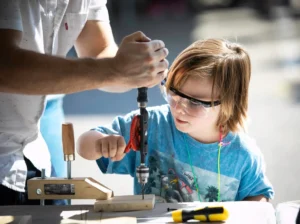
Hacker Dojo’s exhibit allowed children to customize and take home toy cars, emphasizing the importance of grassroots STEM education. To support their mission, the organization held a fundraiser featuring brick-based artwork that had been under construction for three years. The plight of Hacker Dojo serves as a reminder that the future of engineering innovation depends not just on individual creators, but on the survival of the communal spaces that provide tools and mentorship to the next generation.
Innovation in Consumer and Industrial Tech
The event also served as a soft launchpad for several innovative hardware kits and industrial tools. Joel Hartlaub, known online as JoelCreates, presented the "OddCube," a repairable and open-source air purifier kit. Designed in response to deteriorating air quality in various regions, the OddCube emphasizes sustainability and user-serviceability, allowing owners to replace parts easily rather than disposing of the entire unit.

In the field of digital fabrication, Whitcorp displayed a 3D photogrammetry dome alongside high-performance 3D printers. These tools represent the "prosumer" tier of hardware, offering hobbyists the kind of scanning and printing precision that was previously reserved for aerospace or medical laboratories.
The gaming hall featured "alt-ctrl" creations—alternative controllers that move beyond the standard gamepad. Bryan Racic demonstrated an open-source, 3D-printable nautical controller designed for maritime simulation games. Using a wheel and throttle interface, attendees played Klorbiest Catch, a fishing simulation. This project highlights the growing trend of custom hardware interfaces in the indie gaming scene.

Chronology of the Maker Movement Transition
The success of Open Sauce 2026 can be traced through a specific timeline of events in the maker community:
- 2019-2020: Traditional Maker Faires face financial restructuring and the onset of global pandemic restrictions, leading to a vacuum in physical engineering meetups.
- 2021-2022: The rise of "Engineering YouTube" accelerates as creators build massive digital audiences.
- 2023: The inaugural Open Sauce event establishes a proof-of-concept for a creator-led convention.
- 2025: Open Sauce moves to the San Mateo County Event Center, doubling its footprint.
- 2026: The event expands further, integrating more professional panels and industrial-grade hardware exhibits.
Broader Impact and Future Implications
The continued growth of Open Sauce suggests a fundamental shift in how engineering is perceived by the public. By blending entertainment with education, the event demystifies complex technologies like robotics and 3D printing. However, the high cost of attendance and the significant investment required for many of the featured projects raise questions about the long-term inclusivity of the movement.

For the city of San Mateo and the broader Silicon Valley, Open Sauce represents a vital economic and cultural contribution. It reinforces the region’s status as a hub for innovation, not just within corporate boardrooms, but in the garages and workshops of individual inventors.
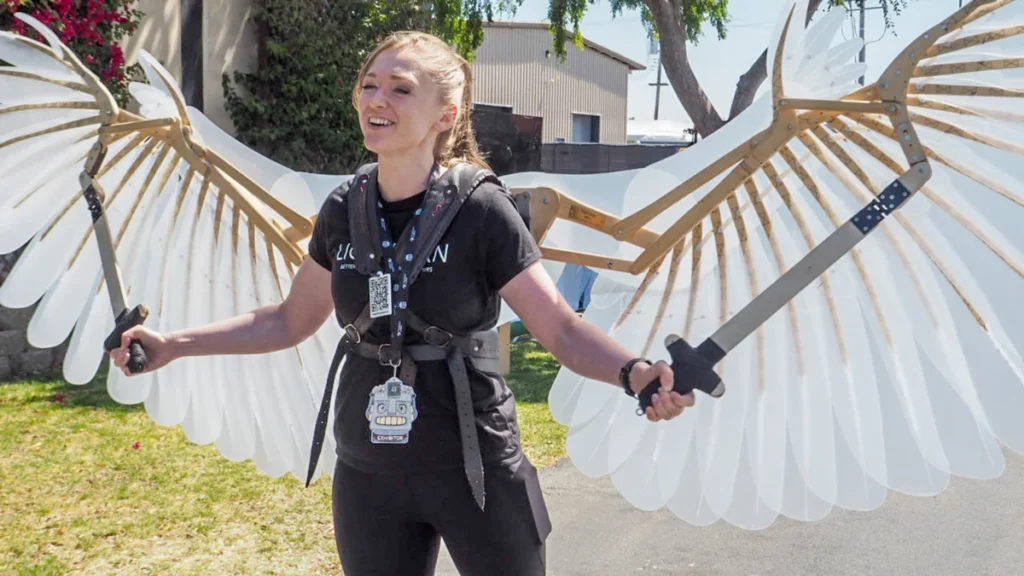
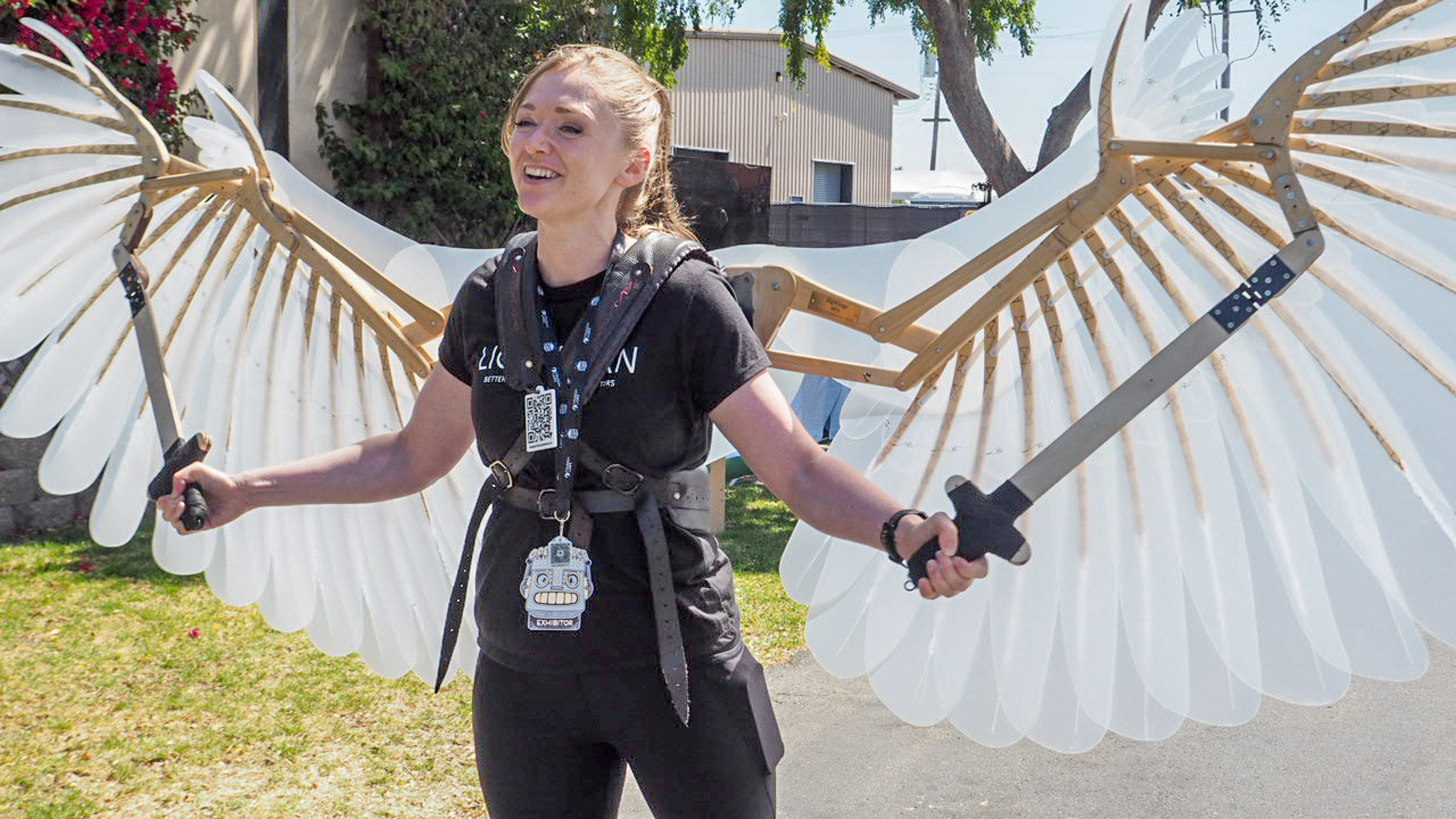
As the event concluded, organizers announced that the next Open Sauce is scheduled for July 17 and 18, 2027. In the interim, the community’s focus will shift back to local events like Maker Faire Bay Area, ensuring a continuous cycle of inspiration and fabrication. The trajectory of Open Sauce indicates that as long as there are people willing to spend thousands of dollars to turn a couch into a car or years to build a mechanical wing, the spirit of experimental engineering will remain a vibrant and essential part of the technological landscape.