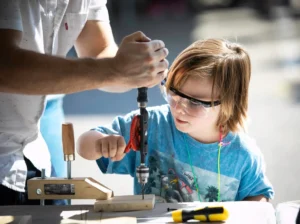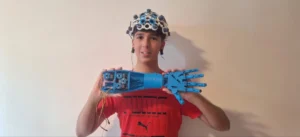
The global landscape of computer science education reached a significant milestone this month as the CoderDojo movement celebrated its 15th anniversary, coinciding with the 4th anniversary of the Selby CoderDojo in North Yorkshire. Since its inception in 2011, the initiative has transformed from a localized club in Ireland into a worldwide phenomenon, providing free, volunteer-led coding sessions for young people, known as "Ninjas." The dual celebration highlights the sustained growth of the non-formal education sector and its increasing importance in an era dominated by rapid advancements in artificial intelligence and digital technology.
In Selby, the local chapter recently marked its 40th event, representing four years of consistent community engagement. This local success story mirrors the broader trajectory of the movement, which has seen the establishment of over 600 active CoderDojos globally. These clubs operate as part of the wider Code Club movement, which currently boasts a coordinated network of more than 10,000 clubs meeting monthly. The Selby chapter has not only maintained its own operations to meet local demand but has also served as a regional incubator, catalyzing the launch of six additional clubs that reach hundreds of young people across the county.
The Genesis and Evolution of the CoderDojo Movement
The origins of CoderDojo trace back to early 2011 at PBC Cork, a secondary school in Ireland. James Whelton, then a student who had gained notoriety for hacking the iPod Nano, began a computer club to teach his peers basic HTML and CSS. The interest was overwhelming, leading Whelton to team up with entrepreneur and philanthropist Bill Liao. Together, they launched the first official CoderDojo at the National Software Centre in Mahon, Cork, on July 23, 2011.
The movement was founded on a philosophy of "open source" community building. Unlike traditional classroom environments, Dojos were designed to be free, social, and student-led. The primary rule, "Be Cool," encapsulated the spirit of the organization: fostering a respectful, creative, and collaborative environment without the rigid hierarchies of formal schooling. This model proved highly scalable. Within a year, Dojos had spread across Ireland and into the United Kingdom, the United States, and beyond.
A pivotal moment in the movement’s chronology occurred in 2017 when the CoderDojo Foundation merged with the Raspberry Pi Foundation. This partnership was designed to combine the grassroots energy of the CoderDojo community with the logistical and educational resources of one of the world’s leading computing charities. While maintaining its unique identity, CoderDojo became a core pillar of the Raspberry Pi Foundation’s mission to put the power of computing and digital making into the hands of people all over the world.
The Local Impact: A Case Study in Selby
The experience of the Selby CoderDojo illustrates the practical application of the movement’s core values. Founded four years ago by community leaders seeking to understand the challenges faced by "Dojo Champions"—the volunteers who lead individual clubs—the Selby chapter has become a cornerstone of local technical education.
Over the course of 40 events, the Selby Dojo has provided a platform for young people to move beyond being passive consumers of technology to becoming active creators. The curriculum, while flexible, focuses on project-based learning. This includes everything from the fundamental thrill of illuminating an LED for the first time to complex software development and hardware integration.
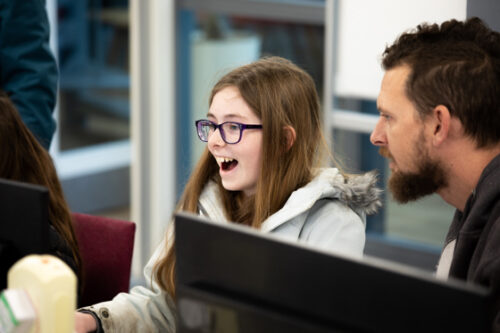
The social impact of these events extends beyond technical proficiency. Observers note that the collaborative nature of the Dojo allows for genuine intergenerational engagement, with parents and children often working together on debugging code or designing interfaces. For many participants, the monthly sessions provide a vital outlet for self-expression, allowing them to find their voice by presenting their projects to their peers—a practice that builds public speaking skills and confidence.
Global Collaboration and the Raspberry Fields Summit
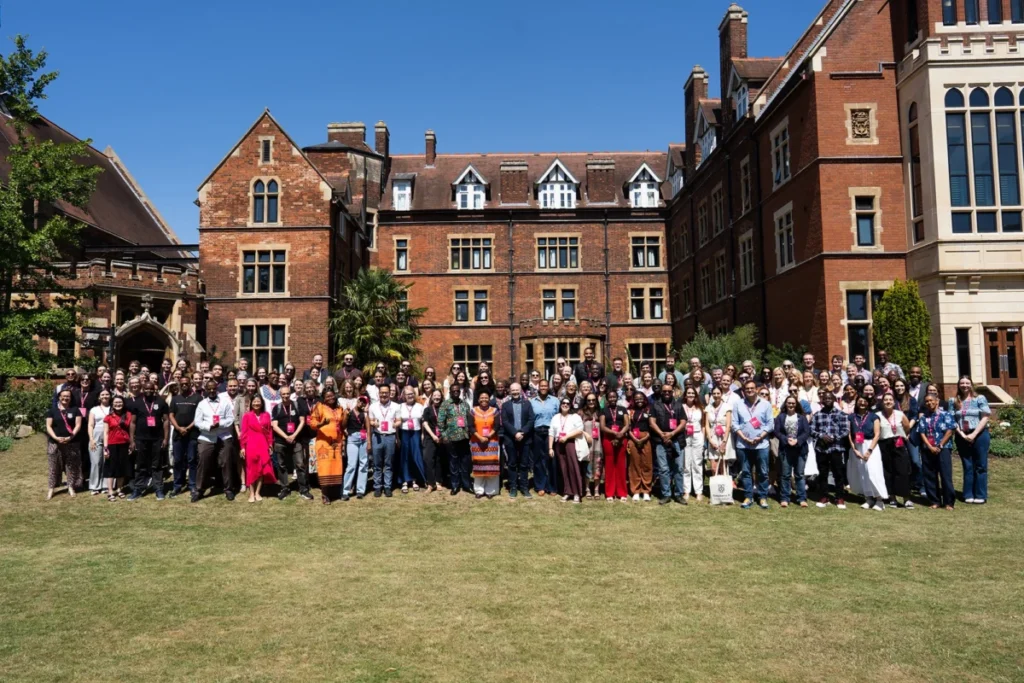
The 15th-anniversary celebrations follow the recent Raspberry Fields summit held in Cambridge. This global partners summit brought together representatives from Dojos and Code Clubs from around the world to discuss the future of computing education. The summit served as a critical forum for evaluating the impact of emerging technologies, particularly generative artificial intelligence, on the way young people learn and interact with machines.
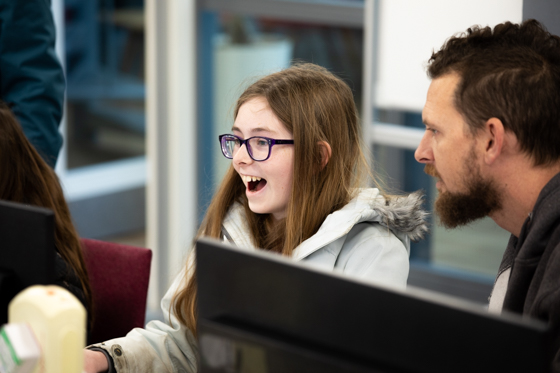
Delegates at the summit emphasized that while formal education systems are essential, they are often slow to adapt to the breakneck speed of technological change. Non-formal education spaces like CoderDojo are uniquely positioned to bridge this gap. By operating outside the constraints of standardized testing and fixed curricula, Dojos can experiment with new tools and methodologies in real-time.
Discussions at Raspberry Fields also addressed the "digital divide." Despite the ubiquity of technology, significant gaps remain in access to high-quality computing education, particularly for children who do not thrive in traditional school settings or who lack the resources to attend expensive private coding bootcamps. The CoderDojo model’s commitment to being 100% free remains its most significant tool for democratization.
Supporting Data and Global Reach
The scale of the CoderDojo and Code Club movement is supported by significant statistical data. As of 2024, the network facilitates:
- Active Dojos: Over 600 verified clubs operating in more than 60 countries.
- Total Code Clubs: More than 10,000 clubs worldwide, making it the largest coordinated network of its kind.
- Youth Reach: Tens of thousands of "Ninjas" participate in monthly sessions, with an estimated cumulative reach in the millions over the past 15 years.
- Volunteer Force: A global network of thousands of Mentors and Champions who provide their time and expertise without financial compensation.
Research conducted by the Raspberry Pi Foundation suggests that participation in non-formal coding clubs has a measurable impact on a young person’s "science capital." Students who attend these clubs are more likely to pursue STEM (Science, Technology, Engineering, and Mathematics) subjects in higher education and report higher levels of digital literacy and problem-solving capabilities compared to their peers who only receive formal classroom instruction.
Addressing the Age of Artificial Intelligence
As the movement enters its sixteenth year, the focus has shifted toward the implications of Artificial Intelligence (AI). The consensus among educational leaders at the Raspberry Fields summit was that learning to code remains imperative, even as AI begins to automate certain aspects of software development.
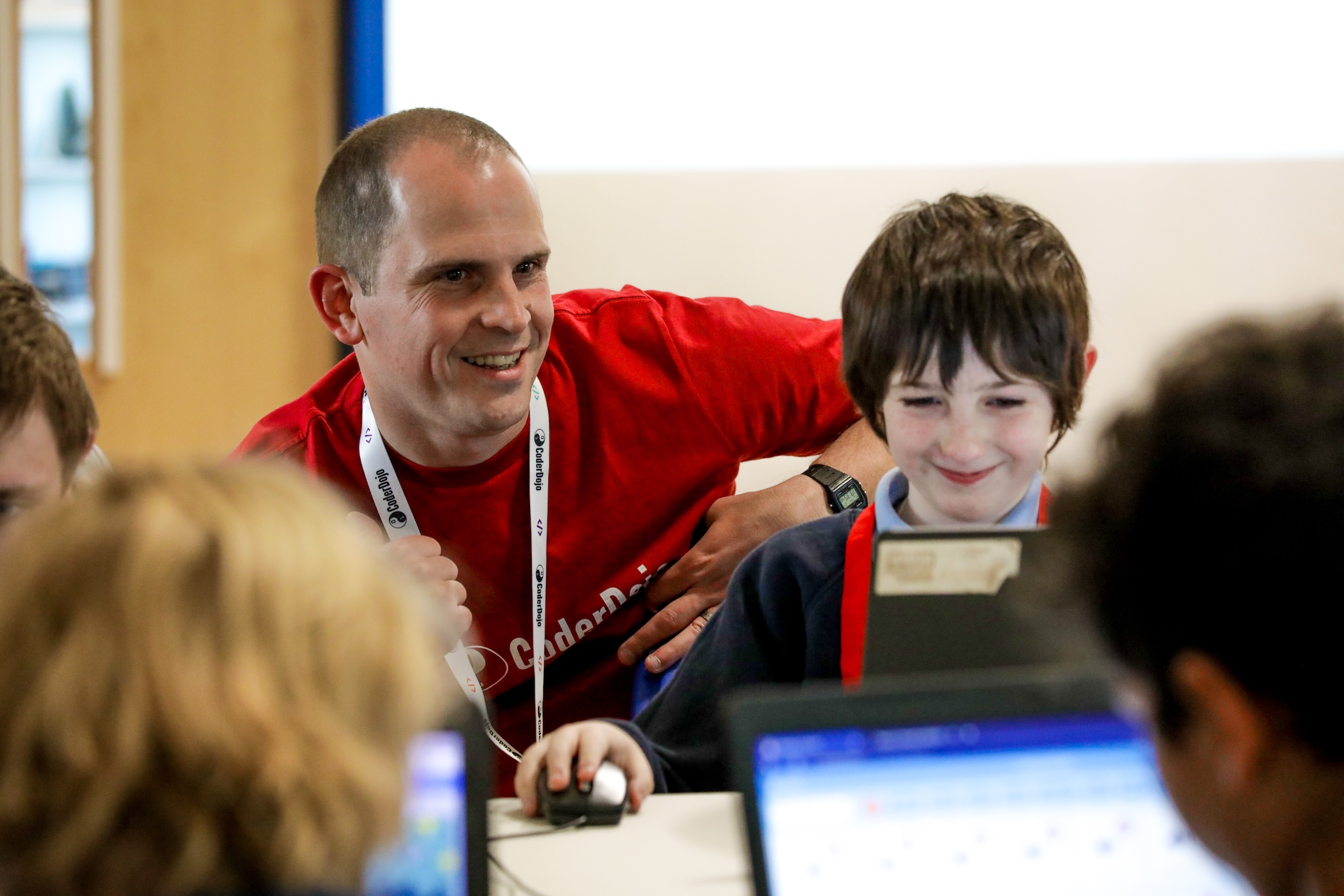
The current mission emphasizes helping young people understand the logic behind AI systems. By learning the fundamentals of coding, students gain the ability to question, shape, and critique the algorithms that increasingly govern modern life. This "computational thinking" is viewed as a foundational skill for the 21st century, akin to reading and writing.
"We need even more clubs that will continue the mission that CoderDojo began," noted Philip Colligan, CEO of the Raspberry Pi Foundation, during a recent engagement at DojoCon in the Netherlands. The organization’s leadership continues to advocate for the expansion of these clubs as a means to ensure that the next generation is not just equipped to use AI, but to understand its ethical implications and technical foundations.
Implications for the Future of Education
The longevity of the CoderDojo movement suggests a shift in how society views skill acquisition. The success of the "non-formal" approach challenges the notion that learning must be a top-down, structured process. Instead, the Dojo model promotes:
- Peer-to-Peer Learning: Ninjas often learn more from one another than from the adult mentors, fostering a culture of mentorship among the youth themselves.
- Openness and Creativity: Without the fear of failure or grades, participants are more willing to take risks and innovate.
- Community Integration: By hosting Dojos in libraries, community centers, and corporate offices, the movement integrates technology education into the fabric of local neighborhoods.
As the movement looks toward the future, upcoming events such as the "Meet, Learn, Make" gathering in Athlone, Ireland, this October, aim to further strengthen the community. These events are designed to share best practices among volunteers and ensure that the core values of fun, creativity, and collaboration remain at the heart of the movement.
For communities like Selby, the goal is to maintain the momentum that has seen hundreds of young people gain their first taste of digital mastery. The call for new volunteers—mentors and champions—remains constant, as the demand for these free resources continues to outstrip supply in many regions.
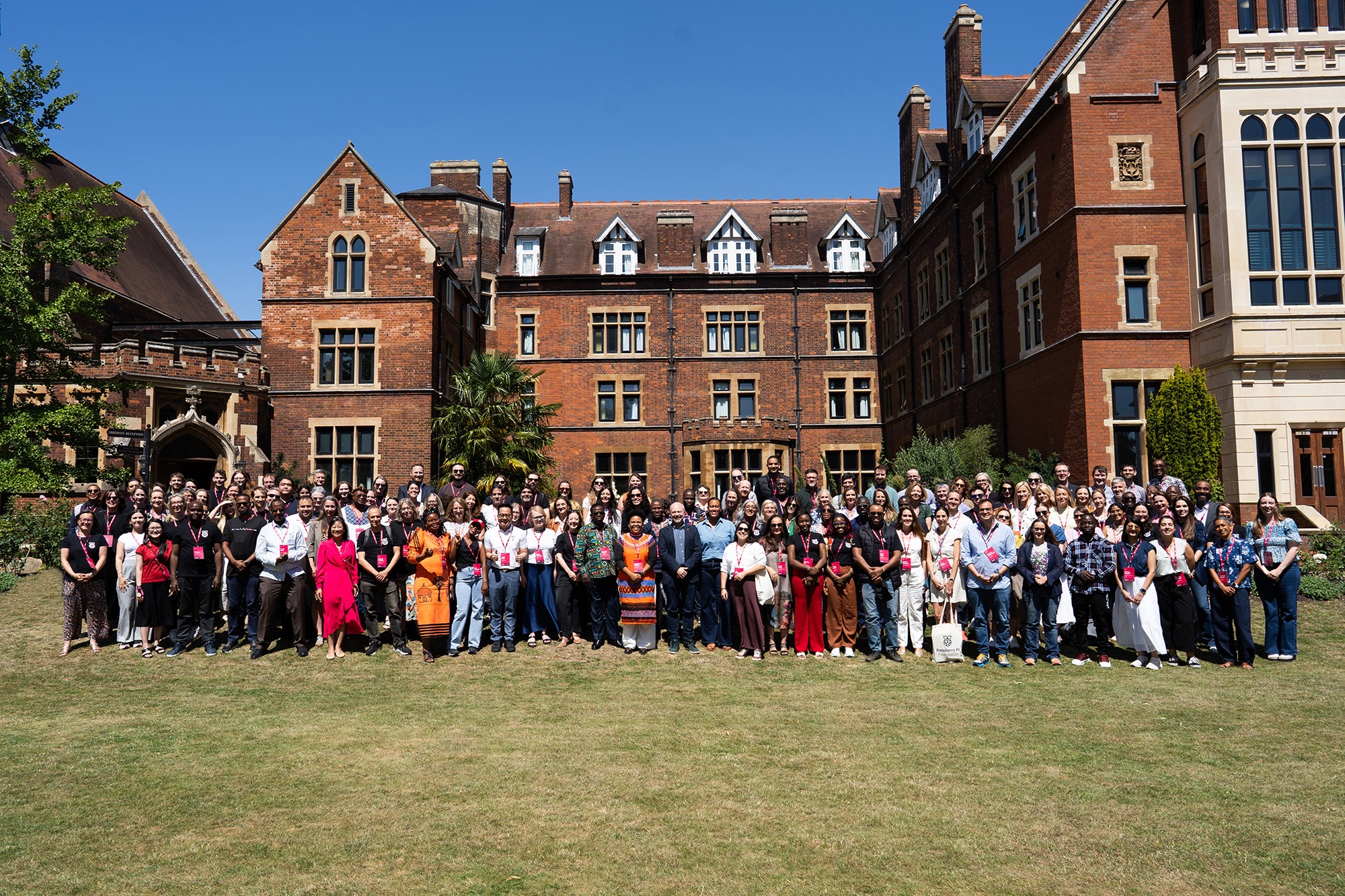
In conclusion, the 15th anniversary of CoderDojo is more than a celebration of a single organization; it is a testament to the power of volunteer-led, community-driven education. As the digital landscape continues to evolve, the principles established in a small school in Cork in 2011—creativity, collaboration, and "being cool"—provide a robust framework for preparing the next generation for an uncertain but technology-rich future.