U.S. Representative Mike Haridopolos, a Republican representing Florida’s 20th Congressional District, finds himself at the nexus of a rapidly expanding commercial space sector along the nation’s historic Space Coast. From his residence in Indian Harbour Beach, the frequent sight of SpaceX’s Falcon 9 rockets ascending from nearby Cape Canaveral has become a familiar, almost routine, occurrence. This proliferation of launches, a stark contrast to the post-Space Shuttle era, reflects a vibrant and evolving industry that Haridopolos, as the Chair of the House Space and Aeronautics Subcommittee, is uniquely positioned to influence.
"We don’t pay attention to the launch schedule as much as we used to because it’s so often — which is a wonderful problem to have," Haridopolos stated in an interview on March 31, the day before the Artemis II mission, NASA’s first crewed lunar flyby in over 50 years, was scheduled to embark. "It’s a real welcome change after the challenges we faced after the shuttle went away."
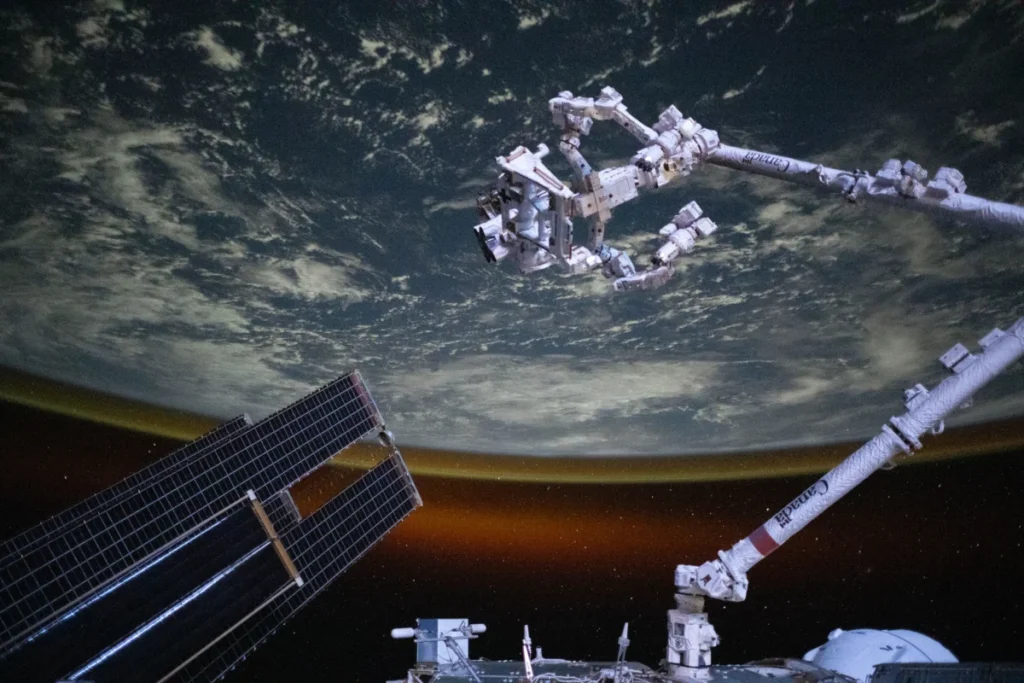
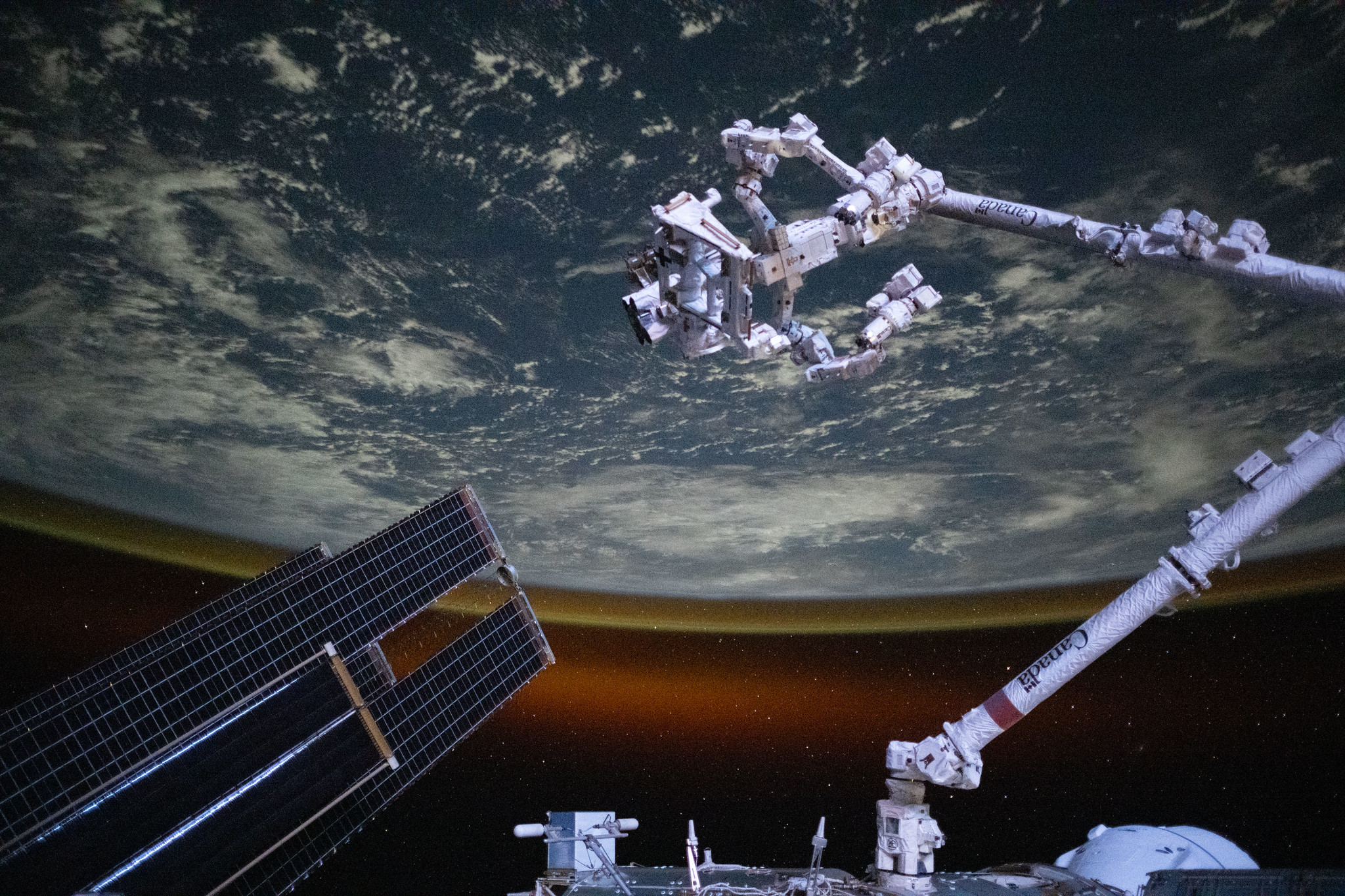
The House Space and Aeronautics Subcommittee, a key subset of the Committee on Science, Space and Technology, plays a pivotal role in shaping NASA’s budget and overarching space policy. Recent deliberations within the subcommittee have centered on critical issues, including NASA’s plan to retire the International Space Station (ISS) at the close of the decade and the subsequent transition to privately owned and operated stations in low-Earth orbit (LEO).
NASA’s initial strategy involved funding at least two commercial LEO destinations. However, budgetary constraints have led to a recalibration of this plan. Officials revealed during a March 24 event at NASA headquarters that current funding levels are only sufficient to support one commercial station. This scenario raises concerns about a potential gap in U.S. presence in LEO if the chosen commercial station is not operational by the time the ISS is decommissioned. In response, NASA is actively seeking industry feedback on an alternative approach: integrating a "core module" onto the ISS that commercial partners could utilize during the station’s final years. This pivot underscores the complex interplay between government directives, private sector innovation, and fiscal realities in the burgeoning space economy.
In a candid interview, Representative Haridopolos elaborated on these pressing issues, offering insights into the path forward for commercial LEO stations and the potential extension of the ISS’s operational lifespan. His perspective, informed by his leadership role on the subcommittee, provides a crucial window into the legislative and policy considerations shaping the future of American space exploration and commerce.
The Shifting Sands of Commercial LEO Development
Q: NASA recently indicated that its assessment of the burgeoning commercial market in low-Earth orbit was overly optimistic. What was your reaction to this assessment?
A: "I believe it’s imperative that we hear directly from industry on this matter. However, with the International Space Station currently slated for deorbit in 2031, I believe there’s a strong case to be made for extending its operational life. The American segment of the ISS remains remarkably robust. We are actively exploring various technological enhancements and modifications that could further extend its utility. There is still considerable value to be derived from this invaluable orbiting laboratory."
Haridopolos emphasized the critical need to ascertain the viability of a marketplace for LEO services beyond NASA’s direct needs. "We must rigorously determine if a robust commercial marketplace exists for entities beyond NASA to utilize space station capabilities. This necessitates a frank assessment of our financial capacities and the potential return on investment for such ventures."
Q: The U.S. portion of the ISS appears secure, but what are your concerns regarding the Russian segments?
A: "The Russian modules are integral components of the ISS. However, they have not received the same level of rigorous upkeep and maintenance as their American counterparts. Furthermore, concerns have been raised regarding their adherence to the same stringent safety standards. Consequently, the Russian segments represent the most vulnerable aspect of the station’s structural integrity. It is paramount that we fully comprehend the implications of the Russian component and proactively address any potential deficiencies."
Since 2019, Roscosmos, the Russian space agency, has reported the presence of air leaks in multiple Russian ISS segments. While NASA announced in the past year that these leaks had stabilized, the agency’s Aerospace Safety Advisory Panel has characterized the issue as a "significant long-term risk," highlighting the ongoing need for vigilance and potential mitigation strategies.
Navigating Geopolitical Tensions and Maintaining U.S. Autonomy
Q: Should the United States explore operational pathways for the ISS that could potentially function without Russian involvement?
A: "We have cultivated strong partnerships within the Artemis program, and I believe it’s crucial to continue pushing the boundaries of international collaboration. Simultaneously, we must acknowledge the evolving geopolitical landscape, particularly the competitive dynamic with China, and the strained relationship with Russia. The less reliant we are on any single nation for critical space infrastructure, the more strategically advantageous it becomes for the United States."
Haridopolos underscored the importance of self-reliance in space endeavors. "I believe that increasing our independence from any particular partner would be a prudent decision in the broader strategic context. If Russia is unable or unwilling to allocate the necessary resources to maintain its segment of the space station in full operational status, then we must continuously evaluate and pursue alternative technological advancements. We must remain open to necessary adaptations, but our hope remains that relations with Russia can improve."
Strategic Investments in the Future of Space
Q: Regarding NASA’s proposal to procure a new core module for attachment to the ISS, is this a fiscally responsible investment from a taxpayer perspective?
A: "Decisions of this magnitude will be made in close coordination with the leadership of the committee and following extensive consultation with Administrator Jared Isaacman. However, concerning the ISS, there is a broad consensus that extending its operational life is a logical and economically sound approach. Maintaining the station in orbit is demonstrably less costly than deorbiting it and constructing an entirely new facility. We need to conduct a thorough economic analysis, encompassing both taxpayer expenditures and the potential for a commercial market beyond NASA’s requirements to sustain these experimental platforms. We have a window of opportunity to thoroughly explore these economic factors."
The House Committee on Science, Space and Technology advanced a NASA reauthorization bill in February that includes a directive for NASA to submit a report detailing "potential options and associated costs" for ensuring a continuous U.S. presence in LEO. This report is intended to encompass strategies such as "supporting the operation of the ISS beyond 2030." In March, the Senate Commerce Committee passed its version of the bill, which includes a provision to extend ISS operations until 2032.
Haridopolos continued, "It appears to me that our primary strategic objective at this juncture is the establishment of a lunar base in the future, a development that could unlock unprecedented possibilities for exploration and scientific discovery."
Q: NASA officials have characterized the funding allocated for the development of commercial LEO stations as significantly insufficient. Do you concur with this assessment?
A: "This is a central point of ongoing debate. It is undeniable that Congress has demonstrated a strong commitment to NASA, allocating over $24 billion in funding, with an additional nearly $10 billion provided through the ‘One Big Bill.’ While the intent and purpose of congressional support are clear, we must also acknowledge the substantial investments required for critical infrastructure improvements at NASA facilities. These terrestrial assets, though perhaps less glamorous than orbital endeavors like Gateway, are essential for the agency’s long-term operational capacity. We must prioritize these fundamental upgrades. I am committed to a balanced approach and do not wish to advance initiatives without fully understanding the foundational requirements."
The comprehensive tax and spending package signed into law in July included $10 billion for various NASA programs. This funding encompassed approximately $1.5 billion designated for ISS operations through 2030 and for the U.S. Deorbit Vehicle, a contract awarded to SpaceX by NASA.
The Uncertainty of the Commercial LEO Marketplace
Q: Are you confident in the existence of a substantial market for commercial activities in low-Earth orbit, or do you believe NASA still needs to actively cultivate this market?
A: "NASA provides a foundational platform that can support many of these initiatives. The critical question, however, is the scale of the facility required once the ISS is no longer operational. At present, the market signals are not sufficiently robust to provide a definitive answer. This decision will need to be made within the next few years, and it is precisely why we are conducting these ongoing hearings. My priority is to solicit direct input from the commercial marketplace. We are observing a spectrum of signals, some encouraging and others less so."
Haridopolos articulated a cautious approach to federal investment. "I want to be clear that I do not wish to avoid this issue, but I am hesitant to commit taxpayer funds to an investment without demonstrable demand. We need to see clear indications from the private sector that there is a genuine need for these capabilities, whether for medical research, energy development, or other applications. Our goal is to foster a sustainable ecosystem where private enterprise drives innovation and investment."
The congressman’s remarks highlight the complex challenges and opportunities facing the U.S. space program. As commercial entities increasingly play a larger role, policymakers like Representative Haridopolos are tasked with balancing ambitious national goals with fiscal responsibility, ensuring that taxpayer investments yield tangible returns and that the United States maintains its leadership in the final frontier. The ongoing discussions surrounding the ISS’s future and the development of commercial LEO stations will undoubtedly shape the trajectory of space exploration and commerce for decades to come.