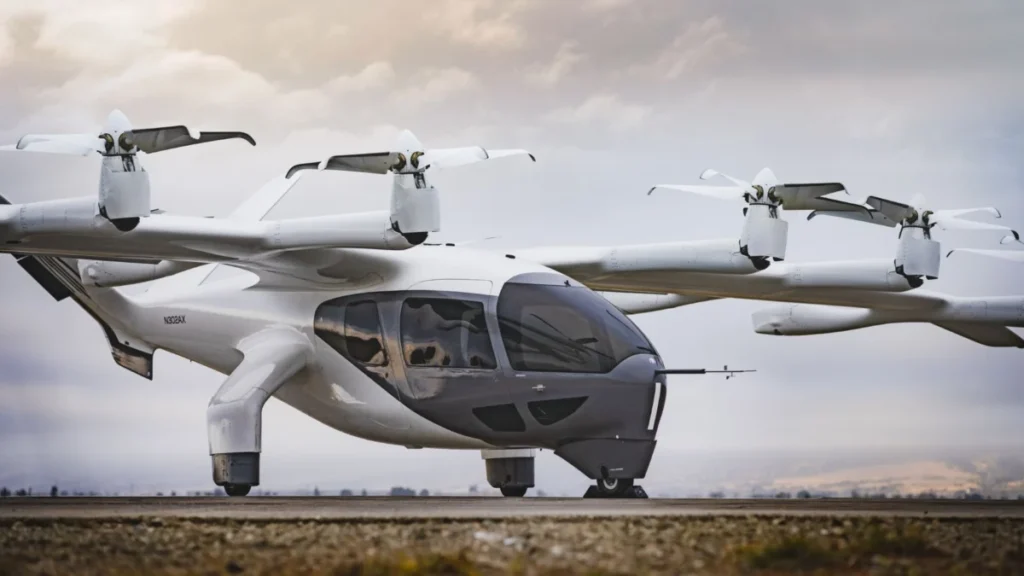
The burgeoning electric air taxi industry, a cornerstone of the future Advanced Air Mobility (AAM) ecosystem, has long recognized that while aircraft development has progressed steadily, the necessary ground infrastructure, particularly charging capabilities, remains a significant hurdle. A new, landmark initiative aims to bridge this critical gap: America’s Consortium for Electric Skyways (ACES). This strategic alliance, spearheaded by Archer Aviation, BETA Technologies, and Macquarie Capital, plans to develop a comprehensive, shared network of up to 250 charging sites for next-generation electric aircraft across the United States within the next decade.
The ACES initiative represents a crucial step in translating the vision of quiet, emissions-free urban and regional air travel into a tangible reality. The partners intend to electrify existing aviation facilities, primarily airports, and establish future vertiports in key metropolitan areas. These locations are strategically chosen as the anticipated epicenters for the initial rollout of commercial electric vertical takeoff and landing (eVTOL) operations. By establishing a robust and standardized charging backbone, ACES seeks to unlock the full commercial potential of eVTOL technology, moving it beyond demonstration flights and into routine service.
Addressing the Critical Infrastructure Bottleneck
The lack of a unified, widespread charging infrastructure has been consistently identified as one of the most pressing challenges facing the commercialization of eVTOL aircraft. Unlike the established, albeit complex, fuel supply chains for traditional aviation, electric aircraft require entirely new paradigms for energy delivery. Early deployment efforts by ACES will concentrate on high-demand metropolitan regions where air taxi services are projected to launch first, including economically dynamic states such as California, Texas, Florida, and New York. These regions typically possess high population densities, existing transportation congestion, and a readiness for technological adoption, making them ideal proving grounds for initial eVTOL services.
A cornerstone of the ACES strategy is its commitment to interoperability. Every charging site within the network will utilize equipment built around the Combined Charging Standard (CCS), an open protocol that has already garnered substantial support across the nascent eVTOL industry. This choice of a common standard is profoundly significant. It means that electric aircraft from various manufacturers will be able to seamlessly plug into and utilize the same charging network, much like different electric car brands can use a universal charging station. This foresight directly addresses the potential for fragmented infrastructure, a common pitfall in emerging technologies, and is expected to significantly lower deployment and operational costs as electric aviation expands its footprint nationwide.
The network is meticulously designed for shared use, accommodating a diverse range of electric aviation operations. This includes not only passenger aircraft, such as those being developed by Archer Aviation, but also vital cargo operators and potentially even specialized medical transport services. This multi-use approach eliminates the need for redundant, separate infrastructure builds, maximizing efficiency and resource allocation. BETA Technologies, a key consortium member, will be responsible for providing the advanced charging hardware, leveraging its expertise in electric propulsion and infrastructure. Archer Aviation, a leading eVTOL developer, plans to integrate this network into its future passenger service operations. Macquarie Capital, with its extensive experience in infrastructure financing and development, will manage the significant capital investment required to acquire suitable sites and develop the sophisticated facilities. The consortium leadership has also indicated an openness to, and expectation of, additional industry participants joining the network as it matures and expands into new geographical markets, fostering a truly collaborative ecosystem.
Supporting the Broader Advanced Air Mobility Ecosystem
The ACES initiative is not merely a commercial venture; it aligns strategically with overarching national objectives for advanced aviation. It directly supports the Federal Aviation Administration’s (FAA) eVTOL Integration Pilot Program, an essential regulatory framework designed to prepare the U.S. airspace and ground infrastructure for the safe and efficient integration of AAM into commercial operations. Both Archer and BETA have been selected for this pivotal FAA program, underscoring their roles as industry leaders and their commitment to collaborative development.
Dan Edwards, Principal Deputy Assistant Secretary for Aviation and International Affairs at the U.S. Department of Transportation, has previously emphasized that the success of commercial electric aviation extends far beyond the technical certification of individual aircraft. He highlighted that a comprehensive network of interoperable charging sites is indispensable for establishing the foundational infrastructure required for long-term, scalable operations. Such an initiative also serves to reinforce the country’s global leadership in the rapidly evolving field of advanced aviation, positioning the U.S. at the forefront of this technological revolution.
Adam Goldstein, founder and CEO of Archer Aviation, has consistently articulated that electric air taxi services cannot achieve meaningful scale without dependable and accessible charging infrastructure. He stressed the economic and operational advantages of locating interoperable chargers in planned operating markets. This strategy allows multiple operators to share the same critical network, thereby distributing the substantial infrastructure costs across the entire industry rather than burdening individual companies. This collaborative cost-sharing model is critical for fostering widespread adoption and ensuring the financial viability of nascent AAM services.
Beyond Passenger Flights: Diversifying Use Cases and Maximizing Impact
The envisioned charging network’s utility extends significantly beyond scheduled passenger transportation. Archer Aviation, for instance, anticipates leveraging this infrastructure during peak operating periods to ensure seamless service delivery. Similarly, BETA Technologies’ commercial customers will gain access to these same chargers for a variety of critical operations, including time-sensitive cargo flights and essential medical transport, potentially revolutionizing logistics and emergency response capabilities.
A forward-thinking aspect of the ACES network is its potential to support broader airport electrification. Airport ground support vehicles that are compatible with the CCS standard will also be able to utilize the charging network. This extends the network’s role beyond aircraft, enabling airports to accommodate multiple types of electric vehicles without the need to construct separate, specialized charging systems for each. This shared infrastructure model represents a significant step towards fully electrifying airport operations, contributing to a reduction in local emissions and noise pollution, aligning with global sustainability goals.
Kyle Clark, founder and CEO of BETA Technologies, succinctly captured the essence of the initiative, stating that interoperable chargers built on an open standard provide nearly all the physical infrastructure needed for the realization of advanced air mobility. David Farkas, Managing Director at Macquarie Capital, further elaborated on the consortium’s unique strength, highlighting that it harmoniously combines deep aviation expertise, cutting-edge charging technology, and robust infrastructure financing capabilities. This potent combination is designed to create a national network that is accessible to any eVTOL manufacturer, simultaneously establishing a scalable and replicable model for future urban air mobility projects around the globe.
The Broader Implications and Future Outlook
The ACES initiative arrives at a pivotal moment for Advanced Air Mobility. Industry analysts, such as those at Morgan Stanley, have projected the AAM market could reach $1 trillion by 2040, driven by demand for faster, more efficient, and environmentally friendly transportation options. However, these projections are heavily contingent on overcoming infrastructure challenges. The commitment to 250 sites by 2030, with an open standard like CCS, provides a tangible roadmap for growth.
The deployment of these charging sites will require significant coordination with local authorities, urban planners, and energy providers. The energy demands of rapidly charging multiple eVTOL aircraft will place new strains on existing electrical grids, necessitating upgrades and strategic energy management solutions. Collaborations with utility companies will be paramount to ensure that the necessary power infrastructure is in place to support these high-demand charging hubs. Furthermore, the integration of renewable energy sources, such as solar arrays at vertiports, could further enhance the environmental credentials of AAM.
Beyond the technical and financial aspects, the success of ACES and the broader AAM industry also hinges on public acceptance. Community engagement will be vital in addressing concerns related to noise, visual impact, and airspace safety. The quiet electric propulsion of eVTOLs offers a significant advantage over traditional helicopters, but careful planning and transparent communication will be essential for successful integration into urban landscapes.
This initiative is not an isolated event but rather a critical piece of a larger puzzle. It complements ongoing efforts by the FAA to develop air traffic management systems specifically tailored for eVTOLs, establish pilot training and certification programs, and define operational rules for this new class of aircraft. By proactively addressing the charging infrastructure challenge, ACES is helping to de-risk investments for other AAM players and accelerating the timeline for commercial operations.
In conclusion, America’s Consortium for Electric Skyways marks a watershed moment for the Advanced Air Mobility sector. By bringing together key players in aircraft manufacturing, charging technology, and infrastructure finance, ACES is systematically dismantling one of the most significant barriers to commercial eVTOL adoption. The strategic focus on interoperability, shared use, and critical metropolitan areas positions the U.S. to lead in this transformative transportation paradigm. As these 250 charging sites come online over the next decade, they will not only power electric air taxis but also ignite a new era of urban and regional connectivity, fundamentally reshaping how people and goods move across the nation.






