The European Space Agency (ESA) in partnership with the Raspberry Pi Foundation has officially announced the commencement of the European Astro Pi Challenge for the 2026/27 academic year. Launched on 14 September 2026, this international educational initiative invites students and young people from across ESA member states and Canada to engage in high-level computer science and space research. By providing participants with the opportunity to run their own code on specialized Raspberry Pi hardware currently orbiting the planet aboard the International Space Station (ISS), the program continues its mission to bridge the gap between classroom learning and real-world scientific application.
The Astro Pi Challenge has grown into one of the most significant STEM (Science, Technology, Engineering, and Mathematics) outreach programs in the world. It utilizes two uniquely modified Raspberry Pi computers, known as "Astro Pis," which are equipped with an array of sensors and cameras. These units, nicknamed Ed and Izzy, serve as the orbital platform for thousands of student-led experiments annually. This year’s challenge is structured into two distinct tracks—Mission Zero and Mission Space Lab—tailored to different age groups and technical skill levels, ensuring a broad and inclusive reach.
Mission Zero: Democratizing Coding through Digital Art
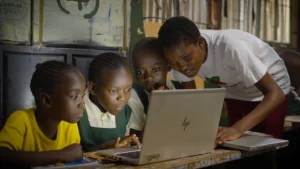
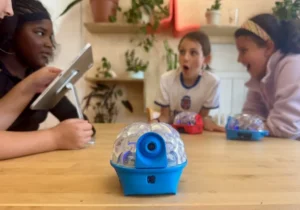
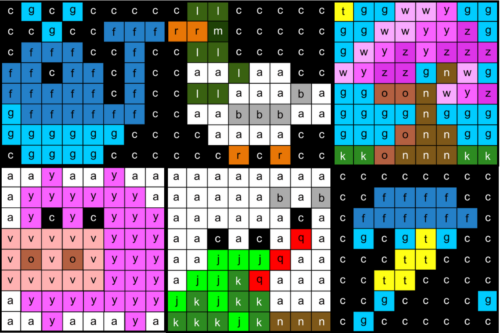
Mission Zero is designed as an entry-point for beginners, specifically targeting youth between the ages of 9 and 16. The primary objective of this mission is to introduce the fundamentals of the Python programming language through a creative lens. Participants are tasked with creating a piece of digital pixel art that will be displayed on the Astro Pi’s 8×8 LED matrix for astronauts to see as they conduct their daily duties on the ISS.
To enhance the scientific relevance of this mission, participants are required to incorporate live data into their programs. Using a web-based code editor, students write scripts that utilize the Astro Pi’s color and light sensors. The program must capture a reading from the ISS environment and use that data to influence the artwork—for example, changing the background color of the art based on the ambient light levels inside the station.
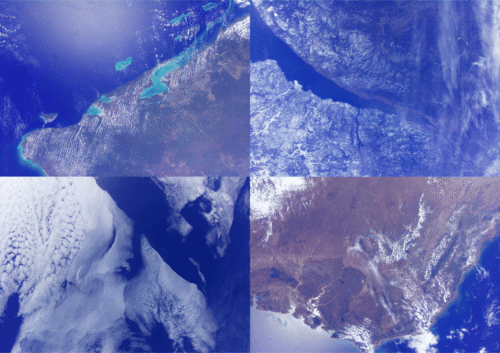
For the 2026/27 season, "Mission Control" has introduced expanded resources to support educators and students. New project guides include step-by-step worked examples, such as code for two-frame animations and static imagery. This accessibility is a cornerstone of the project, as Mission Zero requires no prior coding experience and no specialized hardware on the ground. Every eligible entry is guaranteed to run in space, and participants receive an official certificate documenting the exact time and location of the ISS when their code was executed.
Mission Space Lab: Conducted Research at 400 Kilometers
For more advanced students aged 12 to 19, Mission Space Lab offers a rigorous introduction to the scientific method and data analysis. Working in teams of two to six, participants design and execute an original scientific experiment that addresses a specific research question. This track requires a deeper understanding of Python and a strategic approach to data collection in the challenging environment of Low Earth Orbit (LEO).
The Astro Pis on the ISS are equipped with High Quality (HQ) cameras and a suite of sensors including an Inertial Measurement Unit (IMU) for tracking movement, as well as sensors for pressure, temperature, and humidity. Teams can choose to focus on one of two primary research areas:
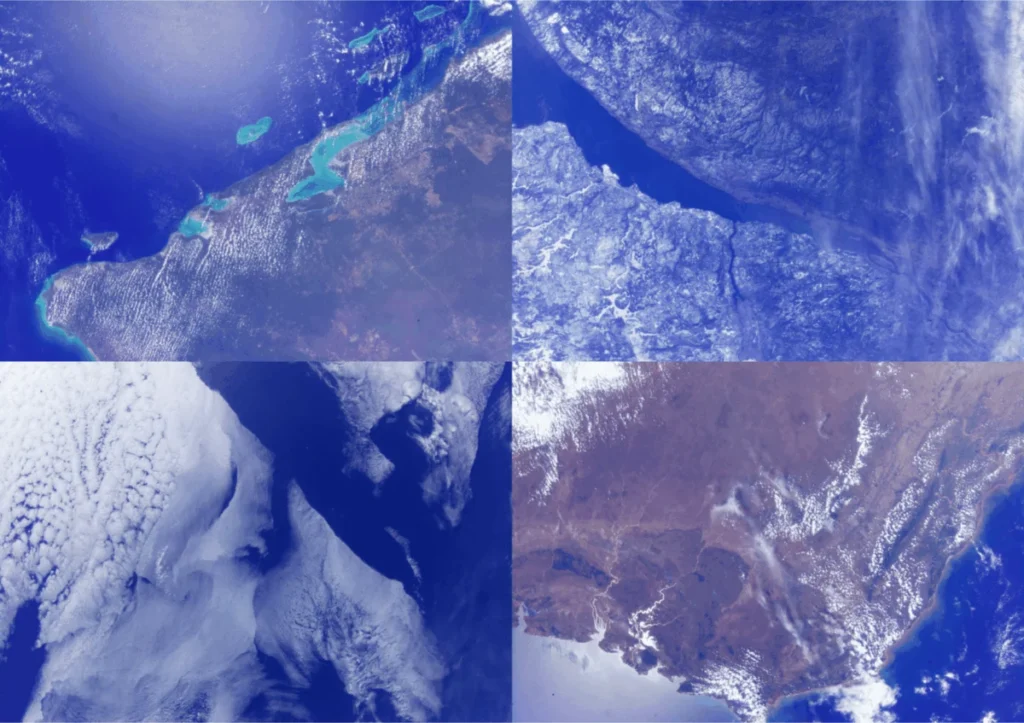
- Life on Earth: Utilizing the Astro Pi’s infrared or visible light cameras to conduct Earth observation. This often involves calculating the Normalized Difference Vegetation Index (NDVI) to analyze plant health and forest cover from space.
- Life in Space: Using the IMU and other sensors to investigate the environment of the ISS or to calculate the station’s orbital velocity and orientation.
A significant update for the 2026/27 cycle is the inclusion of a "basic data capture" template in the Mission Space Lab Creator Guide. This resource is designed to help teams streamline the initial phases of their project, allowing them to focus on higher-level logic and data interpretation. Every team that meets the eligibility criteria and passes the technical "flight status" check is granted a ten-minute window of runtime on the ISS hardware.
The Technical Backbone: From Raspberry Pi to Astro Pi
The hardware utilized in the challenge represents a feat of engineering adaptation. The current Astro Pi units (Mark II) are based on the Raspberry Pi 4 Model B, significantly upgraded from the original units deployed during ESA astronaut Tim Peake’s "Principia" mission in 2015. These units are encased in flight-grade aluminum heat sinks to manage thermal dissipation in the microgravity environment of the ISS, where convection cooling does not occur.
The Mark II units feature a 12.3-megapixel Sony IMX477 sensor, providing high-resolution imagery of the Earth’s surface. This allows Mission Space Lab participants to identify geographical features, weather patterns, and environmental changes with remarkable clarity. The integration of these consumer-grade components into space-qualified hardware demonstrates the versatility of modern computing and its potential for education.
Chronology of the 2026/27 Challenge
The Astro Pi Challenge follows a structured timeline designed to align with the academic year. Following the official launch on 14 September 2026, the program moves through several critical phases:
- Phase 1 (Submission): Teams register and submit their programs through the online portal. For Mission Zero, this typically remains open until early spring. For Mission Space Lab, teams must first submit an experiment proposal for review.
- Phase 2 (Technical Review): Programs are tested by the Raspberry Pi Foundation and ESA to ensure they do not contain bugs that could interfere with the ISS computer systems.
- Phase 3 (Deployment): Successful programs are uploaded to the ISS via NASA’s communication uplinks.
- Phase 4 (Execution): The programs run on Ed or Izzy. Data and images are recorded and stored for download.
- Phase 5 (Data Analysis and Certification): Teams receive their data back along with certificates. Mission Space Lab teams then write a final report based on their findings.
Leadership and Inspiration: Thomas Pesquet’s Return
The 2026/27 challenge is bolstered by the return of ESA astronaut Thomas Pesquet as the official ambassador. Pesquet, a veteran of two long-duration missions to the ISS (Proxima and Alpha), has a long-standing history with the Astro Pi project. Having served as ambassador during the 2016/17 and 2020/21 editions, his involvement provides a direct link between the students and the professional astronaut corps.
Pesquet’s endorsement comes at a pivotal time in his career, as he is currently preparing to command a private astronaut mission scheduled for 2027. His participation emphasizes the importance of digital literacy in the modern space industry. "To understand space, we must understand the data that comes from it," Pesquet has previously noted, highlighting that coding is now as essential a tool for astronauts as any physical piece of equipment.
Broader Implications for STEM Education and Industry
The European Astro Pi Challenge is more than a coding competition; it is a strategic initiative by ESA and the Raspberry Pi Foundation to address the "skills gap" in the European labor market. As the global space economy expands—projected to reach over $1 trillion by 2040—the demand for software engineers, data scientists, and systems analysts is at an all-time high.
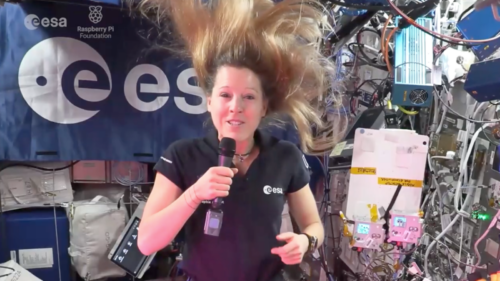
By providing young people with "flight heritage" (the distinction of having code run in space), the program builds confidence and encourages students from diverse backgrounds to pursue careers in technology. The involvement of ESEROs (European Space Education Resource Offices) ensures that the challenge is localized and accessible in multiple languages, further promoting inclusivity across the continent.
Furthermore, the data collected by Mission Space Lab teams contributes to a growing archive of citizen science. Observations of deforestation, urban expansion, and melting glaciers captured by student code provide a unique, grassroots perspective on global environmental challenges. This fosters a sense of global citizenship and environmental stewardship among participants.
Support and Resources for Participants
To ensure the success of participating teams, the Astro Pi Mission Control team offers extensive support. This includes interactive livestreams, online workshops, and direct communication channels for troubleshooting. Educators are encouraged to sign up for the official newsletter to receive updates on support sessions and deadlines.
The European Astro Pi Challenge 2026/27 stands as a testament to the power of collaborative education. By turning the International Space Station into a classroom laboratory, ESA and its partners are not just teaching children how to code; they are inspiring them to look at the stars and realize that their potential is truly limitless. As the challenge begins today, the eyes of the European scientific community are on the next generation, waiting to see what art they will create and what discoveries they will make from 400 kilometers above the Earth.