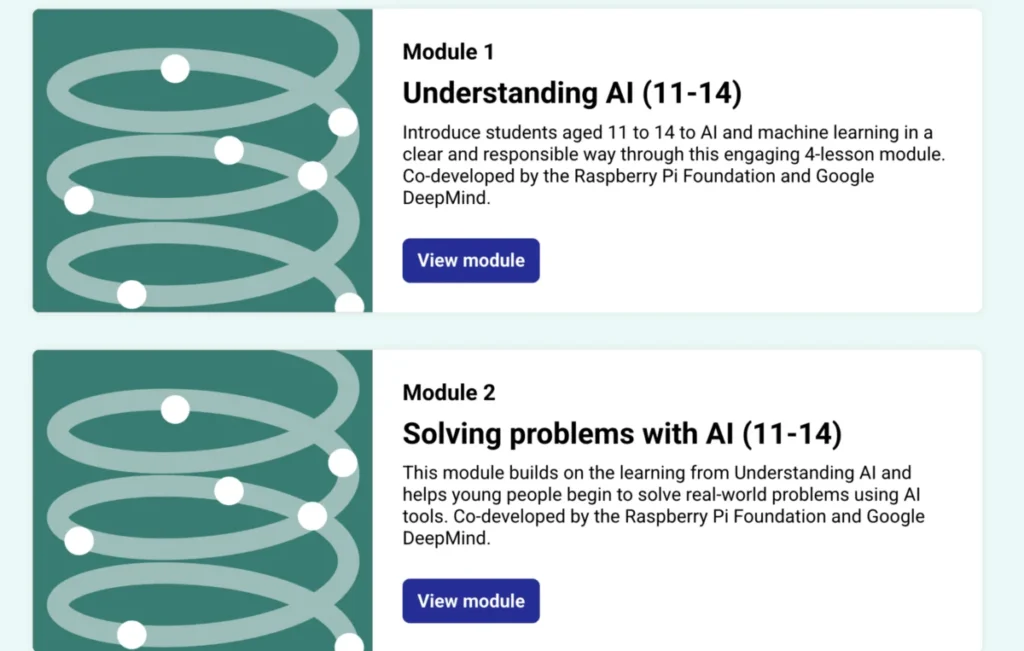
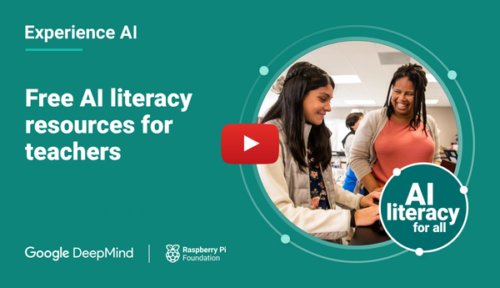
The rapid evolution of artificial intelligence (AI) has created an unprecedented demand for digital literacy in classrooms worldwide, prompting the Raspberry Pi Foundation and Google DeepMind to launch an updated and expanded suite of Experience AI resources. This initiative aims to equip young people with a foundational understanding of AI and machine learning by providing educators with the necessary tools, confidence, and pedagogical frameworks to integrate these complex topics into various subjects. Since its inception in 2023, the Experience AI program has seen remarkable global adoption, with its resources being downloaded more than one million times across 195 countries. This expansion marks a significant shift in strategy, moving from subject-specific modules to a flexible, thematic approach designed to fit the diverse needs of international education systems.
The Evolution of Experience AI: A Global Response to Technological Change
The Experience AI program was born out of a collaborative effort between the Raspberry Pi Foundation, a UK-based charity dedicated to putting the power of computing into the hands of people all over the world, and Google DeepMind, one of the world’s leading AI research laboratories. The partnership sought to address a growing gap in the global education sector: while AI technologies were beginning to reshape industries and daily life, the school curricula in most nations had not yet caught up.
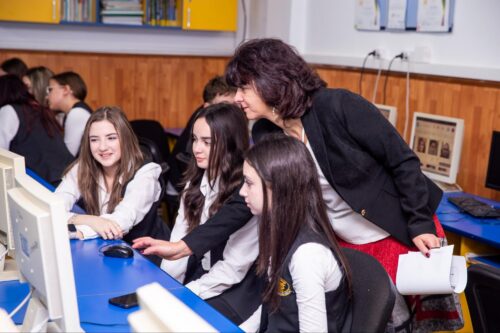
In early 2023, the first set of Experience AI resources was released, focusing on the mechanics of machine learning and the ethical implications of automated systems. The response was immediate and global. Educational organizations in over 40 countries partnered with the foundation to train teachers, ensuring that the content was not just available but effectively implemented. By mid-2024, the program reached a milestone of one million downloads, signaling a clear appetite among educators for high-quality, free, and accessible AI teaching materials.
The latest update to the suite is a direct response to feedback from this global community. Teachers reported that while the technical content was valuable, the "curriculum squeeze"—the pressure to cover existing mandatory subjects—made it difficult to find dedicated time for AI-specific lessons. Consequently, the new Experience AI resources have been redesigned to be cross-curricular, allowing a geography teacher, an art teacher, or a business studies teacher to incorporate AI literacy into their existing lesson plans without requiring additional instructional hours.
A Chronology of Development and Global Reach
The trajectory of the Experience AI initiative reflects the broader timeline of AI’s integration into the public consciousness. Following the public release of various generative AI tools in late 2022, the need for "AI literacy" moved from a niche concern to a primary educational objective.
- January 2023: The Raspberry Pi Foundation and Google DeepMind announce their partnership to create Experience AI.
- September 2023: The initial curriculum is launched, targeting secondary school students. The focus is on "how AI works" and "the AI project lifecycle."
- Early 2024: Training programs are established with international partners, including Digital Moment in Canada, to adapt the resources for different cultural and linguistic contexts.
- Mid-2024: Data reveals that the resources have reached 195 countries. Feedback indicates that non-computing specialists are increasingly tasked with teaching AI.
- September 2024: The launch of the "Thematic" suite, including the "Discovering AI" lessons for younger cohorts (ages 8–12) and specialized units on generative AI and real-world applications like flood forecasting.
Strategic Shift to Thematic and Cross-Curricular Learning
The core of the updated Experience AI suite is the "thematic" approach. Traditionally, computer science topics are relegated to ICT or computing classrooms. However, the Raspberry Pi Foundation argues that because AI impacts every facet of society, its study should not be confined to a single domain.
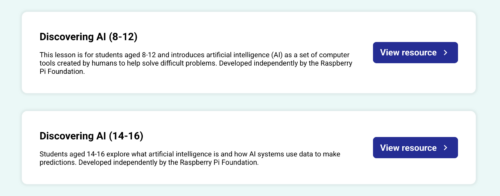
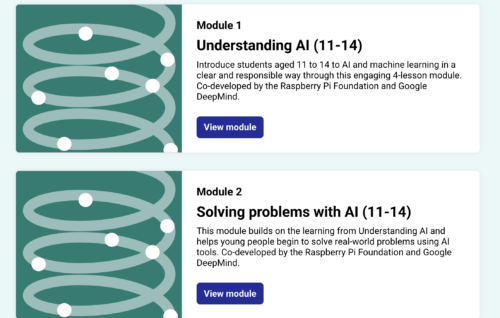
The new resources include "Discovering AI," which provides single-lesson introductions for two distinct age groups: 8–12 and 13–16. These lessons are designed for students with zero prior knowledge, using age-appropriate activities to demystify how algorithms make decisions. Following these introductory sessions, the "Foundations of AI" units offer a deeper dive into the technicalities of data training, model testing, and the social implications of bias in AI systems.
The thematic units are perhaps the most innovative aspect of the update. By organizing content around themes such as the environment, creativity, and critical thinking, the program enables teachers to meet their own subject goals through the lens of AI. For example:
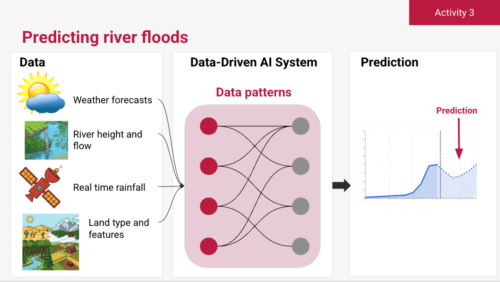
- The Environment: A unit on how AI is used for flood forecasting can be utilized in a Geography lesson to discuss climate change adaptation, or in a Physics lesson to discuss data modeling.
- Creativity: Resources exploring AI-generated art and media can be integrated into Art or Media Studies to discuss the nature of authorship and the ethics of synthetic media.
- Critical Thinking: Lessons on AI bias and social media algorithms are highly relevant to Citizenship, History, or Social Studies, helping students understand how information is curated and consumed in the digital age.
Supporting Data and the Digital Literacy Gap
The necessity for such resources is underscored by recent global educational data. According to reports from the World Economic Forum, over 75% of companies are looking to adopt AI technologies over the next five years, which will fundamentally change the skills required in the workforce. Despite this, a 2023 survey of educators found that less than 15% felt they had received adequate training to teach AI-related topics.
The Experience AI program addresses this discrepancy by offering all resources for free. This is a critical factor in closing the "digital divide" between well-funded private institutions and under-resourced public schools. By providing "unplugged" activities—lessons that teach AI concepts without requiring expensive hardware or high-speed internet—the program ensures that AI literacy is accessible to students in developing economies and rural areas.
Furthermore, the partnership with Digital Moment in Canada has provided a blueprint for how these resources can be co-developed with regional experts. Digital Moment co-created the Social Media and Flood Forecasting units, ensuring that the examples used are relevant to students’ lived experiences and local environmental challenges.
Official Responses and Institutional Perspectives
The Raspberry Pi Foundation has emphasized that the goal is not to turn every student into a computer scientist, but to ensure every student is an informed citizen. In statements regarding the update, representatives from the Foundation noted that the thematic approach is about "flexibility and relevance." They observed that teachers were already "hacking" the resources—adapting a biology-focused AI ecosystem unit for geography—and the new suite simply formalizes and supports that organic behavior.
Google DeepMind’s involvement underscores the private sector’s responsibility in fostering an AI-literate generation. By providing the technical expertise to ensure the curriculum reflects the current state of the art in AI research, Google DeepMind helps keep the educational content accurate and forward-looking.
Feedback from educators involved in the pilot programs has been overwhelmingly positive. Many noted that the new "Discovering AI" lessons were particularly effective because they reduced the "barrier to entry" for teachers who felt intimidated by the subject matter. One educator noted that the flexibility of the thematic modules allowed them to "bring AI into the conversation naturally," rather than treating it as a "scary, separate topic."
Broader Impact and Future Implications
The expansion of Experience AI has significant implications for the future of global education. As more countries move toward formalizing AI literacy in their national curricula, the resources provided by the Raspberry Pi Foundation and Google DeepMind are likely to serve as a foundational benchmark.
The program’s focus on ethics and critical thinking is particularly vital. As generative AI tools become more integrated into the educational process, students must learn not just how to use these tools, but how to evaluate their outputs critically. By teaching the "Foundations of AI," the program empowers students to understand that AI is a tool created by humans, subject to human errors and biases, rather than an infallible oracle.
Looking ahead, the Experience AI initiative plans to continue its iterative development. The Foundation has called for ongoing feedback from the global teaching community to refine the resources. As AI technology continues to advance—particularly in areas like robotics, personalized medicine, and autonomous systems—the Experience AI suite will likely expand to cover these emerging fields.

In conclusion, the updated Experience AI resources represent a sophisticated, scalable solution to one of the most pressing challenges in modern education. By prioritizing teacher confidence and cross-curricular flexibility, the Raspberry Pi Foundation and Google DeepMind are ensuring that the next generation is not merely a passive consumer of AI, but an informed participant in a world increasingly defined by automated systems. The success of the program thus far—reaching over a million users in nearly every country on Earth—demonstrates that while technology moves fast, collaborative, high-quality education can keep pace.