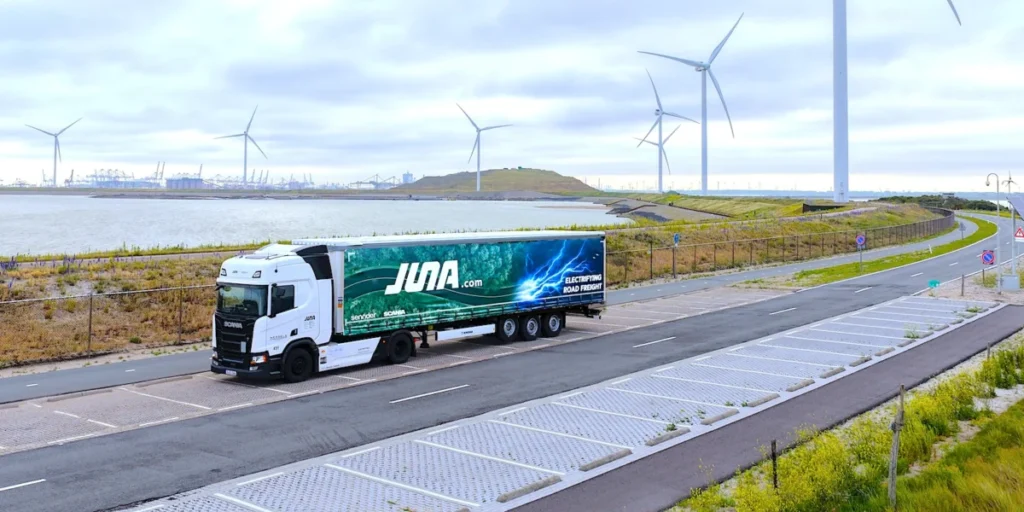
In a significant development for the European logistics sector, JUNA, the innovative joint venture between German logistics firm sennder and Swedish truck manufacturer Scania, has announced the successful deployment of its 110th electric truck. This milestone underscores the growing viability and adoption of battery-electric vehicles (BEVs) in heavy-duty commercial transport, a segment long considered a challenging frontier for electrification. The achievement signifies a tangible shift towards decarbonizing freight networks, moving beyond pilot programs to widespread operational integration.
A Groundbreaking Fleet Deployment
The deployment of 110 electric semi-trucks by JUNA represents a substantial commitment to sustainable logistics solutions. This fleet has collectively traveled over 3.9 million emissions-free kilometers since the initiative’s inception approximately two years ago. This distance is equivalent to roughly 100 circumnavigations of the Earth at the equator, highlighting the extensive operational mileage accumulated by these advanced vehicles. The trucks are actively engaged in international transport routes spanning Germany, Italy, Poland, and the Netherlands, demonstrating their capability to handle complex, cross-border logistics operations.
JUNA’s operational model is designed to facilitate the transition to electric mobility for carriers and shippers alike. By partnering with freight forwarders and understanding their specific transport needs, JUNA identifies optimal routes and integrates electric vehicles into existing supply chains. A key element of their offering is a flexible pay-per-use model, which significantly lowers the barrier to entry for carriers by mitigating the substantial upfront investment typically associated with purchasing electric trucks and establishing charging infrastructure. This approach enables businesses to begin decarbonizing their freight traffic immediately, without the financial burden of owning the assets outright.
Gustaf Sundell, Executive Vice President and Head of Ventures and New Business at Scania Group, emphasized the significance of this milestone. "When we set out to build JUNA with sennder, our goal was to show that electric trucks could work commercially for carriers while helping shippers decarbonize the transport networks they rely on," Sundell stated. "Reaching 100 trucks across four markets shows that this proof point is real and gives us a strong foundation for continued growth." This statement not only validates JUNA’s business model but also signals strong confidence in the future of electric heavy-duty trucking.
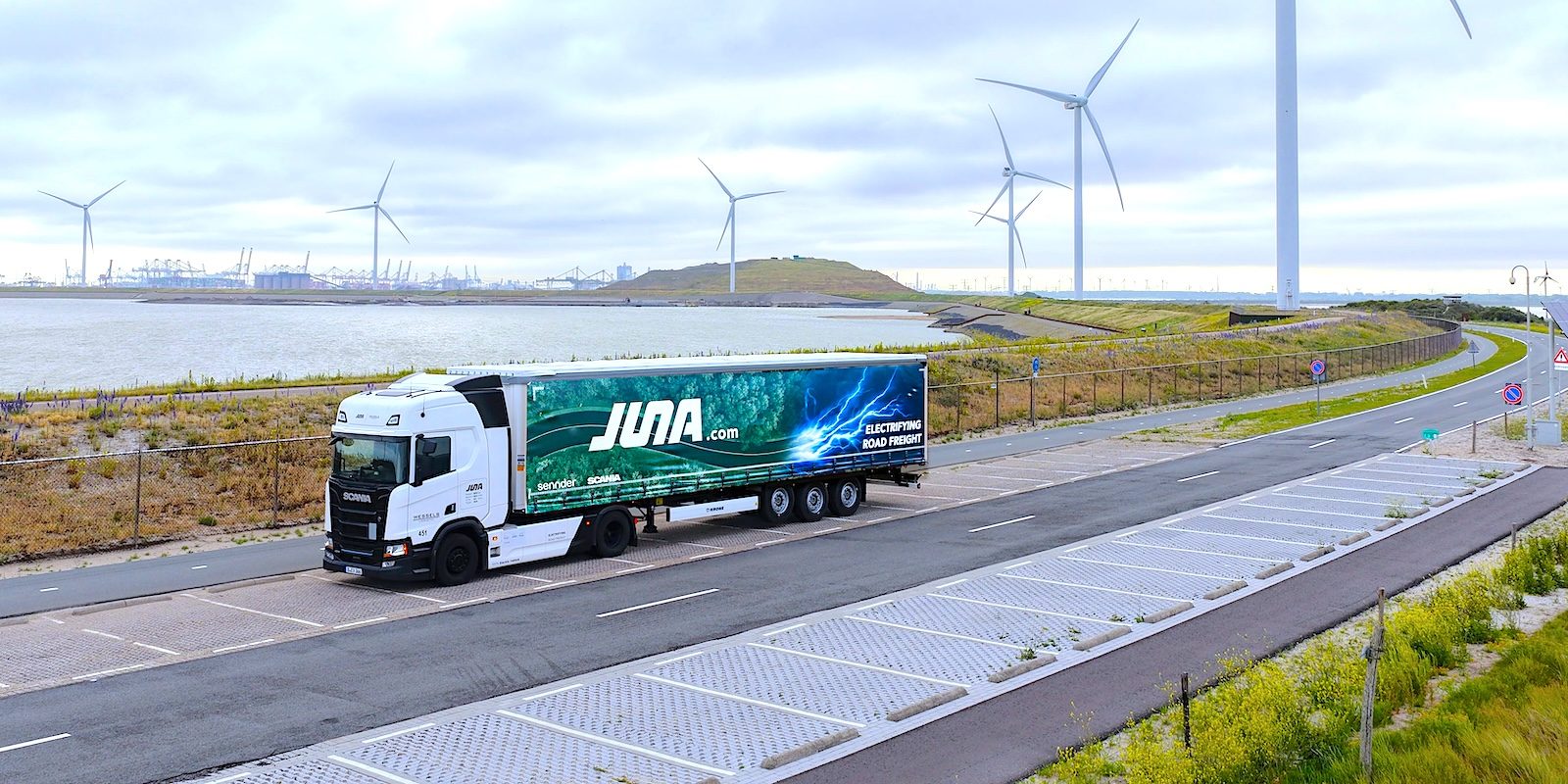
The Scania R45: Powering the Electric Revolution
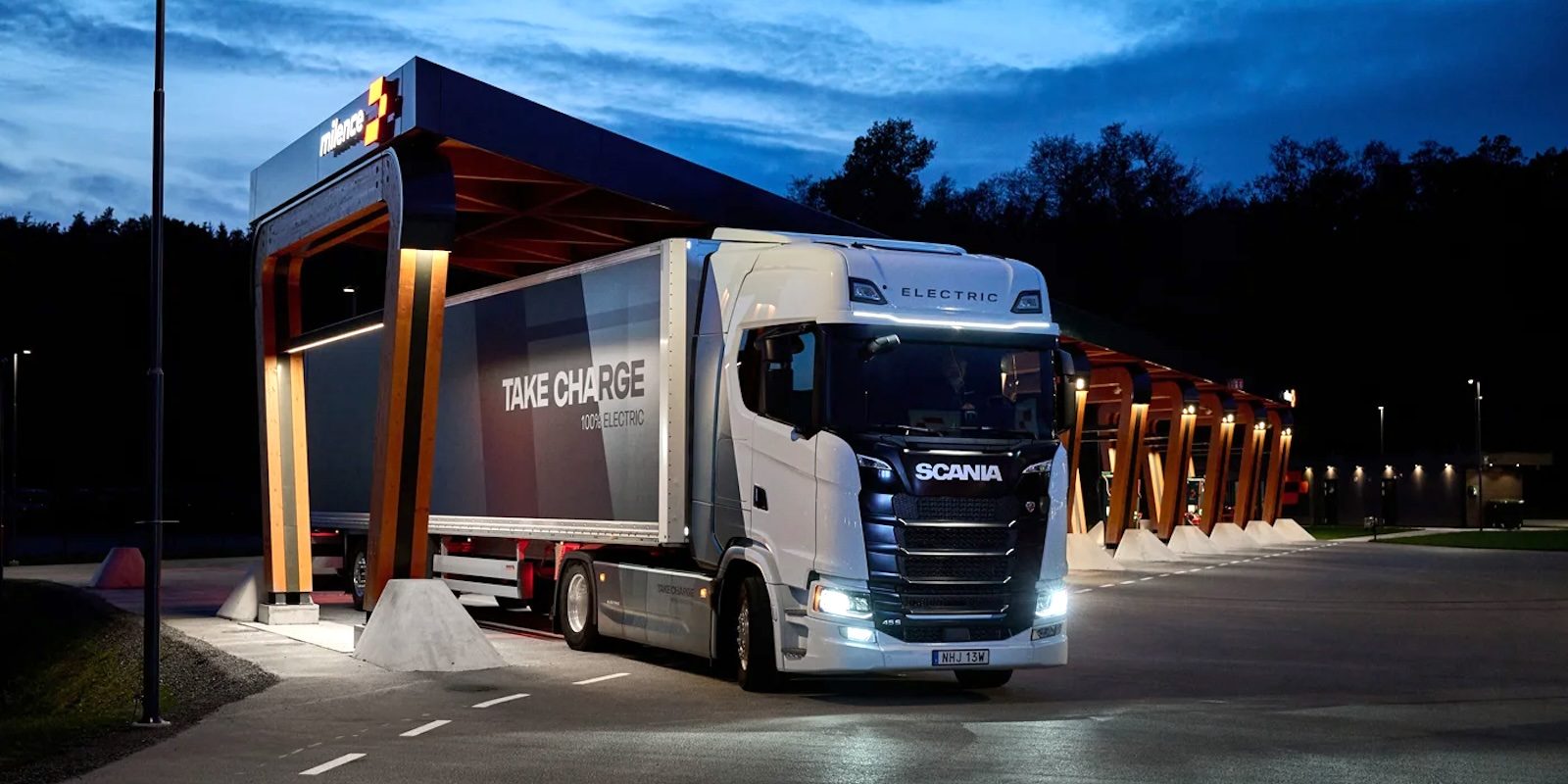
The backbone of JUNA’s electric fleet is Scania’s R45 electric truck. This model is engineered to meet the rigorous demands of long-haul and regional distribution. The R45 is equipped with a powerful 450 kW (approximately 605 horsepower) electric powertrain, capable of efficiently hauling loads of up to 40 tonnes (around 88,000 pounds). The vehicle’s performance is further supported by a substantial 624 kWh battery pack, providing a practical operational range of up to 350 kilometers (approximately 215 miles) on a single charge. This range is considered sufficient for many regional and intercity transport applications, especially when integrated with strategic charging solutions.
For heavier payloads or more demanding routes, Scania also offers a more potent variant. This enhanced model features a multi-motor setup with a six-speed transmission and a dual-drive configuration, capable of handling loads up to 64 tonnes (approximately 141,000 pounds). This versatility ensures that JUNA can cater to a wider spectrum of freight requirements.
Recharging the Scania electric trucks is designed for efficiency to minimize downtime. The R45 supports 375 kW DC fast charging, enabling the battery to reach an 80% charge level in approximately one hour. This rapid charging capability is crucial for maintaining operational continuity and ensuring that the trucks can return to service quickly.
A Timeline of Electrification Progress
The journey to deploying 110 electric trucks has been a strategic, phased approach. JUNA’s initial deployment of electric semi-trucks commenced two years prior to the recent announcement. Since then, the fleet has consistently expanded, driven by growing demand from shippers seeking to reduce their carbon footprint and carriers looking for sustainable and cost-effective operational alternatives.
The expansion into four European markets – Germany, Italy, Poland, and the Netherlands – reflects a deliberate strategy to establish a robust network of electric freight operations. These countries have been at the forefront of adopting green logistics initiatives, supported by government incentives and a strong corporate commitment to sustainability.
Looking ahead, JUNA has ambitious plans for further expansion. The company intends to add an additional 40 electric semi-trucks to its fleet before the end of the current year. This aggressive growth trajectory suggests a strong market appetite and a successful scaling of JUNA’s operational model. Such expansion will likely involve further geographical reach within Europe and potentially deeper penetration into existing markets, supported by the development of enhanced charging infrastructure.
The Broader Context of Electric Trucking in Europe
JUNA’s success story is unfolding against a backdrop of intense activity and increasing momentum in the European electric truck market. While some automotive giants may be capturing headlines with their initial offerings, established fleets and specialized logistics providers like JUNA have been instrumental in proving the real-world applicability of electric heavy-duty vehicles.
The European Union has set ambitious targets for reducing greenhouse gas emissions from the transport sector, including road freight. Regulations such as the EU’s CO2 emission standards for heavy-duty vehicles are pushing manufacturers and operators towards zero-emission solutions. Incentives, subsidies for charging infrastructure, and tax breaks for electric vehicles are also playing a critical role in accelerating adoption.
Key players in the truck manufacturing industry, including Scania, Volvo Trucks, Daimler Truck, and MAN Truck & Bus, are all investing heavily in the development and production of electric trucks. This competitive landscape is driving innovation, improving battery technology, and reducing costs, making electric trucks increasingly competitive with their diesel counterparts.

However, challenges remain. The availability of charging infrastructure, particularly for long-haul routes and in remote areas, is a significant hurdle. The high upfront cost of electric trucks, despite decreasing battery prices, can still be a barrier for smaller operators. Range limitations, although improving, still require careful route planning and consideration of charging logistics. JUNA’s pay-per-use model directly addresses the cost concern, while their operational focus on specific routes and charging strategies tackles the infrastructure and range challenges.
Analysis and Implications
JUNA’s achievement of deploying 110 electric trucks signifies more than just a numerical milestone; it represents a critical validation of the electric freight model. It demonstrates that commercial electric trucks are not merely experimental prototypes but are capable of fulfilling demanding logistical roles in real-world operations. This success can serve as a powerful catalyst, encouraging other logistics companies and shippers to accelerate their own decarbonization efforts.
The partnership between sennder and Scania is a prime example of how collaboration between logistics operators and vehicle manufacturers can drive innovation. sennder’s expertise in managing complex freight networks and Scania’s prowess in heavy-duty vehicle engineering create a synergistic relationship that is essential for overcoming the complexities of fleet electrification.
The pay-per-use model offered by JUNA is particularly noteworthy. By shifting the financial risk from carriers to JUNA, it democratizes access to electric trucking technology. This model could be replicated and adapted by other players in the industry, making sustainable logistics more accessible across the entire European market.
Furthermore, the extensive emissions-free kilometers accumulated by JUNA’s fleet directly contribute to tangible environmental benefits. By displacing diesel-powered trucks, these electric vehicles are reducing local air pollution in urban areas and cutting greenhouse gas emissions, aligning with global climate action goals.

The planned addition of 40 more trucks by the end of the year suggests a confident outlook for JUNA and the broader electric truck market. This aggressive expansion indicates that the current operational performance and economic viability of their electric fleet are meeting or exceeding expectations. This continued growth will likely spur further investment in charging infrastructure and battery technology, creating a positive feedback loop for the entire sector.
The success of JUNA also has implications for the broader European economy. As the transport sector electrifies, it will create new jobs in manufacturing, maintenance, charging infrastructure development, and fleet management. It also positions European companies at the forefront of a global transition to sustainable transportation, potentially leading to export opportunities and technological leadership.
The Truck Itself: Technical Specifications
Delving deeper into the technology, the Scania R45 electric truck is a testament to advanced engineering. Its 450 kW electric motor delivers robust torque, essential for accelerating heavy loads and maintaining speed on inclines. The 624 kWh battery pack is a significant capacity for a commercial vehicle, enabling substantial range. Battery management systems are crucial for optimizing performance, longevity, and safety, especially under the demanding conditions of daily freight operations.
The charging system, with its 375 kW DC fast charging capability, is designed to align with typical driver breaks and logistics scheduling. This allows for efficient energy replenishment without causing significant disruptions to delivery timelines. The integration of this charging technology into JUNA’s operational network is a critical component of their success.
The availability of a higher-capacity, multi-motor variant for loads up to 64 tonnes highlights Scania’s commitment to offering a comprehensive range of electric solutions. This adaptability ensures that JUNA can serve a broad array of customers, from those requiring regional distribution vehicles to those needing heavy-haul capacity for specialized goods.

Conclusion
JUNA’s milestone of deploying 110 electric trucks across Europe is a significant achievement that demonstrates the practical and commercial viability of electric heavy-duty transport. Through innovative business models, strong manufacturing partnerships, and a commitment to operational excellence, JUNA is paving the way for a more sustainable future in logistics. As the company continues to expand its fleet and operational reach, it serves as a powerful example of how the transition to electric mobility can be effectively implemented, benefiting both businesses and the environment. The momentum generated by JUNA’s success is expected to inspire further adoption and accelerate the decarbonization of the European freight sector.