In an era where artificial intelligence (AI) has transitioned from a niche technological pursuit to a fundamental pillar of modern existence, the Raspberry Pi Foundation, in collaboration with Google DeepMind, has announced a significant expansion of its educational offerings. This new collection of free, themed "Experience AI" resources is specifically designed to integrate AI literacy into a broad range of school subjects, moving beyond the traditional boundaries of computer science and STEM (Science, Technology, Engineering, and Mathematics) departments. By targeting students aged 8 to 16, the initiative seeks to demystify the complex algorithms that govern social media, environmental monitoring, and ethical decision-making, ensuring that the next generation is not merely consumers of technology, but informed and critical participants in a digital society.
The necessity for such a curriculum has never been more pressing. Recent data from the World Economic Forum’s "Future of Jobs Report" suggests that over 75% of companies are looking to adopt AI technologies within the next five years, making AI literacy a cornerstone of future employability. However, the Raspberry Pi Foundation argues that the importance of AI education extends far beyond the job market. It is a matter of digital citizenship. From the curated feeds of TikTok and Instagram to the predictive text in emails and the facial recognition on smartphones, AI is an invisible hand shaping the perceptions and behaviors of young people globally.
A Strategic Shift to Thematic Learning
The newly released resources represent a strategic departure from traditional pedagogical models. Initially, the development team explored creating materials tailored to specific subjects like mathematics or history. However, after extensive consultation with educators and global partners, it became clear that AI does not exist in a vacuum. A more flexible, thematic approach was adopted to reflect how AI functions in the real world—crossing disciplines and raising multi-faceted questions.
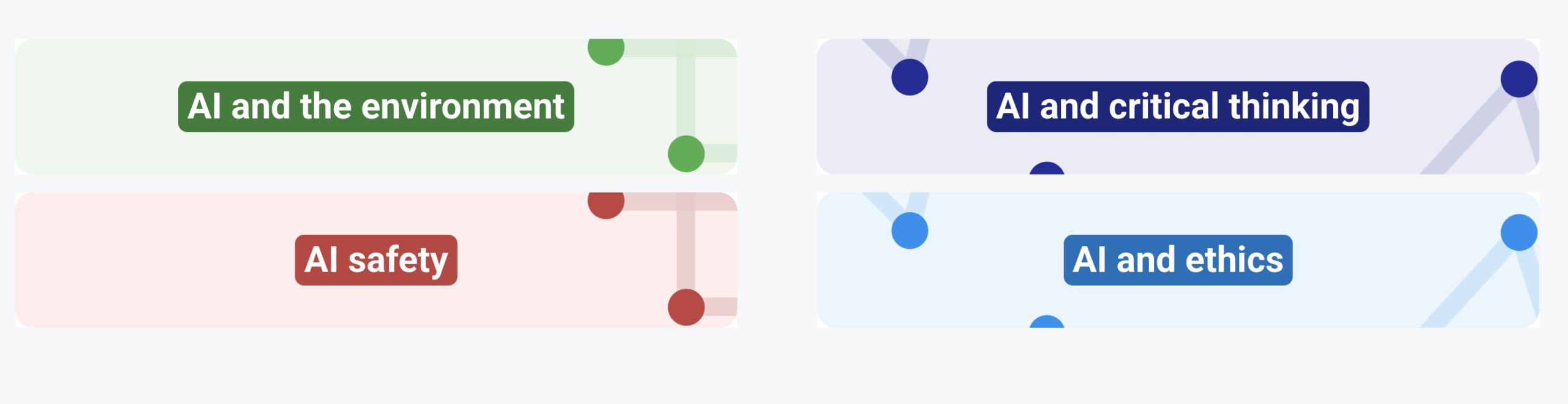
The resources are now organized around three primary pillars: the environment, critical thinking, and ethics. This structure allows a geography teacher to use AI-driven flood forecasting models as a case study, while an art teacher might explore the cultural implications of generative AI imagery. By removing the requirement for educators to be technical experts, the Raspberry Pi Foundation aims to lower the barrier to entry for schools that may lack specialized computing staff.
The collaboration involves several high-profile partners. Google DeepMind, a leader in AI research, provided technical expertise and co-developed several units. Digital Moment, a Canadian-based non-profit focused on digital literacy, played a crucial role in developing and testing the curriculum within North American classrooms. This international cooperation ensures that the materials are culturally adaptable and relevant to various national curricula.
Chronology of the Experience AI Initiative
The journey toward these new resources began in early 2023, following the explosive public release of generative AI tools like ChatGPT. The timeline of development highlights a rapid response to an evolving educational crisis:
- January 2023: The Raspberry Pi Foundation and Google DeepMind launched the initial "Experience AI" pilot, focusing on foundational concepts for secondary school students.
- Late 2023: Feedback from over 1,000 educators indicated a demand for materials that could be used in non-computing subjects and for younger age groups.
- January – March 2024: The foundation partnered with Digital Moment to conduct extensive field trials in Canada. Educators in provinces such as Ontario and Quebec tested early versions of the social media and environmental modules.
- May 2024: Integration of feedback from the Canadian trials, leading to the refinement of the "Somekone" social media simulator.
- September 2024: The official global launch of the themed resource packs, made available for free to educators worldwide.
Field Testing: Insights from the Classroom
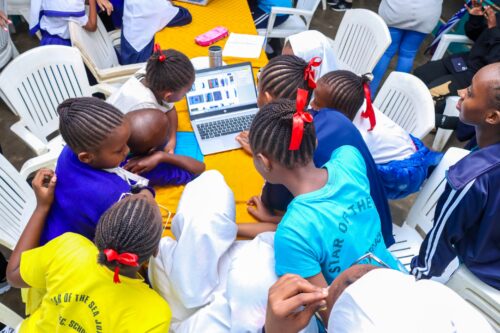
The efficacy of the resources was validated through real-world application in Canadian middle schools. Sandra Theobald, a Grade 8 teacher who participated in the pilot, focused on the "AI and Social Media" activity. Despite her students being "digital natives" who spent hours on social media platforms, she noted a profound gap in their understanding of why certain content appeared on their screens.
Using the curriculum, students explored the relationship between their data generation—likes, shares, and dwell time—and the resulting algorithmic output. Theobald observed that the lesson shifted the power dynamic in the classroom; students moved from passive users to active analysts, eventually feeling confident enough to explain algorithmic bias to their parents.

Similarly, Colin McKenzie, an educator teaching Grades 7 and 8, utilized "Somekone," a closed-loop social media simulation. This tool allows students to experiment with a "sandbox" version of a social network, observing in real-time how their interactions change the platform’s recommendations without the privacy risks associated with real-world apps. McKenzie reported that the activity was "straightforward to incorporate," fitting naturally into existing units on online safety and digital citizenship.
Expert Reactions and Interdisciplinary Perspectives
The move toward interdisciplinary AI education has been met with praise from academic and professional bodies. Dr. Becky Kitchen, Head of Professional Development at the Geographical Association, emphasized that AI is now a geographical tool. "Pupils are increasingly coming into contact with AI, and so it’s vital that they are taught how to harness its power in an effective and critical way," Kitchen stated. She noted that the resources help develop geographical knowledge through concrete examples, such as monitoring climate change via satellite imagery processed by AI.
From the humanities perspective, Professor Geoff Cox of London South Bank University warned against the "STEM-ification" of AI. He argued that if AI literacy is left solely to computer science departments, society loses the ability to ask deep ethical and cultural questions. "Art is uniquely equipped to explore these questions," Cox said, highlighting that the new resources balance visual analysis with practical activity and critical reflection.

Supporting Data: The Growing Digital Divide
The release of these free resources also addresses a growing concern regarding the "AI divide." According to a 2023 UNESCO report, only 7% of schools globally have integrated AI into their formal curricula. This creates a disparity where students in well-funded private institutions receive cutting-edge tech education while those in under-resourced public schools fall behind.
By providing these materials for free and designing them to be "low-tech" friendly (many activities can be done with minimal hardware), the Raspberry Pi Foundation is attempting to democratize access to high-level concepts. The inclusion of partners like Digital Moment and the Geographical Association ensures that the content is not just about coding, but about understanding the socio-economic impacts of technology.
Analysis of Broader Implications
The long-term implications of this curriculum shift are significant. As AI becomes more integrated into public policy, healthcare, and the legal system, a population that understands the limitations of these systems is essential for a functioning democracy.

- Algorithmic Transparency: By teaching 8-year-olds about data inputs and algorithmic bias, the curriculum builds a foundation for future voters to demand transparency from tech giants and governments.
- Environmental Stewardship: The themed units on the environment highlight a dual reality: AI’s massive energy consumption versus its ability to optimize resource management. Educating students on this balance is key to sustainable innovation.
- Critical Thinking vs. Misinformation: In an age of deepfakes and AI-generated misinformation, the "Critical Thinking" theme provides students with the tools to verify sources and understand how generative models can be manipulated.
The Raspberry Pi Foundation’s approach acknowledges that technology moves faster than traditional curriculum cycles. By providing "modular" resources that teachers can adapt on the fly, they have created a living curriculum that can evolve alongside the technology itself.
Conclusion
The launch of the themed Experience AI resources marks a pivotal moment in global education. It signals a move away from treating technology as a separate "subject" and toward treating it as a fundamental lens through which all subjects are viewed. As the Raspberry Pi Foundation and its partners continue to expand these offerings, the goal remains clear: to ensure that every young person, regardless of their career path, possesses the AI literacy required to navigate, question, and shape the world of tomorrow. Educators are encouraged to explore these materials not as an additional burden on a busy schedule, but as a vital tool for making their existing lessons more relevant to the 21st-century classroom.