While summer camping often steals the spotlight, the crisp air and vibrant foliage of autumn offer a unique and often more comfortable camping experience. For many, the transition from traditional tent camping to sleeping within the confines of a vehicle, a practice known as car camping or overlanding, has become increasingly popular. This shift, often driven by a desire for enhanced comfort, convenience, and a more accessible way to enjoy the outdoors, has led to the development of specialized gear and techniques. This guide explores essential considerations and best practices for those looking to embrace fall car camping, drawing on insights from experienced practitioners.
The Evolution of Car Camping
Car camping, in its modern iteration, represents a convergence of outdoor recreation and automotive convenience. Its roots can be traced to early road trips and the development of vehicles capable of traversing more rugged terrain. However, the surge in popularity over the last decade is largely attributed to the rise of overlanding culture, the accessibility of capable SUVs and trucks, and the availability of purpose-built camping equipment. Social media platforms have also played a significant role, showcasing aesthetically pleasing and practical car camping setups, inspiring a wider audience.
The appeal of car camping in the fall is particularly strong. The seasonal shift brings fewer insects, milder temperatures conducive to comfortable sleeping, and the breathtaking spectacle of changing leaves. This combination creates an inviting environment for extended stays in nature without the typical inconveniences of peak summer camping. Furthermore, as the days shorten, the ability to quickly retreat into a vehicle offers a sense of security and warmth, making it an attractive option for solo campers and those seeking a more relaxed outdoor experience.
Optimizing Your Sleeping Space: The Vehicle Mattress
A fundamental aspect of successful car camping is ensuring a comfortable sleeping surface. Unlike traditional camping where inflatable pads or sleeping mats are placed on the ground, car camping requires a mattress or pad that conforms to the interior dimensions of the vehicle. The market now offers a wide range of options, catering to various budgets and vehicle types.
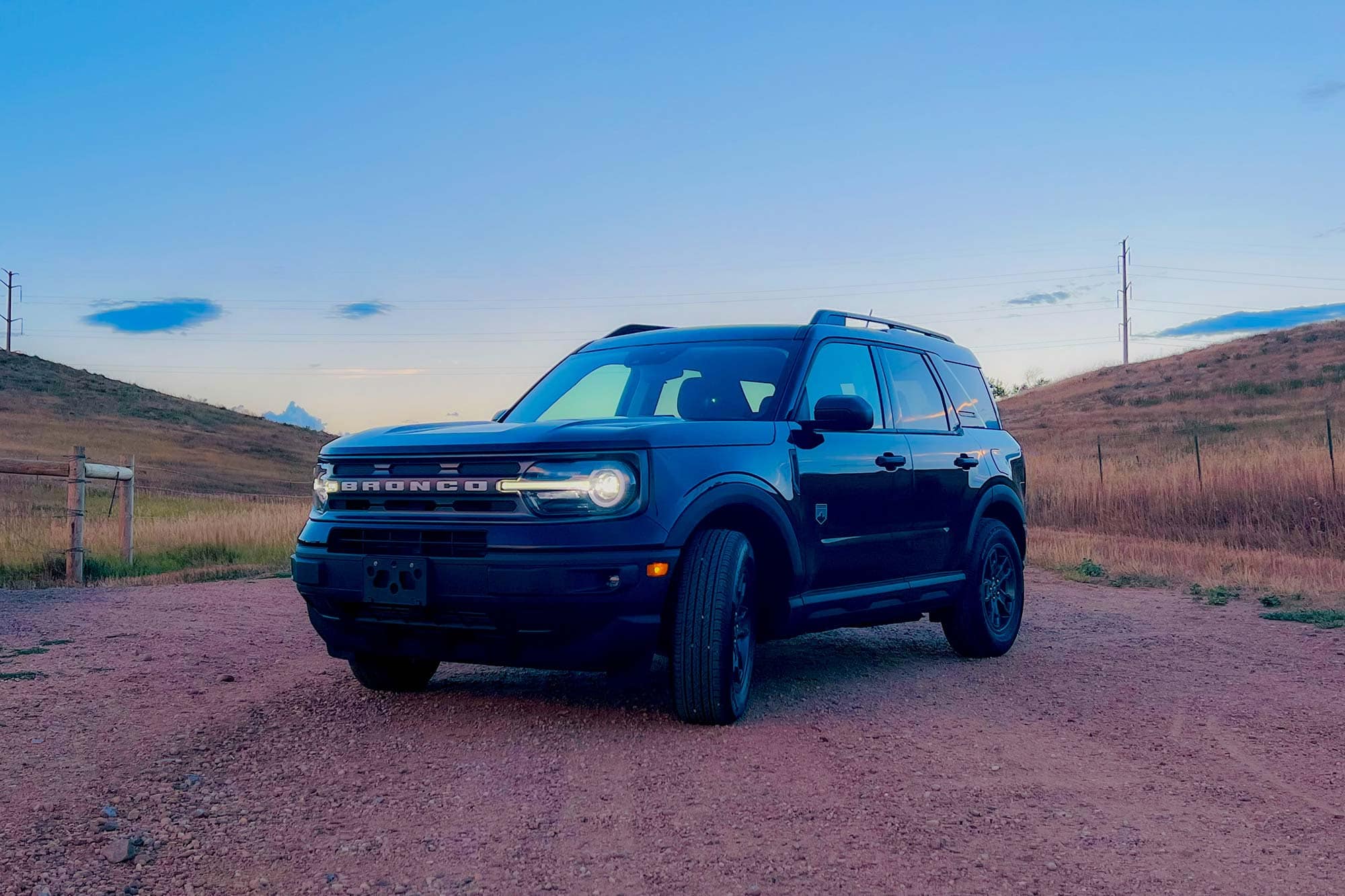
For owners of specific vehicles like the Ford Bronco Sport, manufacturers are producing custom-fit mattresses. These are often designed to maximize the usable sleeping area within the cargo space, taking into account seat configurations and wheel wells. While these specialized options can offer superior fit and comfort, they often come with a premium price tag, sometimes exceeding $200. For instance, DeepSleep Overland offers a Solo Mat specifically engineered for the Bronco Sport, frequently praised in online owner forums for its precise fit and quality.
However, the accessibility of car camping is further enhanced by more budget-friendly alternatives. Many online retailers, such as Amazon, provide a broad selection of car camping mattresses that can be adapted to fit different vehicle interiors. A key feature to look for is the availability of dimension-checking tools or compatibility guides that can help consumers identify options suitable for their specific make and model. While these tools can be a good starting point, it is always advisable to measure the interior dimensions of the vehicle’s sleeping area to ensure a proper fit. A $70 option from Amazon, for example, can provide a comfortable sleeping surface for those testing the waters of car camping without a significant initial investment. The ability to fold or compress these mattresses also makes them practical for storage when not in use.
Illuminating Your Campsite: The Car Lantern
As dusk descends, effective lighting becomes crucial for both utility and ambiance within a car camping setup. While handheld flashlights are indispensable for navigating trails or searching for items, a stationary lantern provides a more consistent and ambient light source for the interior of the vehicle.

The advantage of a lantern lies in its ability to cast a wider glow, illuminating the entire living space within the car. Many campers also opt for decorative string lights, creating a cozy and aesthetically pleasing atmosphere, often inspired by popular online trends. However, for practical illumination, a single, centrally placed lantern is often sufficient.
Brands like Coleman offer reliable, no-frills LED lanterns that provide ample light for common car camping activities such as reading, preparing meals, or organizing gear. Models with features like battery protection, which prevents accidental battery drain, are particularly useful for extended trips. A lantern with adjustable brightness settings also allows for customization, from a bright task light to a dim, mood-setting glow as you prepare for sleep. When strategically placed on the vehicle’s console or dashboard, such a lantern can create a comfortable and functional living space until the natural light of the stars takes over.
Security and Convenience: The Carabiner for Keys
In any outdoor setting, keeping essential items secure and readily accessible is paramount. For car campers, this includes vehicle keys, which are vital for both security and the ability to depart quickly if necessary. The concern for personal safety, whether from wildlife, unexpected encounters, or simply the inherent vulnerability of sleeping in a less familiar environment, leads many to prioritize keeping their keys within easy reach.
A simple yet highly effective solution is the use of a carabiner. By attaching keys to a carabiner and clipping it to a secure point within the vehicle, such as a grab handle or a seatback organizer, campers can prevent them from getting lost in the general clutter of their car camping setup. This also ensures that the keys are immediately accessible in case of a late-night emergency or a sudden need to start the vehicle.

Brands like The James Brand offer robust carabiners, such as their Hardin model, which are designed for durability and ease of use. Clipping keys to a carabiner positioned above the sleeping area provides a visual and tactile reminder of their location, minimizing the risk of misplacing them. Furthermore, having keys readily available allows for discreet unlocking of doors without necessarily triggering the vehicle’s alarm system, a consideration for maintaining a low profile at a campsite.
Organization and Space Management: The Weather-Resistant Container
Maximizing limited interior space is a constant challenge in car camping, especially in smaller vehicles. Effective organization of supplies and gear is crucial for comfort and functionality. A large, weather-resistant container with a lid serves multiple purposes, acting as both a storage solution and, in some cases, an auxiliary surface.
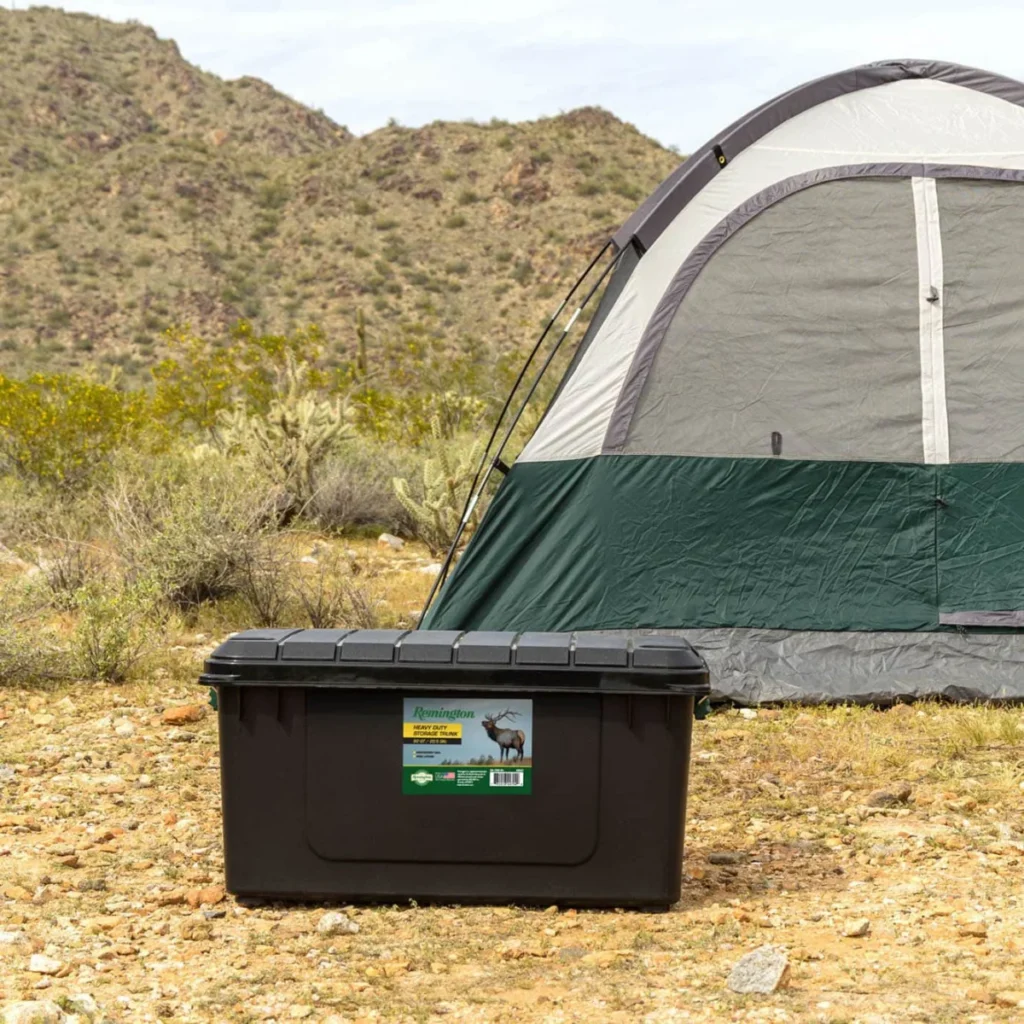
For individuals of average height, sleeping comfortably in a car often requires careful arrangement of gear to create sufficient legroom. A sturdy plastic tote, such as the 82-quart IRIS x Remington WeatherPro storage container, can be invaluable. These containers are designed to protect contents from the elements, making them ideal for storing camping essentials like sleeping bags, cooking equipment, and extra clothing.
When camping, this tote can be placed either inside the vehicle, serving as a raised platform or a barrier, or strategically positioned outside the car, keeping the interior uncluttered. Its robust construction allows it to withstand various weather conditions and can even serve as a makeshift seat or table. Many campers find it beneficial to keep such a container in their vehicle year-round, serving as a dedicated storage unit for all their outdoor gear, thus simplifying the packing process for spontaneous camping trips. The gasketed lid ensures that moisture and dust are kept out, preserving the condition of the contents.

Expanding the Car Camping Toolkit: Additional Considerations
Beyond these core items, a few additional pieces of equipment can significantly enhance the car camping experience.
-
Portable Power Solutions: With the increasing reliance on electronic devices for navigation, communication, and entertainment, a portable power station or a high-capacity power bank is becoming essential. These can charge phones, cameras, lanterns, and even small appliances, ensuring that campers remain connected and comfortable. Solar panels can be integrated with some power stations for off-grid recharging, extending the duration of trips.
-
Comfortable Seating: While the vehicle itself provides seating, portable camp chairs offer a more comfortable and ergonomic solution for relaxing outside the car, especially during meals or while enjoying the scenery. Compact and lightweight designs make them easy to transport and set up.
-
Kitchen Setup: For those who enjoy cooking, a portable stove, a set of cookware, and a small cooler can transform car camping from a basic overnight stay into a culinary adventure. Many vehicle-specific storage solutions exist to organize these kitchen essentials efficiently.

-
Navigation and Safety: While GPS devices are common, having a physical map and compass remains a prudent backup, especially in areas with limited cell service. A comprehensive first-aid kit, a reliable multi-tool, and emergency signaling devices are also crucial safety components.
The Growing Impact of Car Camping
The trend towards car camping, particularly in the fall, reflects a broader societal shift towards embracing outdoor recreation with a focus on convenience and accessibility. This growing interest has significant implications for the outdoor gear industry, driving innovation in product design and manufacturing. Companies are responding by creating more versatile, durable, and user-friendly equipment tailored to the needs of car campers.
Furthermore, the rise of car camping can influence tourism patterns. Campers often seek out dispersed camping sites, national forests, and BLM (Bureau of Land Management) lands, which can alleviate pressure on more developed campgrounds. This also presents opportunities for local economies in rural areas, as car campers may patronize local businesses for supplies and services.
However, this surge in popularity also necessitates a strong emphasis on responsible outdoor ethics. "Leave No Trace" principles are paramount to minimize the environmental impact of increased vehicle access to natural areas. Education on proper waste disposal, fire safety, and respecting wildlife is crucial to ensure the long-term sustainability of these beautiful landscapes for future generations of campers. As car camping continues to evolve, its role as an accessible gateway to the natural world is likely to expand, making it a cornerstone of modern outdoor adventure.