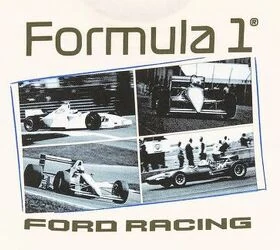
Ford Racing has officially entered the world of Formula 1 fashion with the debut of its first-ever dedicated apparel collection. However, the brand is strategically choosing to highlight its rich historical presence in motorsport rather than its current, albeit nascent, engagement with the contemporary Formula 1 landscape. This new line, available on the Ford merchandise website, offers a range of T-shirts, hoodies, and caps, with prices spanning from $55 to $125. The collection’s core theme is nostalgia, drawing heavily on imagery and branding from Ford’s past Formula 1 endeavors, a move that has sparked discussion regarding the brand’s present and future F1 strategy.
A Deep Dive into Ford’s Formula 1 Heritage Collection
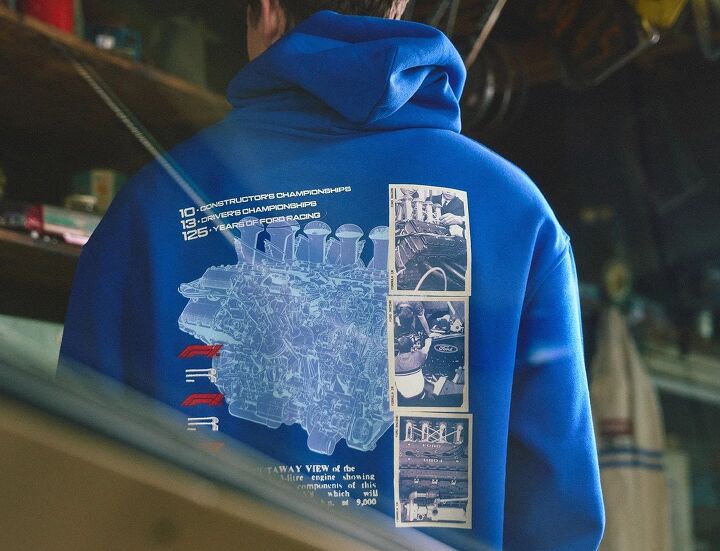
The "Debut" series within the collection prominently features a stylized graphic of a classic Ford F1 race car, artfully integrated with the Formula 1 logo and a dynamic checkered flag motif. The lower portion of these garments is often adorned with an illustration of a Ford Racing engine, evoking a sense of mechanical prowess and engineering heritage. A particularly striking detail on these shirts is a printed "placard" that enumerates Ford’s significant achievements in Formula 1. This retrospective display proudly lists an impressive tally of 10 Constructors’ Championships and 13 Drivers’ titles, underscoring the Blue Oval’s historical dominance in the pinnacle of motorsport. Furthermore, the collection acknowledges Ford’s broader 125-year legacy in motorsports, a testament to its enduring commitment to racing.
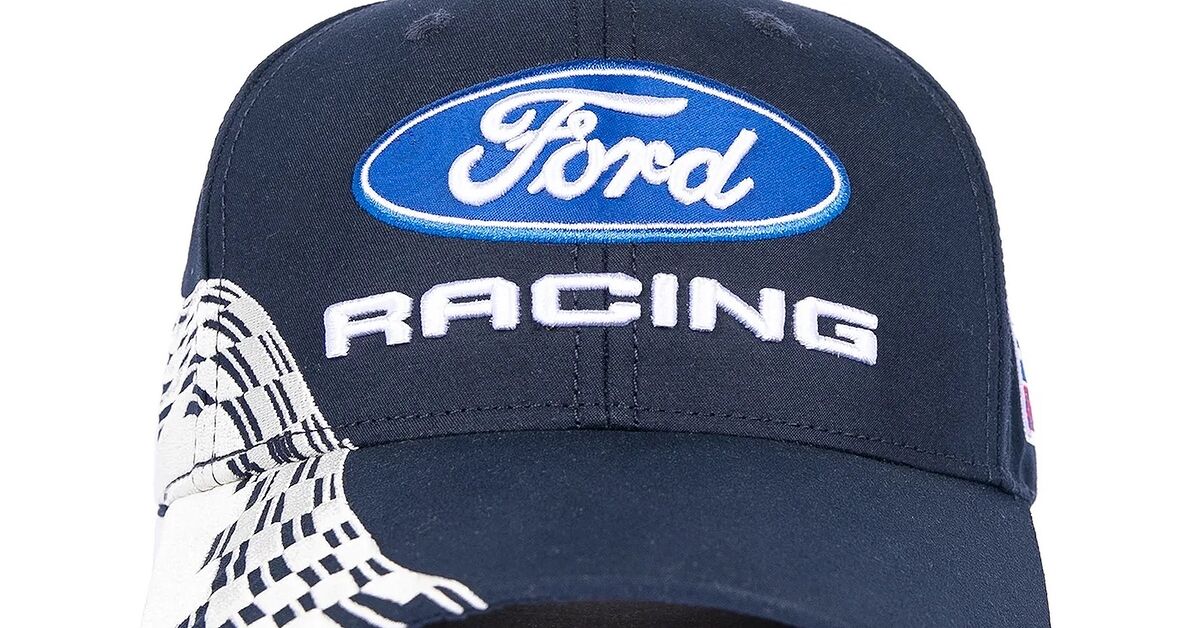
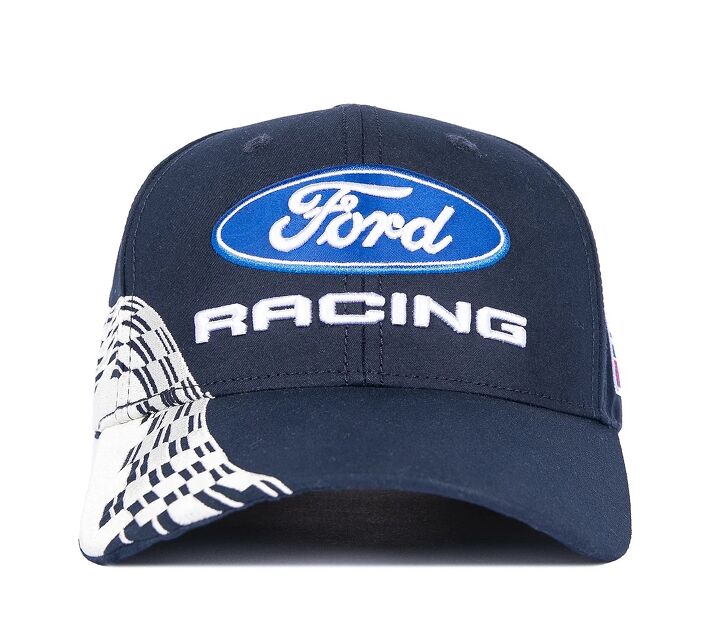
Complementing the "Debut" line is the "Racing Heritage" collection, which adopts a more understated yet equally evocative approach. These items feature the distinct Formula 1 wordmark and the Ford Racing "R" mark subtly placed on the chest. Branding elements are strategically distributed, with the iconic Blue Oval emblem appearing on one sleeve and the F1 logo on the other. The back of these garments often showcases a collage of classic Ford F1 race cars, inviting wearers to reminisce about legendary machines and moments from the sport’s past. The collection also extends to accessories, with ballcaps available in classic blue or black. These hats bear the Ford Racing logo prominently on the front, are accented with checkered flag decals on the sides, and feature the F1 logo on the rear, offering a complete ensemble for motorsport enthusiasts.
Adding another layer of historical depth, the "Vintage Engine" line focuses on the intricate machinery that powered Ford’s F1 aspirations. Hoodies in this range are designed with a striking print of an old F1 powerplant on the back, while the front often displays a photographic depiction of engineers meticulously assembling such an engine. Ford Racing explicitly states that this apparel line is "stitched into our first-ever apparel line with F1," emphasizing the deliberate intention to weave 125 years of Ford Racing history into each piece. This narrative reinforces the brand’s long-standing relationship with motorsport and its desire to connect with fans through shared historical appreciation.
Strategic Marketing: Nostalgia vs. Contemporary Alliances
The deliberate emphasis on Ford’s historical Formula 1 achievements, while celebrating a significant legacy, has also raised questions about the brand’s current strategic direction in the sport. Notably absent from any visible branding or graphics within this new apparel line is any reference to Red Bull Racing, Ford’s current engine partner in Formula 1. This omission is particularly conspicuous given Ford’s recent announcement of its return to Formula 1 as a power unit supplier starting in 2026, in partnership with Red Bull.
Ford’s reentry into Formula 1 is a significant development, marking a return to the sport after a hiatus. The partnership with Red Bull Racing, a dominant force in recent F1 seasons, is seen as a strategic move to leverage the team’s success and technological prowess. Red Bull Powertrains is developing the new F1 power units, with Ford providing technical expertise and branding. The initial agreement is set to run until at least 2030, with the potential for extensions. This collaboration signifies Ford’s serious commitment to competing at the highest level of motorsport, aiming to reclaim its status as a championship contender. The development of these new F1 engines involves significant investment and a dedicated team of engineers working at Ford’s Advanced Engineering Center in Michigan and Red Bull’s UK base.
The contrast between the apparel line’s historical focus and the actual contemporary partnership with Red Bull Racing presents an interesting marketing dichotomy. While the nostalgic approach taps into a deep well of brand loyalty and appreciation for Ford’s past triumphs, it may inadvertently create a disconnect for fans who are more interested in Ford’s current F1 endeavors. This strategy could be interpreted in several ways:
- Leveraging Established Brand Equity: Ford may be banking on the enduring appeal of its historical F1 successes to resonate with a broad audience, including long-time fans and new consumers drawn to the allure of classic racing. The iconic imagery and championship statistics offer a tangible and universally recognized measure of Ford’s racing pedigree.
- Building Anticipation for the Future: By focusing on its heritage, Ford might be subtly laying the groundwork for its 2026 return, reminding the motorsport world of its past capabilities and setting high expectations for its future performance. This approach allows the brand to build anticipation without overpromising on current, unproven F1 competitiveness.
- Brand Differentiation: In a sport often dominated by current performance metrics, Ford’s decision to lean into its historical narrative could serve as a unique selling proposition, differentiating it from competitors who primarily focus on present-day achievements.
- Internal Strategy Considerations: It is also possible that the current apparel line was conceived and developed prior to the full public unveiling or finalization of the Red Bull partnership’s marketing elements. The timeline of product development in large corporations can often lead to such apparent discrepancies.
- Targeting Different Consumer Segments: The collection might be designed to appeal to distinct market segments. Those who appreciate vintage motorsport culture might be drawn to the historical themes, while a separate marketing strategy will likely be employed to engage fans focused on the cutting-edge technology and competitive spirit of current F1 racing.
Broader Implications and Future Outlook
The launch of Ford’s F1 apparel line, with its distinct emphasis on heritage, raises questions about how the brand intends to integrate its past, present, and future in Formula 1. As the 2026 season approaches, the marketing and communication strategies surrounding Ford’s partnership with Red Bull Racing will be closely scrutinized. It will be crucial for Ford to bridge the gap between its celebrated past and its ambitious future in the sport.
The success of this apparel line will likely depend on its ability to connect with a diverse fan base. For purists who cherish Ford’s historical contributions to Formula 1, the collection offers a tangible way to celebrate that legacy. For newer fans or those more focused on current racing, the long-term impact will hinge on how Ford’s performance with Red Bull Racing evolves and how effectively the brand communicates its ongoing commitment and technological advancements in the sport.
It remains to be seen whether these apparel items will be available in Ford’s physical retail locations, including its new world headquarters. The company has also introduced other motorsport-themed merchandise, such as a jacket featuring the camouflage pattern of its new World Endurance Championship (WEC) Hypercar, indicating a broader strategy to engage with its performance vehicle and motorsport enthusiast base across various racing disciplines.
Ford’s journey back into Formula 1 is a significant narrative in the motorsport world. The current apparel collection serves as an initial chapter, one that leans heavily on a storied past. The true measure of its success, however, will be written on the track in the coming years, as Ford Racing aims to create new legends and etch its name once again into the annals of Formula 1 history. The company’s ability to effectively weave its historical pride with its future ambitions will be key to solidifying its position as a formidable force in the evolving landscape of motorsport.