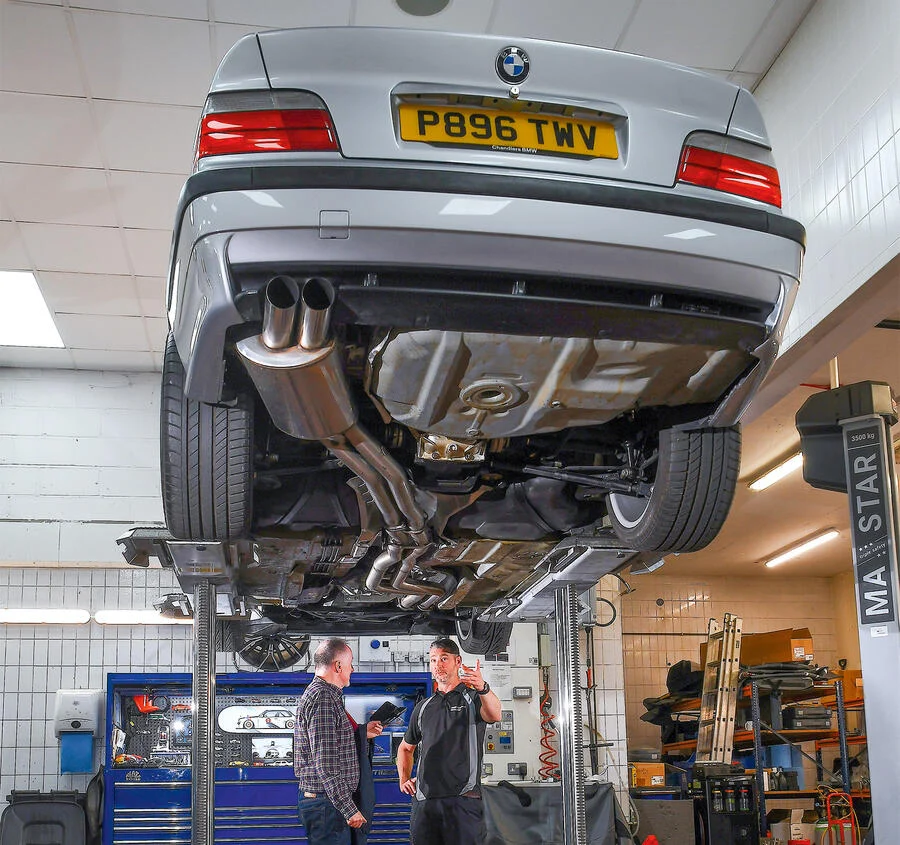
The landscape of automotive servicing is undergoing a significant transformation, with established brands increasingly recognizing the enduring value of their heritage models. BMW UK has taken a proactive stance, launching an initiative that sees its main dealerships re-equipping and re-training their technicians to provide specialist care for a range of classic vehicles, extending its commitment to customer loyalty beyond the latest showroom offerings. This program, which officially began with the appointment of four designated "Classic partners," aims to ensure that owners of models like the E46 generation of the BMW 3 Series, and indeed any BMW that ceased production as recently as 2010, can receive the same high standards of service and restoration as they would for a brand-new vehicle.
A New Era for Classic BMW Servicing
For enthusiasts and owners of iconic BMW models, this development marks a significant step forward. Previously, maintaining older vehicles often meant relying on independent specialists, who, while skilled, might not always have access to the full spectrum of manufacturer-backed resources, genuine parts, or the latest diagnostic equipment specifically calibrated for those older systems. BMW’s initiative effectively bridges this gap, offering a manufacturer-approved pathway for the upkeep and rejuvenation of a broad swathe of its automotive history. The program’s scope is impressive, encompassing not only the highly popular 3 Series lineage, but all BMW models manufactured from as far back as 1960, provided they are no longer in current production.
The significance of this move cannot be overstated. In an era where car ownership cycles are often shorter, and the focus in mainstream dealerships is overwhelmingly on the latest technological advancements, BMW’s commitment to its past models demonstrates a strategic understanding of its customer base and the long-term value of brand loyalty. It acknowledges that a substantial portion of its clientele cherishes and maintains older vehicles, viewing them not just as modes of transport, but as investments, collector’s items, and tangible links to automotive history.
The E46: A Symbol of a Shifting Automotive Landscape
The explicit mention of the E46 generation of the BMW 3 Series, produced from 1998 to 2006, is particularly pertinent. This era of the 3 Series is widely regarded as a high point in its development, embodying a blend of engaging driving dynamics, refined styling, and robust engineering that has cemented its status as a modern classic. For many enthusiasts, the E46 represents the pinnacle of naturally aspirated inline-six engines and communicative chassis tuning before the increasing influence of turbocharged powertrains and advanced electronic driver aids. Its continued popularity on the used car market, and the dedication of its owner base, makes it a prime candidate for such a specialized servicing program.
The E46 generation, succeeding the E36 and preceding the E90, is often cited as a benchmark for driver involvement. It offered a range of engines, from efficient four-cylinders to potent six-cylinders, including the revered M3 variant. Its design, penned by individuals like Chris Bangle, has aged gracefully, and its interior, while lacking the digital interfaces of modern cars, is lauded for its ergonomic clarity and build quality. The decision to include this generation, and others that ceased production as recently as 2010, suggests BMW’s recognition that "classic" status is a fluid concept, and that vehicles from the early 2000s are now entering a phase where specialist care is becoming increasingly vital to preserve their condition and driving integrity.
Behind the Initiative: A Strategic Commitment to Heritage
BMW’s move is not merely a charitable gesture; it is a calculated strategy designed to enhance brand perception, foster customer retention, and tap into the burgeoning market for classic car ownership. The automotive industry is witnessing a resurgence of interest in older vehicles, driven by nostalgia, a desire for simpler driving experiences, and the inherent quality of well-built cars from past decades. By providing manufacturer-backed support for these vehicles, BMW is positioning itself as a brand that values its entire history, not just its present and future.
This program also addresses a critical challenge faced by owners of older vehicles: the availability of skilled technicians and genuine parts. As vehicles age, specialized knowledge can become scarce, and original parts can be difficult or impossible to source. By designating and training existing main dealerships, BMW ensures that technicians are not only proficient in the mechanical and electronic intricacies of these older models but also have access to a supply chain of authentic BMW parts, or the expertise to meticulously restore or remanufacture them. This is crucial for maintaining the authenticity and value of classic vehicles.
Chronology of a Commitment
While the official announcement of the four Classic partners in the UK signifies the formal launch of this enhanced servicing program, BMW’s engagement with its heritage models has been a gradual evolution. For years, the brand has maintained a dedicated BMW Classic division globally, responsible for preserving its historical vehicles, providing technical information, and facilitating access to parts for older models. This new initiative in the UK appears to be a localized and expanded application of that overarching philosophy, bringing the specialized care directly to the customer’s doorstep through their familiar main dealer network.
The selection of the initial four Classic partners likely involved a rigorous assessment process. These dealerships would have needed to demonstrate not only the technical capacity but also a commitment to investing in the necessary training, tooling, and potentially dedicated workshop space to cater to these older vehicles. The criteria for selection would have encompassed factors such as the dealership’s history with the BMW franchise, their existing customer base of classic car owners, and their willingness to embrace this new service offering.
The timeline for this initiative can be seen as a response to market trends. As vehicles from the late 20th and early 21st centuries mature, their need for specialized maintenance increases. The E46 generation, for instance, is now between 18 and 26 years old. Many of these cars are entering their prime for enthusiasts who appreciate their driving characteristics, and for whom maintaining them in excellent condition is a priority. The cessation of production for many models around 2010 also marks a significant point, as these cars begin to transition from everyday drivers to potential classics.
Supporting Data and Market Context
The global classic car market is a substantial and growing industry. According to various industry reports, the market for collector cars has seen consistent growth over the past decade, with values for certain marques and models appreciating significantly. BMW, with its strong heritage and a portfolio of desirable classic models, is well-positioned to benefit from this trend.
Data from automotive valuation specialists often highlights the enduring appeal of BMW models. For example, the E30 and E36 3 Series generations, which precede the E46, have already seen significant value appreciation. The E46 is now following a similar trajectory, with well-maintained examples commanding premium prices. This increasing value makes investing in professional, manufacturer-backed servicing not just a matter of preservation but also a way to safeguard and enhance the car’s monetary worth.
Furthermore, the demographic of classic car owners is evolving. While traditionally associated with older generations, there is a growing cohort of younger enthusiasts who are drawn to the tangible driving experience and mechanical authenticity of cars from the 1980s, 1990s, and early 2000s. These individuals often seek out brands that offer a comprehensive ownership experience, which includes accessible and reliable after-sales support for their cherished vehicles.
Official Responses and Dealership Perspectives
While specific quotes from the appointed Classic partners were not available in the initial information, the strategic intent behind this program can be inferred. For BMW UK, this initiative is about reinforcing its brand promise of "Sheer Driving Pleasure" across the entire lifecycle of its vehicles. It’s about demonstrating a commitment to its customers that extends far beyond the initial purchase, fostering a relationship built on trust and enduring quality.
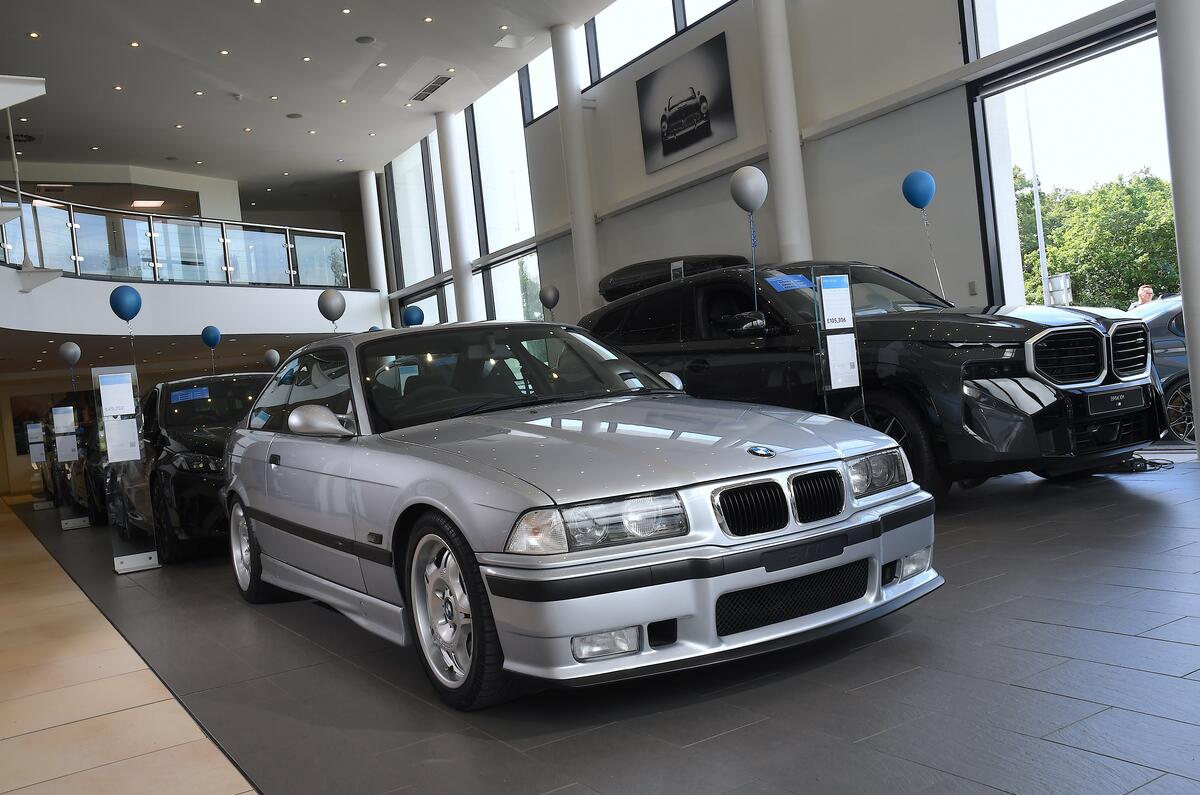
From the perspective of the dealerships, this represents an opportunity to diversify their service offerings and tap into a loyal customer base. By investing in the training and equipment for classic car servicing, these dealerships can differentiate themselves from competitors and attract owners who might otherwise seek out independent specialists. This can lead to increased workshop utilization, a stronger customer relationship, and a more robust business model that accounts for the full spectrum of vehicle ages.
It is also logical to infer that the selection process for these "Classic partners" would have involved significant consultation and collaboration. BMW would have worked closely with these dealerships to identify their needs, provide training modules, and ensure they have access to the necessary technical documentation and parts. The designation of "Classic partner" likely comes with certain standards and ongoing support from BMW to maintain the integrity of the program.
Broader Impact and Implications
The implications of BMW’s "Classic partner" program are far-reaching. Firstly, it sets a precedent for other automotive manufacturers. As more brands recognize the value of their heritage, similar initiatives could emerge, leading to a more robust and accessible ecosystem for classic car owners across various marques.
Secondly, this program contributes to the preservation of automotive heritage. By ensuring that older vehicles can be properly maintained and repaired, BMW is helping to keep these significant pieces of engineering and design on the road for future generations to appreciate. This is crucial for historical research, educational purposes, and the simple enjoyment of driving classic cars.
Thirdly, for owners of these older BMWs, it offers peace of mind. Knowing that their beloved E46 or another classic model can receive expert attention from a main dealer, with access to genuine parts and manufacturer-backed expertise, is invaluable. It alleviates concerns about the potential for incorrect repairs or the use of substandard parts that can plague the classic car market.
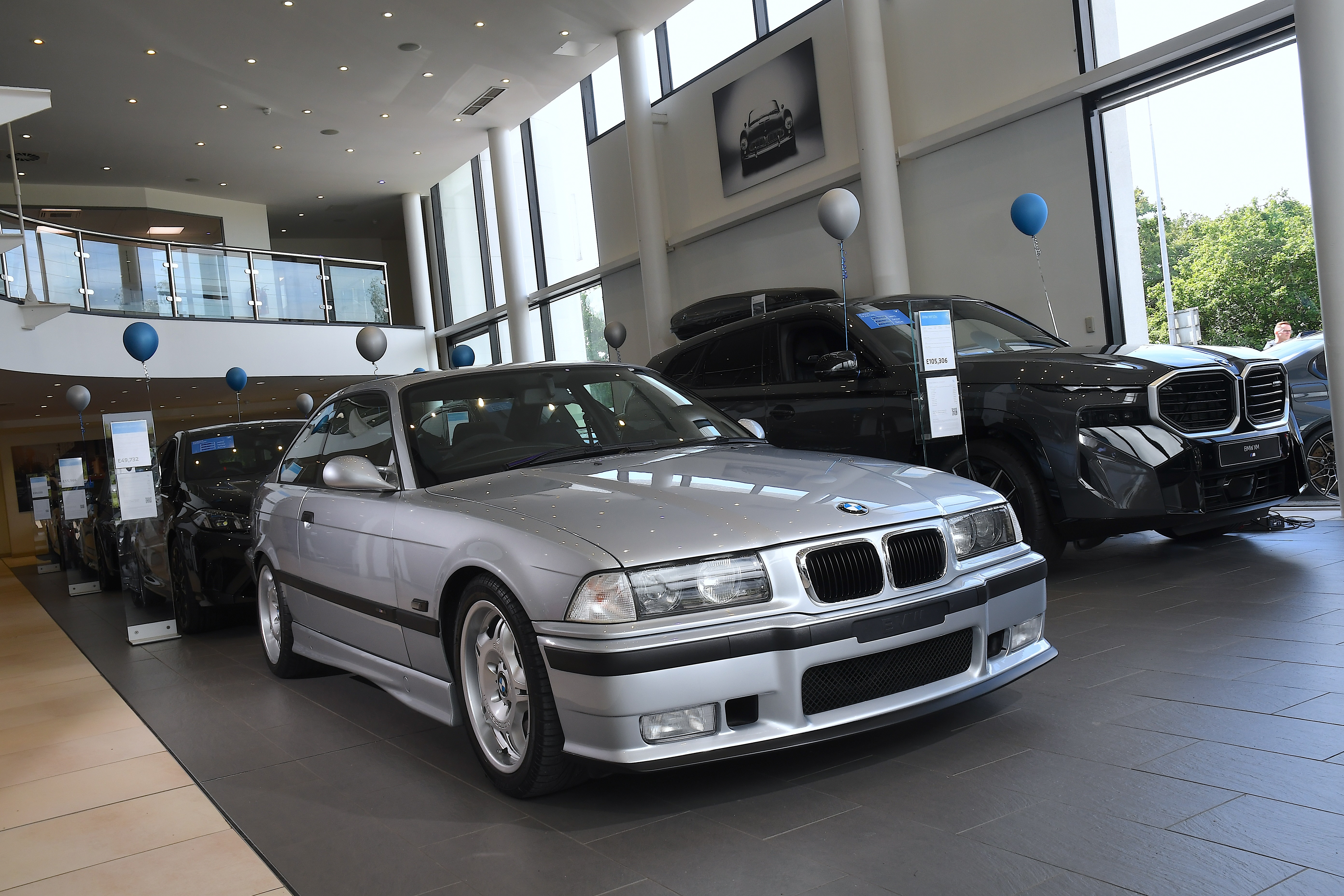
Finally, this initiative reflects a maturing automotive market where the lifecycle of a vehicle is increasingly viewed as a long-term proposition. Brands that embrace the entirety of their product history are likely to build stronger, more enduring relationships with their customers, fostering a sense of loyalty that transcends the latest model releases. The ability to service everything from a contemporary XM to a cherished E46 underscores BMW’s commitment to its diverse customer base and its rich automotive legacy. This strategic investment in its past is undoubtedly an investment in its future.