The United Kingdom is currently navigating its first comprehensive overhaul of the national curriculum and qualifications system in over a decade, marking a pivotal moment for the future of digital education in England. Since the implementation of the current framework in 2014, the technological landscape has undergone a seismic shift, transitioning from a world of emerging social media to one dominated by generative artificial intelligence, complex cybersecurity threats, and an increasingly digitized global economy. In response to this evolution, the Raspberry Pi Foundation, in collaboration with the University of Cambridge, has released a landmark report outlining six critical priorities for reform. This report is not merely a call for updated textbooks; it is a fundamental reassessment of what computing education should achieve, who it is intended to serve, and how it can best prepare the next generation for a life inextricably linked to digital systems.
The 2014 curriculum was originally designed to pivot away from basic "Information and Communication Technology" (ICT) toward a more rigorous "Computer Science" approach, emphasizing coding and computational thinking. While this move was initially praised for its ambition, educators and industry leaders have increasingly warned that the pendulum may have swung too far toward theoretical abstraction, leaving many students without the practical digital fluencies required for the modern workplace. The new report highlights a growing consensus among those on the front lines—students and teachers—that the current system is failing to reflect the realities of 21st-century life.
A Grassroots Approach to Policy Reform
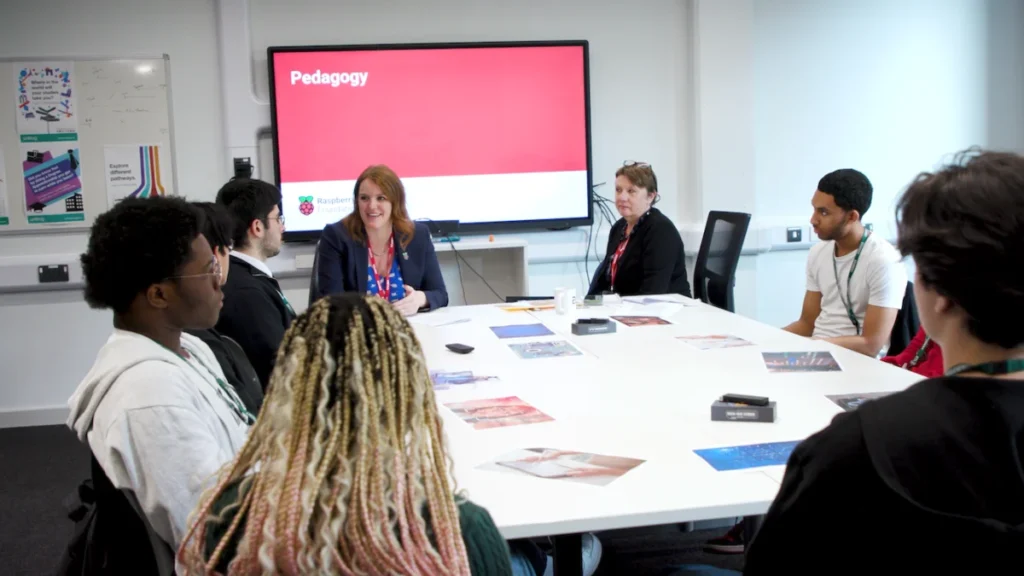
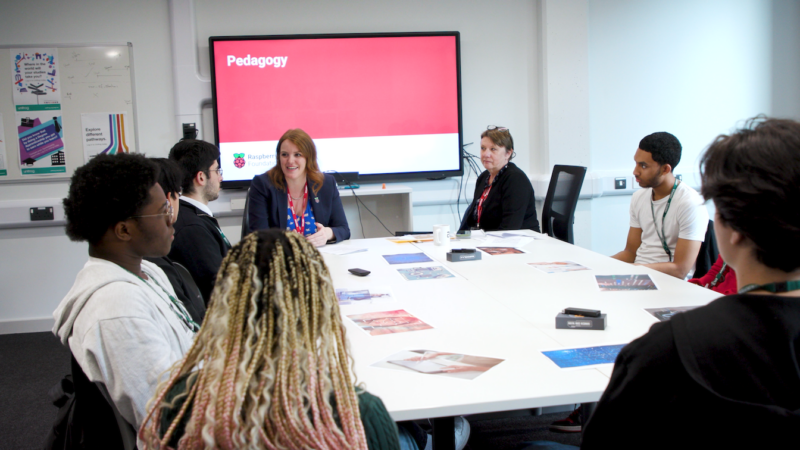
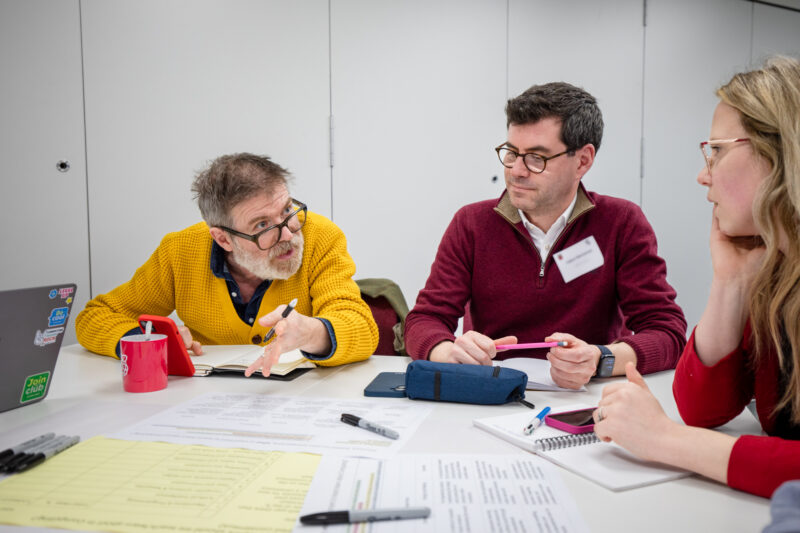
Central to the findings of the Raspberry Pi Foundation is the methodology of the research itself. Departing from traditional top-down policy-making, the foundation conducted a series of intensive student focus groups and teacher workshops throughout the spring of 2026. These sessions, held in major hubs including Manchester, London, and Cambridge, sought to capture the lived experiences of those directly impacted by the curriculum.
The participants included a diverse cross-section of the school population: high-achieving students currently enrolled in GCSE and A-level Computer Science, as well as "non-converters"—young people who had opted out of the subject after the age of 14. This latter group provided essential insights into the barriers that prevent computing from being an inclusive or attractive field of study. Simultaneously, 18 secondary school teachers provided a pragmatic perspective on the systemic challenges of implementation, ranging from hardware shortages to the lack of specialized professional development.
The data gathered from these sessions revealed a stark disconnect. Students reported that while they are "digital natives" in terms of consumption, they often feel like "digital strangers" in terms of technical competence. A common sentiment expressed in the London workshops was the frustration over being taught how to "not use" technology—particularly AI—rather than being taught how it functions. As one student noted, "AI is everywhere now; we need to understand how it works, not just be told not to use it."
Chronology of the UK Computing Curriculum
To understand the urgency of the current review, it is necessary to examine the timeline of England’s digital education strategy:
- 2012–2013: Following criticism from tech industry giants like Google and Microsoft regarding the "boring" nature of ICT, the UK government announces a radical shift toward Computer Science.
- 2014: The new National Curriculum is launched, making coding a mandatory part of the syllabus from the age of five.
- 2018: The National Centre for Computing Education (NCCE) is established with £84 million in government funding to support teacher training.
- 2022–2023: The global explosion of Generative AI (ChatGPT, Midjourney) creates a sudden gap between classroom content and real-world technological application.
- Spring 2026: The Raspberry Pi Foundation and University of Cambridge conduct focus groups to inform the first major curriculum review since 2014.
- Current: The UK Government undergoes a formal review process, with the Raspberry Pi Foundation’s report serving as a key evidentiary document.
The Six Pillars of Modern Computing Education
The report distills the feedback from workshops into six actionable priorities. These pillars represent a roadmap for a curriculum that balances academic rigor with functional utility.
1. Guaranteeing Core Digital Education
The report argues that digital literacy should no longer be viewed as a niche subject for future programmers but as a fundamental right, akin to numeracy and literacy. This "core" education must encompass online safety, data awareness, and AI literacy. In an era of rampant misinformation and deepfakes, the ability to critically evaluate digital content is a vital civic skill. The participants emphasized that these skills should be integrated into the compulsory education of every young person, regardless of whether they pursue a specialized Computer Science qualification.
2. Modernizing Content and Removing Obsolescence
One of the most frequent complaints from teachers was the "cluttered" nature of the current syllabus. The report suggests a "trimming" of content that is overly specific or outdated—such as legacy hardware specifications—to make room for contemporary topics like cybersecurity and data science. While the foundations of programming and algorithms remain essential, the context in which they are taught must reflect modern practice.
3. Prioritizing Practical and Applied Learning
The "Excel vs. Code" debate was a recurring theme in the student focus groups. Many students felt that the curriculum focused heavily on writing code but ignored the software tools they would actually use in professional environments. One student remarked, "I can code a bit, but I don’t know how to use Excel properly; that’s what I’ll actually need." The report calls for a shift toward project-based learning and "physical computing"—using devices like the Raspberry Pi to see code interact with the physical world—to make the subject more tangible and rewarding.
4. Introducing Flexibility and Specialization
The current "one-size-fits-all" approach to GCSE Computer Science has been criticized for being too narrow. The report suggests a more modular or flexible system that allows students to follow their interests, whether that be in creative media, data analysis, or software engineering. This flexibility is seen as a key driver for retention and engagement.
5. Embedding Inclusion Throughout
Diversity remains a significant challenge in the UK tech sector. Statistics show that female participation in GCSE Computer Science remains stubbornly low compared to other STEM subjects. The report emphasizes that inclusion must be "baked in" to the curriculum through diverse role models, accessible learning materials, and teaching approaches that resonate with a wider range of students, particularly those from disadvantaged backgrounds.
6. Investing in the Teaching Workforce
Perhaps the most critical finding is that no curriculum reform can succeed without a massive investment in teachers. The UK has consistently struggled to meet recruitment targets for computing teachers, often relying on non-specialists to deliver the curriculum. The report calls for sustained funding for professional development and classroom resources to ensure that teachers have the confidence and tools to teach rapidly evolving subjects like AI.
Analysis of Implications and Broader Impact
The implications of this curriculum review extend far beyond the classroom. The UK government has frequently stated its ambition for Britain to become a "scientific and technological superpower." However, industry data suggests a widening "digital skills gap" that costs the UK economy billions in lost productivity each year. By aligning the school curriculum with the actual needs of the digital economy, the government can create a more robust pipeline of talent.
Furthermore, the focus on AI literacy is a proactive response to the disruption of the labor market. As automation and AI begin to handle routine tasks, the "human" element of computing—ethics, bias detection, and creative problem-solving—becomes more valuable. The Raspberry Pi Foundation’s report places a heavy emphasis on understanding the "why" and "how" of AI, ensuring that students are not just users of these tools but informed critics and creators.
Official responses from the educational community have been largely supportive. Organizations such as the BCS (The Chartered Institute for IT) have echoed the call for a broader definition of digital competence. "Computing is more than just coding; it is about understanding the digital world we inhabit," a spokesperson for the institute noted in a recent symposium.
Conclusion: A Turning Point for Digital Literacy
As the UK Government deliberates on the future of England’s schools, the Raspberry Pi Foundation’s report serves as a reminder that the most valuable insights often come from those who inhabit the classrooms every day. The transition from a 2014-era curriculum to a 2026-and-beyond framework requires more than a simple update of terms; it requires a shift in philosophy.
By prioritizing practical application, inclusivity, and teacher support, the proposed reforms aim to democratize technical knowledge. The goal is a future where every young person in England—regardless of their career path—possesses the digital agency to navigate, critique, and contribute to a world shaped by technology. The full report, now available for public and policy review, stands as a blueprint for a more relevant, equitable, and future-proof education system.