LOUISVILLE, Ky. – In a pivotal move aimed at bolstering its domestic supply chain and expanding its U.S. manufacturing footprint, GE Appliances has announced a strategic partnership with Texas Instruments (TI) to integrate U.S.-manufactured semiconductor components into its next generation of connected laundry appliances. This collaboration marks a significant step towards greater self-reliance in critical electronics for the appliance sector, promising enhanced supply chain stability and advanced technological capabilities for consumers.
The agreement stipulates that beginning in 2027, Texas Instruments will become a crucial supplier, providing approximately one-third of the semiconductor chips required for products manufactured at GE Appliances’ state-of-the-art laundry plant located within its sprawling Louisville manufacturing campus. This initiative is a cornerstone of GE Appliances’ broader strategy to fortify domestic sourcing for vital components, a commitment underlined by over $3 billion invested in U.S. manufacturing operations since 2016. The company continues to expand its network of domestic suppliers through its innovative "Zero Distance" supply chain strategy, which aims to minimize logistical complexities and reduce dependencies on distant supply chains.
The Imperative for Domestic Sourcing: A Post-Pandemic Reality
The impetus behind this significant partnership can be traced to the profound disruptions experienced across global supply chains in recent years, particularly exacerbated by the COVID-19 pandemic. The semiconductor industry, in particular, faced unprecedented challenges, leading to widespread shortages that crippled production in sectors ranging from automotive to consumer electronics. These disruptions highlighted the vulnerabilities inherent in highly globalized supply chains and spurred a worldwide re-evaluation of manufacturing strategies, emphasizing regionalization and domestic production.
For industries like home appliances, which are increasingly reliant on advanced electronics for smart features, connectivity, and energy efficiency, a secure and stable supply of semiconductors is paramount. Manufacturers globally were forced to curtail production, delay product launches, and absorb increased costs due to chip scarcity. This environment underscored the strategic necessity for companies like GE Appliances to mitigate future risks by diversifying and localizing their sourcing of critical components. The U.S. government, through initiatives like the CHIPS and Science Act of 2022, has also actively encouraged domestic semiconductor manufacturing and research, providing substantial incentives to companies investing within the United States. While not directly referenced in the initial announcement, the broader economic and policy landscape created by such acts provides a fertile ground for partnerships like that between GE Appliances and Texas Instruments.
GE Appliances’ Strategic Vision: "Zero Distance" and Unwavering Investment
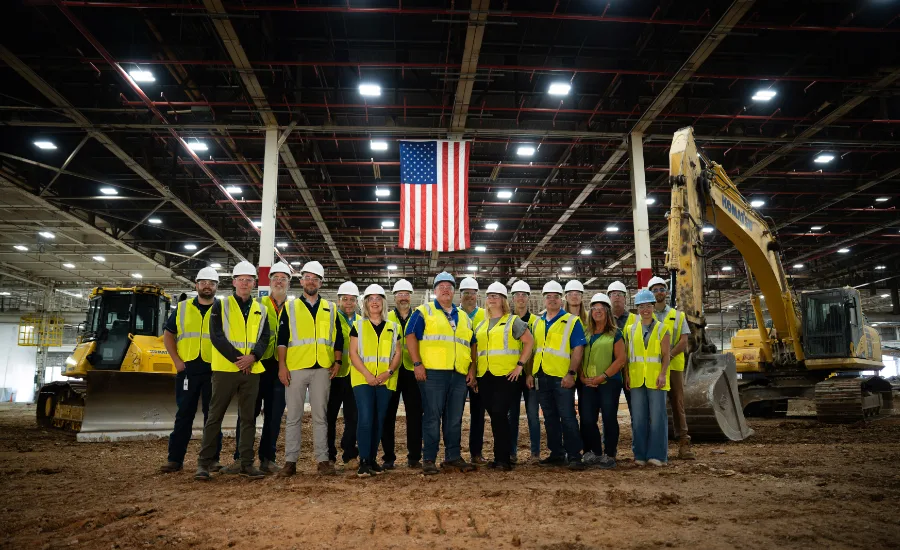
GE Appliances’ commitment to U.S. manufacturing is not new but has accelerated significantly in recent years. Since 2016, the company has channeled more than $3 billion into its U.S. operations, a testament to its belief in the strength of American craftsmanship and innovation. This substantial investment has gone towards expanding existing facilities, establishing new plants, and modernizing production lines, creating thousands of jobs and supporting local economies. The Louisville manufacturing campus, known as Appliance Park, has been a particular beneficiary, seeing significant upgrades and expansion to accommodate new product lines and increased production volumes.
The "Zero Distance" supply chain strategy is a core tenet of this domestic focus. It aims to shorten distances between suppliers and manufacturing plants, reducing lead times, enhancing responsiveness to market demands, and building resilience against global shocks. By partnering with U.S.-based suppliers like Texas Instruments, GE Appliances is not only securing its access to critical components but also strengthening the broader American industrial ecosystem. This strategy is expected to result in more agile manufacturing processes, better quality control, and a reduced carbon footprint associated with long-distance transportation.
Lee Lagomarcino, vice president of clothes care for GE Appliances, articulated the strategic benefits of the collaboration, stating, "Expanding our work with Texas Instruments gives us access to a differentiated semiconductor portfolio backed by domestic manufacturing. TI’s broad portfolio of advanced embedded processing and analog technology will help our engineers design appliances that are smarter, more powerful, and more efficient than ever before." This statement highlights both the supply chain security aspect and the technological advantage gained through the partnership.
Texas Instruments: A Domestic Powerhouse in Semiconductor Innovation

Texas Instruments, a global leader in semiconductor design and manufacturing, brings to this partnership a robust domestic manufacturing capability and a deep expertise in advanced chip technologies. TI operates state-of-the-art semiconductor fabrication facilities (fabs) across the United States, including major sites in Lehi, Utah; Richardson, Texas; and Sherman, Texas. These facilities are critical to ensuring a reliable, U.S.-based supply of the high-performance chips required by GE Appliances.
The semiconductors supplied by TI will be integral to the next generation of GE Appliances’ connected laundry products. These components are designed to support a range of advanced functionalities, including next-generation wireless connectivity, allowing seamless integration with smart home ecosystems and remote management through mobile applications. They will also enable sophisticated power management systems, optimizing energy consumption and enhancing the overall efficiency of appliances, aligning with growing consumer demand for sustainable products. Furthermore, TI’s motor control technology will contribute to quieter, more reliable, and more precise operation of laundry machines.
Crucially, the partnership extends to supporting future AI-enabled appliance architectures. GE Appliances is actively evaluating Texas Instruments’ microcontroller platform for prospective applications such as predictive maintenance, which could allow appliances to anticipate and report potential issues before they become critical failures. This platform could also facilitate adaptive performance algorithms, enabling appliances to optimize their cycles based on usage patterns, load characteristics, or even local utility rates. The integration of edge AI capabilities means that some data processing and decision-making can occur directly on the appliance, enhancing responsiveness and reducing reliance on cloud computing, thereby improving privacy and efficiency.
A Deepening Partnership and Broader Industry Implications
This expanded partnership represents a significant deepening of the relationship between GE Appliances and Texas Instruments, nearly doubling GE Appliances’ spending with the semiconductor giant. This financial commitment underscores the strategic importance both companies place on the collaboration. For Texas Instruments, it solidifies its position as a key supplier to the rapidly evolving consumer appliance market and validates its ongoing investments in domestic manufacturing capacity.
The implications of this collaboration extend beyond the two companies. It reflects a broader, accelerating trend among manufacturers across various sectors to re-evaluate and shorten their supply chains for critical electronic components. The move towards increased domestic production capacity is not merely a reaction to past crises but a strategic imperative for future resilience and competitiveness. By securing a reliable, domestically sourced supply of advanced semiconductors, GE Appliances is positioning itself at the forefront of this industrial transformation.
From an economic perspective, such partnerships contribute to job creation, foster technological innovation within the U.S., and strengthen the national industrial base. They align with national efforts to reshore manufacturing and reduce dependence on geopolitical rivals for essential technologies. For consumers, the partnership promises more reliable, technologically advanced, and potentially more sustainable home appliances, backed by a resilient supply chain. The "Made in America" label, increasingly valued by consumers, gains further substance when critical components are also domestically sourced.
Looking Ahead: The Future of Smart Appliances and Supply Chain Resilience
The 2027 rollout of these TI-powered appliances will mark a new chapter for GE Appliances’ laundry line. The continuous integration of cutting-edge technology, from enhanced connectivity to AI-driven features, is set to redefine the user experience, offering unprecedented levels of convenience, efficiency, and intelligence. As the appliance market continues its rapid evolution towards smarter, more integrated home ecosystems, the foundation laid by this partnership will be crucial.
Moreover, this collaboration could serve as a model for other manufacturers seeking to de-risk their supply chains and embrace domestic sourcing. The emphasis on robust, localized production of semiconductors, coupled with strategic partnerships between leading innovators, illustrates a pathway towards a more secure and resilient manufacturing future for the United States. The era of hyper-globalized, just-in-time supply chains is giving way to a more balanced approach that prioritizes security and reliability alongside cost efficiency. The GE Appliances-Texas Instruments partnership stands as a powerful example of this strategic pivot, promising long-term benefits for both companies, the industry, and American consumers.