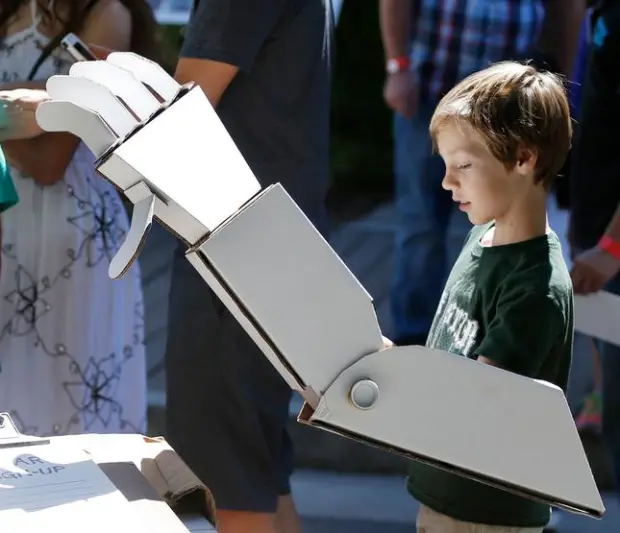
The annual Maker Faire Bay Area has returned to the historic waterfront of Mare Island, signaling a profound shift in the event’s focus from passive observation to active, hands-on participation. This year’s gathering, hosted at the former naval shipyard in Vallejo, California, emphasizes the "making" aspect of the maker movement, offering a diverse array of workshops that range from traditional leatherworking to cutting-edge artificial intelligence. As the event marks nearly two decades of influence on the global DIY community, the 2024 iteration underscores the importance of tactile learning and community-driven innovation in an increasingly digital world.
A New Chapter at Mare Island: The Evolution of Maker Faire
The transition of Maker Faire Bay Area to Mare Island represents a significant milestone in the event’s history. For years, the San Mateo County Event Center served as the primary hub for what many dubbed the "Greatest Show (and Tell) on Earth." However, the move to Vallejo’s Mare Island has allowed the event to leverage the site’s industrial heritage, providing a raw, authentic backdrop for a new generation of creators. Mare Island, once the first United States Navy base established on the Pacific Coast, now serves as a symbol of repurposing and resilience—themes that resonate deeply with the maker ethos.
The 2024 event is designed to be more than a showcase of finished products. Organizers have curated a schedule that prioritizes skills acquisition, inviting attendees to engage in the "Foundry Floor" and the "Craft & Create Workshop" areas. The goal is to move beyond the "spectacle" of giant fire-breathing robots and focus on the individual’s ability to manipulate materials, code, and circuits.

From Soldering to Citizen Science: Highlighting Key Workshops
At the heart of this year’s program is the EMF Explorer Badge workshop. This project serves as an introductory gateway into the world of electronics and soldering. Participants are tasked with assembling a wearable device designed to detect electromagnetic frequencies (EMF). Once completed, the badge allows users to "listen" to the hidden electronic sounds of the world around them, from the hum of a smartphone to the invisible signals of power lines. This workshop exemplifies the faire’s educational mission, providing safe, supervised instruction for all ages and demystifying the hardware that powers modern life.
In the realm of sustainable fashion and upcycling, Scatha Allison, known professionally as Ms. Velvet Cream Neocoture, is leading sessions on transforming discarded textiles. Allison, a self-taught designer who has been a fixture of the San Francisco sewing scene since 2003, teaches participants how to turn old T-shirts into braided keychain charms. By teaching a basic four-strand braid and finishing techniques, the workshop addresses the broader issue of textile waste—a major environmental concern—while empowering individuals to create personalized accessories from materials they already own.

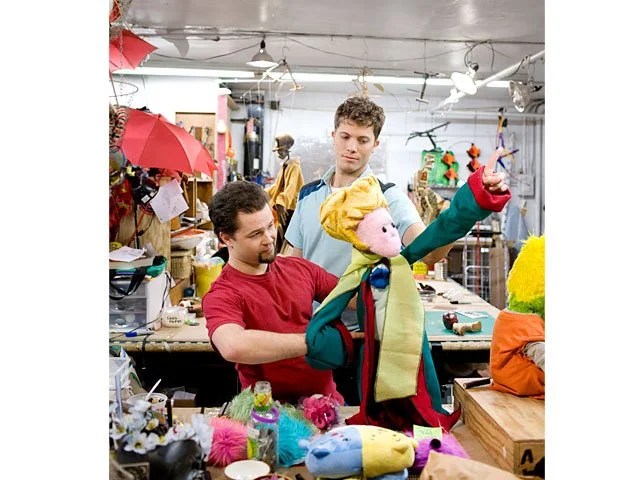
The intersection of art and engineering is further explored through puppet-making workshops led by Michael “Shoop” Schupbach. An Emmy Award-winning designer with credits on Sesame Street and Avenue Q, Schupbach brings professional-grade techniques to the general public. His workshop focuses on the construction of sock puppets, teaching the mechanics of movement and character design. This session highlights the multidisciplinary nature of the maker movement, where storytelling and soft-circuitry often overlap.
Advanced Technology: Robotics and Physical AI
The 2024 Maker Faire also reflects the rapid advancement of accessible technology. EASE Robotics is hosting a "Robot Olympics" workshop, specifically targeting late elementary and middle school students. Unlike traditional robot kits that come pre-assembled or with rigid instructions, this program requires students to understand circuit boards, write original code, and develop autonomous programming. The competitive aspect of the Robot Olympics serves as a catalyst for problem-solving, as students must iterate on their designs to overcome specific physical challenges.
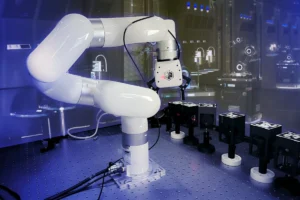
Artificial Intelligence (AI) has also moved from the screen to the workbench. A specialized workshop on building voice-based AI toys allows attendees to run a full "Physical AI" stack. This involves creating an AI agent, connecting it to hardware, and integrating real-time voice, vision, and memory capabilities. This shift from software-only AI to physical, conversational robots represents the next frontier for hobbyists and professional developers alike, bridging the gap between the Internet of Things (IoT) and generative intelligence.
Social Impact and Assistive Technology
One of the most significant shifts in the maker movement over the last decade has been the move toward "Making for Good." This is best exemplified by the Mobility Making Party, a collaborative effort to assemble open-source Toddler Mobility Trainers (TMTs). These devices are designed for young children with mobility disabilities, providing them with a means of exploration that might otherwise be financially or logistically inaccessible.

The Mobility Making Party functions as a distributed manufacturing hub. Volunteers and families work together to build the units, which are then distributed to families in need at the end of the event. This initiative highlights the power of open-source design in the medical and assistive technology fields. According to industry data, the cost of commercial pediatric mobility devices can range from $2,000 to over $5,000. By using open-source plans and community labor, the maker movement provides a low-cost, high-impact alternative that directly improves lives.
DIY Biology and the Future of Sustainability
The inclusion of Counterculture Labs and the Mobile Maker Club Creature Lab points toward a growing interest in biological making and environmental science. Counterculture Labs, an Oakland-based community laboratory, has been a proponent of "citizen science" for over a decade. At the faire, they host a "Kombucha Petting Zoo" and demonstrations on agar art and bioreactors. Their presence is a reminder that biotechnology is no longer confined to academic or corporate institutions; with the right tools and knowledge, the public can engage in mycology, micromitigation, and genetic exploration.

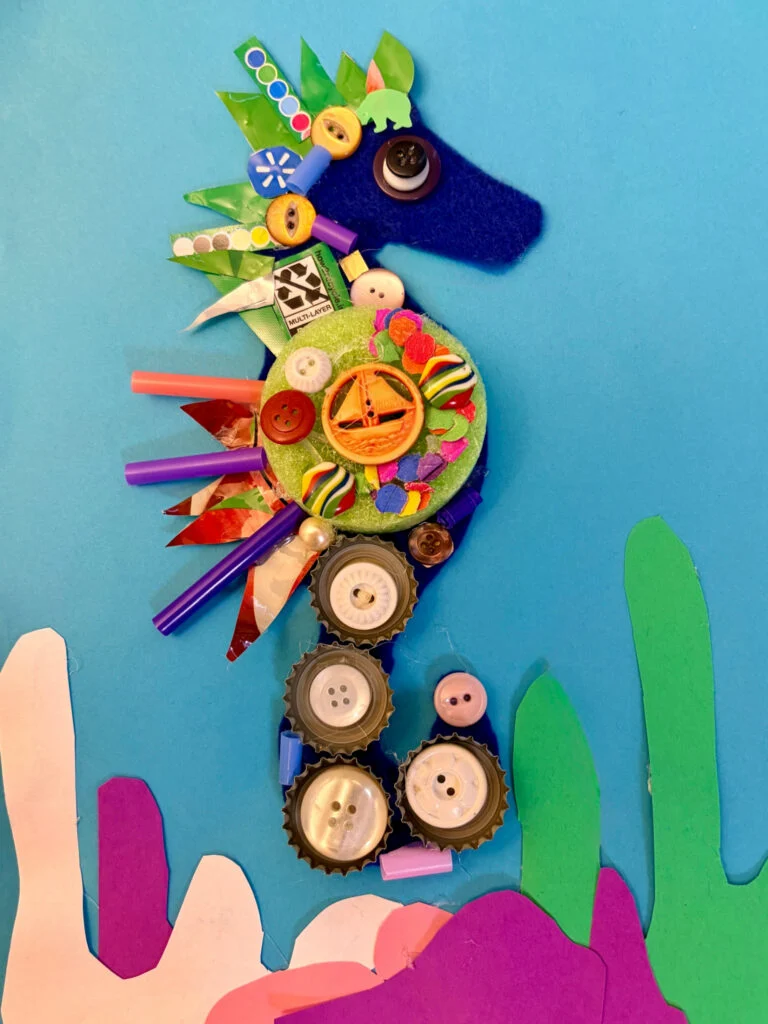
The Creature Lab, meanwhile, focuses on the "circular economy." By using discarded materials to build models of creatures inspired by real or imaginary ecosystems, participants learn about resource efficiency and material lifecycles. This pedagogical approach encourages young makers to view "waste" as a functional resource, fostering a mindset of sustainability that is critical for future innovation.
Chronology of the Maker Movement
To understand the significance of the 2024 Maker Faire Bay Area, one must look at the timeline of its development:

- 2006: The inaugural Maker Faire is held in San Mateo, California, launched by Make: magazine. It draws approximately 20,000 attendees.
- 2010-2015: The movement goes global, with "Flagship" faires in New York and Tokyo, and hundreds of community-led "Mini Maker Faires" worldwide.
- 2019: Maker Media, the parent company, undergoes a financial restructuring, pivoting toward a more sustainable, community-focused model.
- 2020-2022: The COVID-19 pandemic forces the event into virtual formats, highlighting the resilience of the maker community as they produce PPE and medical equipment globally.
- 2023: Maker Faire Bay Area makes its triumphant return to a physical format at Mare Island, embracing a more industrial and workshop-heavy layout.
- 2024: The event expands its hands-on offerings, integrating AI and advanced robotics while maintaining its roots in traditional crafts.
Economic and Educational Analysis
The impact of Maker Faire extends beyond a single weekend. Analysis of the "Maker Economy" suggests that the DIY movement contributes significantly to the global economy. A study by Deloitte and Maker Media previously estimated that the maker movement is a multi-billion dollar industry, encompassing everything from 3D printing and CNC machining to craft sales on platforms like Etsy.
Educationally, the faire serves as a vital supplement to formal STEM (Science, Technology, Engineering, and Math) curricula. By providing a "low-stakes" environment for failure and experimentation, the workshops at Maker Faire help develop "maker mindsets"—a combination of curiosity, persistence, and resourcefulness. For the city of Vallejo and the greater Solano County area, the event also serves as an economic driver, bringing thousands of visitors to the region and highlighting Mare Island as a burgeoning hub for the "blue economy" and green tech innovation.

Conclusion: The Enduring Value of the Maker Ethos
As Maker Faire Bay Area 2024 concludes its weekend on Mare Island, the message is clear: the future of innovation belongs to those who are willing to get their hands dirty. By providing the tools, the mentorship, and the community space for people to build their own EMF explorers, robots, and mobility devices, the event ensures that the spirit of American ingenuity remains vibrant. In an era where technology can often feel opaque and inaccessible, Maker Faire remains a necessary reminder that we have the agency to take the world apart, understand how it works, and put it back together in a way that is better, more inclusive, and more sustainable.