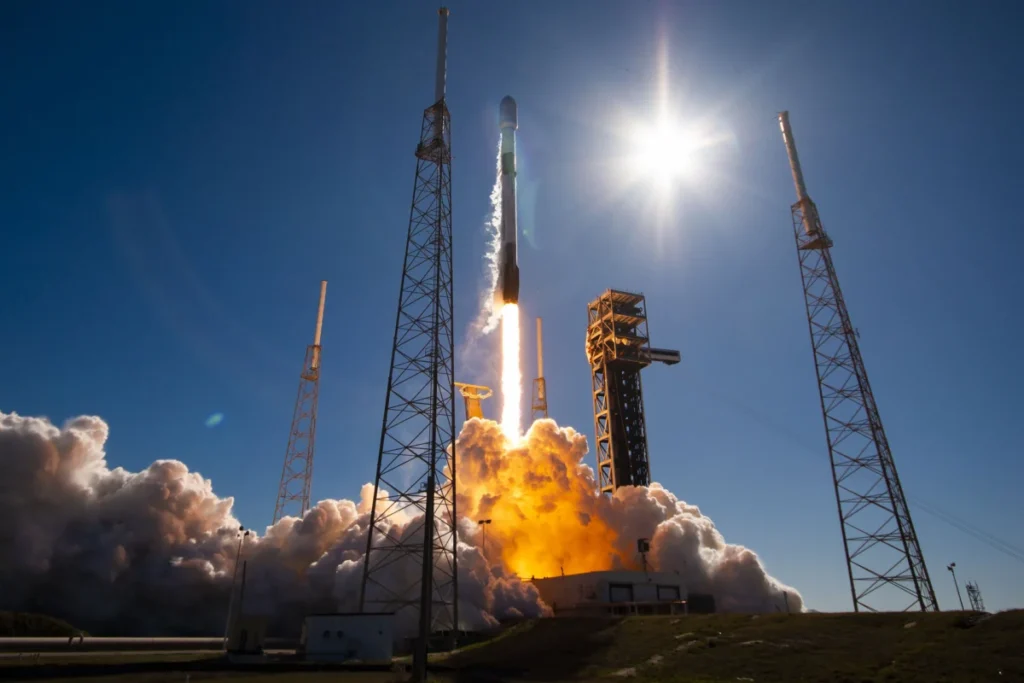
The European Space Agency (ESA) has successfully launched its latest technology demonstration CubeSat, GOMX-5, aboard SpaceX’s Falcon 9 Transporter-18 mission on October 1, 2026. Developed in collaboration with the Danish company GOMSpace under ESA’s General Support Technology Programme (GSTP), this mission is poised to showcase several cutting-edge technologies designed to enhance space safety and maritime awareness.
Mission Objectives and Technological Innovations
GOMX-5, an In-Orbit Demonstration mission, is specifically engineered to validate a suite of novel technologies in the demanding environment of space. A primary objective is the rapid commissioning of its new propulsion system within 48 hours of launch. This capability is crucial for enabling timely collision avoidance maneuvers, a direct response to ESA’s increasingly stringent new space debris mitigation policies. As orbital congestion continues to escalate, proactive debris management and collision prevention are paramount to ensuring the long-term sustainability of space activities.
The GOMSpace engineering team has developed a largely automated platform commissioning procedure to significantly reduce the time between satellite deployment and the activation of critical subsystems. This streamlined approach is designed to expedite the operational readiness of GOMX-5, allowing its operators to swiftly confirm the spacecraft’s health and prepare for the activation of its electrical propulsion system, should it be required for evasive action.
"The operations team faces a challenging Launch and Early Operations phase, meticulously checking that these early automated operations have functioned successfully and that the platform is commissioned as quickly as possible," explained David Palma, the ESA Technical Officer overseeing the mission. "This demands immense focus and preparation. In the coming weeks, we will gain invaluable insights into the performance of these new technologies, including advanced antennas, radios, and onboard computers. We are optimistic that in a few months, we can declare this technology demonstration mission a resounding success."
Beyond its critical collision avoidance capabilities, GOMX-5 is equipped with several other groundbreaking payloads that have never before been tested in space. These include a tracking solar panel, similar to those utilized on ESA’s Hera mission’s Juventas CubeSat, and a sophisticated maritime awareness payload.
Advancing Maritime Security and Surveillance
The maritime awareness payload represents a significant advancement in monitoring activities at sea, particularly in remote oceanic regions where conventional tracking systems may struggle to provide adequate coverage. GOMX-5 will demonstrate a reference maritime domain awareness payload, featuring multiple antennas and radios capable of covering a broad spectrum of frequencies. This technology has the potential to revolutionize maritime security by offering enhanced visibility of vessels, aiding in efforts to combat illegal fishing, piracy, and other illicit maritime activities. The ability to track vessels in real-time, even in areas with limited infrastructure, is a critical step towards a safer and more secure global maritime domain.
The development of GOMX-5 falls under Element 3 of ESA’s GSTP program, focusing on "Fly" initiatives. This mission is the latest in a lineage of successful technology demonstration CubeSats developed in partnership with GOMSpace under GSTP, following in the footsteps of GOMX-4B and GOMX-3. GOMX-3 holds the distinction of being ESA’s very first technology CubeSat to fly, underscoring a long-standing commitment to fostering innovation through small satellite platforms.
Context and Broader Implications
The launch of GOMX-5 occurs within a broader context of escalating space debris concerns and the growing importance of robust maritime surveillance. The United Nations Committee on the Peaceful Uses of Outer Space (COPUOS) has been actively discussing the need for international guidelines on space debris mitigation, and ESA’s proactive approach with missions like GOMX-5 aligns with these global efforts. The new space debris mitigation policy mentioned by ESA underscores a tangible shift towards operationalizing debris avoidance measures, moving beyond theoretical discussions to practical implementation.
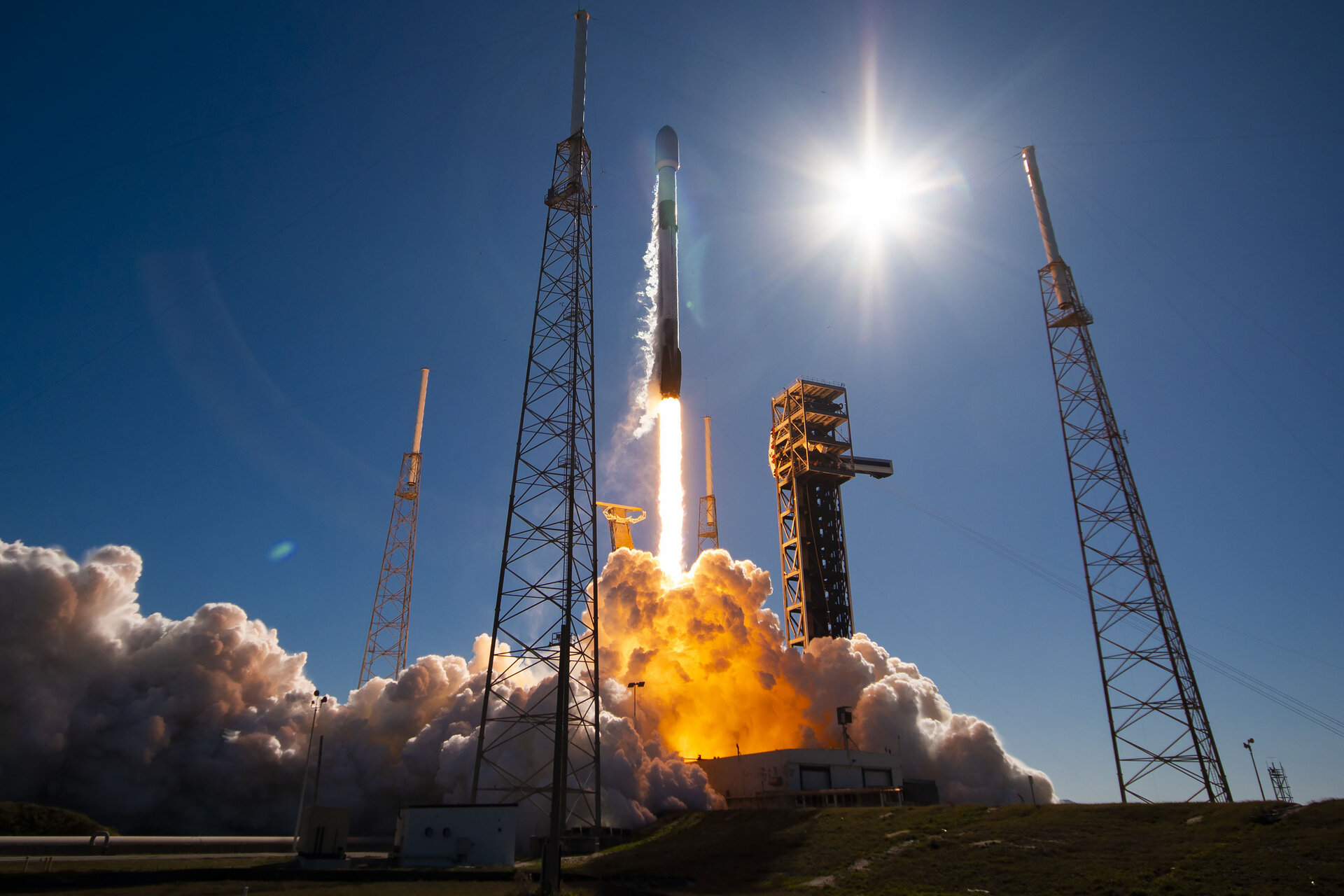
The Transporter-18 mission, a dedicated smallsat rideshare, signifies the increasing accessibility and cost-effectiveness of space launch for smaller payloads. GOMX-5 shares its journey into orbit with an impressive 129 other payloads, highlighting the growing trend of diverse and collaborative missions utilizing these versatile launch opportunities. The launch window opened at 20:17 CEST, with the mission commencing shortly thereafter, marking a significant milestone for the GOMSpace and ESA teams.
Supporting Data and Technical Specifications
While specific technical details of GOMX-5’s propulsion system and maritime payload are proprietary to GOMSpace and ESA’s GSTP program, the mission’s success hinges on the rapid and reliable commissioning of these subsystems. The typical operational lifespan of a CubeSat varies significantly based on its design and mission objectives, but technology demonstration missions often operate for several months to a few years, providing crucial data for future space missions.
The electrical propulsion system on GOMX-5 is expected to utilize a low-thrust, high-efficiency mechanism, such as Hall thrusters or ion engines, commonly employed in small satellite propulsion systems for orbit adjustments and station-keeping. The maritime awareness payload’s broadband frequency coverage suggests the use of advanced antenna designs and radio frequency receivers capable of detecting and processing signals across a wide range of spectrums, potentially including Automatic Identification System (AIS) signals, radar, and other communication frequencies used by maritime vessels.
The successful demonstration of a tracking solar panel, mirroring technology from the Hera mission’s Juventas CubeSat, indicates a focus on enhancing power generation and management for future deep-space or planetary exploration missions. The Hera mission itself is a testament to ESA’s commitment to planetary defense and asteroid characterization, with its CubeSats playing a vital role in its scientific objectives.
Official Responses and Future Outlook
The successful launch and subsequent commissioning of GOMX-5 are expected to be met with considerable enthusiasm within the space industry and among policymakers. The mission’s ability to prove the efficacy of rapid propulsion system activation will be a key indicator of progress in operationalizing collision avoidance.
"The successful integration and launch of GOMX-5 represent a significant step forward in our ongoing efforts to develop technologies that ensure the long-term sustainability of space activities," stated an ESA spokesperson. "This mission, born from the innovative spirit of our GSTP program and the expertise of GOMSpace, will not only contribute to safer orbits but also provide crucial advancements in our ability to monitor and secure our planet’s vital maritime routes."
Upon the successful demonstration of its payloads, the ESA GSTP activity for GOMX-5 will conclude, with full operational control transitioning to GOMSpace for the remainder of the mission’s lifespan. This handover model allows ESA to focus on technology maturation while enabling commercial partners to leverage these innovations for broader applications.
The implications of GOMX-5 extend beyond its immediate technological demonstrations. The data gathered will inform the design and development of future ESA missions, as well as provide valuable insights for commercial satellite operators. The success of such technology demonstration missions is crucial for fostering innovation, reducing risk in future space ventures, and maintaining Europe’s competitive edge in the global space sector.
The broader impact of GOMX-5’s maritime surveillance capabilities could be profound, offering enhanced situational awareness for governments and international organizations. This improved oversight can contribute to greater maritime safety, more effective enforcement of maritime laws, and a more secure global trading environment. The successful deployment of these advanced technologies marks a pivotal moment, demonstrating ESA’s commitment to not only exploring the cosmos but also safeguarding our planet and its resources. The coming months will be critical in assessing the full potential of this ambitious CubeSat mission.