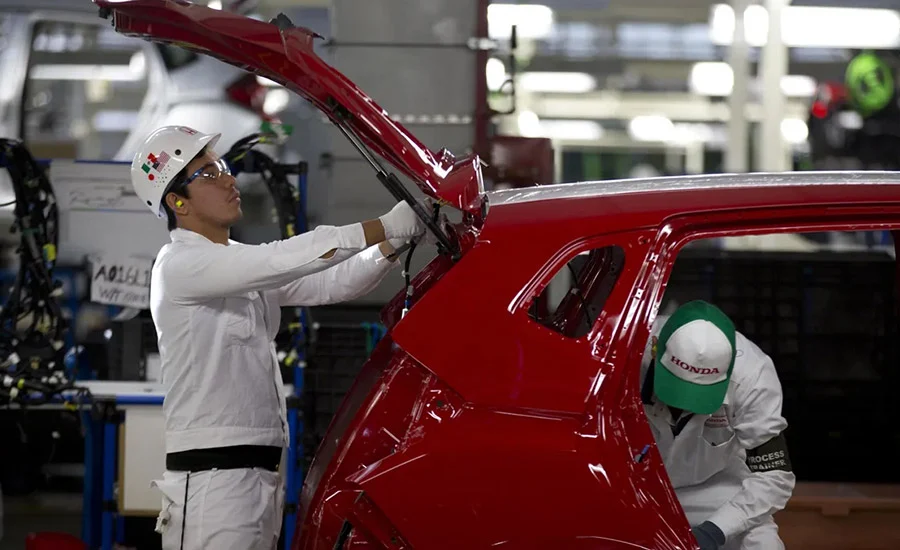
TOKYO – In a significant strategic move set to reshape the future of automotive electronics, Honda Motor Co. and Nissan Motor Co. are engaged in advanced discussions to standardize electronic control units (ECUs) for their upcoming software-defined vehicles (SDVs). This ambitious collaboration aims to substantially reduce development costs, expedite time to market for new technologies, and leverage crucial economies of scale in an increasingly competitive global automotive landscape. The automakers are eyeing a potential implementation timeframe as early as 2029 for these standardized units in their vehicle lineups.
The Strategic Imperative: Navigating the Software-Defined Vehicle Revolution
The automotive industry is undergoing a profound transformation, shifting from hardware-centric engineering to a software-defined paradigm. This evolution is driven by consumer demand for advanced connectivity, autonomous driving capabilities, and personalized in-car experiences, all powered by sophisticated software. Software-defined vehicles represent the next generation of automotive innovation, allowing manufacturers to deploy over-the-air (OTA) updates for performance enhancements, feature additions, and security patches, much like smartphones. This capability transforms the vehicle from a static product at the point of sale into an evolving platform, offering continuous improvement and new revenue streams throughout its lifecycle.
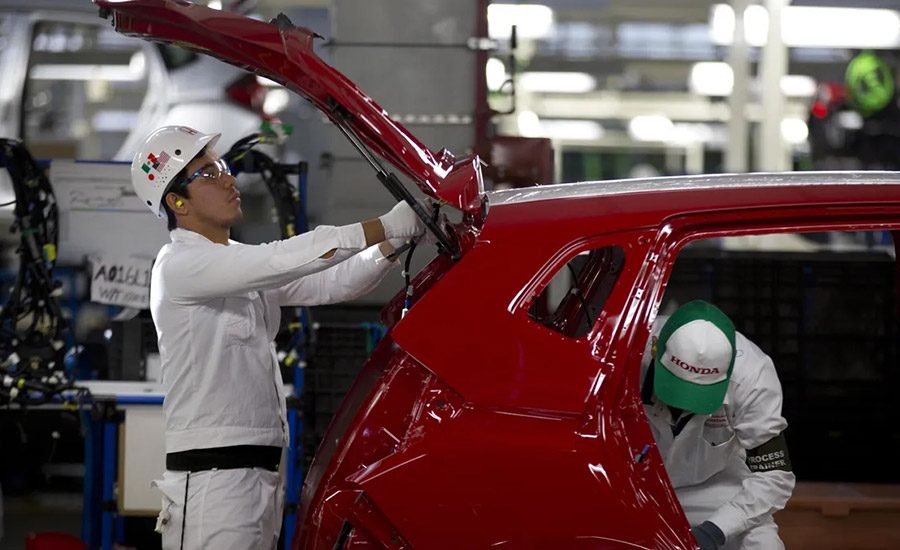
However, developing SDVs presents immense challenges. The complexity of integrating myriad sensors, actuators, and control systems, all orchestrated by intricate software, demands unprecedented levels of R&D investment and engineering expertise. Traditional vehicle architectures, which often house dozens, sometimes over a hundred, disparate ECUs, each controlling a specific function (e.g., engine management, braking, infotainment, power windows), are ill-suited for the rapid iteration and holistic integration required by SDVs. These conventional ECUs are typically hardwired and difficult to update post-production, leading to fragmented systems and high maintenance costs.
The transition to SDVs necessitates a fundamental architectural shift towards more centralized, high-performance computing platforms. A central ECU, or a domain-based architecture with fewer, more powerful ECUs, becomes the brain of the vehicle, capable of managing complex data flows, executing sophisticated algorithms, and supporting frequent software updates. Designing and validating such a system from scratch is an extraordinarily resource-intensive endeavor, pushing even automotive giants to seek collaborative solutions.
A Deep Dive into the Proposed Collaboration
The core of the Honda-Nissan initiative revolves around the joint development of a central ECU designed to oversee the entire vehicle’s operations. This singular, powerful unit would replace many of the individual ECUs found in today’s vehicles, streamlining architecture, reducing wiring complexity, and creating a unified platform for software deployment. Beyond hardware, the companies are also exploring the standardization of the underlying software that will run on these central ECUs. This dual approach—standardizing both hardware and core software—is critical for achieving maximum efficiency and interoperability.
Furthermore, the collaboration is not limited to the two primary partners. Nissan, holding a 26 percent stake in Mitsubishi Motors Corp., is exploring the possibility of supplying the jointly developed ECU to Mitsubishi, potentially expanding the economies of scale even further. This would create a shared technological backbone across three major Japanese automotive brands, fostering a common ecosystem for future software and hardware development.
While a proposed merger between Honda and Nissan was reportedly scrapped in the past, this component-level collaboration signals a pragmatic approach to strengthening their relationship where mutual benefits are clear and compelling. Rather than a full corporate integration, which involves complex organizational and cultural hurdles, a joint development project focused on a critical, high-cost component allows both companies to retain their distinct brand identities and product strategies while sharing the financial and technical burden of foundational technology.
Historical Context and Industry Trends in Automotive Collaboration
Automotive collaborations are not new; the industry has a long history of partnerships, joint ventures, and technology sharing agreements. These range from powertrain development to platform sharing and manufacturing alliances. Examples include the Daimler-Volvo joint venture for software-defined truck platforms, which highlights a similar industry-wide recognition of the need for collaborative investment in complex new technologies. Other historical examples include Toyota and Suzuki’s collaboration on hybrid and small vehicles, and various partnerships between European manufacturers like Volkswagen and Ford for commercial vehicles and autonomous driving tech.

The current wave of collaboration, however, is increasingly focused on areas of high capital expenditure and rapidly evolving technology, particularly electric vehicles (EVs), autonomous driving (AD), and software-defined architectures. Automakers face immense pressure from multiple fronts: stringent emissions regulations, the costly transition to electrification, the race to develop self-driving capabilities, and the need to compete with tech giants entering the mobility space. The sheer scale of investment required often makes it unfeasible for a single company to go it alone, especially for foundational technologies that do not necessarily serve as primary brand differentiators.
For Japanese automakers, specifically, there’s an added urgency. While they have historically led in manufacturing efficiency and quality, they face stiff competition in the EV and software domains from Tesla and a rapidly advancing cohort of Chinese EV manufacturers. These new players often have a "software-first" mindset and streamlined architectures from inception, giving them an advantage in speed and cost for SDV development. Collaborations like the Honda-Nissan initiative are crucial for traditional automakers to pool resources and accelerate their own transformation, ensuring they remain competitive in the global market.
Financial and Strategic Implications: The Drive for Efficiency
The primary drivers behind this collaboration are clear: cost reduction, speed, and scale.

- R&D Cost Reduction: Developing a central ECU and its accompanying software stack can cost billions of dollars for a single automaker. By sharing these costs, Honda and Nissan can significantly reduce their individual expenditures, freeing up capital for other strategic areas such as battery technology, advanced materials, or brand-specific features. Industry analysts estimate that joint development projects for complex components can reduce R&D costs by 30-50% for each partner, depending on the scope of the collaboration.
- Accelerated Time to Market: The pace of technological change in the automotive sector has never been faster. Joint development allows for a larger pool of engineering talent, shared expertise, and potentially faster problem-solving. This can shave months, if not years, off development cycles, enabling both companies to bring advanced SDV features and capabilities to consumers more quickly. In a market where early adoption often translates to market leadership, speed is a critical competitive advantage.
- Economies of Scale: Standardizing a component across multiple brands leads to significantly higher production volumes. This increased demand allows suppliers to achieve greater economies of scale in manufacturing, purchasing raw materials, and assembly processes, ultimately driving down the per-unit cost of the ECUs. This cost saving can be passed on to consumers, making SDVs more accessible, or reinvested into further R&D. Furthermore, a shared platform simplifies supply chain management and can reduce risks associated with component shortages, a lesson painfully learned during recent global crises.
Beyond these direct benefits, the collaboration offers broader strategic advantages. It can foster a common talent pool for software development, making it easier to attract and retain highly skilled engineers. It also creates a standardized interface for third-party developers, potentially accelerating the creation of new applications and services for the shared platform, akin to an app store ecosystem for vehicles.
The Evolving Role of Electronic Control Units (ECUs)
To fully appreciate the significance of this collaboration, it’s important to understand the evolution of ECUs. Initially, a vehicle might have had a handful of ECUs managing critical functions like engine ignition and fuel injection. Over decades, as vehicles became more sophisticated, adding features like anti-lock braking systems (ABS), airbags, power steering, infotainment, and advanced driver-assistance systems (ADAS), the number of ECUs proliferated. Modern premium vehicles can contain over 100 ECUs, often sourced from various suppliers, running on different software architectures, and communicating through complex, often proprietary, networks.
This distributed architecture, while functional, presents several challenges:

- Complexity: Managing and integrating so many disparate units is incredibly complex.
- Cost: Each ECU adds hardware cost, wiring, and integration expenses.
- Update Difficulty: Updating software across a multitude of ECUs, especially when they are from different vendors, is a logistical nightmare and often impossible over the air.
- Security Vulnerabilities: More entry points and fragmented software increase potential cybersecurity risks.
The shift to a central ECU or a domain-based architecture (where a few powerful ECUs manage specific domains like infotainment, powertrain, or ADAS) is designed to overcome these limitations. By consolidating control, simplifying wiring, and providing a unified software environment, automakers can achieve greater efficiency, flexibility, and security, paving the way for truly software-defined capabilities.
Challenges and Outlook
While the benefits of this collaboration are substantial, Honda and Nissan will undoubtedly face challenges. Integrating corporate cultures, aligning development methodologies, and managing intellectual property rights in a shared project can be complex. Ensuring that the standardized platform allows for sufficient differentiation in their respective product lines will also be crucial for maintaining brand identity and market appeal. Moreover, the timeline of 2029 suggests a significant undertaking, requiring sustained commitment and adaptability from both parties.
However, the prevailing industry sentiment is that such collaborations are no longer optional but a necessity for survival and growth in the rapidly transforming automotive landscape. By pooling resources for a foundational, high-cost technology like central ECUs for SDVs, Honda and Nissan are demonstrating a strategic foresight aimed at securing their competitive position in the future of mobility. Their move is a testament to the increasing recognition that the future of automotive innovation lies not just in hardware prowess, but fundamentally in software excellence and efficient, scalable architectures. This alliance could set a precedent for further collaborations among traditional automakers seeking to navigate the complex and capital-intensive journey toward a fully software-defined and electrified future.