The allure of the wilderness, with its unpredictable weather, challenging trail conditions, and captivating wildlife, draws countless individuals outdoors. For those who embrace these experiences, particularly in regions like Colorado, the start of summer often prompts a critical re-evaluation of hiking preparedness. This journey of refinement, influenced by a growing EDC (Everyday Carry) culture that emphasizes life-saving gadgets, is a continuous process for many outdoor enthusiasts. The question of what constitutes the optimal mix of useful items versus unnecessary bulk in a backpack is a persistent one, a balance that evolves with experience.
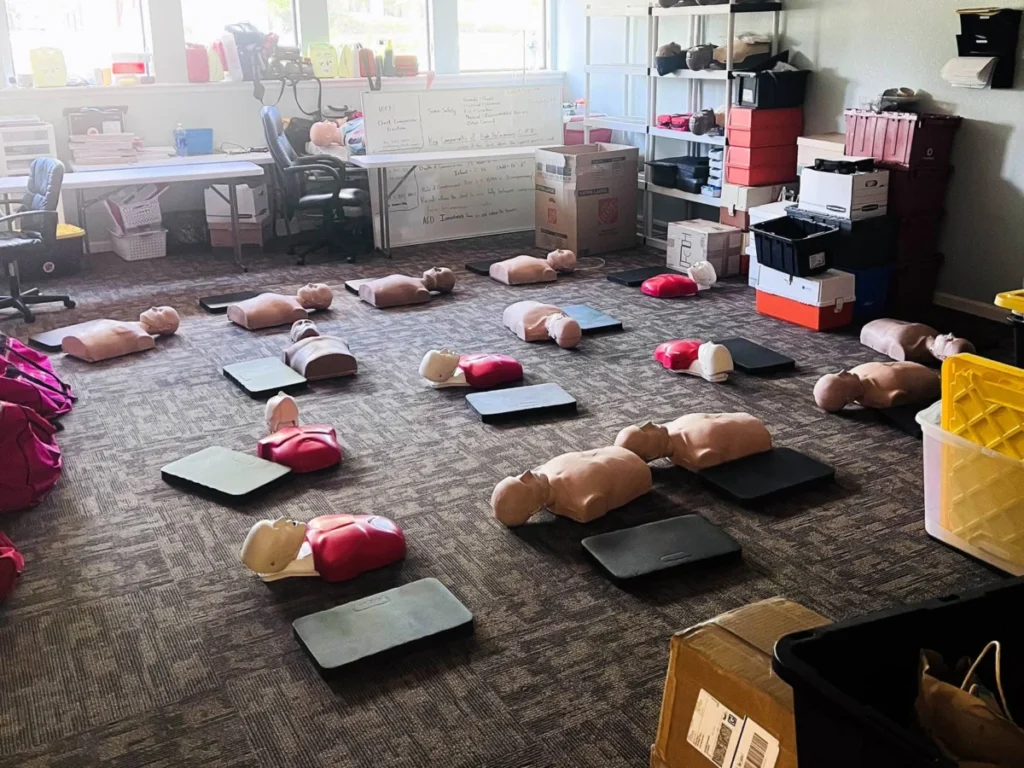
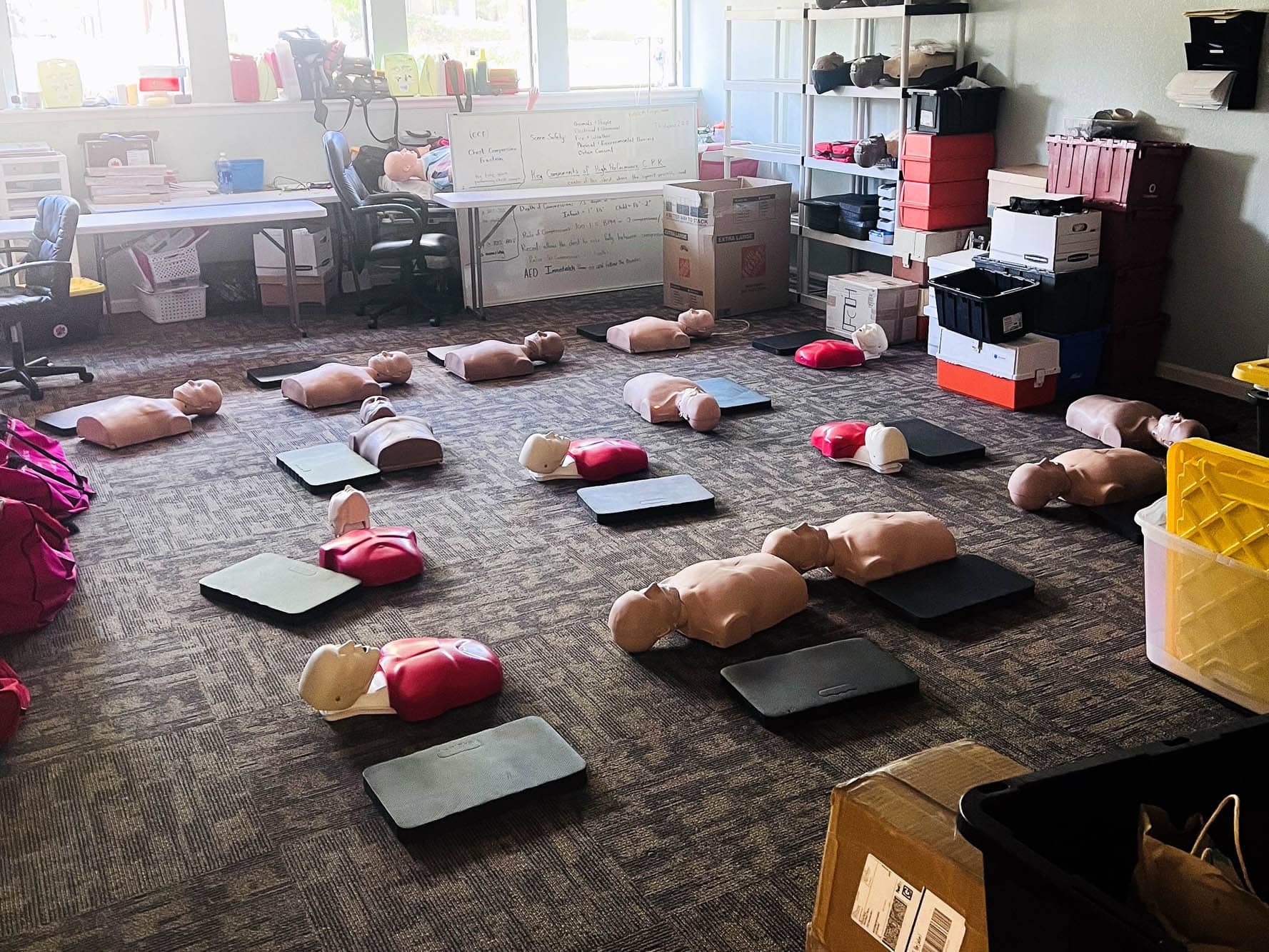
The pursuit of this balance recently led a Coloradan hiker to dedicate a significant portion of their weekend to intensive wilderness safety training. In late May, the hiker participated in a sixteen-hour Wilderness First Aid (WFA) certification course, held within the confines of a climate-controlled office building, a stark contrast to the unpredictable environments it aimed to prepare participants for. The curriculum was comprehensive, covering essential skills such as head-to-toe physical examinations, the assessment and treatment of a wide range of injuries, the evaluation of environmental hazards, and the crucial leadership abilities required in remote settings where professional medical assistance can be hours, or even days, away. The course culminated in the awarding of a WFA certification and a renewed CPR/AED certification, bolstering the hiker’s confidence in their ability to navigate and respond to emergencies in the backcountry. The overarching lesson learned was unequivocal: preparation is the sole controllable element of any outdoor excursion.
This newfound knowledge was soon put to the test during a six-hour solo journey to Taos, New Mexico, for the hiker’s first independent expedition away from their home state. This practical application provided a real-world scenario to evaluate the effectiveness of their preparedness strategy.
Backpack Selection: The Foundation of Preparedness
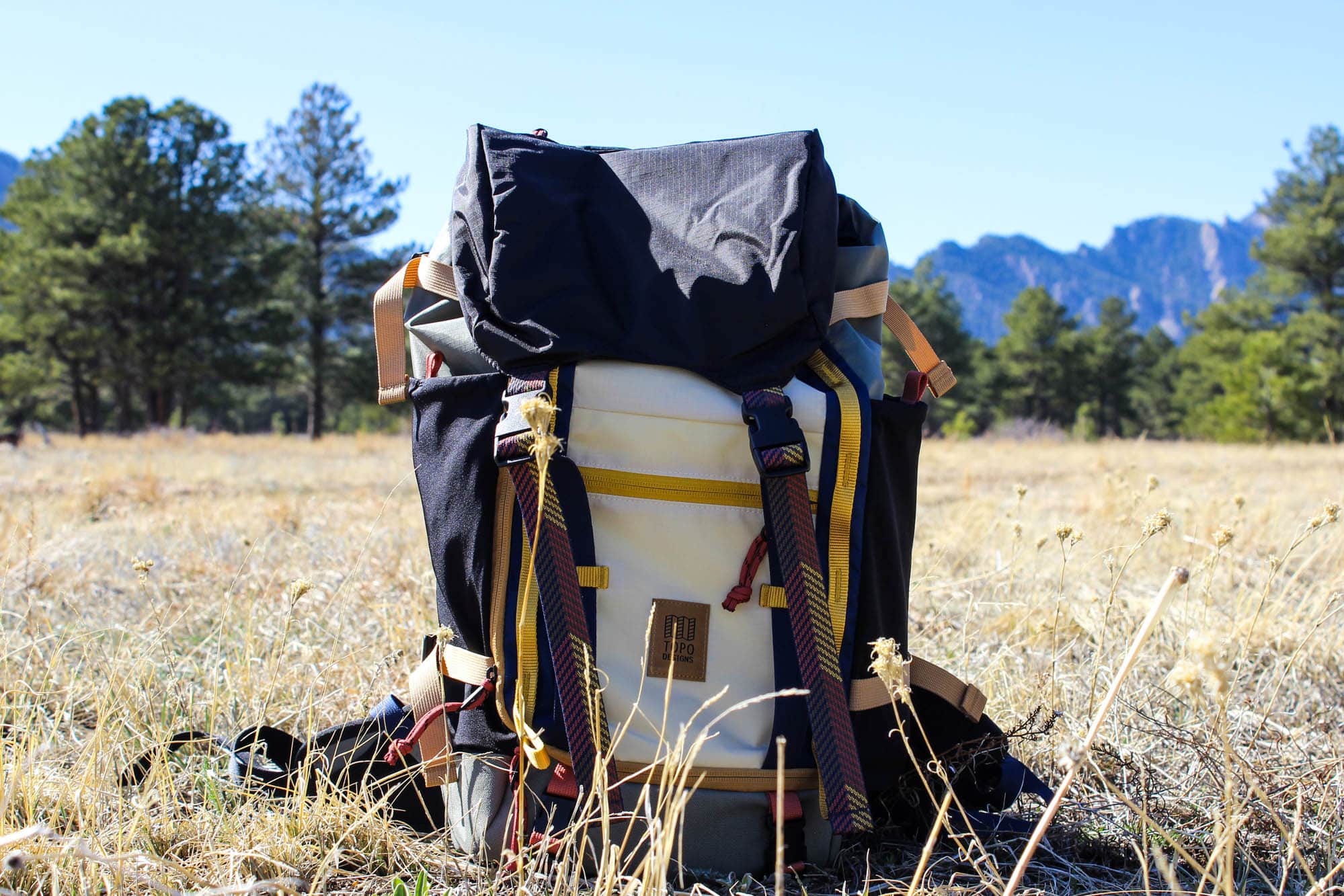
The choice of a hiking backpack is not a one-size-fits-all decision; it is dictated by a confluence of factors including the anticipated duration of the hike, the prevailing season, and the nature of the terrain, whether it be remote wilderness or a more accessible urban trail. For excursions involving colder conditions or when carrying photography equipment, a 22-liter Rover Trail Pack from Topo Designs is the preferred option. However, for shorter summer hikes, a lightweight, hand-me-down 15-liter Osprey bag has proven to be an effective choice, capably accommodating essential items. Key features sought in any backpack include loops or MOLLE webbing for external attachments—a testament to the hiker’s tendency to carry a variety of gear—and a readily accessible compartment for a water bottle.
Hydration and Sustenance: Critical for Performance and Safety
The importance of hydration on the trail cannot be overstated. The hiker expresses a degree of apprehension towards individuals who choose to forgo water during excursions, highlighting its fundamental role in physiological function. Water is consistently the first item packed and the last item verified before embarking on a hike. Health professionals generally recommend consuming between 0.5 to 1.0 liters of water per hour of activity, although this figure is significantly influenced by environmental factors such as temperature, personal exertion levels, altitude, and individual health considerations.
The hiker’s current preference leans towards durable metal water bottles, which offer the advantage of retaining water temperature for several hours. One notable bottle, a gift from Hamilton during a desert excursion, features an integrated filter near the lid and a paracord with a carabiner for convenient attachment to a backpack. Another is an 18-ounce Yeti Rambler, acquired during a Ford Bronco Off-Roadeo course, chosen for its balanced capacity-to-weight ratio and robust construction, capable of withstanding accidental drops.
While the WFA course emphasized the utility of water purification tablets, the hiker has yet to encounter a situation necessitating the direct consumption of water from natural sources, nor do they actively seek such scenarios. Nevertheless, anecdotal accounts from fellow course participants regarding their positive experiences with iodine tablets for backcountry water purification suggest their value for overnight trips.
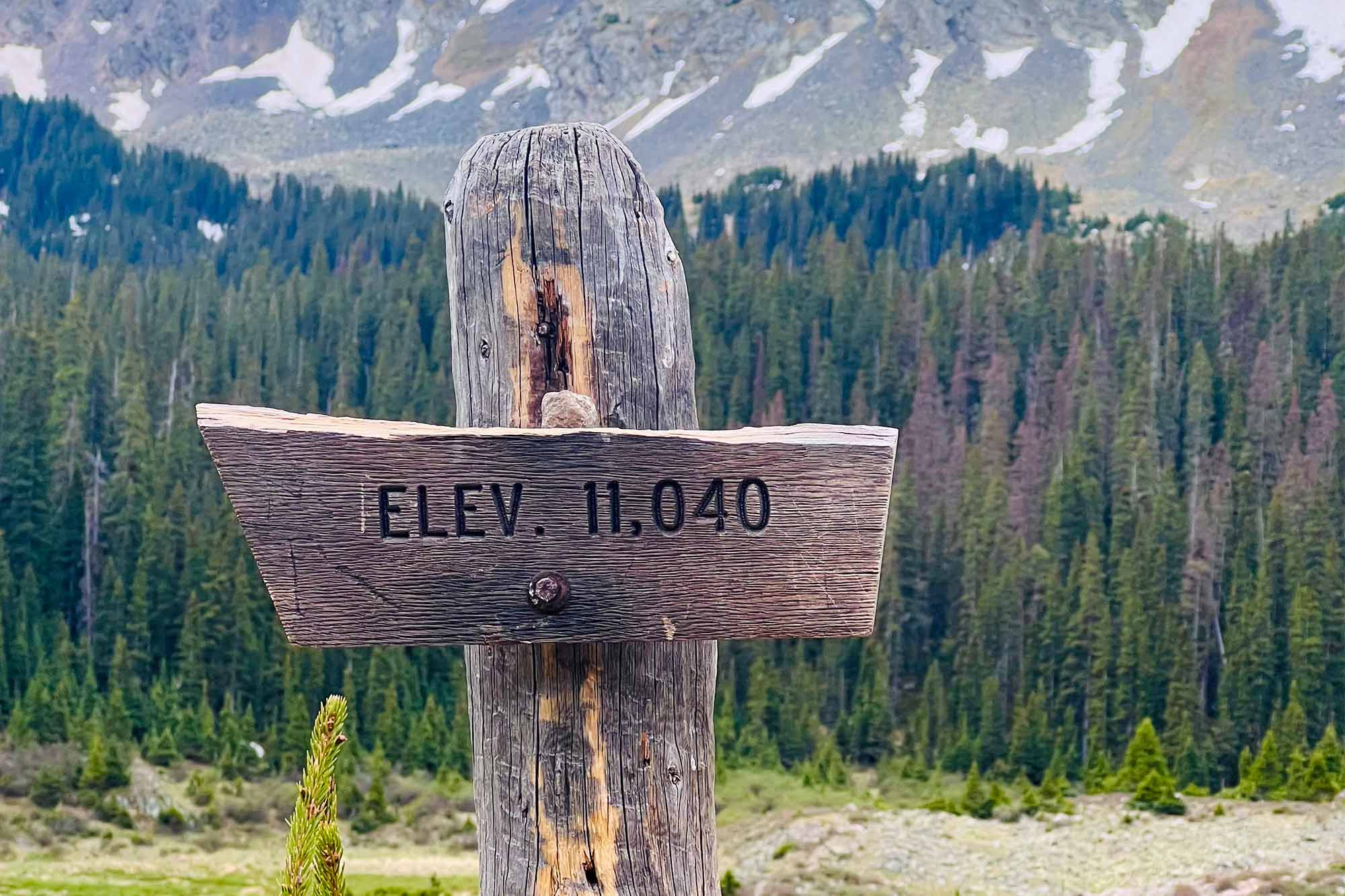
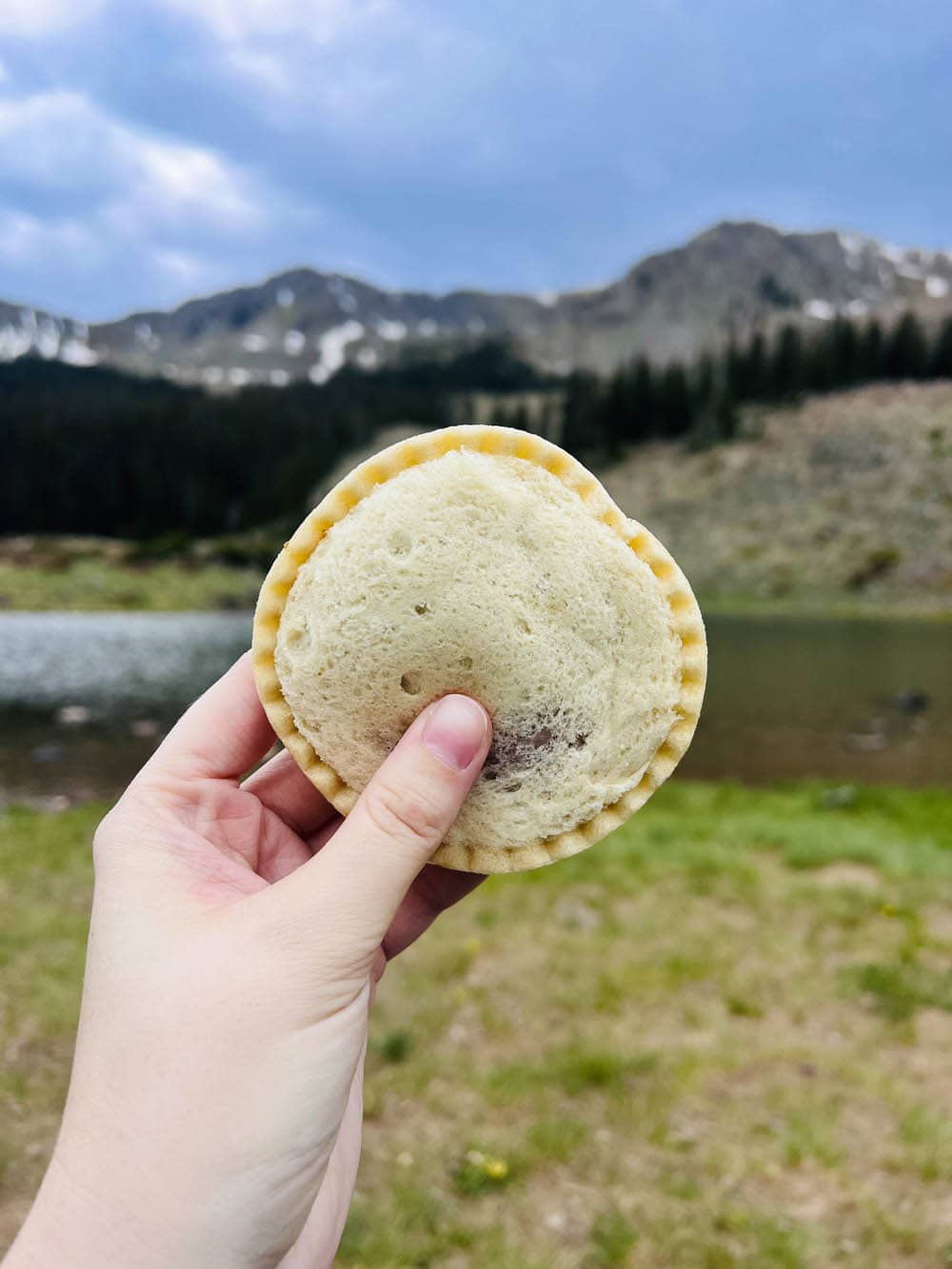
Sustenance is equally critical. The hiker consistently carries a supply of food, recognizing the profound physiological effects of exertion and altitude. Even at elevations above 5,000 feet in Colorado, the onset of altitude sickness was experienced at an alpine lake in Taos, New Mexico, at approximately 11,000 feet. The presence of carbohydrates and protein proved instrumental in managing these symptoms during a challenging descent.
The Mountaineer’s Ten Essentials: A Framework for Wilderness Survival
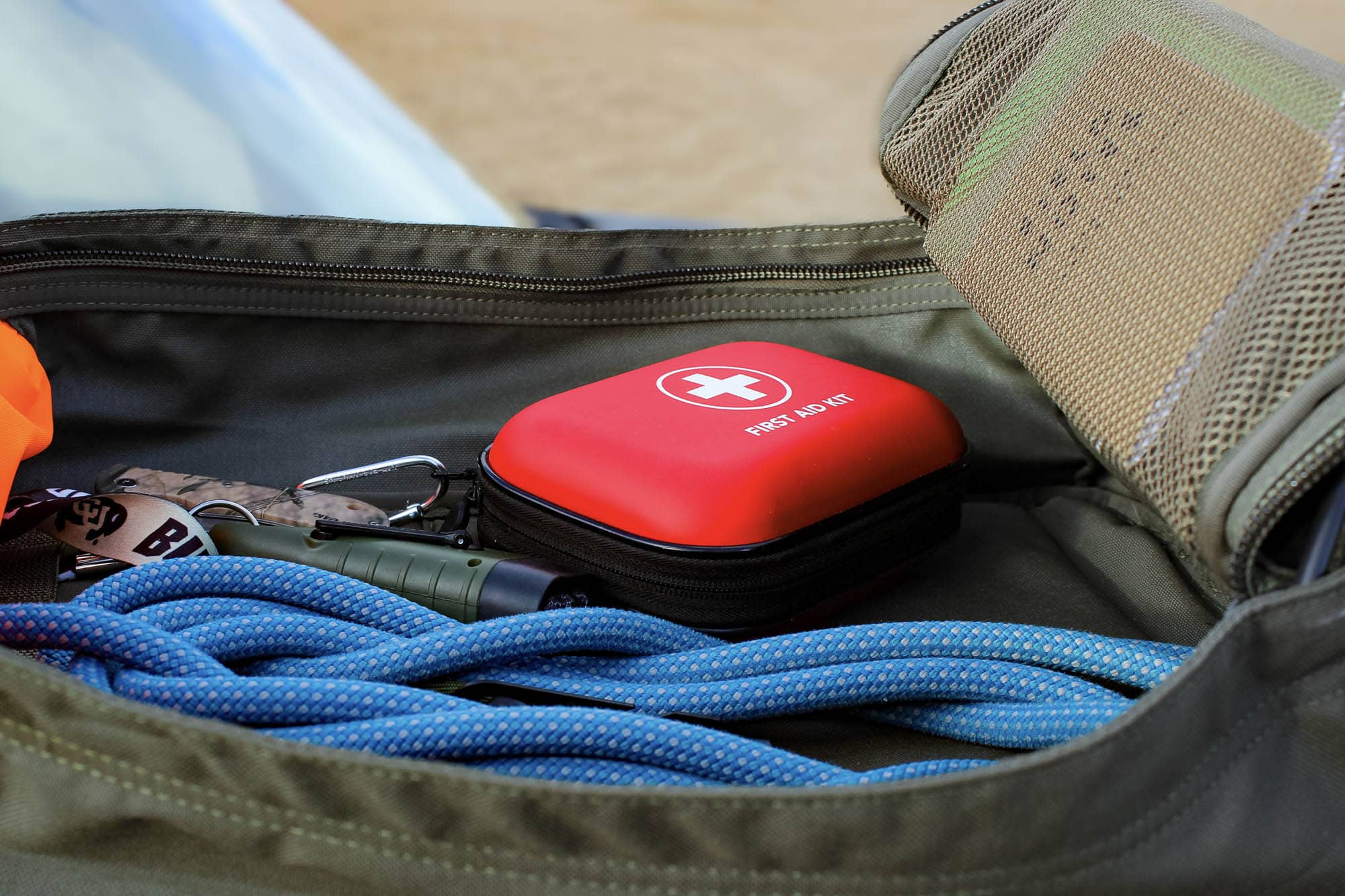
The WFA course introduced the hiker to the universally recognized Mountaineer’s Ten Essentials, a foundational list of items considered indispensable for outdoor safety. These include: navigation, light, sun protection, first aid, a knife, fire-starting capabilities, shelter, food, water, and extra clothing. Each of these categories has been integrated into the hiker’s gear selection. A compact, 3-inch flashlight, easily clipped to the exterior of the backpack, provides illumination. Fire-starting is addressed with a flint fire starter. For immediate medical needs, a supply of bandages and antibiotic ointment is carried. Emergency preparedness for shelter is covered by 2-3 Mylar blankets, which can be suspended with paracord to create a makeshift shelter or serve as an improvised sleeping bag. While the hiker generally avoids hiking in darkness, these items provide a crucial layer of reassurance in the event of an unforeseen overnight stay.
A personalized approach to first aid is paramount, and a comprehensive kit should reflect individual needs. The hiker’s personal kit includes essential medications such as inhalers and EpiPens. This underscores the principle that a first aid kit’s effectiveness is directly proportional to its relevance to the user’s specific medical requirements. The inclusion of backup medications and ensuring that travel companions are aware of their use significantly enhances peace of mind during solo excursions.
Navigational Strategies: Mitigating the Risk of Disorientation
Disorientation and becoming lost are significant factors contributing to Search and Rescue (SAR) missions. Data compiled by Dr. Robert Koester indicates that approximately 42% of SAR missions in Colorado involve missing day-hikers. A substantial 56% of these disorienting incidents occurred at "decision points" such as trail junctions or forks in the road, where incorrect directional choices are often made, particularly under duress. Proactive route orientation before commencing a hike is therefore a critical preventative measure.
Prior to the Taos expedition, the hiker downloaded a comprehensive offline map of northern New Mexico via Apple Maps. This proved invaluable, not only for the anticipated lack of cellular service during the hike but also for the twelve-mile stretch of winding canyon roads leading to the trailhead, where service was non-existent. The phone’s ability to utilize offline data ensured continuous navigation throughout this challenging approach.
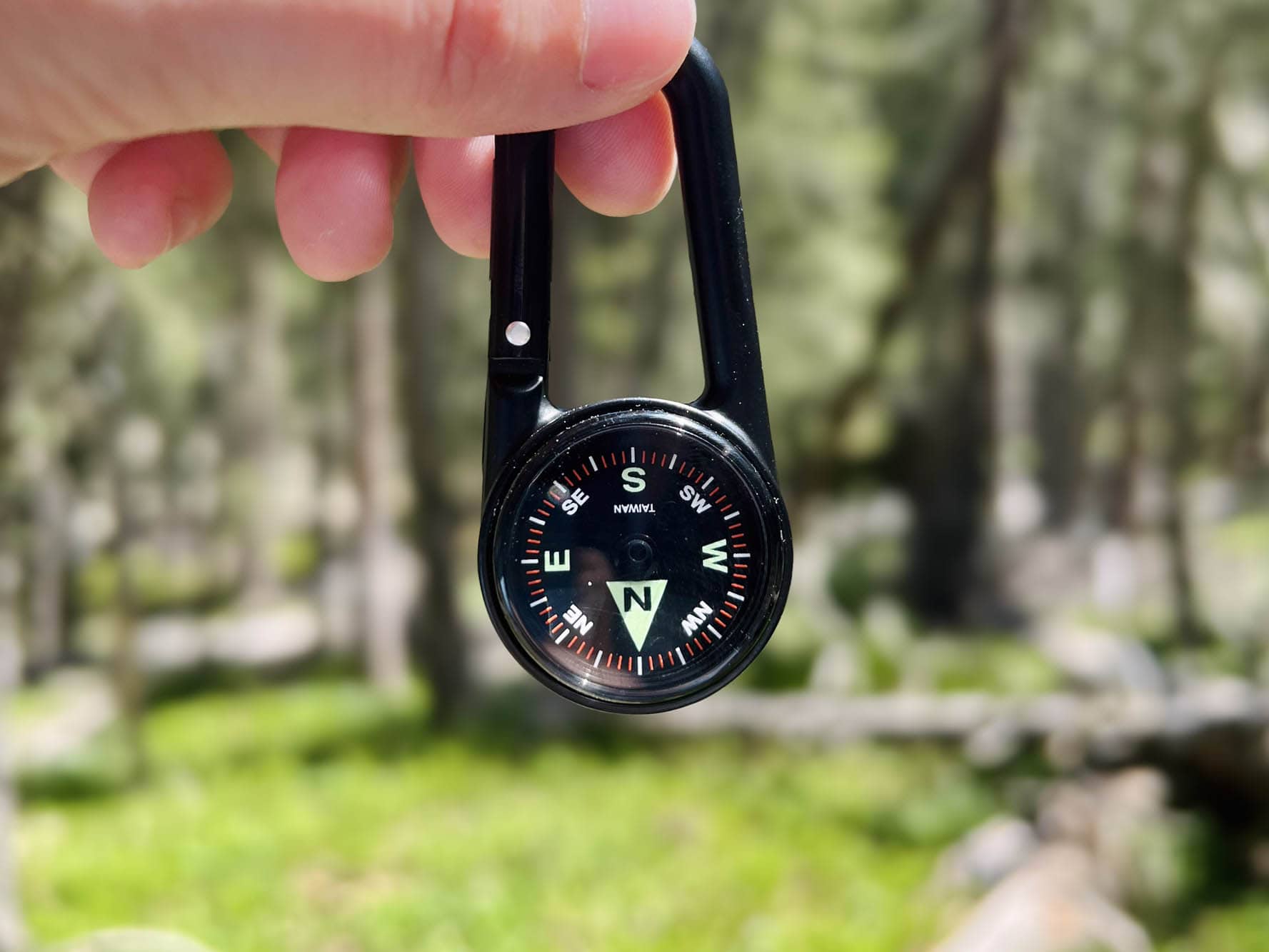
Subscription-based navigation platforms such as AllTrails Plus and onX Backcountry offer downloadable terrain maps, providing essential information on general features and elevation points. While satellite devices like the Garmin inReach have been considered, the hiker’s typical frontcountry hiking activities have not yet necessitated such a significant investment. A portable charger is carried to maintain the phone’s battery life. A carabiner compass was added to the kit recently and was practiced with during the solo hike. While not relied upon for precise circumnavigation, it serves as a valuable tool for orienting oneself back to the vehicle in an emergency.
Crucially, informing trusted individuals of one’s plans is a fundamental safety protocol. The hiker’s parents and best friend were provided with their itinerary, including an estimated return time and a commitment to check in once cellular service was re-established. This communication strategy ensures a network of support, even during solo expeditions.
Wildlife Deterrents: Bear Spray and Auditory Alarms
Bear Spray: A Critical Defense Against Predatory Encounters
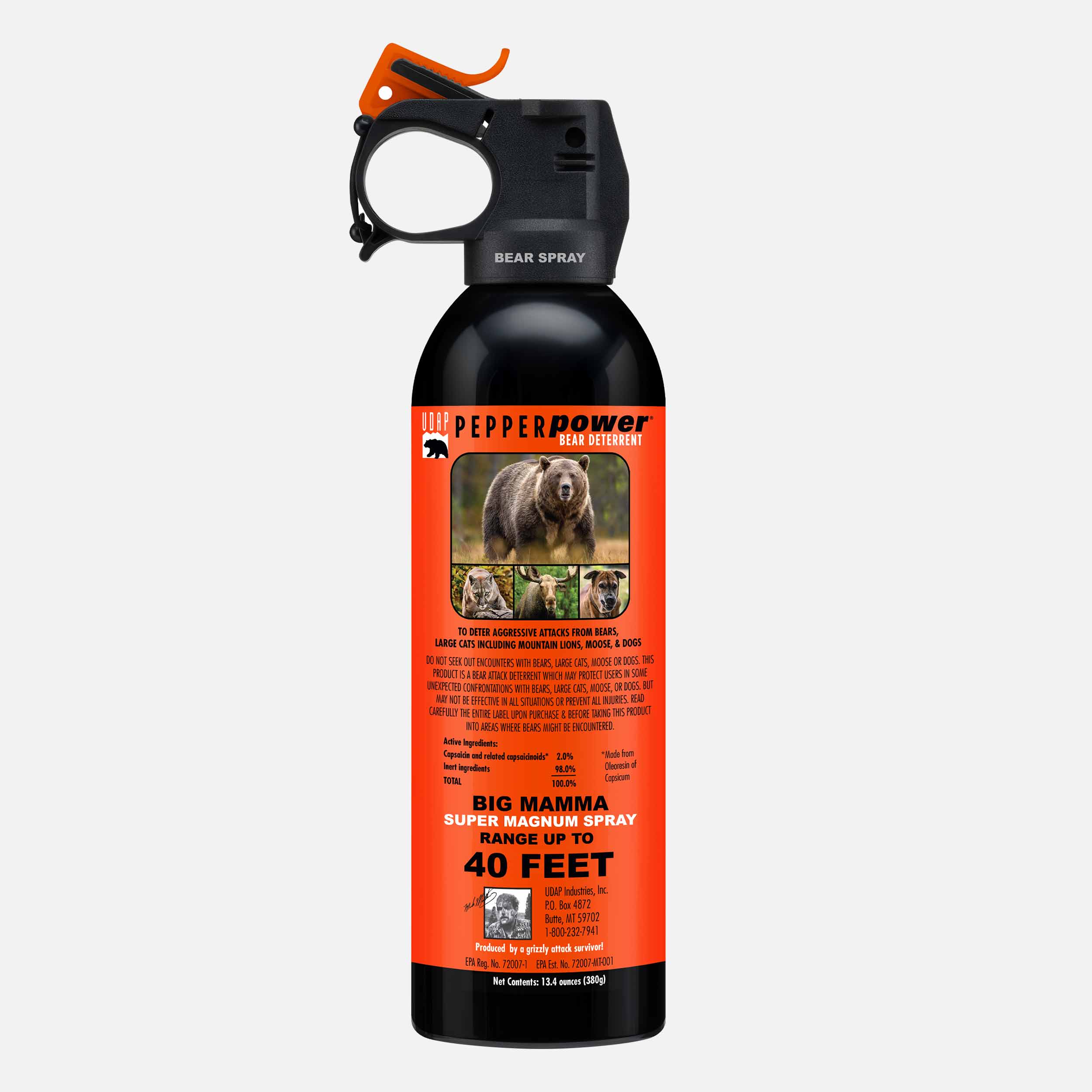
In regions like Colorado, which supports a significant population of black bears, carrying bear spray is a standard safety practice for mountain hikers. Bear spray, a highly concentrated form of capsaicin, is designed for deployment against charging animals and can reach effective distances of approximately thirty feet. When used correctly, it boasts a success rate of around 90% in deterring predatory animals, making it a primary defense against encounters.
The paramount factor in the effectiveness of bear spray is its accessibility. Bears, both grizzly and black, can achieve speeds of 30 to 40 miles per hour. Therefore, a readily accessible canister, clipped to a belt or backpack strap, is crucial. Storage at the bottom of a pack renders it ineffective in a rapidly evolving confrontation.
It is imperative to understand that bear spray functions as a weapon, not a deterrent like insect repellent. It should only be deployed when an animal is actively pursuing a hiker or exhibiting aggressive behavior. Spraying it around a campsite or tent is counterproductive; the capsaicin in the spray can actually attract curious bears due to its scent, which can be mistaken for food.
Bear Horn: Enhancing Audibility and Alerting Wildlife
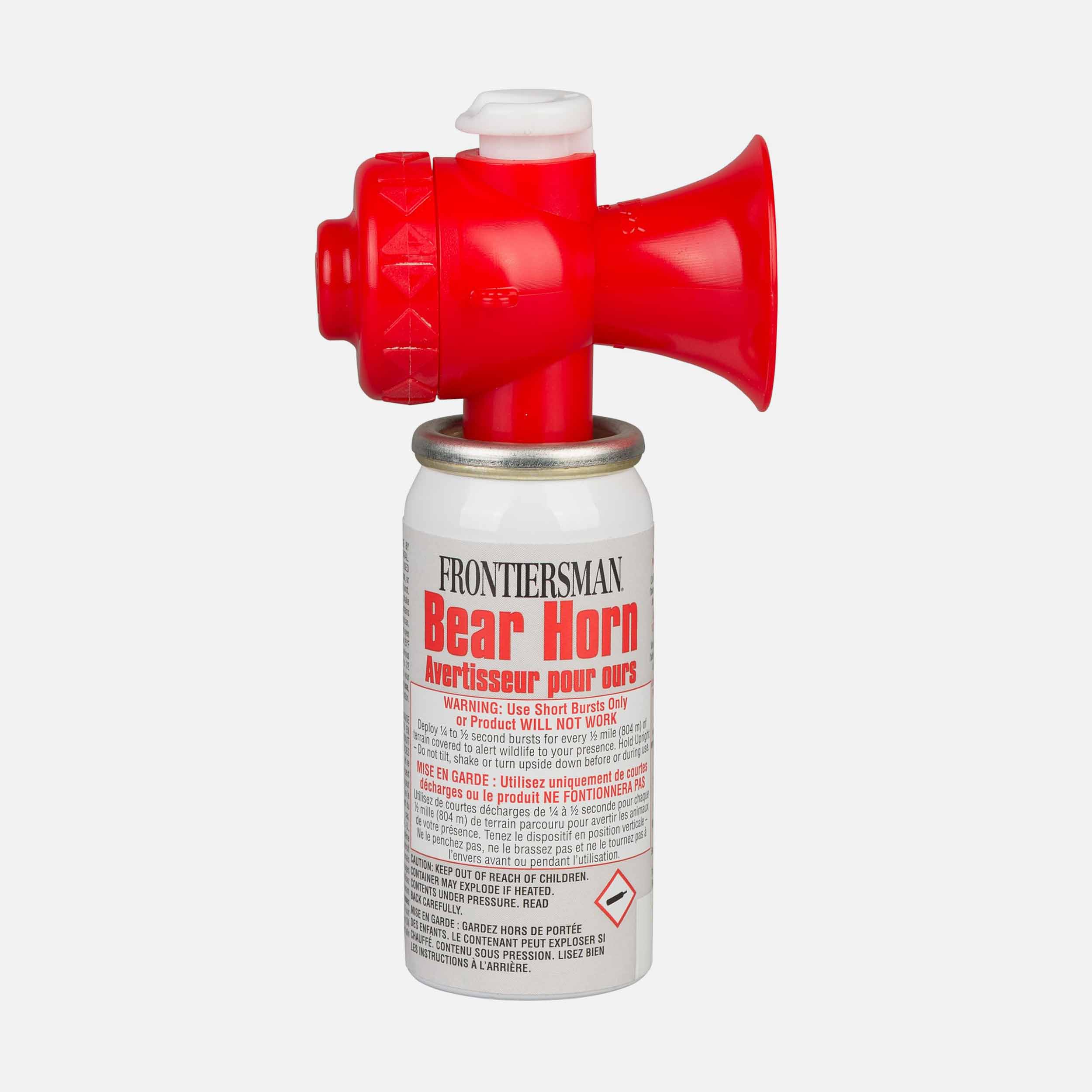
A more recent addition to the hiker’s gear is a pressurized bear horn. While vocal communication remains the most effective method of announcing one’s presence to wildlife, these horns provide an additional layer of redundancy. They serve to alert animals to a hiker’s proximity, as many encounters stem from unsuspecting hikers entering wildlife habitats. Furthermore, the horn can be used to broadcast a bear sighting to fellow hikers, enhancing collective safety.
Birdie Personal Alarm: Amplifying Personal Safety
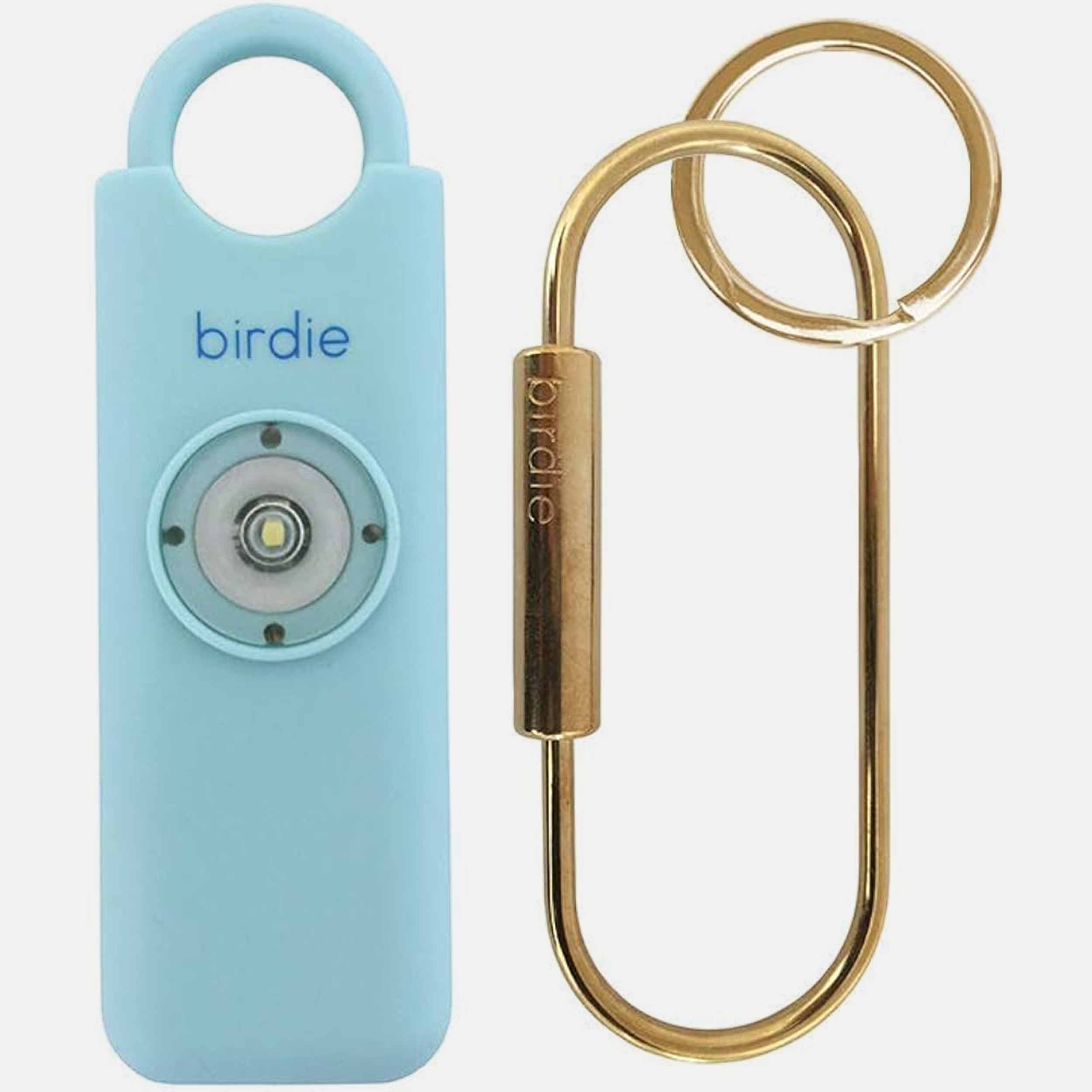
Another recent acquisition for solo hiking is the Birdie Personal Alarm, a 130-decibel siren designed to draw attention in an emergency. For women hiking alone, any device capable of creating a diversion and alerting others to their location can significantly enhance personal safety by making them a less vulnerable target. The hiker has attached theirs to a carabiner for easy transfer between different bags.
The Versatile Knife: A Tool for Survival and First Aid
Smith & Wesson HRT Fixed Blade: A Reliable Cutting Tool
The Smith & Wesson HRT Fixed Blade is a favored cutting tool. The hiker has owned a four-inch HRT blade for five years and recently acquired a smaller, two-inch model. The knife can be secured to a boot or worn around the neck using an integrated chain with the sheath. Knives offer a wide range of utility in outdoor settings, proving particularly valuable in first-aid scenarios.
It is crucial to acknowledge the legal ramifications of carrying a knife. Laws pertaining to concealed carry vary significantly by jurisdiction and should be thoroughly researched before any excursion. In Colorado, non-ballistic blades under 3.5 inches may be concealed. However, in New Mexico, concealing blades of any size is prohibited, necessitating that the knife be worn openly, such as around the neck, as was the case during the Taos hike.
Self-Defense Skills: The Ultimate Preparation
While listed last, a proficiency in self-defense serves as the foundational element of the hiker’s solo travel strategy. Cultivating situational awareness is essential for all outdoor enthusiasts, but for women, additional preparation can be life-saving. Statistically, solo hiking is one of the safest activities for women, even surpassing the safety of hiking with a male partner. However, all forms of self-defense training are considered beneficial. Engagement in disciplines such as Muay Thai, Brazilian Jiu-Jitsu, Krav Maga, women’s self-defense courses, and seminars offered by local law enforcement agencies has not eliminated fear entirely but has fostered self-trust, intuition, and the capacity for decisive action when it matters most. This training provides valuable insights into human behavior applicable in diverse situations and offers a consistent platform for practicing the navigation of fear. If preparation is indeed the only controllable aspect of travel, then investing in these skills is a strategic imperative for success.
The Evolving Landscape of Outdoor Preparedness
Every outdoor excursion offers a learning opportunity, whether it pertains to understanding the natural landscape, assessing personal capabilities, or, increasingly, appreciating the profound value of preparation. The Wilderness First Aid course did not advocate for an indiscriminate increase in carried gear; rather, it emphasized the importance of selecting the correct gear and understanding the rationale behind its inclusion.
The solo hike in Taos served as a powerful affirmation that outdoor confidence is not solely derived from possessing the latest technological gadgets. True confidence is cultivated through the development of practical skills, the making of informed decisions, and diligent planning. While robust outdoor gear and a strong skill set cannot eliminate every potential risk, they transform the unknown from a source of intimidation into an element of exciting adventure. Ultimately, preparation is not the destination itself, but rather the essential first step that enables the journey.