The US House of Representatives has overwhelmingly passed a bipartisan bill to reauthorize the Diesel Emissions Reduction Act (DERA), securing federal funding for cleaner medium- and heavy-duty vehicles through 2029. The legislation, House Resolution 2140, garnered a significant 343-79 vote, demonstrating broad consensus on the importance of reducing air pollution, enhancing fuel efficiency, and supporting cleaner transportation technologies. This reauthorization signifies a crucial step in the nation’s ongoing efforts to mitigate the environmental impact of its extensive diesel-powered fleet.
The DERA program, a cornerstone of federal initiatives to curb emissions from diesel engines, has been instrumental in driving the adoption of cleaner technologies for nearly two decades. The newly passed bill amends Section 797(a) of the Energy Policy Act of 2005, extending the authorization of the grant program and allocating $100 million in annual funding through fiscal year 2029. This sustained financial commitment is designed to encourage the transition away from older, more polluting diesel engines and equipment towards newer, environmentally responsible alternatives.

Introduced by a bipartisan group of representatives including Doris Matsui (D-CA), Ken Calvert (R-CA), Chellie Pingree (D-ME), and Nick Langworthy (R-NY), the legislation underscores a shared commitment across the political spectrum to address environmental concerns while fostering economic benefits. The success of the bill, championed by the House Committee on Energy and Commerce, highlights a pragmatic approach to policy-making, focusing on tangible outcomes for public health and economic well-being.
A Bipartisan Commitment to Cleaner Air and Economic Efficiency
The overwhelming bipartisan support for HR 2140 reflects a growing recognition of the multifaceted benefits associated with reducing diesel emissions. Beyond the direct environmental advantages, such as improved air quality and reduced greenhouse gas emissions, the program also offers significant economic incentives for fleet operators. By facilitating the adoption of cleaner vehicles, DERA helps to lower fuel costs, reduce maintenance expenses, and ultimately enhance the operational efficiency of businesses reliant on diesel-powered fleets.
Congressman Brett Guthrie (KY-02), Chairman of the House Committee on Energy and Commerce, emphasized the program’s broad impact in a statement following the vote. "Through the diligent work of the House Committee on Energy and Commerce, we are preserving the public health and safety of our communities, lowering electricity prices for hardworking families, and promoting a vibrant tourism industry that uplifts communities across the country," he stated. This sentiment highlights the interconnectedness of environmental policy with broader economic and public health objectives.
The inclusion of support for "AM radio" in the initial assessment, while seemingly tangential, points to the diverse array of beneficiaries and stakeholders involved in such legislation. This could encompass the potential for improved radio reception in vehicles with cleaner, more efficient electrical systems, or perhaps a broader acknowledgment of the diverse infrastructure that underpins modern transportation. However, the primary focus of DERA remains firmly on emissions reduction and technological modernization.
The Diesel Emissions Reduction Act: A Proven Track Record
Administered by the US Environmental Protection Agency (EPA), the DERA program operates on a competitive grant model. Its primary objective is to offset the higher upfront costs typically associated with the electrification or modernization of medium- and heavy-duty vehicle fleets. By providing financial assistance, DERA bridges the economic gap between acquiring a new, cleaner vehicle or equipment and the continued operation of older, more polluting diesel-powered assets.
Since its inception, DERA has demonstrated a significant positive impact. Over its two decades of operation, the program has facilitated the removal of tens of thousands of older, high-emission engines from circulation. This has translated into substantial fuel savings for fleets, cumulatively exceeding 500 million gallons. In the context of fluctuating and often high fuel prices, particularly evident in recent years, these savings represent a critical economic advantage for the trucking and transportation sectors. For instance, the surge in diesel prices experienced in 2026 underscored the financial imperative for fleets to invest in more fuel-efficient and cost-effective alternatives.

The American Trucking Associations (ATA) has consistently supported DERA, recognizing its role in enabling the industry to embrace innovation and sustainability. Henry Hanscom, Chief Advocacy & Public Affairs Officer for the ATA, commented on the reauthorization: "The trucking industry’s tremendous success at reducing its environmental impact is rooted in innovation, investment, and collaboration. By passing this bipartisan legislation, the House has taken an important step toward ensuring carriers can continue modernizing their fleets, which will deliver fuel savings and further emissions reductions." This statement underscores the industry’s proactive stance in adopting cleaner practices and its reliance on supportive federal programs.
Expanding the Scope: Beyond Traditional Diesel Engines
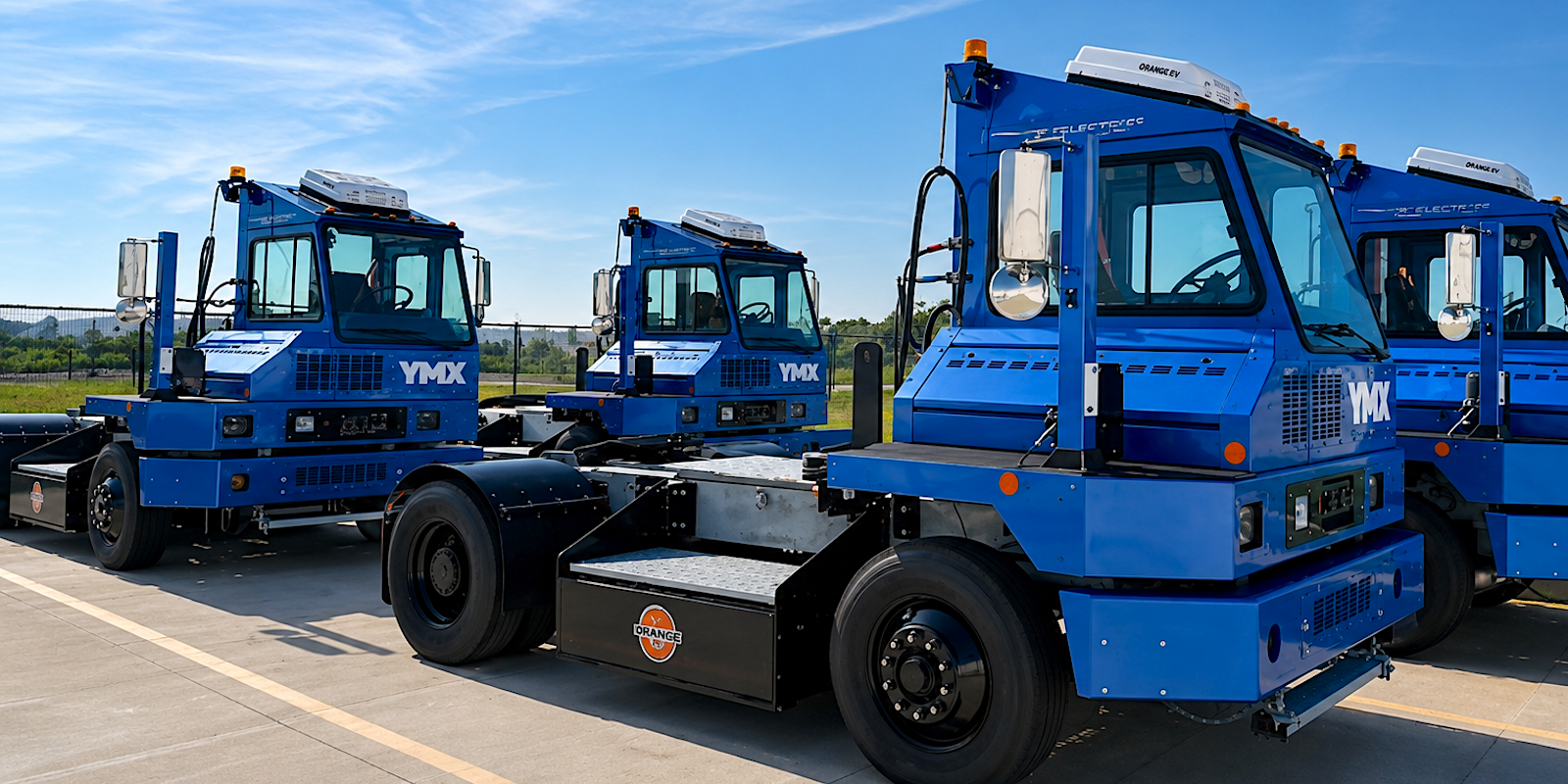
While the Diesel Emissions Reduction Act has historically focused on retrofitting existing diesel engines with cleaner technologies, its reauthorization also implicitly supports the broader transition towards alternative powertrains, including electric vehicles (EVs). The program’s grants can be utilized to offset the cost of acquiring newer, cleaner equipment, which increasingly includes electric terminal tractors, delivery vans, and even heavy-duty trucks.
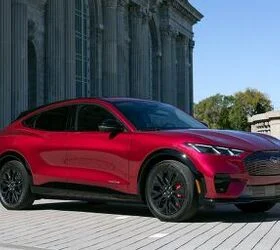
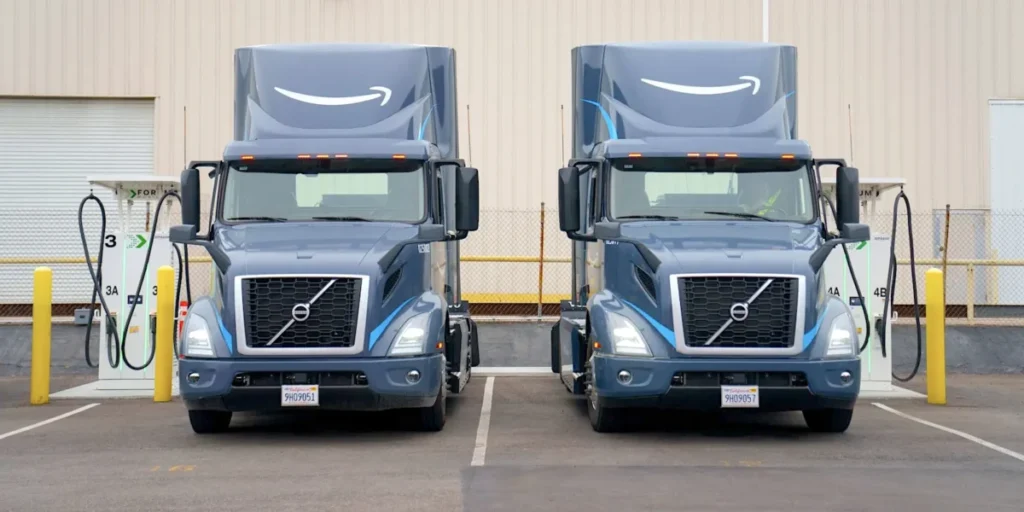
The image accompanying the article, depicting an electric semi-truck, visually reinforces this forward-looking aspect. As the transportation sector navigates a paradigm shift towards electrification, programs like DERA play a vital role in accelerating this transition by making cleaner technologies more financially accessible. The increasing availability and capability of electric medium- and heavy-duty vehicles are making them viable alternatives for a wide range of applications, from last-mile delivery to long-haul trucking.

The EPA’s administration of DERA involves a rigorous selection process for grant applications, prioritizing projects that demonstrate the greatest potential for emissions reductions and cost-effectiveness. This ensures that federal funds are utilized efficiently and effectively to achieve the program’s environmental and economic objectives.
Implications and Future Outlook
The reauthorization of DERA through 2029 provides a much-needed level of certainty for fleet operators and manufacturers alike. This extended funding window allows for more strategic planning and investment in cleaner technologies. For businesses, it means a clearer path to upgrading their fleets, reducing their environmental footprint, and realizing significant operational cost savings.
The broader implications of this legislation extend to public health, particularly in communities disproportionately affected by diesel emissions. By reducing particulate matter, nitrogen oxides (NOx), and other harmful pollutants, DERA contributes to cleaner air, leading to fewer respiratory illnesses and other health problems. This aligns with the stated goals of preserving public health and safety, as articulated by Chairman Guthrie.

Furthermore, the program’s success in fostering innovation within the transportation sector is likely to continue. As demand for cleaner vehicles grows, manufacturers are incentivized to invest in research and development, leading to more advanced and affordable solutions. This creates a virtuous cycle of environmental improvement and economic growth.
The bill now proceeds to the Senate for consideration. If passed by the Senate and signed into law by the President, the DERA program will continue its critical work, supporting the transition to a cleaner, more sustainable future for medium- and heavy-duty transportation in the United States. Fleet operators and stakeholders interested in learning more about available grants and program details are encouraged to reach out to their respective state EPA offices or consult the EPA’s official DERA program resources.
The DERA program’s success is a testament to the power of targeted federal investment in driving positive change. By incentivizing the adoption of cleaner technologies, the program not only addresses critical environmental challenges but also fosters economic competitiveness and improves the quality of life for communities across the nation. The sustained commitment through 2029 signals a long-term vision for a cleaner and more efficient transportation ecosystem.