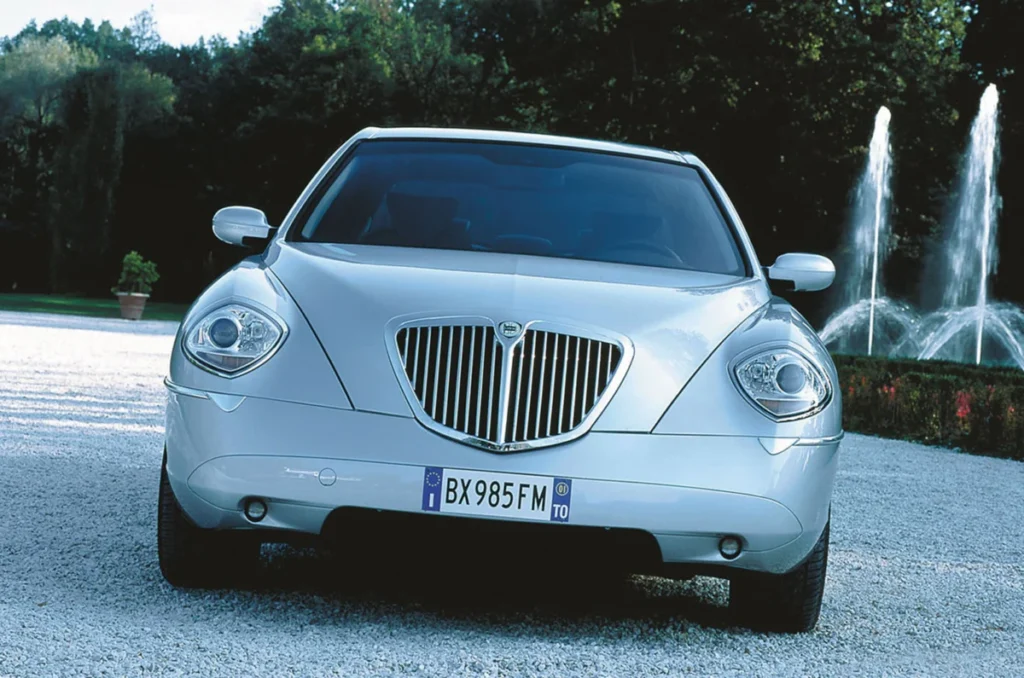
In the competitive landscape of luxury executive sedans, Lancia, a marque steeped in Italian automotive heritage, attempted a bold resurgence with the Thesis. Launched in 2001, the Thesis represented a significant investment in research and development, far exceeding the resources typically allocated to many of Lancia’s previous models. Designed to directly challenge established German rivals such as the BMW 5 Series and Mercedes-Benz E-Class, the Thesis was engineered with a bespoke chassis and sophisticated suspension components, notably sharing elements with the Maserati Spyder, Granturismo, and Quattroporte. This technological prowess extended to pioneering features for the brand, including radar-guided cruise control, a first for Lancia. Despite these ambitious underpinnings and a distinct design philosophy, the Thesis ultimately failed to capture significant market share, with production numbers remaining remarkably low throughout its eight-year run, totaling fewer than 20,000 units globally. This stark reality prompts an examination of the factors that contributed to its commercial underperformance, particularly its limited presence in key markets like the UK and its distinctive, often polarizing, aesthetic.
The Genesis of a Distinctive Design
The Lancia Thesis emerged from a lineage of innovative, albeit sometimes unconventional, automotive design. Its development was rooted in the striking 1998 concept car, the Dialogos. This precursor offered a vision of refined luxury, characterized by clean lines, an innovative wooden floor, a minimalist dashboard, and distinctive suicide rear doors. The production version of the Thesis, however, saw a significant departure from this avant-garde concept. While the underlying engineering aimed for executive class comfort and performance, the exterior styling adopted a more conservative, yet still unconventional, approach.
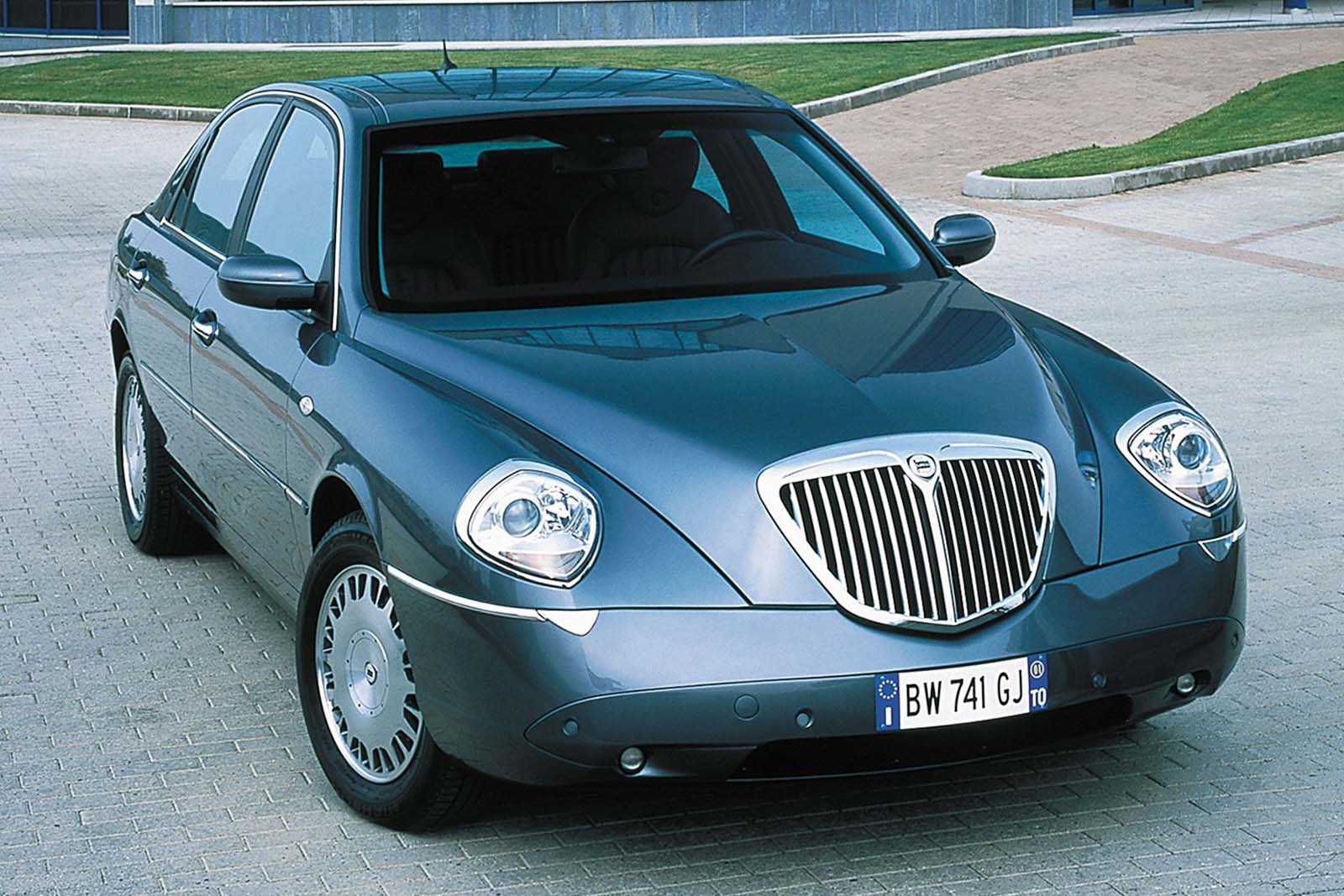
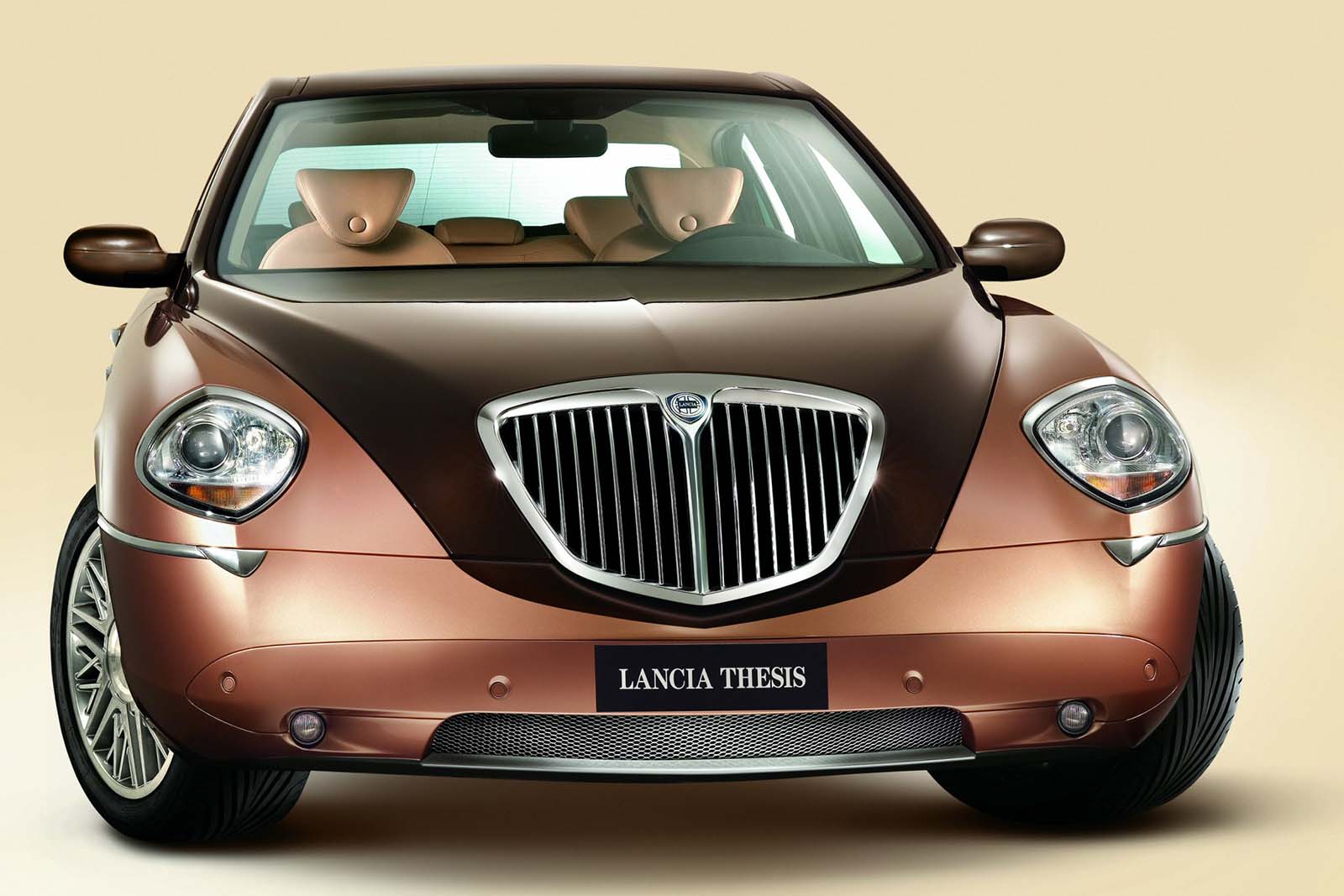
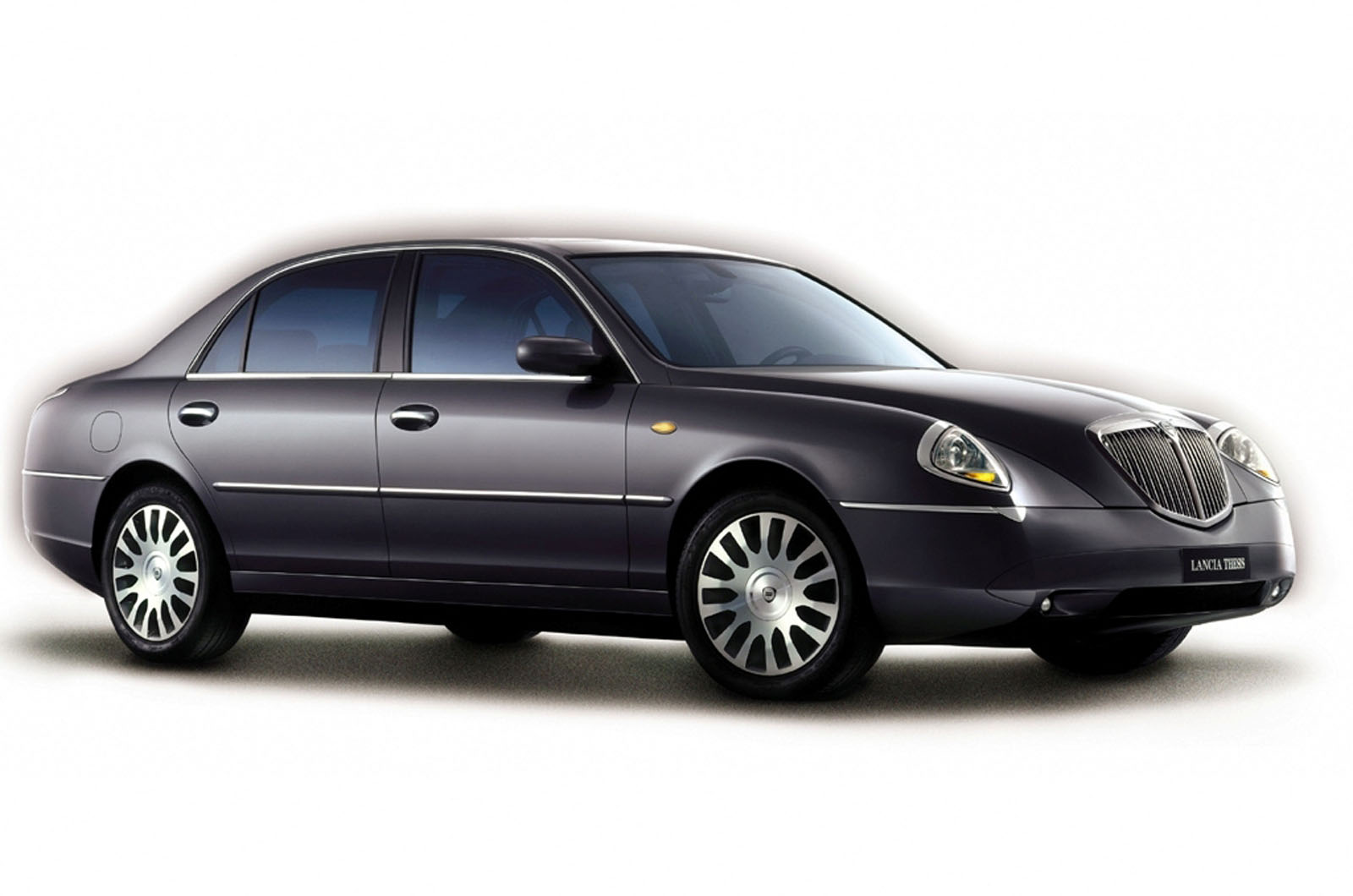
From the front, the Thesis presented a prominent chrome grille, often described as reminiscent of a medieval shield, immediately signaling its departure from mainstream design trends. The rear of the vehicle was equally distinctive, featuring translucent, almost gothic-inspired taillights that contributed to its unique road presence. These design choices, while certainly setting the Thesis apart, also contributed to a visual division that some critics found jarring.
A Tale of Two Halves: Exterior Styling Criticisms
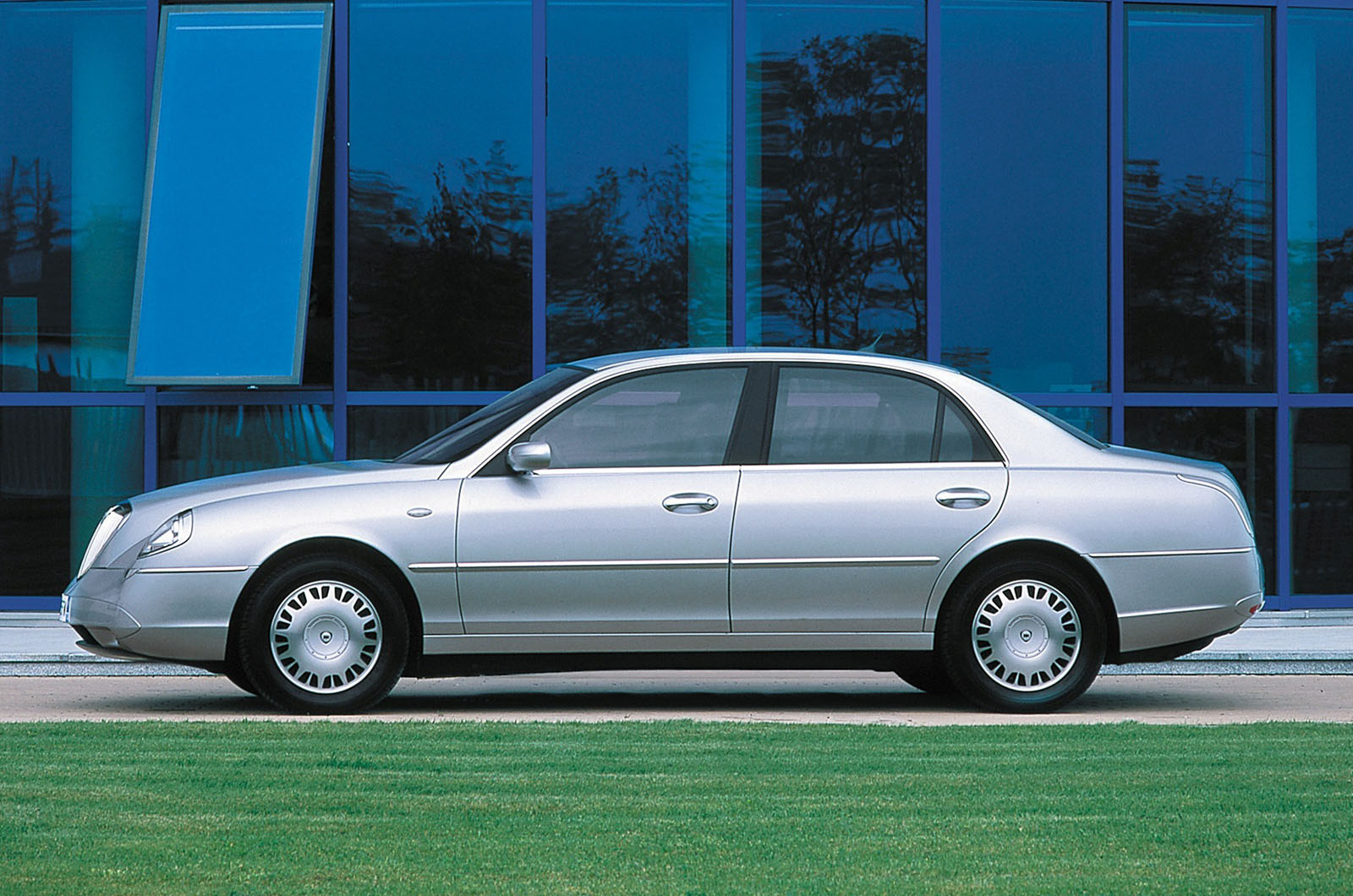
The exterior design of the Lancia Thesis often drew commentary for its perceived dichotomy. While the front and rear offered bold, individualistic statements, the central section of the car was frequently characterized as comparatively bland or unremarkable. This "piggy in the middle" effect, as some observers noted, created a visual disconnect between the more expressive extremities of the vehicle. The side profile, in particular, struggled to maintain the visual intrigue established by the grille and taillights, leading to a somewhat disjointed overall aesthetic. This perceived lack of stylistic cohesion may have alienated potential buyers seeking a uniformly striking executive sedan.
The divergence between the daring Dialogos concept and the production Thesis suggests a potential struggle within Lancia’s design and marketing teams. The decision to moderate the concept’s more radical elements, such as the suicide doors and the minimalist interior, in favor of a more conventional, albeit still distinct, production model, may have been a compromise that ultimately diluted the Thesis’s potential impact. This reticence to fully embrace the innovative spirit of the concept could be interpreted as a missed opportunity to create a truly groundbreaking vehicle that could have carved out a unique niche in the market.
Engineering Prowess and Technological Ambitions
Beneath its unconventional exterior, the Lancia Thesis was a testament to Lancia’s commitment to engineering excellence and technological advancement. The decision to develop a bespoke chassis underscored the brand’s aspiration to create a vehicle with a distinct driving character and superior ride quality. The integration of suspension technology shared with Maserati models, renowned for their dynamic capabilities and luxurious ride, indicated a clear intent to rival the best in the executive segment.
The inclusion of radar-guided cruise control as a standard or optional feature was a significant technological milestone for Lancia. In the early 2000s, such advanced driver assistance systems were still relatively rare, particularly in non-premium German marques. This demonstrated Lancia’s forward-thinking approach and its willingness to invest in cutting-edge technology to enhance the ownership experience. Other technological highlights often included sophisticated climate control systems, advanced infotainment options, and a focus on acoustic insulation to create a serene cabin environment.
Interior Craftsmanship: A Sanctuary of Luxury
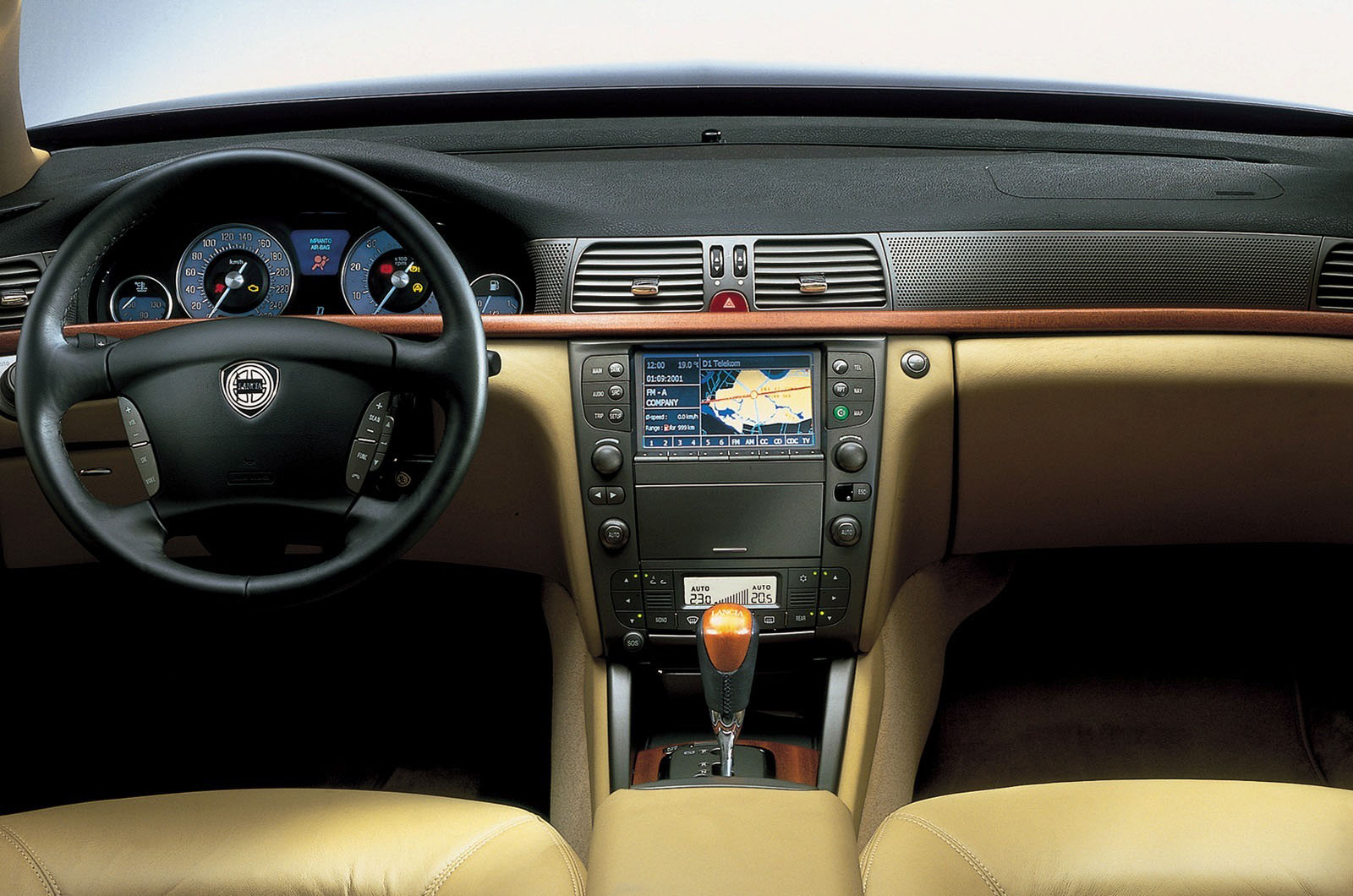
While the exterior design of the Thesis proved divisive, its interior often received more positive accolades. Lancia interiors have historically been lauded for their attention to detail, use of premium materials, and distinctive Italian flair. The Thesis was no exception, offering a cabin that exuded a sense of understated luxury.
Key interior features that contributed to this perception included the judicious use of real wood trim, often in combination with high-quality leather upholstery. The instrumentation was typically presented with elegant cream-faced dials, adding to the classic yet contemporary feel. Optional features such as heated and cooled massage seats, available for both front and rear occupants, further elevated the Thesis’s credentials as a comfortable and indulgent executive transport. These appointments created an environment that felt genuinely special, offering a compelling alternative to the more austere interiors of some competitors. The loss of the Dialogos concept’s wooden floor and sculpted seating was a concession to practicality, but the production Thesis still managed to deliver a high level of tactile and visual luxury.
The "Forbidden Fruit" Effect: Market Exclusivity and Perception
The Lancia Thesis’s absence from the United Kingdom market, and its relative rarity even in its home market of Italy, contributed to its status as a "forbidden fruit" for many enthusiasts and potential buyers. This exclusivity, while perhaps appealing to some, also meant that the vehicle had a limited impact on the broader automotive consciousness. For those outside of its primary markets, the Thesis remained an enigma, a car spoken of with a degree of curiosity and speculation.
This lack of widespread availability presented a significant hurdle for Lancia. Without a strong presence in major automotive markets like the UK, the brand struggled to generate the sales volumes necessary to recoup its substantial development investment. Furthermore, the perception of Lancia vehicles, particularly in the early 2000s, was often influenced by their association with Fiat Auto products. While Lancia aimed to position itself as a premium offering, some consumers still harbored reservations about perceived build quality and long-term reliability, concerns that were sometimes associated with the broader Fiat group.
A Critical Flaw: The Suppression of Road Imperfections
Despite its luxurious appointments and technological ambitions, a significant flaw in the Lancia Thesis’s execution emerged from its ride quality. A common criticism leveled against many Fiat Auto products of the era was an inability to effectively absorb sharp, transverse road imperfections, such as expansion joints on motorways. This deficiency often manifested as a creaky judder transmitted through the dashboard, undermining the overall sense of solidity and refinement.
During an evaluation, this specific issue became apparent within minutes of encountering an autostrada expansion strip. The faint, almost plastic crack of a dashboard quivering with a tremor that the suspension had failed to adequately suppress was a significant disappointment. For a vehicle positioned as a premium executive sedan, designed to rival established luxury brands, such a perceived lack of structural integrity and suspension refinement was a critical failing. It suggested that, despite the sophisticated engineering and the shared components with Maserati, the Thesis had not fully overcome a fundamental challenge in its chassis tuning, thereby compromising the luxurious and comfortable experience it otherwise aimed to provide.
The Market’s Verdict: A Commercial Underachievement
The cumulative effect of the Thesis’s distinctive, and for some, awkward, styling, coupled with the critical flaw in its ride quality and its limited market penetration, ultimately led to its commercial underachievement. After an eight-year production run that began in 2001, the Lancia Thesis was discontinued in 2009. During this period, fewer than 20,000 units were produced worldwide. This figure stands in stark contrast to the hundreds of thousands of units sold annually by its primary German competitors, the BMW 5 Series and Mercedes-Benz E-Class, and even the Audi A6.
The failure of the Thesis to achieve its ambitious market goals had significant implications for Lancia. It highlighted the challenges faced by niche manufacturers attempting to compete in the highly competitive executive sedan segment. The substantial investment in engineering and design did not translate into the necessary sales volumes to sustain the model or bolster the brand’s overall market position. The Thesis remains a poignant example of a car that possessed many admirable qualities, including technological innovation and interior luxury, but was ultimately let down by critical design and engineering compromises that prevented it from realizing its full potential. Its legacy is that of a bold but ultimately flawed endeavor, a testament to Lancia’s ambition but also a stark reminder of the unforgiving nature of the global automotive market.