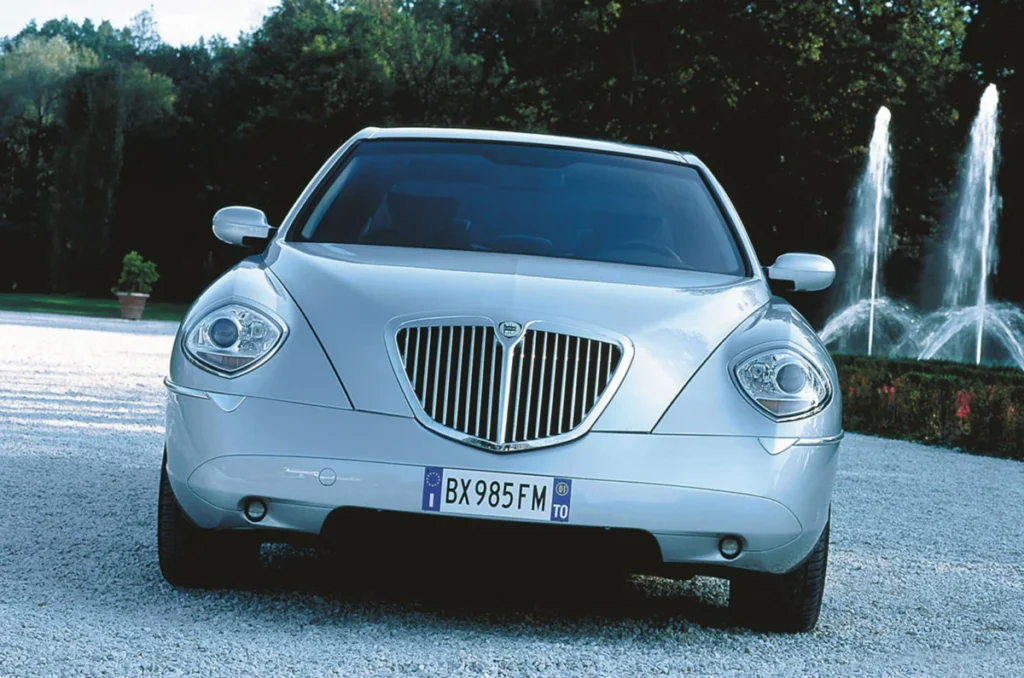
The Lancia Thesis, a vehicle representing a significant investment of time and capital for the Italian marque, stands as a testament to ambitious engineering and a somewhat enigmatic design philosophy. Despite its bespoke chassis, advanced suspension derived from Maserati’s luxury coupes, and pioneering inclusion of radar-guided cruise control among Lancias, the Thesis ultimately failed to capture a significant market share. Launched with the intention of challenging established German premium sedans like the BMW 5 Series and Mercedes-Benz E-Class, the Thesis endured only eight years on the price list, with fewer than 20,000 units produced worldwide. Its rarity, even in its home market of Italy, and its distinctive, often debated aesthetic, prompt a closer examination of its development, its market reception, and the reasons behind its premature discontinuation. This analysis is further fueled by its never having been officially sold in the United Kingdom, leaving a significant portion of the European market untouched.
Genesis of a Premium Ambition
The Lancia Thesis emerged from a period of strategic reevaluation for Fiat Auto, the parent company of Lancia. Following a period of market consolidation and the need to differentiate its brands, Fiat sought to reposition Lancia as a more premium and technologically advanced marque, distinct from the more mainstream offerings of Fiat and Alfa Romeo. The development of the Thesis was a flagship project, conceived to embody this new direction. Its origins can be traced back to the striking 1998 Lancia Dialogos concept car. This showpiece offered a bold vision of a luxury saloon, featuring clean lines, a luxurious interior with a distinctive wooden floor, and innovative rear-hinged "suicide" doors. The concept promised a refreshing departure from conventional executive car design, hinting at a vehicle that prioritized comfort, style, and a unique Italian flair.
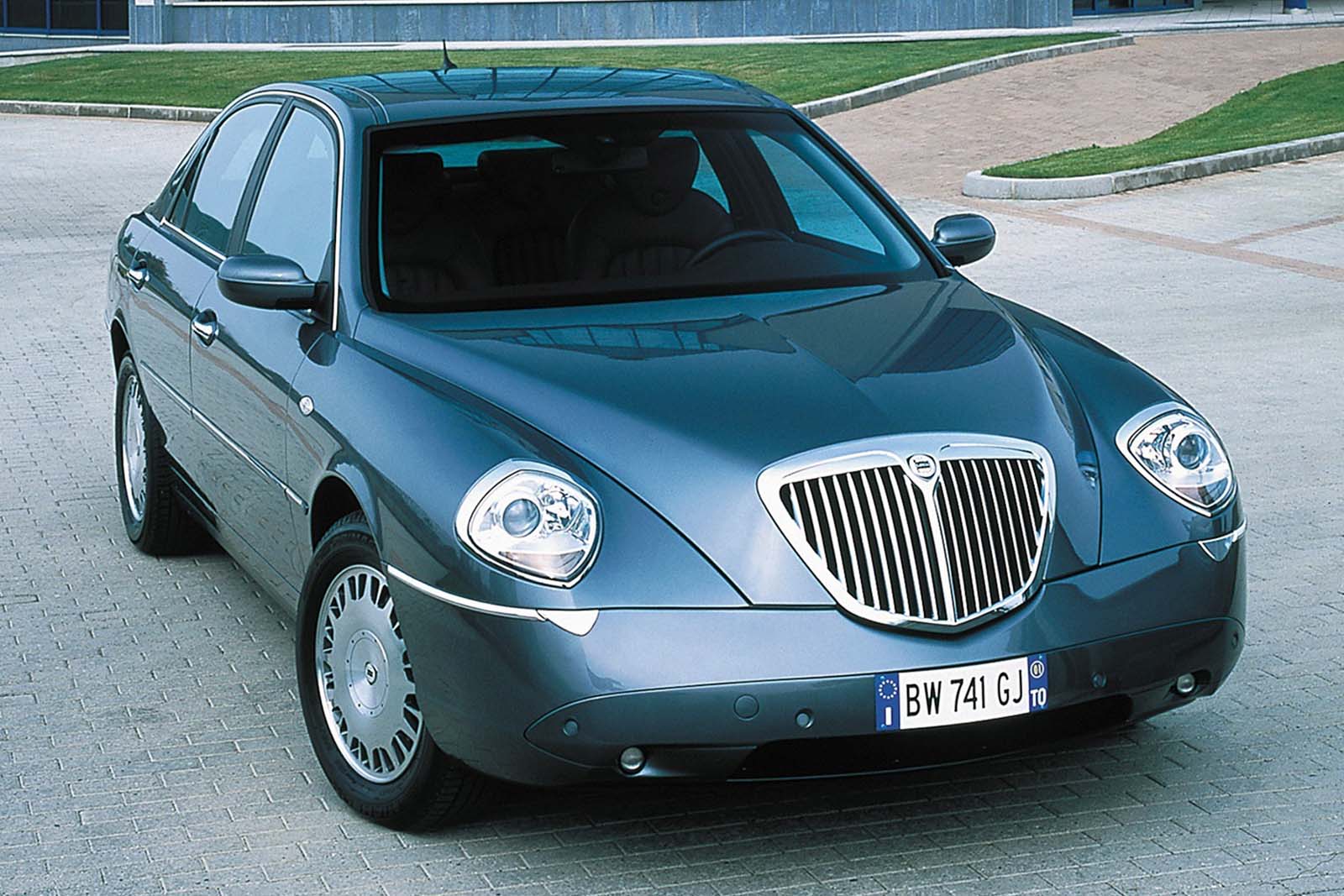
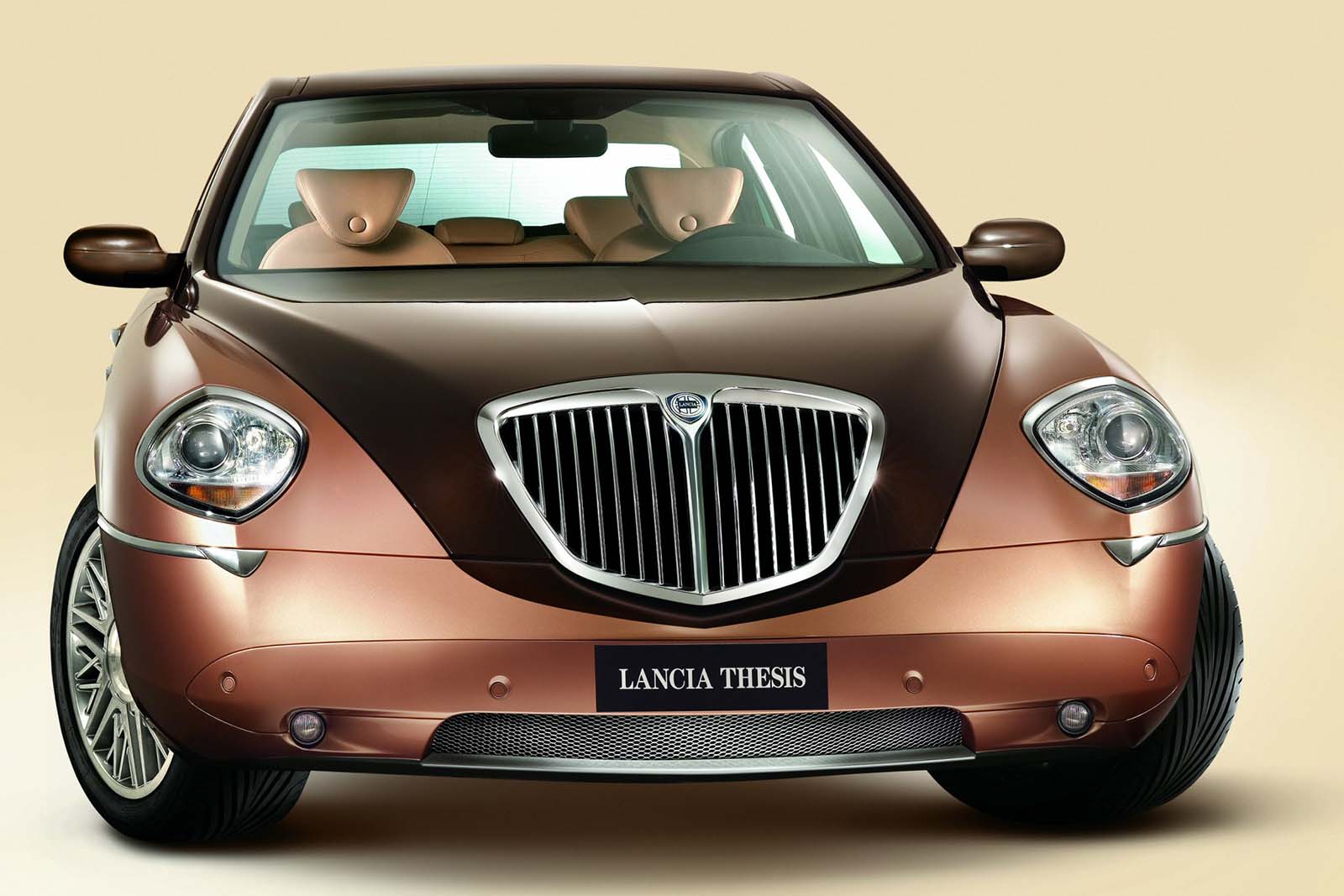
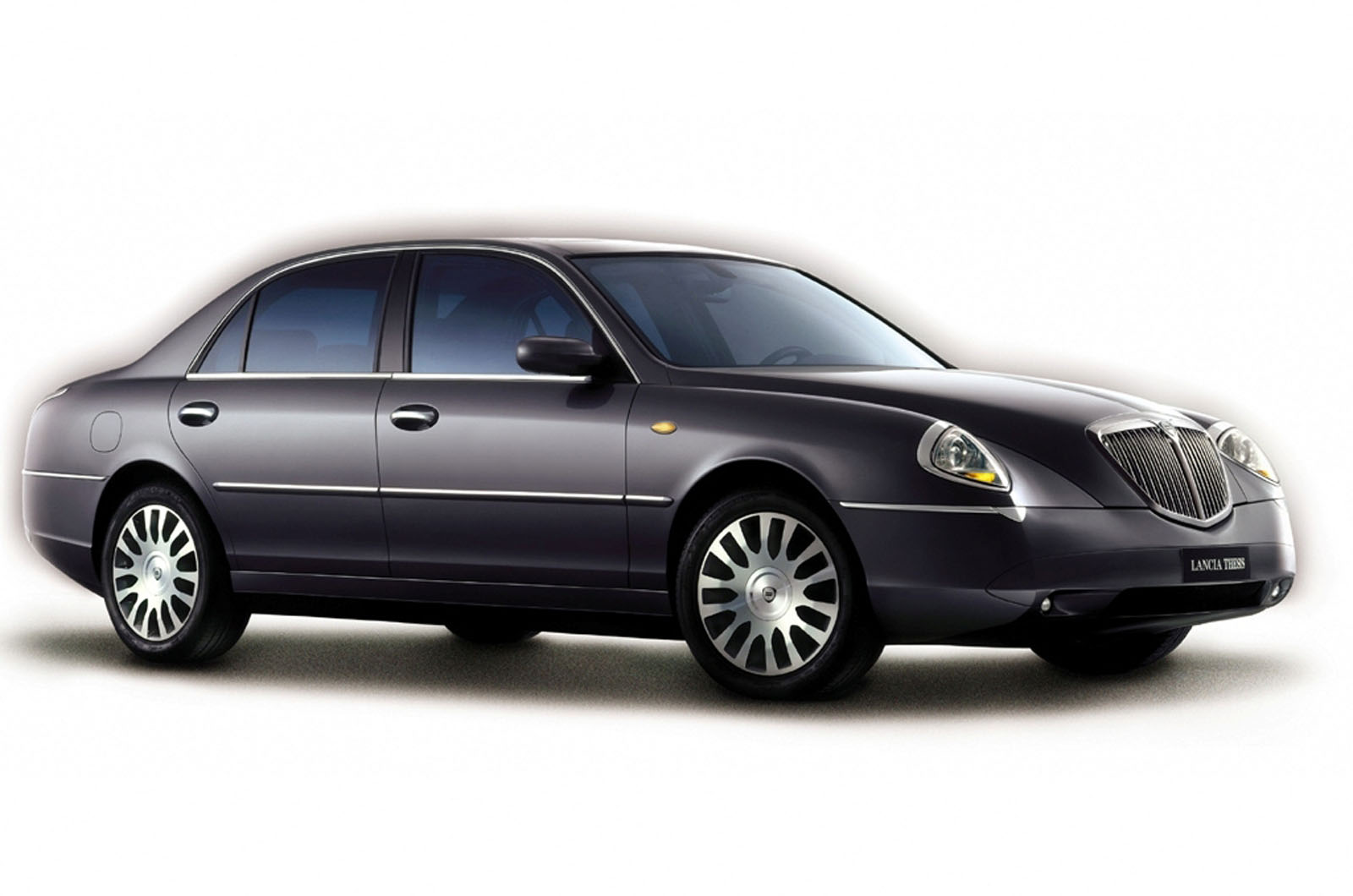
However, the transition from concept to production proved to be a complex process. While Lancia retained some of the ambitious technological underpinnings of the Dialogos, the final production Thesis, pronounced "Tay-sis," saw a dilution of its conceptual visual drama. The production model adopted a more conventional, albeit still distinctive, exterior. The front fascia was characterized by a prominent chrome Lancia grille, often described as resembling a medieval shield, and unique, translucent gothic-inspired taillights at the rear that contributed to its singular road presence. These elements, while eye-catching, did not fully translate the avant-garde appeal of the Dialogos.
Engineering Prowess Meets Design Compromise
A significant portion of the Thesis’s development budget was allocated to its underpinnings. The car was built on its own bespoke chassis, a costly undertaking that underscored Lancia’s commitment to creating a unique product. Crucially, it shared its suspension architecture with the high-performance Maserati Spyder, Granturismo, and Quattroporte models. This engineering lineage suggested a focus on ride comfort and dynamic capability, aiming to rival the sophisticated platforms of its German competitors. Furthermore, the Thesis was the first Lancia to feature radar-guided cruise control, a cutting-edge technology at the time that further emphasized its premium aspirations and technological prowess.
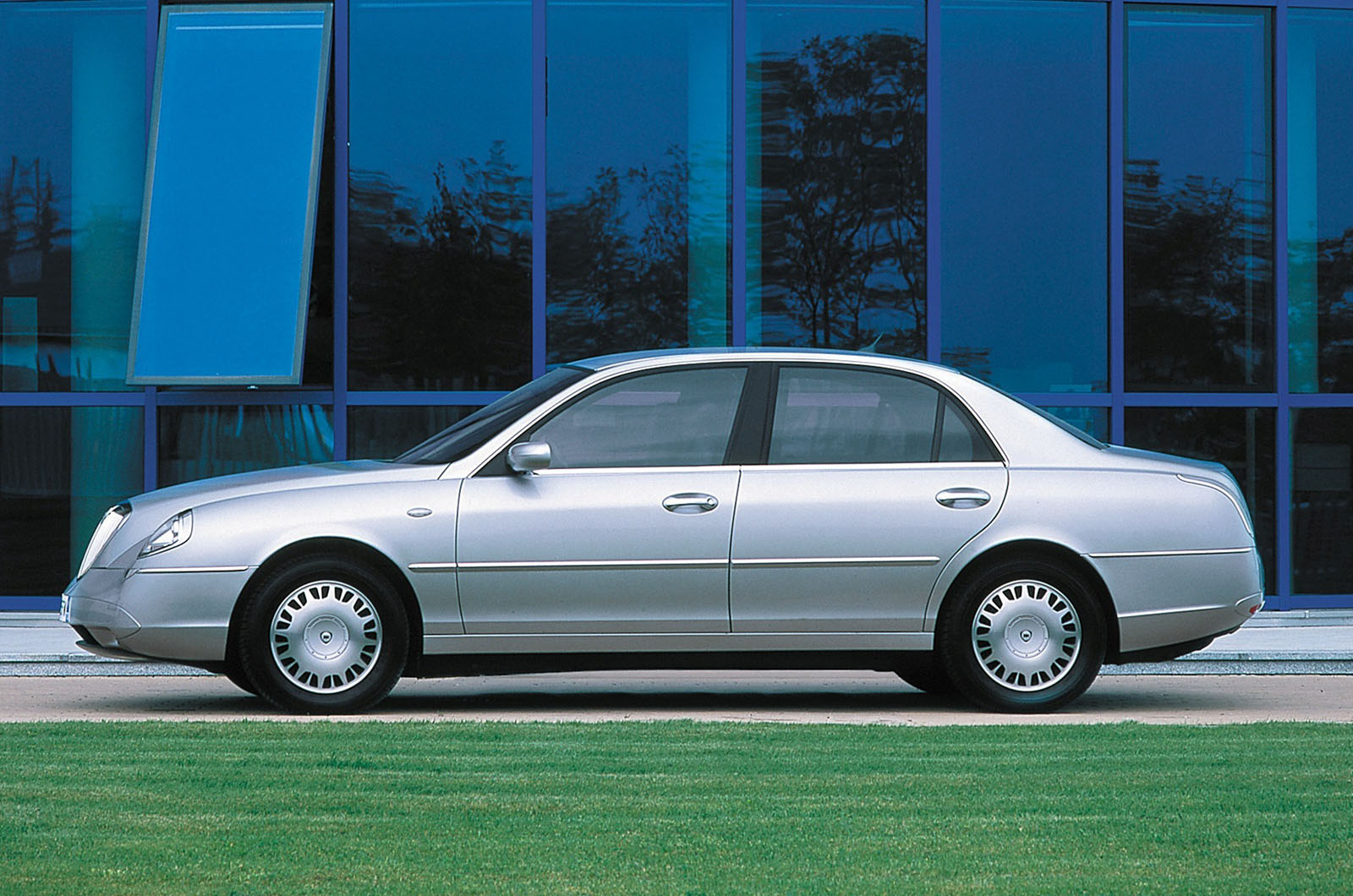
Despite these engineering strengths, the exterior design of the Thesis presented a somewhat divisive profile. While the front and rear offered distinctive styling cues, the central section of the car was often perceived as less inspired. Reviewers and observers frequently noted a disconnect between the bold extremities and a more subdued middle, creating a visual "sandwich" effect. This design duality was seen as a missed opportunity, particularly given the daring genesis of the concept car. The production version, in its attempt to appeal to a broader market, arguably traded some of the original vision’s subtle curviness and flowing lines for a more conservative, albeit still individualistic, aesthetic.
The Interior: A Sanctuary of Italian Craftsmanship
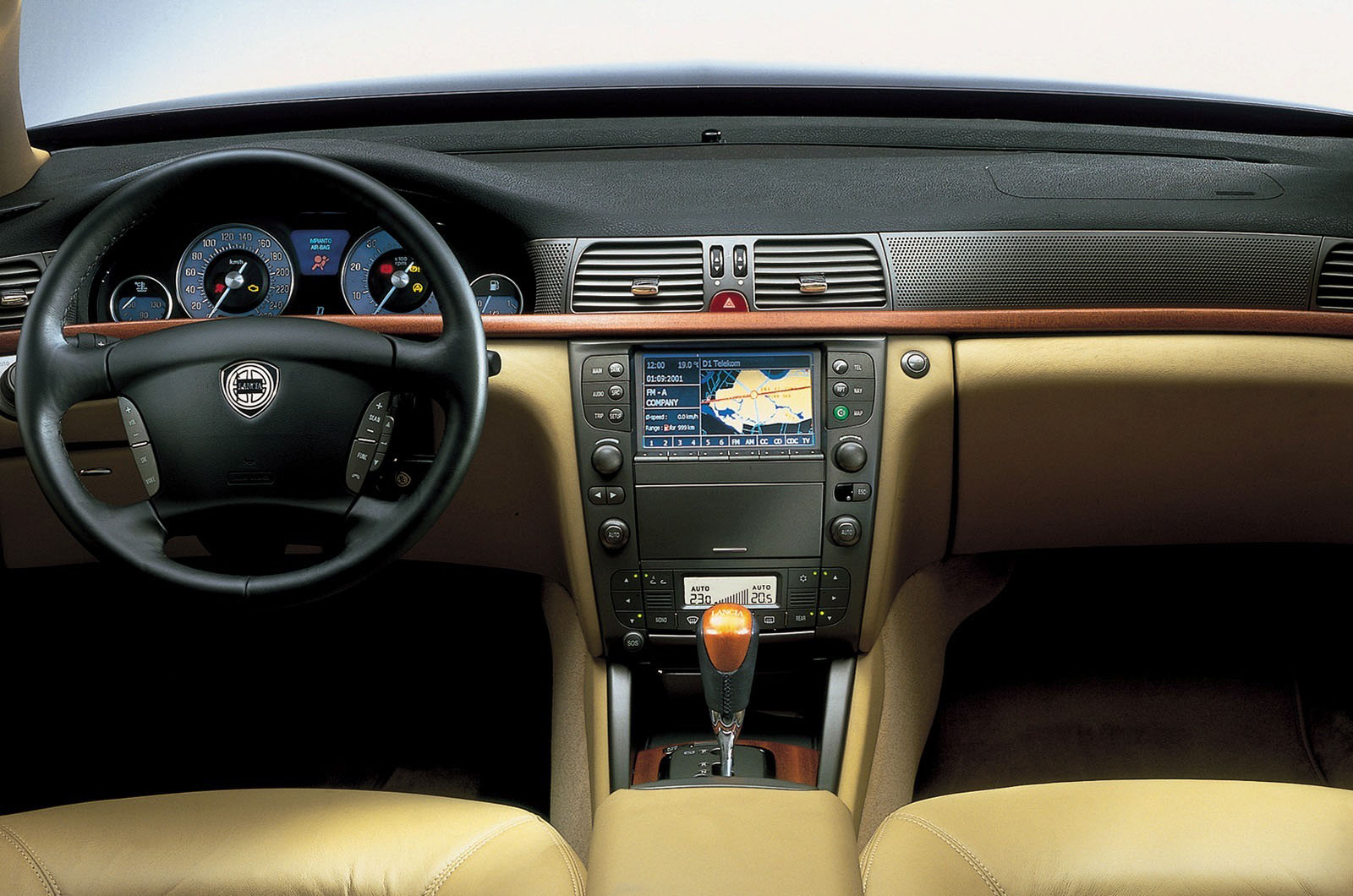
Where the Thesis truly began to assert its premium credentials was within its cabin. Despite the loss of the concept’s impractical wooden floor and some of its more radical seating designs, the production interior offered a luxurious and inviting environment. Lancia’s heritage of interior craftsmanship was evident, with sparingly applied wood trim, elegant cream-faced instruments, and richly upholstered seats. The attention to detail and the quality of materials used created a palpable sense of occasion, differentiating it from many of its rivals.
The Thesis also offered a range of optional comfort features that further enhanced its luxury proposition. Among these were heated and cooled massage seats for both front and rear occupants. These amenities, combined with the refined ambiance, aimed to provide a sanctuary for long journeys, a hallmark of a true executive saloon. The interior design, in many respects, managed to capture a distinctly Italian sense of warmth and sophistication, offering a compelling alternative to the more utilitarian or overtly sporty interiors of its German counterparts. This focus on passenger comfort and tactile quality was a strong point, underscoring Lancia’s ambition to compete at the upper echelons of the market.
Market Performance and the UK’s Missing Piece
The Lancia Thesis was launched in 2001, a period when the executive car segment was fiercely competitive. The primary targets were the BMW 5 Series and the Mercedes-Benz E-Class, both well-established players with strong brand loyalty and extensive dealer networks. The Audi A6 also represented a significant competitor in this segment. Against these formidable opponents, Lancia, and by extension Fiat Auto, faced an uphill battle.
The Thesis’s sales figures were consistently modest. Across its eight-year production run, fewer than 20,000 units were produced. This low volume is particularly striking when compared to the hundreds of thousands of units sold annually by its German rivals. Several factors contributed to this performance, including brand perception, marketing efforts, and crucially, market availability. The decision by Fiat Auto not to introduce the Thesis to the United Kingdom represented a significant strategic oversight. The UK market, with its strong demand for premium saloons, would have been a crucial territory for a car aiming to challenge the established order. Its absence meant Lancia missed out on a substantial segment of the European market, further limiting its potential for success.
The "Forbidden Fruit" and the Ride Quality Conundrum
For many automotive journalists and enthusiasts outside of mainland Europe, the Lancia Thesis remained a "forbidden fruit" for an extended period. Its non-availability in key markets, such as the UK, meant that experiencing its charms often required travel or relying on the impressions of others. This exclusivity, while adding a certain mystique, also contributed to its limited reach and recognition.
A recurring point of critique, even for those who appreciated the Thesis’s other attributes, revolved around its ride quality, particularly its ability to absorb sharp impacts. One of the enduring criticisms leveled at many Fiat Auto products of that era was their perceived inability to adequately manage transverse ridges, such as motorway expansion joints, without transmitting a noticeable "creaky judder" through the dashboard and into the cabin. This phenomenon, while seemingly minor, could undermine the overall impression of solidity and refinement in a luxury vehicle.
Early impressions from test drives, even within Lancia’s home market of Italy, suggested that the Thesis, despite its advanced suspension and substantial assembly, was not entirely immune to this issue. Upon encountering an autostrada expansion strip, observers noted a faint "plastic crack" and a dashboard tremor that the suspension had evidently failed to fully suppress. This was a significant disappointment, as it appeared to be a persistent characteristic that Lancia had struggled to fully resolve, potentially impacting the car’s ability to deliver the seamless, composed ride expected of a premium executive saloon. This flaw, if indeed pervasive, would have contributed to a perception of mild flimsiness, detracting from the aura of robustness that Lancia had clearly strived to build into the Thesis.
Legacy and Analysis of Implications
The Lancia Thesis stands as a fascinating case study in automotive development and market strategy. It represents a bold attempt by Lancia to ascend into the premium segment, armed with significant engineering investment and a unique design vision, albeit one that was ultimately compromised in its production form. The car’s development on a bespoke chassis and its shared suspension components with Maserati underscored a genuine ambition to compete with the best.
However, the Thesis’s ultimate failure to achieve its commercial objectives can be attributed to a confluence of factors. The perceived design inconsistencies, the persistent criticisms regarding ride quality and dashboard integrity, and the strategic decision to omit key markets like the UK all played a role. The low production numbers indicate that Lancia was unable to convince a sufficient number of buyers to choose the Thesis over the well-established and highly competent rivals from Germany.
The implications of the Thesis’s trajectory are significant for Lancia. It highlighted the challenges faced by niche manufacturers in competing against global automotive giants with vast resources and entrenched brand loyalty. The investment in the Thesis, while substantial, did not yield the desired return, ultimately contributing to Lancia’s ongoing struggles in the subsequent years. The Thesis remains a rare and somewhat enigmatic car, a symbol of what could have been – a stylish, technologically advanced Italian executive saloon that, with a more cohesive design and a more comprehensive market strategy, might have carved out a more significant niche for itself in the automotive landscape. Its story serves as a cautionary tale about the delicate balance between ambition, engineering, design, and the harsh realities of the global automotive market.