The venerable Land Rover Discovery Sport, a significant player in the premium compact SUV segment for over a decade, is slated for production to conclude at the end of 2026. This marks the end of an era for a model that has been a consistent volume generator for Jaguar Land Rover (JLR), despite its aging platform. While still configurable in the United Kingdom, the Discovery Sport is no longer available for factory orders in several key European markets, including France, Germany, and Spain, signaling an impending managed wind-down of manufacturing.
A Decade of Discovery Sport: The Rise and Inevitable Fall
Launched in February 2015, the Discovery Sport quickly established itself as Land Rover’s most accessible SUV, offering a blend of practicality, off-road capability, and premium appeal that resonated with a broad customer base. Its arrival heralded a new chapter for the brand, aiming to attract a younger demographic and expand its market reach beyond traditional off-road enthusiasts. In its inaugural full year on sale in 2016, the Discovery Sport proved to be a runaway success, achieving global sales exceeding 122,000 units and securing its position as JLR’s top-selling model. This initial surge in popularity underscored the vehicle’s strong market reception and its critical role in JLR’s global sales strategy.
The model received a substantial update in 2019, which introduced a new platform and a refreshed interior, designed to maintain its competitive edge against increasingly sophisticated rivals. This mid-cycle refresh was crucial in extending its market viability, breathing new life into a design that was beginning to show its age. However, as the automotive landscape continues its rapid evolution, particularly with the increasing demand for electrification and advanced safety technologies, the Discovery Sport’s inherent platform limitations and comparatively thinner profit margins have become more pronounced.
The Impact of Evolving Regulations: GSR2 and the Drive for Modernity
The timing of the Discovery Sport’s phased withdrawal from European markets coincides with the recent imposition of the European Union’s updated General Safety Regulation 2 (GSR2). This stringent regulatory framework mandates the inclusion of several advanced safety functions that are not currently integrated into the Discovery Sport’s existing architecture. While JLR has successfully adapted its newer models to meet these enhanced safety standards, the significant investment required to retrofit the Discovery Sport to comply with GSR2, coupled with its nearing the end of its natural product lifecycle, has likely rendered such an undertaking economically unviable.
This regulatory pressure is not unique to the Discovery Sport. The automotive industry has seen a trend of older, less profitable models being retired as manufacturers prioritize resources towards developing and launching new, compliant, and often electrified vehicles. A parallel can be drawn with Porsche’s decision to cease production of its Macan SUV this month. The first-generation Macan, launched around the same time as the Discovery Sport, is also bowing out of production due to similar regulatory and lifecycle considerations.
Market Performance and the Shifting Landscape
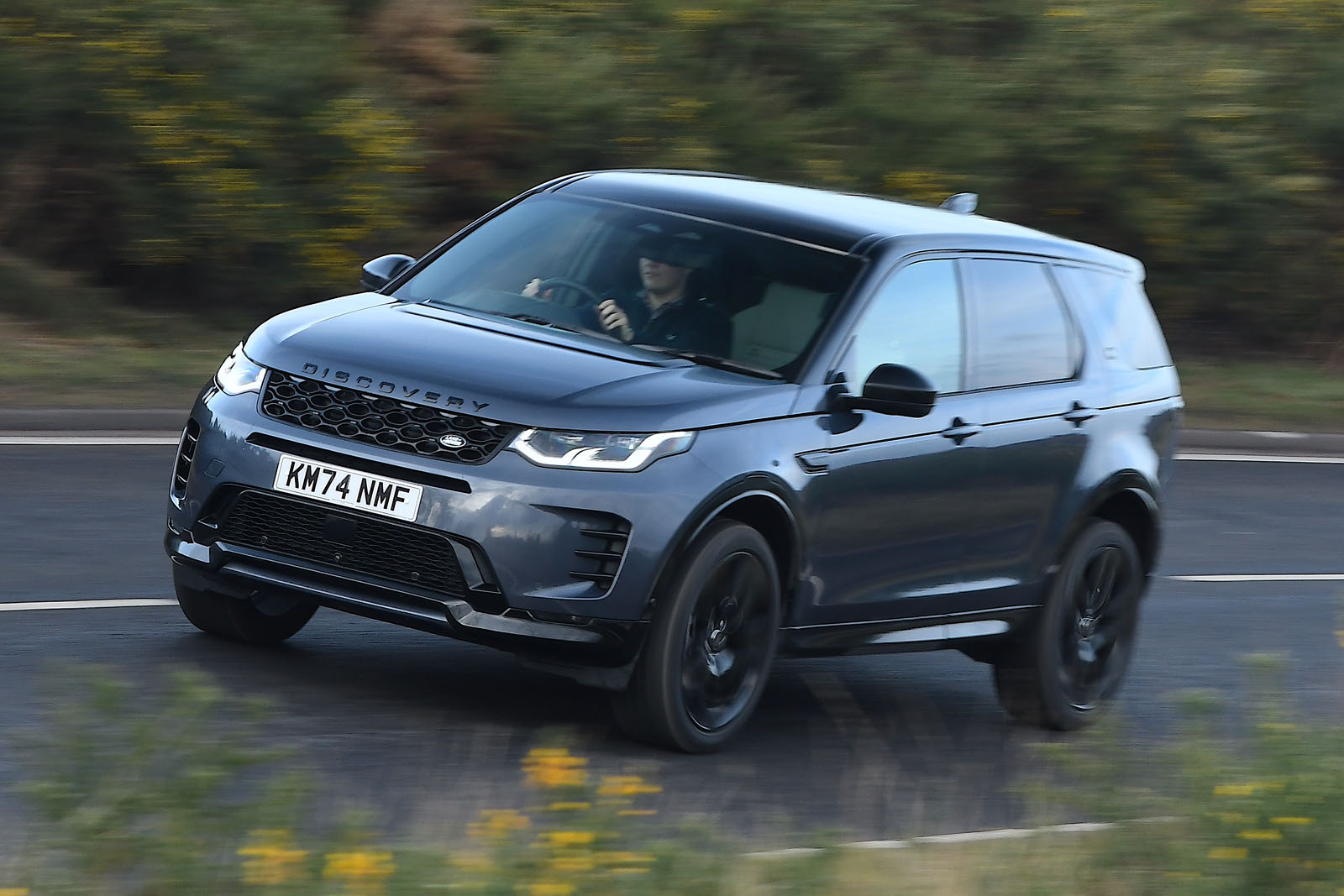
In more recent years, the Discovery Sport’s sales figures have seen a considerable decline. By 2025, its sales had fallen to less than a tenth of its 2016 peak, positioning it as JLR’s slowest-selling model. This decline is indicative of several factors, including intensified competition in the compact premium SUV segment, the increasing appeal of electrified alternatives, and the growing perception of the Discovery Sport as an aging product. It now trails even the full-sized Land Rover Discovery in sales, a model that is itself approaching its own retirement as its tenth anniversary nears.
The cessation of Discovery Sport production raises pertinent questions about the future of its closely related sibling, the Range Rover Evoque. Both models are manufactured at JLR’s Halewood plant on Merseyside, a facility that has been a significant contributor to local employment and the UK automotive sector. The strategic decisions regarding the future of the Halewood plant and the Evoque’s production will undoubtedly be closely watched by industry stakeholders and the regional economy.
Official Statement and the Path Forward
A spokesperson for JLR confirmed the impending end of production: "Discovery Sport production will end in December 2026, in line with normal product lifecycles. As part of this transition, there will be a managed sunset of manufacturing ahead of this date for certain markets." This statement highlights JLR’s adherence to a structured product lifecycle management approach, emphasizing a planned and orderly transition rather than an abrupt discontinuation.
While the GSR2 mandate has accelerated the withdrawal from certain European markets, the exact timeline for the Discovery Sport’s exit from its home market, the UK, remains less defined. However, it is anticipated that JLR will cease accepting new orders in the UK well in advance of the official production end date. This proactive approach allows for the management of existing order banks and facilitates a smooth transition for customers.
Broader Implications and Future Outlook
The retirement of the Discovery Sport signifies a strategic shift for Land Rover as it navigates the complexities of the modern automotive industry. The focus is increasingly on electrification, advanced driver-assistance systems, and a streamlined product portfolio that prioritizes profitability and future-proofing. JLR has ambitious plans for its future, with a strong emphasis on its luxury brands, Range Rover and Defender, and a commitment to electrification across its lineup. The Defender, in particular, has enjoyed a renaissance, appealing to a new generation of buyers with its blend of rugged capability and modern luxury.
The discontinuation of the Discovery Sport, while marking the end of a successful chapter, is a necessary step in Land Rover’s evolution. It allows the company to reallocate resources towards developing new models that align with evolving consumer preferences and stringent regulatory requirements. The success of JLR’s future endeavors will depend on its ability to execute this transition effectively, maintaining its brand heritage while embracing innovation and sustainability. The coming years will likely see a significant transformation within the Halewood plant and across JLR’s broader product development strategy, as the company repositions itself for a competitive and dynamic automotive future. The lessons learned from the Discovery Sport’s long and impactful tenure will undoubtedly inform the development and longevity of its successors.