A groundbreaking study published today in Nature Biomedical Engineering details the development of a novel drug delivery platform designed to revolutionize the treatment of esophageal diseases. Researchers from the Massachusetts Institute of Technology (MIT), Brigham and Women’s Hospital, and the Broad Institute of MIT and Harvard have engineered a system that can deliver therapeutic agents directly to the esophageal lining, overcoming significant physiological barriers that have long hindered effective localized treatment. This innovation holds immense promise for patients suffering from chronic inflammatory conditions like eosinophilic esophagitis and esophageal Crohn’s disease, potentially mitigating the severe systemic side effects associated with current therapies.
Giovanni Traverso, an associate professor of mechanical engineering at MIT, a distinguished gastroenterologist at Brigham and Women’s Hospital, and an associate member of the Broad Institute, emphasized the critical need for such advancements. "There are many people with esophageal disease, and if you look at drugs for these conditions, they’re very limited in their ability to target this part of the body and it’s very difficult to develop them," Traverso stated. "We hope this platform will make it easier to develop systems that can help patients suffering from these conditions." Traverso is the senior author of the new study, with former MIT postdoc Christina Karavasili, now an assistant professor at Aristotle University of Thessaloniki in Greece, serving as the paper’s lead author.
Addressing a Persistent Clinical Challenge
Esophageal disorders represent a significant global health burden, affecting millions and often severely impacting quality of life. Among the most prevalent and challenging conditions is eosinophilic esophagitis (EoE), a chronic inflammatory disease characterized by an allergic reaction, often to food, that causes eosinophils to accumulate in the esophageal lining. This leads to inflammation, fibrosis, and narrowing of the esophagus, making swallowing (dysphagia) incredibly difficult and painful. The incidence and prevalence of EoE have been rising steadily over the past few decades across Western countries, transforming it from a rare condition to a relatively common one, affecting approximately 1 in 2,000 individuals in some populations. While less common, Crohn’s disease can also manifest in the esophagus, causing similar inflammatory damage.
Current treatment paradigms for these conditions are often suboptimal. Systemic immunosuppressants, such as infliximab—an antibody that neutralizes tumor necrosis factor-alpha (TNF-alpha), a key inflammatory protein—are frequently used. While effective in reducing inflammation, these drugs come with a significant trade-off: broad immunosuppression. This increases patients’ susceptibility to infections and poses other long-term health risks, leading to a delicate balance between managing the disease and minimizing adverse effects. Infliximab, a biologic drug, also represents a considerable financial burden on healthcare systems, and its administration typically requires intravenous infusions in a clinical setting.
Topical steroid formulations, often administered as thick mixtures or inhaler-based sprays, represent another therapeutic avenue for EoE. These aim to deliver the anti-inflammatory agent directly to the esophagus, thereby reducing systemic exposure. However, their efficacy is often hampered by the very nature of the esophagus itself. Orally administered drugs pass through the esophagus rapidly, limiting contact time. Furthermore, the esophageal lining, composed of stratified squamous epithelium, is remarkably impermeable, acting as a robust barrier against drug penetration. Injecting drugs directly into the esophageal tissue, while effective, is an invasive and uncomfortable procedure for patients, requiring regular visits to a doctor’s office and endoscopic intervention. This confluence of anatomical and physiological challenges has created a substantial unmet need for more effective, patient-friendly, and localized drug delivery solutions.
A Novel Approach: Enhancing Permeability with Bile Salts
Recognizing these formidable hurdles, the research team embarked on developing new drug formulations specifically engineered to overcome the esophagus’s inherent impermeability. Their strategy centered on identifying molecules that could temporarily enhance the permeability of esophageal cells, allowing therapeutic agents to pass through more effectively.
To achieve this, the researchers first devised an innovative in vitro screening system that meticulously mimics the complex structure and function of the human esophagus. This sophisticated platform consists of esophageal tissue pressed between two vertical plates. Drug formulations can be introduced at the top, simulating oral ingestion and the natural transit through the esophagus. The system then allows researchers to precisely measure how much of the drug permeates the tissue and is collected in wells situated beneath the tissue layer. This high-throughput screening capability was crucial for systematically evaluating a wide array of potential excipients—inactive ingredients included in drug formulations to enhance drug effects or stability.
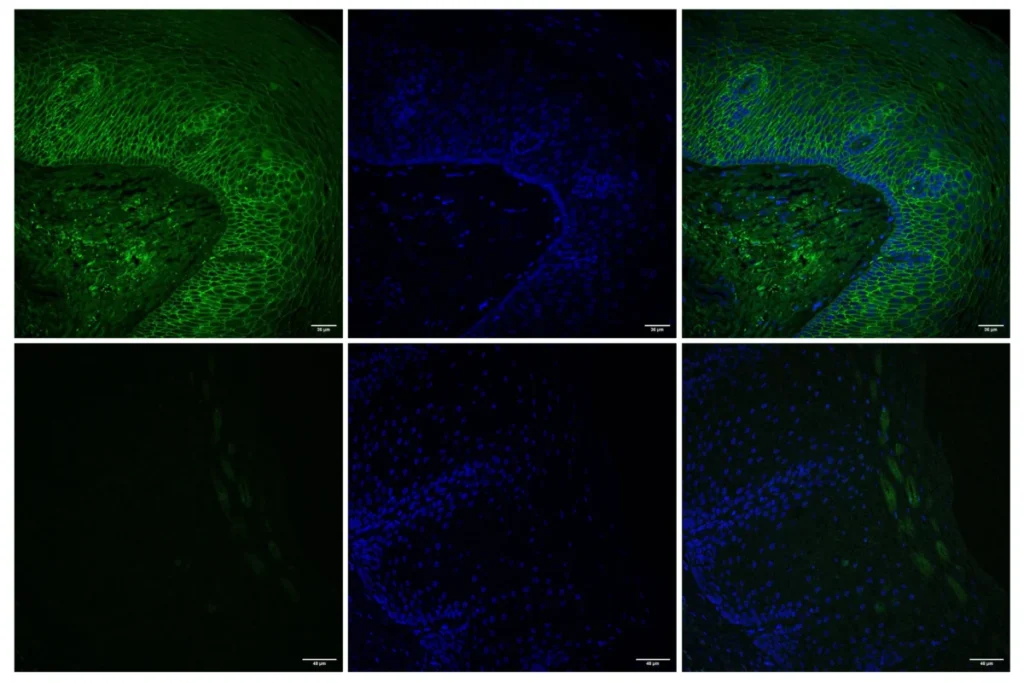
The initial screening involved testing approximately 100 different compounds for their ability to improve tissue permeability. This rigorous process identified several promising candidates. Moving beyond individual compounds, the team then explored combinations, testing pairs of these excipients to uncover synergistic effects. The most effective combination identified was a pair of bile salts: sodium chenodeoxycholate and sodium cholate. These naturally occurring compounds, typically found in the digestive system, demonstrated a remarkable capacity to temporarily loosen the cell-cell junctions within the stratified squamous epithelium. These junctions normally act as a tight barrier, preventing substances from passing between cells.
Karavasili elaborated on the mechanism of action: "Our data suggest that the bile salts temporarily loosen these cell–cell junctions, mainly by interacting with calcium ions that help maintain junction integrity. This creates a more permissive pathway between the cells, allowing larger molecules to move into the mucosal tissue more efficiently."
To ensure these permeability enhancers remained in contact with the esophageal surface for a sufficient duration, the bile salts were incorporated into a polysaccharide-derived hydrogel. This hydrogel possesses a viscous consistency, allowing it to lightly coat the esophageal lining, thereby prolonging the residence time of the drug formulation. "The hydrogel helps the formulation remain on the esophageal surface for longer, while the bile salts help increase transport across the tissue," Karavasili added, underscoring the synergistic design of the platform.
Validation and Safety in Animal Models
The efficacy and safety of this novel formulation were subsequently validated in animal models. The researchers successfully demonstrated that the hydrogel-bile salt combination could effectively deliver infliximab to the esophagus, achieving localized therapeutic concentrations. Critically, the studies also confirmed the temporary nature of the permeability enhancement. The cell-cell junctions, once loosened by the bile salts, were observed to return to their normal, tight configuration within three days, alleviating concerns about long-term structural integrity or persistent compromise of the esophageal barrier function. This reversibility is a key safety feature, differentiating this approach from methods that might cause irreversible tissue damage.
This successful proof-of-concept in animal models signals a significant step forward in the quest to minimize the debilitating side effects associated with systemic immunosuppression. Traverso highlighted this potential impact: "We were interested in delivering anti-TNFs as a model drug, but also to help people who suffer from conditions like Crohn’s disease to have options that could be delivered to the site. If we have the possibility of site-directed delivery, we may be able to mitigate systemic side effects from these immunosuppressing agents."
A Timeline of Innovation
The journey to this groundbreaking platform involved several distinct phases:
- Problem Identification (Pre-2020s): Recognition of the significant unmet need for localized esophageal drug delivery, driven by the limitations of existing systemic and topical treatments for conditions like EoE and esophageal Crohn’s.
- Conceptualization and Platform Design (Early 2020s): Development of the innovative in vitro esophageal mimic screening system, a crucial tool for high-throughput evaluation of potential drug delivery enhancers. This phase involved interdisciplinary collaboration between mechanical engineers, gastroenterologists, and biomedical researchers.
- Excipient Screening and Identification (Mid-2020s): Extensive testing of approximately 100 different compounds, followed by systematic evaluation of compound pairs to identify synergistic permeation enhancers. This led to the discovery of the optimal bile salt combination (sodium chenodeoxycholate and sodium cholate).
- Formulation Development (Mid-2020s): Integration of the identified bile salts into a viscous polysaccharide-derived hydrogel to ensure prolonged contact with the esophageal mucosa.
- Preclinical Validation (Mid- to Late 2020s): In vivo animal studies demonstrating effective localized delivery of a model drug (infliximab) and confirming the temporary and reversible nature of the cell-cell junction loosening.
- Publication (Current): Dissemination of these findings in Nature Biomedical Engineering, marking a significant milestone in the field.
- Future Development (Ongoing): Current efforts focus on further optimizing the formulation for human testing, ensuring appropriate adherence time without discomfort, and exploring its applicability to other therapeutic agents.
Broader Implications and Future Directions
The implications of this new drug delivery platform extend far beyond the immediate treatment of EoE and esophageal Crohn’s disease. This innovation represents a paradigm shift in how drug development for mucosal surfaces, particularly the gastrointestinal tract, might be approached.
For Patients: The most immediate and profound impact would be on patient quality of life. Localized delivery promises reduced systemic side effects, which can be debilitating and dangerous with current immunosuppressants. This could translate to fewer infections, better overall health, and potentially improved adherence to treatment regimens. Patients might experience more effective disease control with fewer adverse events, leading to a significant improvement in their daily lives. The less invasive nature of an orally administered gel, compared to injections or frequent endoscopic procedures, also offers a more comfortable and convenient treatment experience.
For the Healthcare System: Reduced systemic side effects could lead to fewer hospitalizations for complications, lower long-term treatment costs, and a more efficient allocation of healthcare resources. The ability to repurpose existing, potent drugs like infliximab for localized delivery without their full systemic burden could also be a cost-effective strategy, avoiding the astronomical costs associated with developing entirely new chemical entities.
For Pharmaceutical Research and Development: This platform provides a powerful new tool for drug discovery and formulation scientists. The in vitro screening system itself is a significant technological advancement, enabling rapid and efficient testing of potential drug carriers and enhancers. This could accelerate the development pipeline for new esophageal therapies, reduce failure rates in clinical trials, and open doors for delivering a broader range of molecules—including biologics and gene therapies—directly to the esophagus. Furthermore, the principles underlying this technology might be adaptable to other mucosal surfaces in the body, such as the colon (for inflammatory bowel disease), the oral cavity (for mucositis), or even the vaginal or rectal mucosa, expanding its potential therapeutic reach. The market for gastrointestinal drugs is substantial, valued in the tens of billions of dollars annually, indicating the significant commercial potential for a platform that can address unmet needs in this space.
Statements from Related Parties:
While no explicit statements from patient groups or pharmaceutical companies are provided in the source text, their potential reactions can be logically inferred. Patient advocacy groups for EoE and Crohn’s disease would likely welcome such a development with immense hope, seeing it as a critical step towards safer and more effective treatments. Pharmaceutical companies, particularly those with a focus on gastrointestinal disorders or biologics, would undoubtedly be interested in this platform’s potential to enhance their drug pipeline, improve patient outcomes, and capture market share. Academic researchers in drug delivery and gastroenterology would likely view this as a significant scientific contribution, opening new avenues for investigation.
The funding for this pivotal research, provided by the Karl van Tassel Career Development Professorship, the Department of Mechanical Engineering at MIT, the Division of Gastroenterology at Brigham and Women’s Hospital, and notably, the U.S. Advanced Research Projects Agency for Health (ARPA-H), underscores the strategic importance and potential impact of this work. ARPA-H, established to accelerate breakthrough health technologies, recognizes the transformative potential of such innovations in addressing critical healthcare challenges. As ARPA-H notes, the views and conclusions contained in this article are those of the authors and should not be interpreted as representing the official policies of the United States government, yet their investment signals a strong belief in the research’s promise.
Looking ahead, the research team is now focused on optimizing the formulation further in preparation for potential human trials. Key considerations include ensuring the gel adheres for a sufficient duration to deliver the therapeutic payload effectively without causing patient discomfort. They are also actively exploring the platform’s versatility for delivering other types of drugs, broadening its potential applications. Traverso encapsulates the overarching vision: "This is a platform to enable the development of drug-delivery systems for the esophagus, which hasn’t been possible before because the tools haven’t existed." This sentiment highlights not just a new drug, but a new capability, promising to unlock previously unattainable therapeutic possibilities for a range of challenging esophageal conditions.