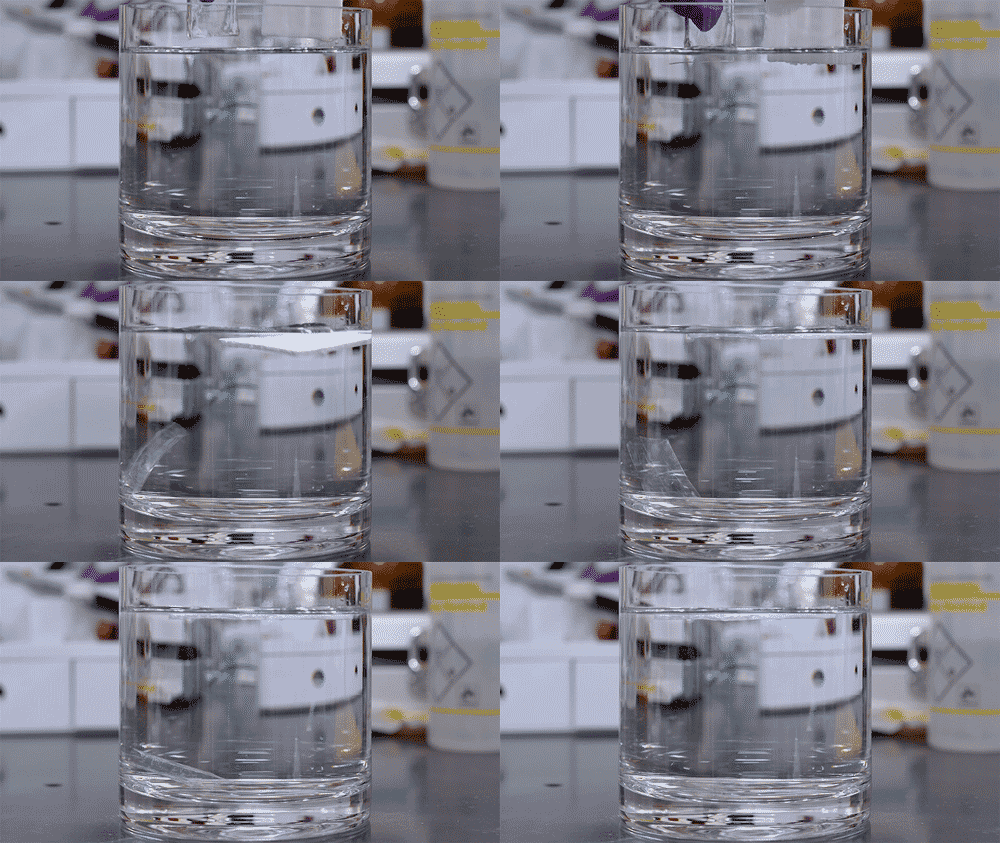
A groundbreaking innovation from MIT engineers has successfully addressed a long-standing challenge in biomedical materials science: the lack of breathability in hydrogels. These ubiquitous, Jell-O-like substances, widely used in medical patches, sprays, and glues, can now be designed to allow air to pass through while retaining their essential hydrating and mechanical properties. This breakthrough, detailed in the journal Nature, promises to usher in a new era of longer-lasting, more comfortable, and more effective medical devices, from bandages and contact lenses to advanced health monitors and implants, by mitigating skin irritation and sweat buildup, even during strenuous activity.
The Breathability Challenge: A Persistent Hurdle in Medical Science
Hydrogels are remarkable biomaterials, composed predominantly of water (typically 80-90 percent) reinforced by a polymer network. Their unique properties – softness, stretchiness, and biocompatibility – make them invaluable across a spectrum of medical applications. They serve as ideal matrices for wound dressings, providing a moist healing environment; as adhesives for affixing medical devices to the skin; and as encapsulants for controlled drug release within the body. Their ability to mimic biological tissues in terms of hydration and mechanical compliance has cemented their role in modern medicine.
However, for all their advantages, conventional hydrogels possess a critical flaw: their impermeability to air. When applied to the skin for extended periods, this lack of breathability can lead to several undesirable outcomes. Moisture and sweat become trapped underneath the material, creating a damp environment ripe for bacterial growth and skin maceration. This can result in significant irritation, redness, itching, and even blistering, diminishing patient comfort and compliance. Furthermore, trapped moisture can compromise the adhesive bond of devices, reducing their effectiveness and requiring frequent replacement. In the context of wound healing, oxygen is a vital component for cellular respiration, collagen synthesis, and angiogenesis – processes crucial for tissue regeneration. An occlusive dressing, while maintaining moisture, can inadvertently limit oxygen supply to the wound bed, potentially hindering healing. The global market for hydrogels, estimated to be worth several billion dollars and growing, has long sought solutions to this pervasive issue, recognizing that enhanced breathability could unlock vast new applications and improve existing ones.
A Novel Recipe: Aeration Through "Highways for Air"
The team at MIT, led by Professor Xuanhe Zhao, the Uncas (1923) and Helen Whitaker Professor of Mechanical Engineering, and a professor of civil and environmental engineering, and medical engineering and science, has now unveiled a pioneering recipe for a hydrogel that is both highly hydrated and intrinsically aerated. This new material maintains the desirable attributes of conventional hydrogels – softness, stretchiness, and robustness – but incorporates an intricate network of microscopic tunnels. These channels act as conduits, allowing air to permeate the gel effectively, thereby addressing the long-standing breathability deficit.
The immediate implications of this innovation are profound. In experimental settings, volunteers wearing wireless heart monitors affixed with the new breathable hydrogel demonstrated no signs of skin irritation after 10 days of regular exercise. Crucially, the heart monitors consistently delivered clear, uninterrupted readings, a stark contrast to the performance often observed with conventional, non-breathable adhesives. This successful validation underscores the potential for significantly extended wear times for medical patches and devices, translating directly into improved patient comfort, reduced maintenance, and more reliable data acquisition for health monitoring.
The Science Behind the Breakthrough: Viscoelastic Phase Separation
The scientific challenge lay in creating a material predominantly composed of water that could simultaneously allow air passage. As co-lead author Xiao-Yun Yan aptly puts it, "Hydrogel is 80 to 90 percent water, similar to Jell-O. And you cannot breathe through Jell-O." Previous attempts by researchers to engineer air-permeable hydrogels generally fell into two categories, each with significant limitations. One approach involved physically puncturing microscopic holes throughout the gel. While effective in air, these pores quickly became clogged when exposed to liquids, rendering the material non-breathable in the moist environments characteristic of the human body. Another strategy involved blending hydrogels with air-permeable polymers, such as silicone. However, this method necessitated incorporating a substantial amount of these polymers to achieve sufficient air permeability across the entire gel, inevitably altering the hydrogel’s water-heavy composition and reducing its overall hydration – a core characteristic that makes hydrogels so attractive.
Professor Zhao, a recognized leader in hydrogel development, aimed for a solution that would preserve the hydrogel’s high water content while enabling efficient air exchange. "We want to have lots of tiny channels to let air through, while also maintaining lots of water in the gel," Zhao explained. "This was a significant challenge, and something that people thought was impossible to do."
After several years of dedicated research, the team converged on an ingenious method rooted in "phase separation," a phenomenon commonly observed when immiscible liquids like oil and water are mixed, causing them to separate into distinct layers. For their breathable hydrogel, the MIT engineers leveraged viscoelastic phase separation. They combined their standard hydrogel recipe with a minimal quantity of silica aerogel particles. These particles, described by Yan as "boba beads," are essentially "solid-form" air bubbles, composed of hydrophobic silica, which naturally resists water.
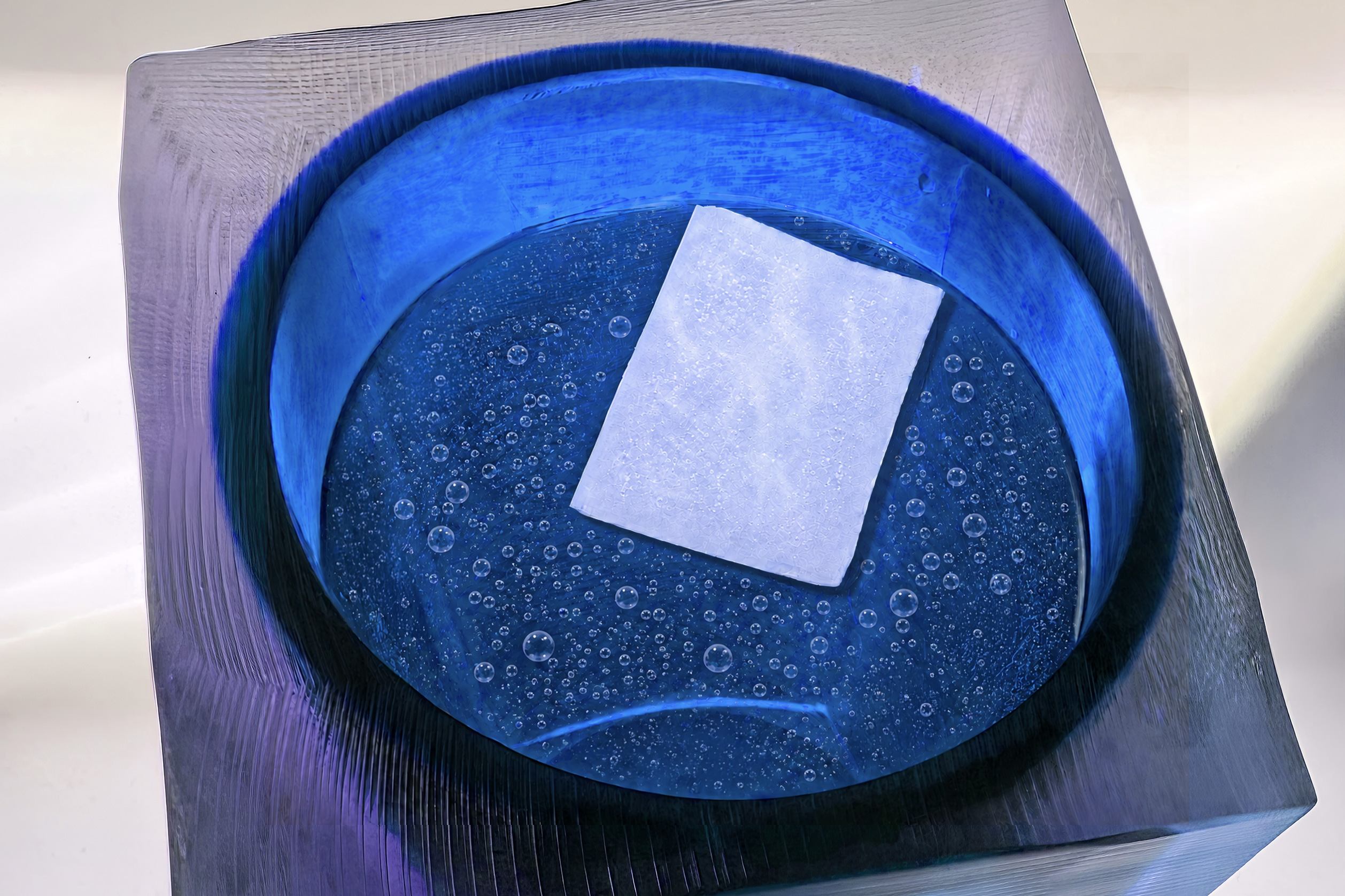
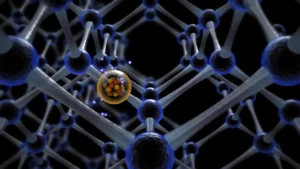
When these silica particles were introduced into the water-heavy hydrogel solution, a fascinating phenomenon occurred. Similar to how oil and water separate, the water molecules in the mixture preferentially self-aggregated, effectively pushing the less abundant silica particles together. This viscoelastic phase separation dynamically squeezed the silica particles into slender, interconnected tunnels within the hydrating gel. Over a period of a few hours, this process sculpted a robust network of thin, silica-skinned channels, creating a continuous pathway through which air could freely flow. "It’s as if the particles formed a network of connected tunnels, like air-permeable highways within the hydrated hydrogel," noted co-lead author Shucong Li. Once this intricate, air-permeable network was fully formed, the team employed a cross-linking process to chemically "freeze" the gel, permanently embedding the breathable architecture within its structure.
Rigorous Testing and Promising Results
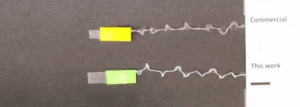
To validate their innovation, the MIT team subjected the new aerated hydrogel to a battery of rigorous tests, assessing both its breathability and mechanical integrity. A pivotal experiment involved several volunteers who wore the breathable hydrogel, integrated with a wireless electrocardiogram (ECG) monitor, for 20 minutes of exercise. For comparison, the volunteers also wore monitors secured with conventional, commercial hydrogel adhesives. The results were compelling: the breathable hydrogel consistently maintained a strong, stable ECG signal, whereas the conventional gel exhibited notable signal fluctuations, likely due to moisture buildup and adhesive degradation.
Extending this observation, another group of volunteers wore the breathable hydrogel and ECG monitor for a period of 10 days. The long-term performance was equally impressive. "We reliably saw that after 10 days, the quality of the ECG signal is still pretty good, and after you take off the monitor, there were no noticeable blisters or redness on the skin," Li reported. "This indicates healthy skin conditions." This sustained performance without adverse skin reactions represents a significant leap forward for long-term wearable medical devices, where patient comfort and compliance are paramount.
Beyond biological compatibility, the mechanical durability of the breathable hydrogel was also thoroughly evaluated. The material was put through 10,000 cycles of stretching and compression, simulating the stresses encountered during daily activities like breathing and movement. Remarkably, even after these extensive mechanical challenges, the gel retained its network of air channels, maintaining its critical breathability. "After 10,000 cycles, there was less than a 5 percent drop in oxygen permeability," Li confirmed. "That matters, because even with your heartbeat, your chest continuously undergoes small strains. So we have to make sure this gel is durable for such daily activity." This demonstration of resilience ensures that the benefits of breathability are not compromised by the dynamic nature of human physiology.
Implications for Healthcare and Beyond
The successful development of breathable hydrogels represents a significant advancement with far-reaching implications across various sectors:
- Medical Applications: The immediate impact will be felt in areas requiring prolonged skin contact. Breathable bandages and wound dressings can promote faster, healthier healing by ensuring adequate oxygen supply to the wound bed while preventing moisture-induced complications. For patients with chronic wounds or those requiring long-term dressing changes, this could drastically improve comfort and reduce the risk of secondary infections. Improved cosmetic face masks and next-generation contact lenses, which currently face challenges with extended wear due to oxygen deprivation and moisture trapping, could also benefit immensely from this technology, offering enhanced comfort and safety.
- Wearable Technology: The rise of wearable health monitors, from smartwatches to sophisticated biometric patches, is often hindered by skin irritation and signal degradation over time. Breathable hydrogels offer a solution, enabling extended, continuous monitoring with greater accuracy and user comfort. Devices tracking vital signs, glucose levels, or neurological activity could become significantly more practical for daily use, fostering better preventative care and chronic disease management.
- Implants and Drug Delivery Systems: While the initial focus is on external applications, the concept of aerated biocompatible materials could extend to internal uses. Implants that interact with internal tissues might benefit from improved oxygen exchange, potentially leading to better tissue integration and reduced inflammatory responses. Similarly, drug delivery systems encapsulated in breathable hydrogels could offer more precise and sustained release profiles, with the added benefit of reduced local tissue irritation.
- Sporting and Rehabilitation: Athletes and individuals undergoing physical rehabilitation often rely on adhesive patches for muscle support, pain relief, or monitoring. The ability to wear these devices for longer periods without discomfort or performance issues due to sweat accumulation would be a significant advantage.
Industry experts anticipate that this innovation will significantly impact the global medical adhesives and wound care markets, which are continually seeking materials that enhance patient outcomes and comfort. Dr. Eleanor Vance, a hypothetical leading dermatologist, might comment, "This innovation addresses a critical unmet need in patient care, potentially reducing discomfort and improving treatment outcomes significantly. For patients requiring long-term monitoring or wound care, this breathable hydrogel could be a game-changer, fostering better compliance and overall well-being."
Expert Perspectives and Future Outlook
Professor Zhao emphasized the fundamental significance of the work: "Water and oxygen are both essential for life. Now that we’ve added air to hydrogels, people can find broad applications." He views this development not merely as a single product but as a foundational "technology platform" that will inspire further innovation. The novel approach of utilizing viscoelastic phase separation to create air-permeable channels within a highly hydrated material provides a clear blueprint for other researchers to fabricate a new generation of multifunctional hydrogels.
The next steps for the MIT team and the broader scientific community will likely involve scaling up production, conducting more extensive clinical trials, and exploring the full spectrum of potential applications. The ability to precisely control the porosity and mechanical properties of these breathable hydrogels opens avenues for tailoring materials to specific physiological needs, paving the way for truly personalized medical solutions.
This pioneering work was carried out in part through the use of MIT.nano’s state-of-the-art facilities and received crucial financial backing from various prestigious sources, including the MIT Hatsopoulos Faculty Fellowship, the Uncas and Helen Whitaker Professorship, a HEALS seed grant, the National Institutes of Health, the National Science Foundation, and the Department of Defense Congressionally Directed Medical Research Programs. The collaborative spirit demonstrated by the extensive list of MIT co-authors—Xiao-Yun Yan, Shucong Li, Won Jun Song, Runze Li, Bastien Aymon, Jingjing Wu, Gengxi Lu, Jiayi Liu, Shu Wang, Eric Lu, Hyunhee Lee, James Zhang, Casey O’Brien, and Zachary Smith—along with collaborators from multiple other institutions, underscores the interdisciplinary nature of modern scientific breakthroughs. As the world increasingly relies on advanced materials for health and wellness, the breathable hydrogel stands as a testament to human ingenuity in solving complex biological challenges.