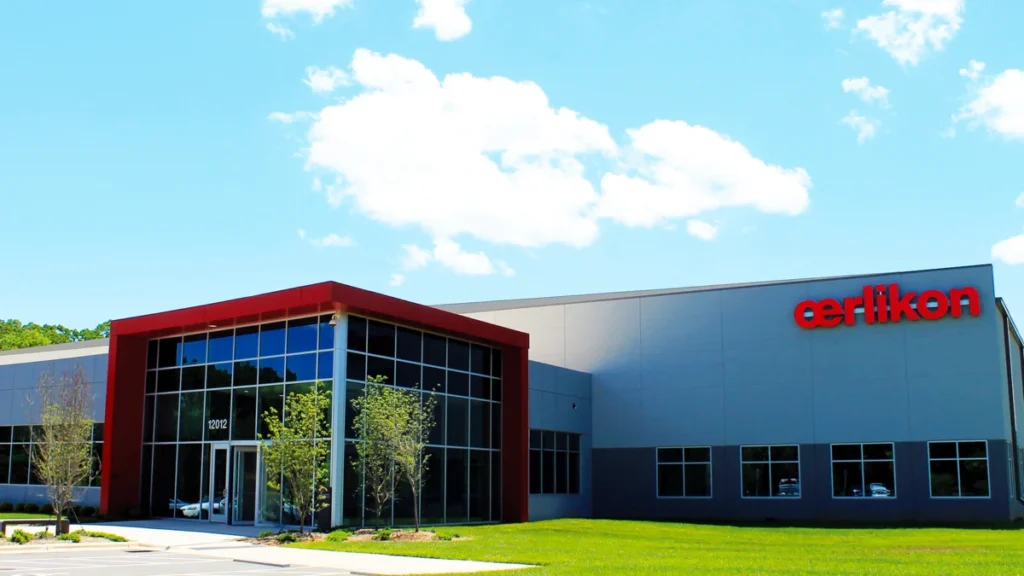
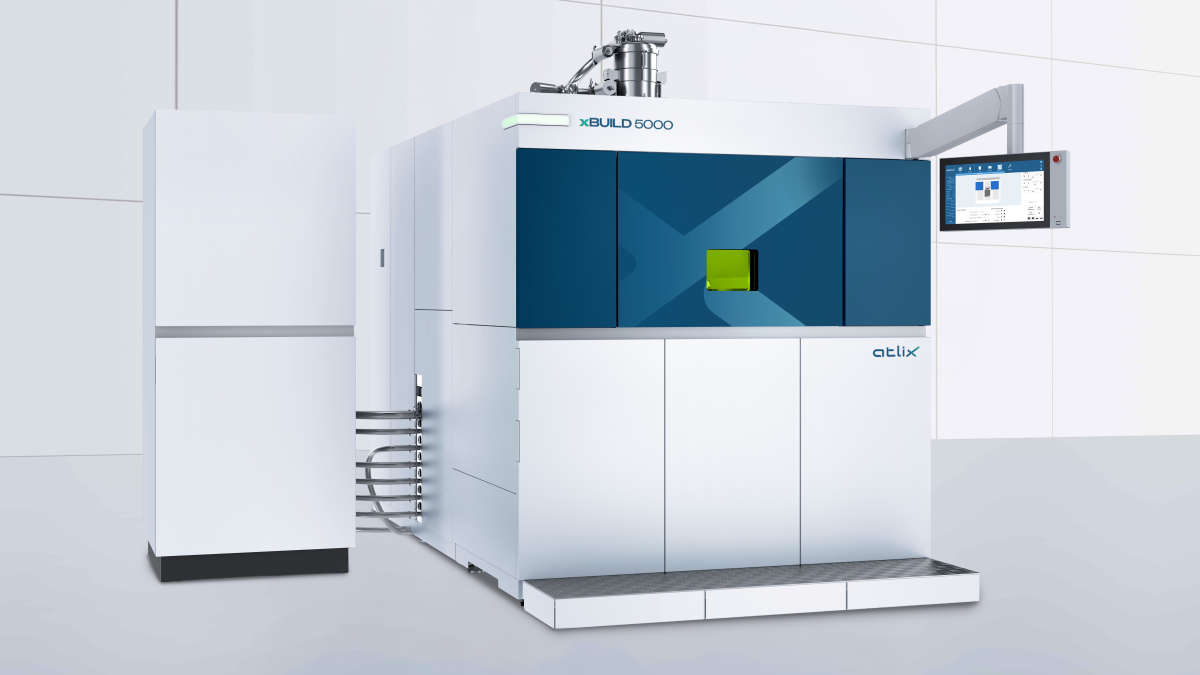
Oerlikon has marked a significant milestone in additive manufacturing with the operational deployment of the ATLIX xBUILD 5000 metal 3D printer at its advanced manufacturing facility in Huntersville, North Carolina. This installation represents the global debut of the xBUILD 5000 system, a move that strategically enhances Oerlikon’s production capabilities to serve critical sectors including aerospace, defense, and semiconductor manufacturing. The integration of this cutting-edge technology underscores Oerlikon’s commitment to expanding its additive manufacturing footprint and meeting the growing demand for complex, high-performance metal components.
Strategic Expansion and Future Investment
The introduction of the ATLIX xBUILD 5000 builds upon Oerlikon’s existing extensive fleet of ATLIX metal 3D printers. This strategic enhancement is a cornerstone of the company’s broader initiative to significantly increase its overall production capacity. Looking ahead, Oerlikon has signaled its intent to further bolster its additive manufacturing infrastructure by investing in additional xBUILD 5000 systems, with plans commencing in 2027. While the precise number of machines Oerlikon intends to acquire has not been publicly disclosed, this forward-looking investment plan signals a strong commitment to scaling up its additive manufacturing operations.
The ATLIX xBUILD 5000 is engineered for high-volume production, featuring four powerful 1 kW lasers. Its substantial build volume, measuring 500 x 500 x 400 mm, allows for the creation of larger and more intricate components than many previous-generation machines. A key innovation of the xBUILD 5000 is its advanced automated system, which significantly streamlines the build process. This automation enables operators to switch between different build jobs in approximately 15 minutes, a substantial reduction in downtime that directly translates into increased throughput and greater production efficiency. This capability is crucial for industries with rigorous production schedules and stringent delivery timelines.
"We are pleased to continue strengthening our partnership with ATLIX and are excited to add these innovative systems to our production fleet," stated Dan Haller, Head of Commercial at Oerlikon Additive Manufacturing (AM). This statement highlights the collaborative synergy between Oerlikon and ATLIX and the confidence Oerlikon places in the ATLIX technology to drive its manufacturing objectives.
Oerlikon’s Huntersville Hub: A Center of Excellence
The Huntersville facility stands as a pivotal hub for Oerlikon’s metal 3D printing operations in the United States. Established in 2019 following a substantial $55 million investment, this expansive 125,000-square-foot site is a testament to Oerlikon’s integrated approach to additive manufacturing. The facility encompasses the entire value chain, from the initial design and printing of metal parts to sophisticated post-processing techniques such as heat treatment, precision machining, and rigorous quality inspection. This end-to-end capability allows Oerlikon to deliver fully finished, ready-to-deploy components to its clients, rather than merely providing raw 3D-printed parts.
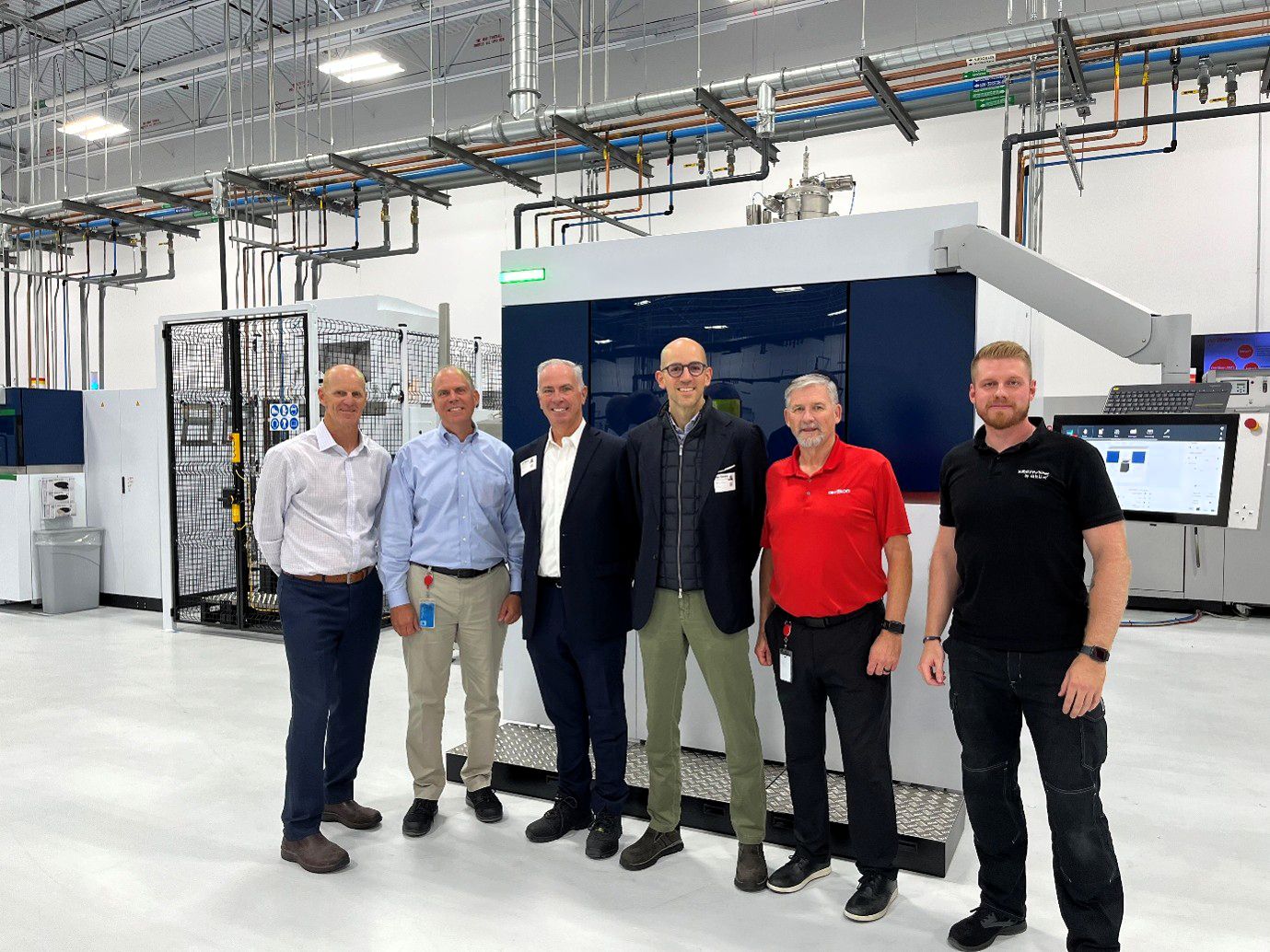
The growth trajectory of the Huntersville facility is marked by strategic partnerships and technology integrations. In September 2025, Oerlikon announced a significant collaboration with the former additive manufacturing business of TRUMPF, which subsequently rebranded and evolved into ATLIX. This partnership saw Oerlikon integrate three TRUMPF TruPrint 5000 printers into its operations, augmenting its existing fleet and bringing its total number of TruPrint 5000 machines to six. At the time of that announcement, Oerlikon reported operating a total of 26 metal 3D printers across its facilities, underscoring its significant investment in the additive manufacturing sector. The equipment acquired through this partnership was specifically designated to support applications such as the production of heat exchangers, cold plates, and suppressors, components vital for performance and efficiency in various industrial applications.
Further demonstrating its commitment to encompassing a diverse range of additive manufacturing solutions, Oerlikon has also invested in other large-format metal 3D printing systems. In March 2025, the company revealed a partnership with Northrop Grumman to install an AMCM M4K-4 printer at its Huntersville location. This particular machine is designed to address the increasing demand for larger, more complex metal parts, particularly those required by the demanding specifications of the aerospace, defense, and semiconductor industries. These strategic investments collectively illustrate Oerlikon’s methodical approach to diversifying its additive manufacturing capabilities, ensuring it can cater to a broad spectrum of customer requirements and application complexities. The newly installed xBUILD 5000, with its enhanced build volume and automation features, represents a logical continuation of this expansion strategy, specifically geared towards supporting regular, high-volume production needs.
ATLIX: A New Era Under a New Identity
The current installation is also a pivotal moment for ATLIX. The company emerged as an independent entity following TRUMPF’s strategic divestment of its metal additive manufacturing business in September 2025. In September 2026, ATLIX officially introduced the xBUILD branding, a transition that replaced the established TruPrint nomenclature across its four distinct metal 3D printing system lines. It is important to note that while the branding has evolved, the core technical specifications and performance characteristics of the machines themselves remain unchanged. This rebranding signifies ATLIX’s intent to forge its own identity and market presence in the additive manufacturing landscape.
Oerlikon’s ongoing utilization of ATLIX metal 3D printers at its Huntersville facility is a testament to the reliability and performance of ATLIX’s technology. The integration of the new xBUILD 5000 is poised to enable Oerlikon to not only produce larger components but also to significantly increase the overall output of these parts. While Oerlikon has not yet specified the exact applications for which the new machine will be employed, the increased capacity and advanced features suggest a focus on high-demand production runs. For ATLIX, this deployment is a significant validation of its technology and a crucial step in establishing its brand under the new corporate structure. Furthermore, the stated intention for Oerlikon to invest in additional xBUILD 5000 systems in 2027 points towards a sustained and growing demand from a key industry player.
"Oerlikon is one of the most experienced additive component manufacturers in the world, and its continued investment in ATLIX technology is the strongest validation we could ask for," commented Matthias Himmelsbach, CEO of ATLIX. This endorsement from a leading additive manufacturing service provider like Oerlikon highlights the technological prowess and production-readiness of ATLIX’s systems.
The financial details of Oerlikon’s investment in the xBUILD 5000, as well as the projected timeline and scope of the additional installations planned for 2027, have not been publicly disclosed by either company. However, the strategic significance of this partnership and the technological advancement represented by the xBUILD 5000 are clear indicators of the evolving landscape of industrial additive manufacturing.
Industry Impact and Future Outlook
The widespread adoption of advanced metal 3D printing technologies like the ATLIX xBUILD 5000 by leading manufacturers such as Oerlikon has profound implications for the aerospace, defense, and semiconductor sectors. These industries are characterized by a persistent need for lightweight, high-strength, and intricately designed components that can withstand extreme conditions. Traditional subtractive manufacturing methods often struggle to meet these demands efficiently and cost-effectively. Additive manufacturing, with its ability to create complex geometries layer by layer, offers a transformative solution.
For the aerospace industry, this translates to the potential for lighter aircraft components, leading to improved fuel efficiency and reduced operational costs. In defense, it enables the rapid production of specialized parts and upgrades, enhancing operational readiness and strategic advantage. The semiconductor industry, known for its miniaturization and precision requirements, can benefit from the ability to produce highly customized and complex tooling and components that are critical for advanced chip fabrication processes.
The increased production capacity facilitated by machines like the xBUILD 5000 also plays a crucial role in supply chain resilience. By enabling on-demand production and reducing reliance on lengthy traditional manufacturing lead times, additive manufacturing can help mitigate supply chain disruptions, a critical concern in today’s global economic climate. The automation features of the xBUILD 5000 are particularly important in this regard, as they contribute to predictable production cycles and faster turnaround times, essential for industries where time-to-market is a significant competitive factor.
The continued investment by established players like Oerlikon in cutting-edge additive manufacturing hardware and software underscores the maturation of the industry. What was once a niche technology is rapidly becoming an integral part of mainstream industrial production. The collaborative efforts between equipment manufacturers like ATLIX and service providers like Oerlikon are vital in pushing the boundaries of what is possible with metal 3D printing, paving the way for innovation and the development of next-generation products across a multitude of high-impact sectors. As Oerlikon continues to expand its capabilities at the Huntersville facility and beyond, the influence of additive manufacturing on global industrial output is set to grow exponentially.