Published: July 23rd, 2026
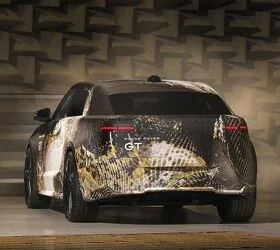
Land Rover, a marque synonymous with rugged off-road prowess and luxurious SUVs, is poised to redefine its identity with the forthcoming Range Rover GT, a vehicle that technically qualifies as a station wagon, or more accurately, a sophisticated grand tourer. Showcased under the revered Range Rover banner, this new model represents a significant departure from the brand’s traditional offerings, prioritizing on-road refinement and electrified performance over extreme all-terrain capabilities. Described by the company as a "grand tourer," the GT embodies a fusion of luxury, performance, and cutting-edge electric technology, signaling a bold new direction for the venerable British automaker.
A Paradigm Shift: From Trailblazer to Grand Tourer
For decades, Land Rover has cultivated a global reputation for building vehicles that can conquer any terrain, from the Scottish Highlands to the Sahara Desert. This legacy is deeply embedded in the brand’s DNA, with models like the Defender and the classic Range Rover becoming icons of adventure and capability. However, the automotive landscape is rapidly evolving, driven by electrification, shifting consumer preferences, and the pursuit of sustainable mobility. In this dynamic environment, Land Rover is strategically adapting, and the Range Rover GT stands as a testament to this evolution.
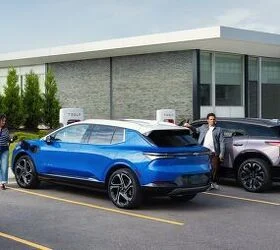
While details surrounding the GT prototype remain limited and are subject to refinement as the production model nears completion, initial glimpses reveal a vehicle that leans heavily into the luxury crossover segment, drawing parallels with offerings like the Cadillac Lyriq. This suggests a design language that balances the commanding presence expected of a Range Rover with a more aerodynamic and car-like silhouette, optimized for on-road dynamics rather than extreme off-road articulation.
Electrification at the Core: Performance Meets Comfort
The Range Rover GT is slated to be fully electrified, a crucial element in Land Rover’s commitment to a sustainable future. This powertrain strategy promises a harmonious blend of exhilarating performance and serene comfort, designed to cater to the demands of long-distance journeys and spirited driving. While Land Rover asserts that the GT will retain some all-terrain capabilities, it’s understood that these will be secondary to its primary role as a luxury grand tourer. The vehicle is not expected to possess the extreme ground clearance or robust suspension articulation typically associated with hardcore off-roaders. Instead, its off-road prowess will likely manifest in enhanced traction and stability on less challenging surfaces, facilitated by its advanced electric all-wheel-drive system.
This focus on electrified luxury is further emphasized by the GT’s interior design. The cabin is characterized by a minimalist aesthetic, with physical controls largely supplanted by expansive digital displays. This approach creates a futuristic and uncluttered environment, evoking the clean and sophisticated ambiance of high-end technology showrooms. Land Rover aims to cultivate a "sanctuary of calm" within the GT’s interior, a space designed to insulate occupants from the stresses of the outside world and provide an oasis of tranquility during travel.
Interior Design: A Modern Sanctuary or Derivative Approach?
The interior of the Range Rover GT, as presented in prototype form, showcases a design philosophy that has become increasingly prevalent in modern electric vehicles. The emphasis on screens and the absence of traditional buttons contribute to a sleek and modern look, but also draw comparisons to existing trends in the EV market. The choice of a white color scheme, while intended to enhance the sense of spaciousness and purity, has been noted as a somewhat overused aesthetic in prototype EVs.
However, Land Rover’s articulation of the interior as a "sanctuary of calm" suggests a deeper intention to create a truly immersive and relaxing experience for occupants. The success of this vision will ultimately be determined by the tactile quality of the materials, the intuitiveness of the user interface, and the overall refinement of the cabin, factors that can only be fully assessed through direct experience. The company’s commitment to customization further suggests that buyers will have ample opportunity to personalize their GT’s interior to reflect their individual tastes and preferences.
Exterior Design: Echoes of the Past, Vision of the Future
The exterior silhouette of the Range Rover GT bears a subtle resemblance to the Jaguar Type 00 Concept and its subsequent production model, the Type 01. This visual connection is not entirely coincidental, given that both brands fall under the Jaguar Land Rover (JLR) umbrella. However, the GT is confirmed to be built upon a different platform than the Jaguar models, specifically the Electrified Modular Architecture (EMA). This distinct platform underpins the GT’s unique engineering and development trajectory.
The EMA platform is a dedicated architecture designed for electrified vehicles, and while it may share some underlying principles with the Jaguar Electric Architecture (JEA) that underpins the Type 00/01, it is not identical. This architectural divergence allows for tailored solutions to meet the specific requirements of each brand. While the Jaguar Type 01 is intended to spearhead Jaguar’s brand redesign and comeback, the Range Rover GT’s development appears to be progressing with a more concrete timeline.
Both the Jaguar and Range Rover electric models are envisioned as all-wheel-drive vehicles. The Range Rover GT is expected to feature four independent electric motors, providing precise torque vectoring and enhanced traction. This setup is anticipated to deliver impressive acceleration from a standstill and superior stability on challenging road conditions, including icy surfaces. The Jaguar, in contrast, is reported to utilize three electric motors. Despite the GT’s advanced all-wheel-drive system, its design and intended use suggest that extreme off-road excursions are not its primary focus.
Performance Expectations: A New Benchmark for Range Rover
The Range Rover GT is projected to be a high-performance electric luxury car, capable of delivering an engaging driving experience coupled with substantial range. Industry analysts anticipate that the GT will offer a maximum range in the ballpark of 350 miles, a figure that could be influenced by the manufacturer’s decision on battery pack size versus interior space optimization. This range is more than adequate for its intended role as a grand tourer, capable of covering significant distances with minimal need for recharging.
Martin Limpert, Managing Director of Range Rover, emphasized the GT’s role in redefining the grand touring segment. He stated, "The Range Rover GT will redefine the grand tourer segment with the ability to deliver beautiful and engaging GT poise, proportions and long-distance refinement while offering capabilities no conventional GT can match." Limpert elaborated on the years of development invested in perfecting the GT formula, asserting, "We have spent the last few years working obsessively on the fundamentals of the GT formula, reinterpreted in a sophisticated, uniquely Range Rover way. The result is the most car-like, yet unmistakably capable, Range Rover ever created, now possible on our electrified EMA architecture – complementing our existing powertrain portfolio to deliver a complete set of options for every customer need. Its blend of effortless EV performance, first-class long-haul refinement and all-terrain capability is pure Range Rover; while its calming interior previews our vision of a modern grand tourer."
This statement underscores Land Rover’s ambition to create a vehicle that transcends traditional automotive categories, offering a unique blend of luxury, performance, and capability that is distinctively Range Rover. The emphasis on "all-terrain capability" within the context of an EV grand tourer suggests a refined approach to off-road prowess, likely focused on delivering confidence and composure on less demanding trails and varied weather conditions.
A Nod to History, A Leap into the Future
The Range Rover GT represents a significant evolutionary step for Land Rover, a brand with a rich history of producing capable vehicles. While the Rover Group, in its British Leyland era, produced a variety of vehicles, few could be classified as outright luxury cars in the modern sense. The Rover 75, an executive car from the late 1990s and early 2000s, might be considered a more recent precursor to a premium saloon, but the Range Rover GT is targeting a considerably higher echelon of luxury and performance.
The pricing of the Range Rover GT is expected to reflect its premium positioning and the advanced technology it incorporates. Land Rover is known for offering extensive customization options, allowing buyers to move beyond the base MSRP to tailor their vehicles to their specific desires. This approach is likely to be a key element of the GT’s offering, further solidifying its status as a bespoke luxury product.
Land Rover has indicated that its primary objective in revealing the GT prototype was to showcase the overall design direction. Specific details regarding technical specifications, pricing, and launch dates are being reserved for a more comprehensive announcement later in the year. This strategic approach allows the company to build anticipation and manage the rollout of information, ensuring that the production model’s unveiling is met with maximum impact.
Broader Implications for the Automotive Market
The introduction of the Range Rover GT has several significant implications for the automotive industry:
- Diversification of Luxury Brands: It signifies a growing trend among established luxury automotive brands to diversify their product portfolios beyond their core segments. Range Rover’s move into the GT segment challenges traditional players and opens up new avenues for luxury vehicle development.
- Electrification of Performance Vehicles: The GT is a clear indicator of the industry’s commitment to electrifying performance-oriented vehicles. The integration of electric powertrains with grand touring capabilities sets a new benchmark for what consumers can expect from luxury EVs.
- Redefining "Capability": Land Rover’s assertion of retaining "all-terrain capability" in an EV grand tourer suggests a redefinition of what "capability" means in the context of modern luxury vehicles. It implies a focus on refined competence rather than extreme specialization.
- Competitive Landscape: The GT will likely intensify competition within the burgeoning luxury EV market, forcing rivals to innovate and differentiate their offerings. The success of the GT could also inspire other brands to explore similar niche segments within the EV space.
As the automotive world continues its rapid transformation, the Range Rover GT stands as a bold statement of intent from Land Rover, demonstrating its willingness to evolve, innovate, and lead in the electric era. Its success will hinge on its ability to seamlessly blend its storied heritage with the demands of modern luxury, performance, and sustainability, forging a new path for the iconic brand.
[Images: Jaguar Land Rover]