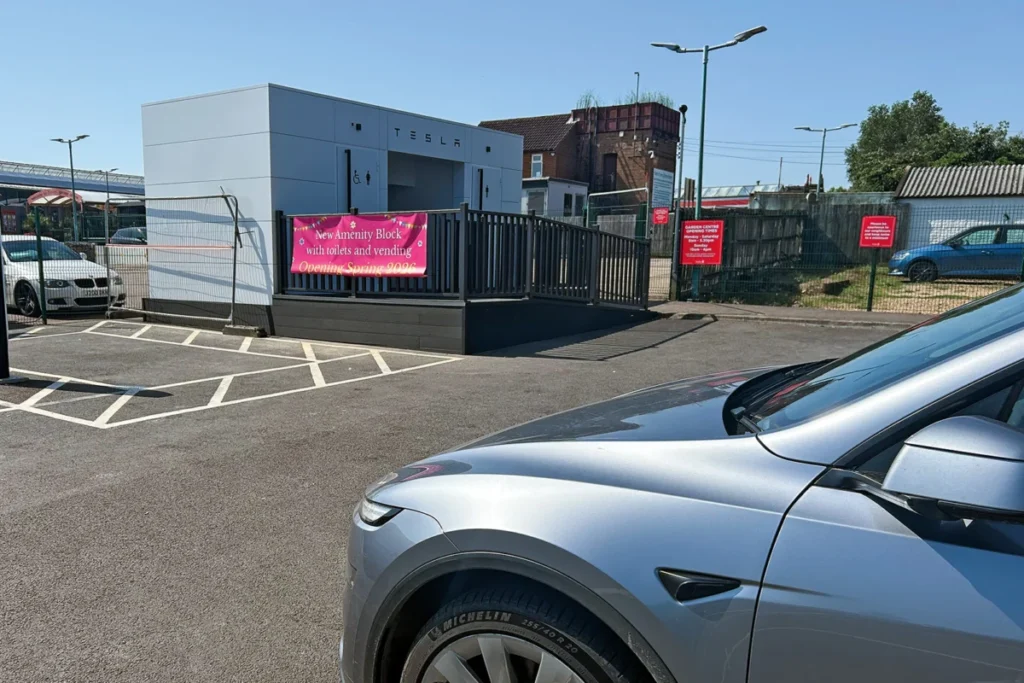
Tesla has consistently demonstrated an uncanny ability to anticipate and shape the electric vehicle (EV) landscape, often setting benchmarks that competitors strive to match. Initially, its pioneering status as the first mass-market EV manufacturer provided a significant head start. This was further amplified by the development of its proprietary Supercharger network, which offered a demonstrably superior charging experience – characterized by lower costs, greater convenience, and enhanced reliability compared to third-party alternatives, circumventing the need for multiple apps or manual payment processes. This strategic focus on the holistic ownership experience, even extending to seemingly niche aspects, continues to define Tesla’s approach.
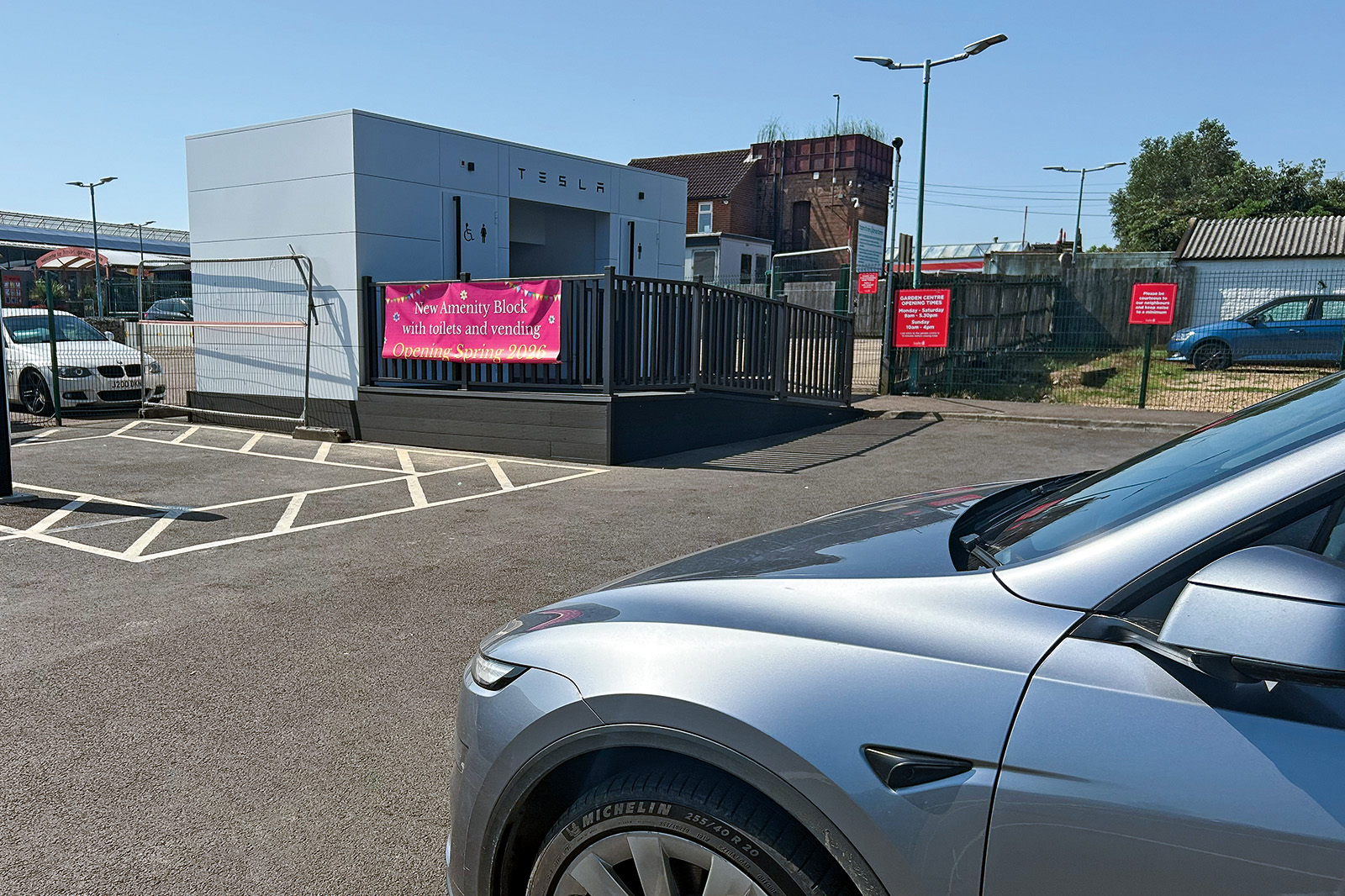
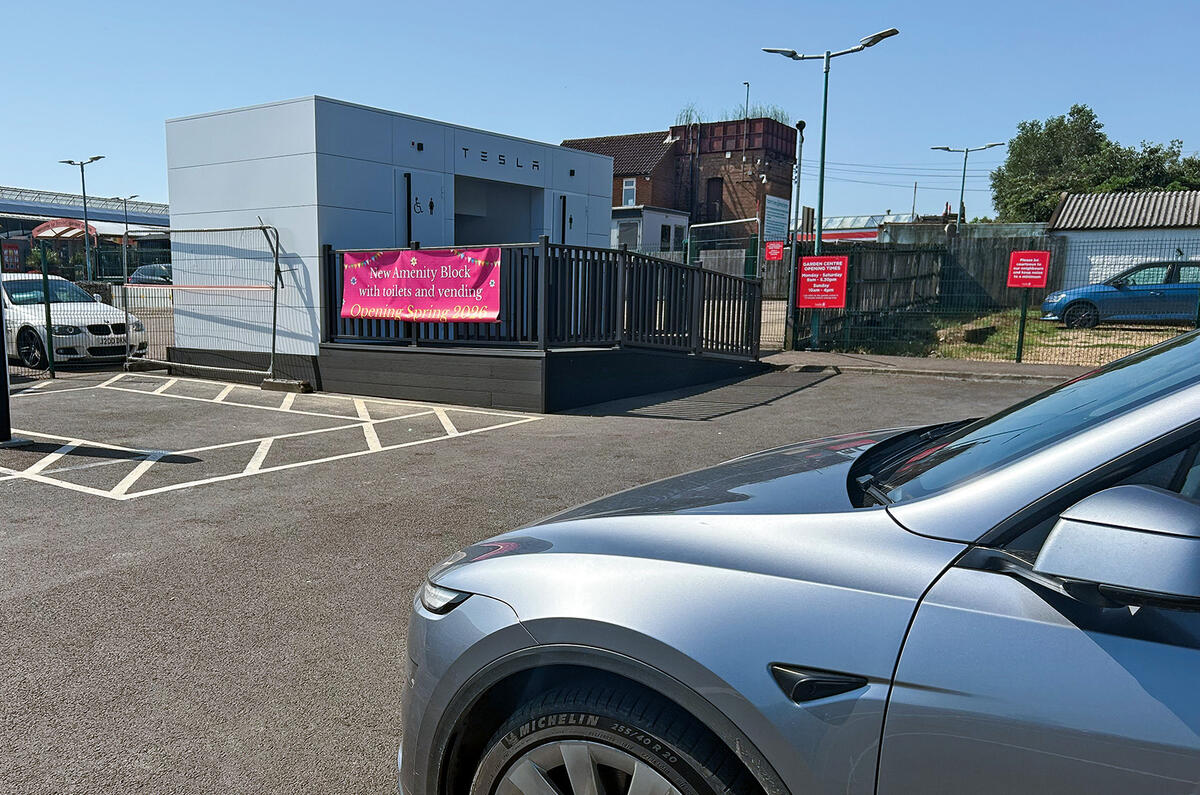
The recent exploration of the Tesla Model Y’s ownership journey has brought to light some rather unconventional, yet surprisingly insightful, features, including the titular "Tesla toilets" and integrated "pet protectors." While these might initially appear as peculiar additions, they underscore Tesla’s unwavering commitment to addressing the practical, and sometimes overlooked, needs of its customer base. This article delves into these unique aspects, examining their context, functionality, and what they reveal about Tesla’s broader strategy in the increasingly competitive EV market.
The Genesis of Unconventional Features: Addressing Real-World Needs
Tesla’s product development philosophy often diverges from traditional automotive design. Instead of solely focusing on performance metrics and luxury appointments, the company frequently prioritizes the integration of technology and the enhancement of everyday usability. This user-centric approach, informed by direct feedback and an understanding of emerging lifestyle trends, has led to the incorporation of features that might seem unusual at first glance but serve a practical purpose for specific user demographics.
The concept of a "Tesla toilet" within the context of the Model Y is not a literal plumbed restroom but rather a cleverly designed, portable sanitation solution. This is particularly relevant for owners who engage in activities like camping, long road trips, or who may require emergency facilities when away from conventional restrooms. In an era where overlanding and van life have gained significant traction, and where the freedom of exploration is a key selling point for EVs, the provision of such a utility addresses a tangible need for self-sufficiency and comfort.
Similarly, the "pet protectors" are not simply aesthetic add-ons. They represent a thoughtful consideration for pet owners who frequently transport their animals in their vehicles. These protective measures likely encompass features such as durable, easy-to-clean seat covers, integrated harnesses or restraints, and potentially even climate control adjustments tailored for animal comfort and safety. This demonstrates an understanding that EVs are not just modes of transport but extensions of people’s lives, which often include beloved pets.
A Chronology of Innovation and User-Centric Design
Tesla’s journey has been marked by a series of innovations that have progressively refined the EV ownership experience.
- 2008: The introduction of the Roadster marked Tesla’s entry into the automotive market, showcasing the potential of electric performance.
- 2012: The Model S launched, revolutionizing the perception of electric sedans with its long range, advanced technology, and minimalist interior. This period also saw the early development of the Supercharger network.
- 2015: The Model X debuted, introducing falcon-wing doors and a focus on family utility, further demonstrating Tesla’s willingness to experiment with unconventional design.
- 2017: The Model 3 began production, aiming to bring Tesla’s technology and EV benefits to a more mainstream audience. This car’s success was contingent on making EV ownership accessible and practical for a wider demographic.
- 2020: The Model Y compact SUV was launched, quickly becoming one of the world’s best-selling vehicles. Its popularity underscored the demand for practical, versatile electric vehicles. It is within this period and subsequent updates that more niche, lifestyle-oriented accessories and features have become more prominent, reflecting a maturation of the brand’s understanding of its diverse customer base. The integration of features like the "pet protectors" and the availability of portable sanitation solutions align with the Model Y’s positioning as a vehicle for active lifestyles and families.
The development and offering of these specific features can be seen as a natural evolution of Tesla’s strategy. As the EV market matures and Tesla’s customer base diversifies, the company has been able to allocate resources and attention to addressing a broader spectrum of user needs beyond the core driving and charging experience. This iterative process of listening to customers and incorporating practical solutions into their vehicle ecosystem is a hallmark of Tesla’s approach.
Supporting Data and Market Trends
The growing demand for EVs is accompanied by shifting consumer preferences and lifestyle choices. Data from various automotive industry reports highlights several key trends that lend credence to Tesla’s inclusion of such features:
- Growth in Outdoor Recreation and Travel: Post-pandemic, there has been a significant surge in interest in outdoor activities, camping, and road trips. According to a 2022 report by the Outdoor Industry Association, outdoor recreation contributed $862 billion to the U.S. economy in 2021, indicating a substantial market of consumers who value experiences and may require vehicles equipped for such pursuits.
- Pet Ownership: Pet ownership remains exceptionally high globally. In the United States, for instance, an estimated 70% of households own at least one pet, according to the American Veterinary Medical Association. This large demographic often seeks vehicles that can accommodate their furry companions comfortably and safely.
- The "All-in-One" Vehicle Concept: Consumers are increasingly looking for vehicles that can serve multiple purposes, from daily commuting to long-distance adventures. The versatility of SUVs and crossovers, like the Model Y, makes them prime candidates for this all-encompassing role. Tesla’s accessories and feature set aim to enhance this versatility.
- EV Charging Infrastructure Expansion: While Tesla’s Supercharger network is a significant advantage, the overall expansion of EV charging infrastructure globally means that owners are more confident in undertaking longer journeys. This, in turn, increases the relevance of onboard amenities that support extended travel and self-sufficiency.
These market dynamics provide a robust justification for Tesla’s seemingly unconventional product decisions. By catering to these evolving consumer behaviors and needs, Tesla is not only differentiating itself but also potentially expanding the addressable market for its vehicles.
Official Responses and Strategic Implications
While Tesla rarely engages in extensive public relations campaigns for individual accessories, the availability and promotion of these items through its official channels, including the Tesla Shop and in-app features, indicate their strategic importance. The company’s approach is often to let the product speak for itself, relying on organic discovery and word-of-mouth.
From a strategic standpoint, these features serve several key purposes:
- Enhancing Brand Loyalty: By offering solutions that directly address specific customer pain points or enhance lifestyle pursuits, Tesla fosters a deeper connection with its owners, thereby increasing brand loyalty and reducing the likelihood of switching to competitors.
- Differentiating in a Crowded Market: As more automakers introduce compelling EVs, niche features and a superior ownership experience become critical differentiators. Tesla’s willingness to innovate beyond traditional automotive parameters helps it maintain its unique market position.
- Creating Ancillary Revenue Streams: The Tesla Shop is a significant source of revenue, offering a range of accessories from charging equipment to lifestyle products. Features like integrated pet protectors and portable sanitation solutions contribute to this ecosystem, generating additional income for the company.
- Reinforcing the "Tesla Ecosystem": These accessories are part of a broader strategy to create a comprehensive Tesla ecosystem that extends beyond the vehicle itself. This ecosystem aims to simplify and enhance various aspects of EV ownership, making the transition to electric more seamless and appealing.
The implications of this strategy are far-reaching. It suggests a future where automotive manufacturers play a more integrated role in their customers’ lifestyles, offering solutions that extend beyond the immediate functionality of transportation. Tesla’s proactive approach in identifying and addressing these needs positions it as a leader not just in EV technology, but also in understanding and serving the evolving demands of modern consumers.
Broader Impact and Future Outlook
The inclusion of features like the "Tesla toilets" and "pet protectors" is more than just a quirky marketing tactic; it reflects a sophisticated understanding of the modern consumer and the evolving role of the automobile. As the EV market continues to expand and mature, the emphasis on the holistic ownership experience will only intensify.
Tesla’s competitors are likely observing these developments closely. While some may find these specific features too niche, the underlying principle of addressing practical, lifestyle-oriented needs is a valuable lesson. The automotive industry may see a trend towards more integrated, lifestyle-focused vehicle accessories and services.
For instance, as the concept of the "third space" – a place between home and work – becomes more prominent, vehicles could evolve into versatile hubs for work, leisure, and even temporary living. Features that support extended stays, remote work, or specialized hobbies will become increasingly sought after.
In conclusion, Tesla’s Model Y, with its seemingly unconventional features, offers a compelling glimpse into the future of automotive design and ownership. By prioritizing practical solutions that cater to diverse lifestyles and needs, Tesla continues to demonstrate its leadership in not only electric vehicle technology but also in shaping the broader landscape of personal mobility. The "Tesla toilet" and "pet protector" are not just accessories; they are indicators of a forward-thinking approach that places the owner’s entire experience at the forefront of innovation.