The Raspberry Pi Foundation has officially unveiled a comprehensive set of eight guiding principles designed to govern the development and implementation of educational technology, signaling a significant shift in how the organization approaches digital tools for young people. This initiative comes at a critical juncture for the technology sector, as global concerns regarding the impact of digital platforms on the mental health, privacy, and cognitive development of children reach an all-time high. By establishing these formal guardrails, the Foundation aims to move beyond mere compliance with existing regulations, seeking instead to set a new global standard for "safety by design" in the educational technology (EdTech) space.
The announcement reflects a broader movement within the technology and education sectors to address the unintended consequences of the digital age. For over a decade, the Raspberry Pi Foundation has been a cornerstone of global computer science education, providing hardware and software tools to millions of students and educators. However, as the organization expands its digital offerings—including its specialized Code Editor and various online learning platforms—it has recognized that the technological landscape has become increasingly fraught with risks related to data harvesting, algorithmic manipulation, and the erosion of human-centered learning.
The Evolving Digital Landscape and the Crisis of Trust
The backdrop for this initiative is a growing body of scientific research and public discourse linking prolonged exposure to certain digital environments with declining mental health outcomes in adolescents. Recent studies have highlighted correlations between high social media usage and increased rates of anxiety, depression, and sleep deprivation among school-aged children. Furthermore, the "attention economy"—a business model predicated on maximizing user engagement through persuasive design and algorithmic feeds—has come under intense scrutiny for its role in diminishing the attention spans of young learners.
Public sentiment has shifted accordingly. According to recent surveys, a vast majority of parents and educators now support stricter regulations on how technology is used in schools. This shift in attitude has already manifested in tangible policy changes worldwide. In 2023, UNESCO issued a global call for schools to ban smartphones, arguing that the devices cause classroom disruption, compromise student privacy, and lead to cyberbullying. Countries such as France, Italy, and more recently the United Kingdom, have implemented or strengthened restrictions on mobile device usage during the school day.
In this climate, the Raspberry Pi Foundation’s move is seen as a proactive attempt to reclaim public trust. The Foundation’s leadership argues that technology is not a neutral force; rather, the architectural choices made during the design phase can either safeguard a child’s wellbeing or expose them to systemic harm. By publishing these principles, the organization is acknowledging that the tech sector can no longer assume "automatic" trust from the public and must instead prove its commitment to the best interests of the child.
A Chronology of Digital Rights and EdTech Responsibility
The development of these principles did not occur in a vacuum. It is the result of years of evolving international standards regarding children’s rights in the digital sphere. To understand the significance of this framework, it is necessary to examine the timeline of events that led to its creation:
- 1989: The UN Convention on the Rights of the Child (UNCRC) is adopted, establishing the fundamental rights of children globally, though it predates the modern internet.
- 2012: The Raspberry Pi Foundation launches its first low-cost computer, sparking a global movement in "maker" culture and accessible coding education.
- 2021: The United Nations issues General Comment No. 25, a landmark document that explicitly details how children’s rights apply to the digital environment, emphasizing that children should have access to digital technologies but must be protected from exploitation.
- 2022-2023: Organizations like UNICEF and the 5Rights Foundation release practical frameworks, such as "Responsible Innovation in Technology for Children" (RITECH) and "Child Rights by Design," providing blueprints for ethical product development.
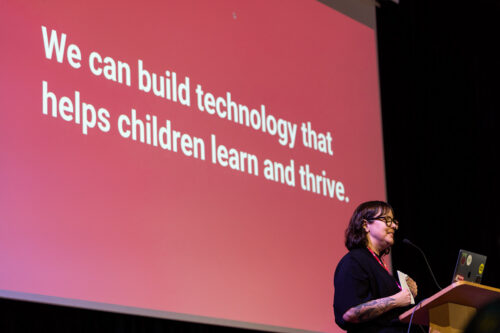
- July 2024: Laura Kirsop and other leaders at the Raspberry Pi Foundation present the draft principles at the Raspberry Fields summit, inviting feedback from the global education community.
- Present Day: The Foundation formalizes the eight principles as a statement of intent for all future product development, from hardware interfaces to AI-supported software.
The Eight Pillars of Responsible EdTech Innovation
The framework established by the Foundation is categorized into eight distinct pillars, each addressing a specific area of concern in the modern digital ecosystem.
1. Prioritizing the Best Interests of the Child: The Foundation asserts that the wellbeing of the user must outweigh commercial metrics such as growth, speed, or engagement. This involves a holistic view of wellbeing that includes emotional health, social relationships, and the agency to create rather than just consume.
2. Supporting Human Relationships: In an era where artificial intelligence is increasingly touted as a replacement for human instruction, the Foundation maintains that technology should serve to strengthen the bonds between students, teachers, and parents. This principle ensures that AI features are used as assistive tools rather than autonomous decision-makers in a child’s education.
3. Minimalist Data Collection: One of the most striking statistics cited by digital rights advocates is that by the time a child turns 13, approximately 72 million pieces of personal data have been collected about them by various commercial entities. The Raspberry Pi Foundation commits to collecting only the absolute minimum data required for learning and impact measurement, with a strict prohibition on the sale of student data.
4. Evidence-Led Design for Learning: Moving away from "gamified" features that keep users "hooked," the Foundation’s products will be grounded in cognitive science and pedagogical research. The goal is to ensure that the technology actually facilitates learning outcomes rather than just maximizing time spent on the platform.
5. Participatory Design with Stakeholders: The Foundation emphasizes that children and educators are the primary experts on their own needs. Future product development will involve direct research and testing with these groups to ensure their voices shape the final output.
6. Designing for Diversity and Accessibility: Acknowledging the "digital divide," this principle ensures that tools are built for various levels of connectivity and different physical or cognitive abilities. The technology is intended to adapt to the user’s context, rather than requiring the user to adapt to the technology.
7. Transparency and Accountability: The Foundation pledges to use plain, accessible language to explain how its systems work and how data is utilized. This includes providing clear channels for users to challenge or question automated decisions.
8. Global Application of High Standards: In a significant move for a global organization, the Foundation has committed to applying the highest international standards of children’s rights across all jurisdictions, even in regions where local laws may be less stringent.
Data Privacy and the Protection of the Digital Self
The commitment to data privacy is perhaps the most critical component of the new framework. The modern EdTech industry has often been criticized for its "data-hungry" nature. Many platforms utilize tracking pixels and cookies to build sophisticated profiles of young users, which can later be used for targeted advertising or behavioral manipulation.
By adhering to a "minimum data" policy, Raspberry Pi is challenging the industry’s status quo. The Foundation’s stance is that a child’s digital footprint should not be a commodity. This approach aligns with the UK’s Age Appropriate Design Code (AADC) and the European Union’s General Data Protection Regulation (GDPR), but it goes further by applying these protections globally. Experts suggest that if more EdTech providers adopted this "data-minimalist" approach, it would significantly reduce the risk of identity theft and psychological profiling that currently plagues the digital landscape for minors.
Analysis of Broader Impact and Industry Implications
The implications of the Raspberry Pi Foundation’s new principles extend far beyond its own product line. As a highly influential non-profit in the STEM education sector, its adoption of these standards serves as a challenge to for-profit EdTech companies.
Industry analysts suggest that we are entering an era of "Ethical EdTech." Just as the food industry underwent a transformation regarding nutritional labeling and safety standards, the technology sector is facing a "reckoning" regarding its impact on the developing brain. Organizations that fail to prioritize safety and transparency may find themselves excluded from school procurement processes as governments tighten their regulatory grip.
However, implementing these principles is not without its challenges. Critics and industry observers point out that "Safety by Design" often requires more time and financial resources than traditional development cycles. For smaller startups in the EdTech space, the cost of rigorous impact evaluation and participatory design could be prohibitive. By calling for a coalition of like-minded organizations, the Raspberry Pi Foundation is attempting to create a shared resource pool and a unified voice that could help lower these barriers for the entire sector.
Conclusion: A Statement of Intent for the Future
The Raspberry Pi Foundation has been clear that these principles are a "statement of intent" rather than a claim of perfection. The organization acknowledges that as technology—particularly generative AI—continues to evolve at a breakneck pace, the framework will need constant refinement.
The Foundation is currently seeking feedback from a broad spectrum of stakeholders, including researchers, parents, and policymakers, to stress-test these principles in real-world scenarios. By opening its processes to "honest challenge," the organization hopes to foster a culture of accountability that is often missing in the Silicon Valley "move fast and break things" ethos.
Ultimately, the success of this initiative will be measured by its ability to influence the wider market. If the Raspberry Pi Foundation can prove that it is possible to build world-class, engaging, and effective educational tools while strictly adhering to these ethical guardrails, it may well provide the blueprint for a safer digital future for the next generation of creators. In a world increasingly dominated by algorithms, the Foundation’s focus on human relationships and the "best interests of the child" offers a necessary course correction for the future of global education.