The Raspberry Pi Foundation, a global leader in computing education, has officially unveiled a comprehensive framework of eight guiding principles designed to ensure that educational technology is developed safely, ethically, and in the best interests of children. This move comes at a critical juncture for the technology sector, as a growing body of scientific research and public discourse links the proliferation of social media, smartphones, and algorithmic platforms to a decline in mental health and cognitive attention spans among young people. As governments and educators worldwide implement increasingly stringent restrictions on digital devices in schools, the Foundation’s initiative seeks to restore public trust by prioritizing human-centric design over traditional metrics of growth and engagement.
The Evolving Landscape of Digital Childhood
The digital environment for children has undergone a radical transformation over the last decade. What was once a tool for exploration and creativity has, in many instances, become a source of surveillance and distraction. According to the United Nations Educational, Scientific and Cultural Organization (UNESCO), the spread of school phone bans is accelerating globally, with countries such as France, Italy, and the United Kingdom taking firm stances to protect the learning environment from the intrusive nature of mobile technology. This shift in policy reflects a broader societal realization that technology is not neutral; the architectural choices made by developers can either foster a child’s development or embed long-term harm.
The Raspberry Pi Foundation, whose technology is utilized by millions of students and educators across the globe, recognizes that the tech sector can no longer take public confidence for granted. The organization’s leadership argues that the current moment demands a "calm, evidence-led response" rather than a reactionary one. By formalizing their commitment to responsible innovation, the Foundation aims to move beyond mere compliance with local laws, instead striving for a universal standard of digital rights that protects children regardless of their geographic location.
A Foundation Built on International Research
The newly announced principles are not an isolated effort but are deeply rooted in decades of existing research into children’s digital rights. The Foundation has explicitly aligned its approach with several landmark frameworks, including the United Nations’ General Comment No. 25 (2021), which provides a legal roadmap for how the Convention on the Rights of the Child applies to the digital world. Furthermore, the Foundation has integrated insights from UNICEF’s Responsible Innovation in Technology for Children (RITEC) framework and the Digital Futures Commission’s "Child Rights by Design" principles.
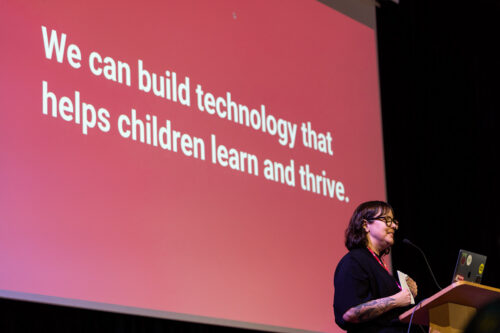
This research-led approach is a hallmark of the Foundation’s operations. During the Raspberry Fields summit in July, Laura Kirsop presented the draft principles to an international audience of educators and technologists, emphasizing that the goal is to build technology that helps children thrive rather than simply capturing their data. By standing on the shoulders of organizations like the 5Rights Foundation and UNICEF, Raspberry Pi is signaling that the era of "move fast and break things" in the education sector must be replaced by a more deliberate and ethical methodology.
Detailed Analysis: The Eight Principles of Responsible EdTech
The core of the Foundation’s announcement lies in eight specific commitments that will now govern the development and operation of all Raspberry Pi products and services. These principles represent a significant departure from standard industry practices in the following ways:
1. Prioritizing the Best Interests of the Child
The Foundation asserts that wellbeing encompasses more than just safety and privacy; it includes a child’s agency, emotional health, and the freedom to create. Crucially, the Foundation acknowledges that putting children first may occasionally require making business decisions that sacrifice user growth, platform engagement, or speed of deployment.
2. Supporting Human Relationships
In an era of increasing automation, the Foundation maintains that technology should strengthen, not replace, the bonds between students, teachers, and caregivers. This principle is particularly relevant to the integration of Artificial Intelligence (AI). The Foundation pledges that any AI-supported features will remain under human control, ensuring that machines do not make autonomous decisions regarding a child’s learning path or emotional wellbeing.
3. Data Minimization and Privacy
The scale of data collection targeting minors is staggering. Research cited by the 5Rights Foundation suggests that by the time a child turns 13, more than 72 million pieces of personal data will have been collected about them by various digital services. Raspberry Pi has committed to collecting only the absolute minimum amount of data required to facilitate learning and measure impact. Furthermore, they have issued a definitive pledge: they do not sell user data, and they never will.
4. Evidence-Based Design for Learning
Unlike many consumer-grade apps that utilize "dark patterns" or gamified "hooks" to maximize time-on-device, Raspberry Pi’s products are designed based on pedagogical evidence. The focus is on actual learning outcomes rather than addictive engagement loops. The Foundation intends to continuously evaluate their products to prove their educational efficacy.
5. Inclusive Co-Design Processes
The Foundation believes that children and educators are the true experts on their own needs. Rather than designing for them, Raspberry Pi designs with them. This involves deep integration of user feedback during the research and testing phases, ensuring that the voices of young people directly shape the final product.
6. Designing for Diverse Needs and Contexts
Recognizing the global digital divide, the Foundation’s technology is built to be adaptable. This means designing for environments where high-speed internet is not a guarantee and for users with varying levels of digital literacy or physical abilities. The technology must adapt to the human, not the other way around.
7. Transparency and Accountability
To bridge the gap between complex systems and user understanding, the Foundation commits to using plain, non-legalistic language to explain how their products work and how data is utilized. They also provide clear channels for users to challenge or question the decisions made by their digital systems.
8. Universal Application of High Standards
A central tenet of the Foundation’s philosophy is that a child’s digital rights should not be determined by their zip code. In regions where local regulations are lax or outdated, Raspberry Pi will apply the highest international standards of protection, ensuring a consistent level of safety for all users worldwide.
Chronology of Development and Future Implementation
The development of these principles has followed a rigorous timeline. The process began with an internal audit of existing products against international human rights frameworks. In early 2024, the Foundation began synthesizing research from UNICEF and the UN to create a localized version of these standards tailored to the edtech sector.
In July 2024, at the Raspberry Fields summit in Cambridge, the draft principles were first shared with the public. This event served as a "stress test" for the framework, allowing practitioners to provide immediate feedback. Currently, the Foundation is in a phase of "regulatory mapping," where they are aligning these principles with the evolving legal requirements of the various countries in which they operate, such as the UK’s Online Safety Act and the EU’s AI Act.
The next phase involves the creation of a rigorous assessment toolkit. This will allow the Foundation to audit its own products—such as the Raspberry Pi Code Editor—against the eight principles. This self-assessment will be an ongoing process, evolving alongside technological advancements.
Supporting Data: The Impact of Unregulated Tech on Youth
The urgency of these principles is underscored by recent data. A 2023 report by the Digital Futures Commission highlighted that many educational tools used in classrooms lack basic privacy protections, often sharing data with third-party advertisers. Furthermore, the UNESCO 2023 Global Education Monitoring Report warned that the uncritical integration of technology in schools often fails to improve learning outcomes and can exacerbate social exclusion.
By committing to "Data Minimization" (Principle 3) and "Evidence-Based Design" (Principle 4), Raspberry Pi is addressing these specific industry failures. The statistic regarding the 72 million data points collected on children by age 13 serves as a sobering reminder of the "surveillance capitalism" model that many tech firms have historically followed—a model Raspberry Pi is now explicitly rejecting.
Broader Implications and Industry Call to Action
The Raspberry Pi Foundation’s announcement is likely to send ripples through the edtech industry. As a major player in both hardware and software, their adoption of these principles sets a benchmark that other organizations—both non-profit and commercial—may feel pressured to follow.
The Foundation has been transparent about the fact that they are "committed, not perfect." They acknowledge that as technology and regulations change, their approach must also evolve. To this end, they have issued a call for collaboration, seeking to build a coalition of like-minded organizations to share best practices and raise standards across the entire education sector.
By inviting honest challenges from researchers, parents, and policymakers, Raspberry Pi is attempting to foster an ecosystem of accountability. This proactive stance suggests a shift in the tech industry’s narrative: moving away from a defensive posture regarding regulation and toward a leadership role in ethical innovation.
As the digital world becomes increasingly integrated into the fabric of childhood education, the implementation of these eight principles represents a significant step toward a future where technology serves as a safe, empowering, and humanizing force for the next generation of creators.