The Raspberry Pi Foundation has officially announced a significant expansion of its global "Experience AI" initiative, targeting the educational landscapes of Australia and Aotearoa New Zealand. Supported by a generous $1.2 million grant from Google.org, the philanthropic arm of Google, this expansion aims to equip 5,000 educators with the tools and knowledge necessary to bring artificial intelligence literacy to approximately 150,000 students by the year 2028. This move marks a pivotal step in the foundation’s mission to democratize technology education, ensuring that young people in the Oceania region are not merely consumers of AI, but informed critics and creators of the technology that is increasingly defining the modern world.
The program, which was co-developed by the Raspberry Pi Foundation and Google DeepMind, is designed to provide a comprehensive, research-based curriculum that addresses the complexities of artificial intelligence. By collaborating with local educational organizations, the foundation intends to bridge the gap between theoretical technology and practical, ethical understanding. The initiative comes at a time when the global education sector is grappling with the rapid integration of generative AI tools in classrooms, highlighting an urgent need for structured, high-quality resources that can be adapted to local cultural and systemic contexts.
The Evolution and Global Impact of Experience AI
The Experience AI program was born out of a necessity to demystify the "black box" of artificial intelligence for the younger generation. Since its inception, the program has scaled rapidly, reflecting the global demand for AI literacy. To date, the initiative has successfully trained over 50,000 educators worldwide, reaching an estimated 4.8 million young people. The curriculum is currently utilized in over 195 countries and has been translated into 22 languages, making it one of the most accessible AI education platforms globally.
In early 2025, the program received international acclaim when it was named a laureate of the UNESCO King Hamad Bin Isa Al-Khalifa Prize for the Use of ICT in Education. This prestigious recognition underscored the program’s effectiveness in using technology to enhance learning and its commitment to educational equity. The expansion into Australia and New Zealand represents a continuation of this momentum, focusing on regions where digital transformation is high, but the integration of AI into formal school curricula remains in a state of flux.
The core philosophy of Experience AI rests on the belief that AI literacy is a fundamental right in the 21st century. As AI systems influence everything from information access to workforce automation, the foundation argues that students must understand the underlying mechanics of these systems. This includes learning about data bias, algorithmic transparency, and the socio-economic implications of automated decision-making. By providing free, high-quality classroom resources and hands-on activities, the program empowers teachers—many of whom may not have a background in computer science—to lead these essential conversations.
Strategic Partnerships in Australia: The CSER Initiative
In Australia, the Raspberry Pi Foundation has entered into a strategic partnership with the Computer Science Education Research Group (CSER), based at the University of Adelaide. CSER has long been a leader in digital literacy research and teacher professional development in Australia, making them a natural fit for the localized delivery of the Experience AI program.
Professor Katrina Falkner, Pro-Vice-Chancellor of Learning and Teaching at the University of Adelaide, emphasized the critical nature of this partnership in the current educational climate. According to Professor Falkner, the program is not just about technical proficiency but about fostering "self-regulated learning skills." She noted that educators play a vital role in ensuring that a "human lens" remains at the center of AI adoption. This includes maintaining a focus on critical thinking, ethical judgment, and creativity—traits that remain uniquely human even as AI tools become more sophisticated.
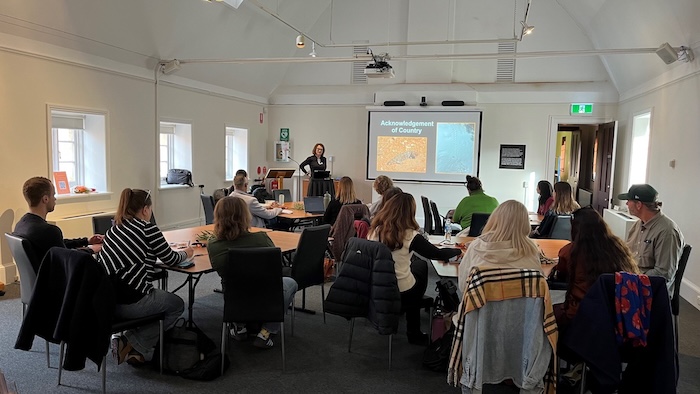
The Australian component of the program will focus on providing teachers with the confidence to integrate AI topics into existing subjects, ranging from STEM to the humanities. This cross-disciplinary approach is essential, as AI’s impact is not confined to the tech sector. By training 5,000 educators across the continent, the program seeks to create a ripple effect, where informed teachers can guide students through the complexities of AI-driven careers and the ethical dilemmas they may encounter in their professional and personal lives.
Aotearoa New Zealand: Cultural Context and Digital Equity
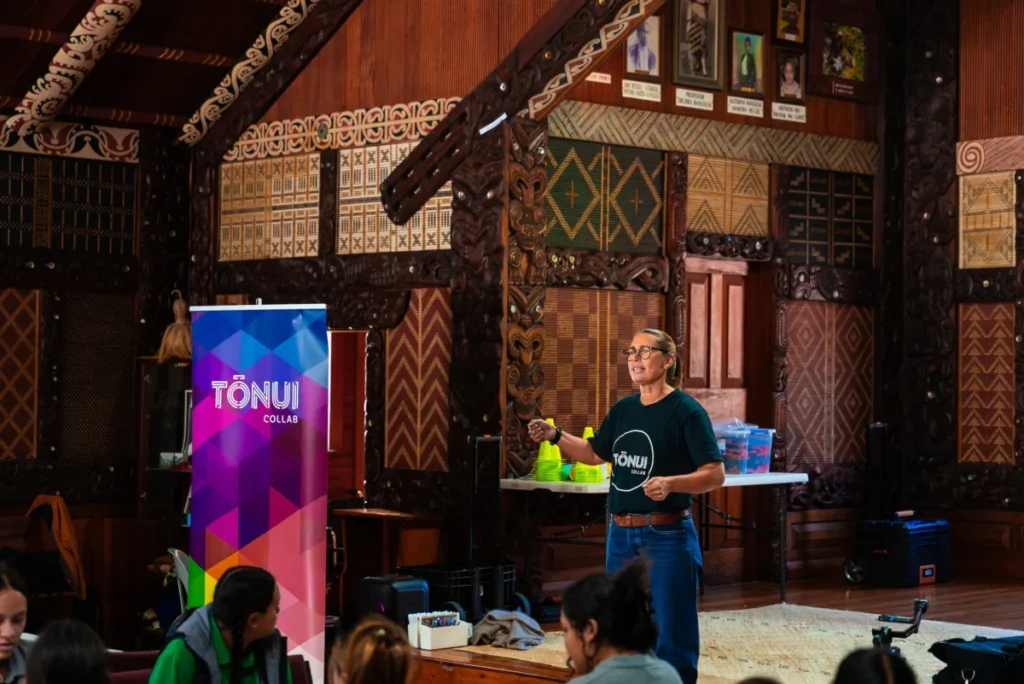
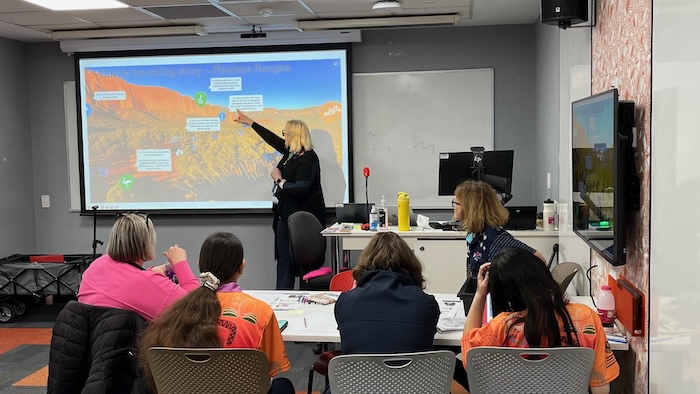
In Aotearoa New Zealand, the expansion takes on a specialized focus through a partnership with the Tōnui Collab Charitable Trust. As a Māori-led organization, Tōnui Collab is dedicated to creating innovative STEM (Science, Technology, Engineering, and Mathematics) learning opportunities that are culturally grounded and inclusive. The partnership aims to adapt the global Experience AI curriculum to ensure it is meaningful and relevant within the specific cultural and educational framework of New Zealand.
Shanon O’Connor, Director of Tōnui Collab, highlighted that this initiative is fundamentally about fostering "digital equity." In the context of New Zealand, this means ensuring that the "digital divide" does not expand into a "digital chasm" that leaves indigenous and marginalized communities behind. The program in Aotearoa will facilitate robust discussions regarding data bias—particularly how AI technologies may disproportionately affect Māori communities—and will incorporate "tech tikanga," or the customary practices and ethical responsibilities associated with technology use.
The inclusion of Māori perspectives is a significant enrichment of the Experience AI program. It acknowledges that technology is not value-neutral and that the data used to train AI systems often carries historical and social biases. By creating a space for "kōrero" (conversation) about these issues, Tōnui Collab and the Raspberry Pi Foundation are ensuring that the next generation of New Zealanders is equipped to advocate for more equitable and transparent AI systems.
Chronology of Development and Future Milestones
The timeline for the Experience AI expansion is ambitious, reflecting the urgency of the AI revolution. The program’s rollout is structured to ensure sustainability and long-term impact:
- 2023–2024: Development and global launch of Experience AI resources in collaboration with Google DeepMind; establishment of the first wave of international partners.
- Early 2025: Recognition by UNESCO; initial pilot programs and stakeholder consultations in Australia and New Zealand.
- Late 2025: Official launch of the $1.2 million Google.org-funded expansion; commencement of localized teacher training workshops in Adelaide and via Tōnui Collab.
- 2026–2027: Scaling of the program to rural and underserved regions in both countries; translation and adaptation of materials into Te Reo Māori and contextualized Australian examples.
- 2028: Achievement of the target: 5,000 trained educators and 150,000 students actively engaged with the Experience AI curriculum.
This chronology demonstrates a shift from general awareness to localized, deep-impact implementation. By setting a 2028 target, the partners have established a clear benchmark for success, allowing for iterative improvements based on feedback from the participating schools.
Supporting Data and the Economic Necessity of AI Literacy
The drive for AI literacy is backed by compelling data regarding the future of the global economy. Reports from organizations such as the OECD and the World Economic Forum suggest that a significant percentage of jobs will be transformed by AI within the next decade. In Australia and New Zealand, where the tech sector is a major contributor to GDP, the demand for AI-literate workers is expected to outpace supply.
Furthermore, research indicates a widening gap in teacher confidence. While many educators recognize the importance of AI, a substantial number report feeling under-equipped to teach it effectively. The Experience AI program addresses this directly by providing "off-the-shelf" lesson plans that are grounded in pedagogical research. By removing the barrier of resource creation, the program allows teachers to focus on delivery and student engagement.
The $1.2 million investment from Google.org is part of a broader commitment to digital skills. Historically, philanthropic investments in STEM education have shown a high return on investment in terms of student career aspirations and economic mobility. By targeting 150,000 students, the program is effectively preparing a substantial portion of the future workforce for a reality where AI collaboration is a standard requirement.
Analysis of Broader Implications and Educational Policy
The expansion of Experience AI into the ANZ region carries significant implications for educational policy and the broader social contract regarding technology. First, it signals a shift away from "coding-only" education. While coding remains important, the rise of AI suggests that understanding system logic, data ethics, and prompt engineering may become equally critical skills.
Second, the program emphasizes the role of "human-centric" AI. By focusing on ethics and social implications, the Raspberry Pi Foundation is addressing one of the primary concerns of AI critics: that technology is developing faster than our ability to regulate or understand its consequences. By educating the youth, the program creates a more discerning public that can hold technology companies and policymakers accountable.
Finally, the localized approach in Australia and New Zealand serves as a model for other regions. The partnership with an indigenous-led organization like Tōnui Collab proves that global tech initiatives can—and should—be adapted to respect and incorporate local knowledge systems. This not only improves the effectiveness of the education but also ensures that the benefits of AI are shared more broadly across society.
As the program moves toward its 2028 goals, the focus will remain on sustainability. The Raspberry Pi Foundation and its partners aim to create a self-sustaining ecosystem of educators who can continue to mentor their peers, ensuring that AI literacy becomes a permanent fixture of the Australian and New Zealand school systems. Through this collaborative effort, the next generation of students in the Pacific will be prepared to navigate, challenge, and ultimately shape the digital future.