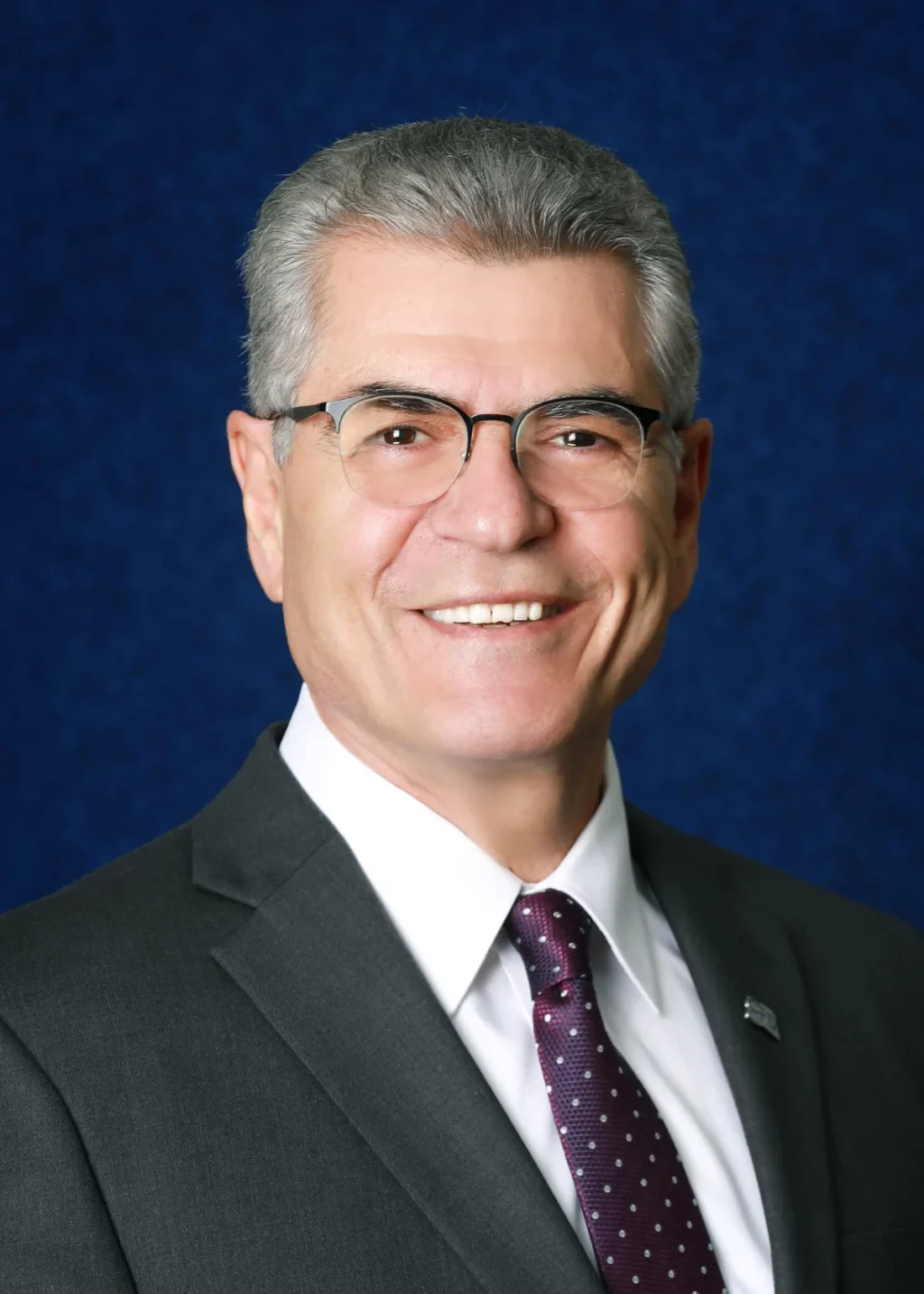
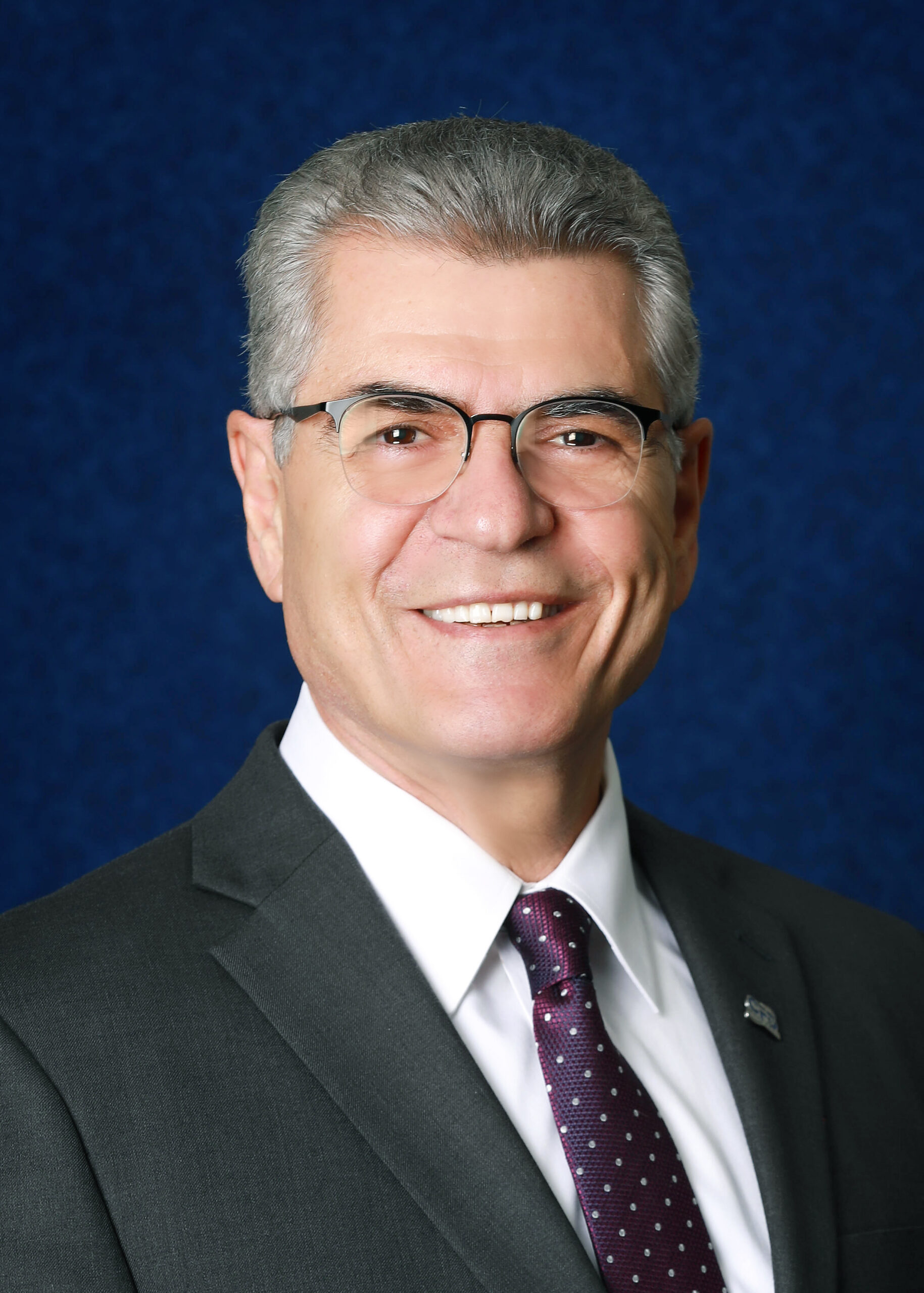
The aerospace and defense industry mourns the loss of Sami D. Habchi, a distinguished leader and innovator, who passed away on February 28, 2026, at the age of 68. For over three decades, Habchi was a pivotal figure at CFD Research Corporation, where his technical acumen and unwavering dedication left an indelible mark on numerous critical programs. He served as Executive Vice President of the Aerospace & Defense Solutions Division for the last 15 years of his illustrious career, guiding the company’s efforts in some of the most significant technological advancements in national security and space exploration.
Born in Deir El Ahmar, Lebanon, Habchi’s journey to the forefront of American aerospace was one of ambition and intellectual pursuit. He immigrated to the United States and pursued higher education at Louisiana State University, earning his Master of Science in Mechanical Engineering in 1986. This academic foundation set the stage for a career defined by problem-solving and engineering excellence.
A Legacy Forged at CFD Research
Habchi’s professional life was intrinsically linked to CFD Research Corporation, where he began his tenure in 1987. Over his more than 38 years with the company, he transitioned from an engineer to a visionary leader, demonstrating a remarkable ability to not only understand complex technical challenges but also to inspire teams to overcome them. His leadership in the Aerospace & Defense Solutions Division was characterized by a deep understanding of the unique demands of these sectors, fostering a culture of innovation and rigorous scientific inquiry.
His technical contributions spanned a wide array of critical applications. Habchi was instrumental in advancements related to Navy ejection seats, a testament to his commitment to enhancing the safety and effectiveness of military personnel. This work likely involved sophisticated computational fluid dynamics (CFD) simulations to optimize seat performance under extreme conditions, ensuring the highest levels of reliability and survivability for aviators. Such contributions are vital in an operational environment where every second and every component can mean the difference between life and death.
Beyond military applications, Habchi played a pivotal role in some of NASA’s most ambitious endeavors. His involvement in NASA’s Columbia return-to-flight efforts underscored the immense trust placed in his expertise following the tragic loss of the shuttle in 2003. This critical phase involved extensive analysis and the implementation of new safety protocols and engineering solutions, requiring a meticulous approach to ensure the safety of future missions. Habchi’s dedication during this period was paramount to restoring confidence in the Space Shuttle program.
Furthermore, his influence extended to the development of the Space Launch System (SLS), NASA’s next-generation heavy-lift rocket, and the Artemis I mission. The SLS is the cornerstone of NASA’s deep space exploration ambitions, designed to carry humans to the Moon and eventually to Mars. Habchi’s contributions to these programs were likely focused on the complex aerodynamic analyses, propulsion system integration, and overall mission performance optimization, areas where CFD Research, under his leadership, has established itself as a world leader. The Artemis I mission, a crucial uncrewed test flight of the SLS and Orion spacecraft, served as a vital step in validating the capabilities of these systems for future crewed lunar missions. His involvement ensured that these monumental projects were grounded in sound engineering principles and cutting-edge simulation technology.
Beyond Technical Prowess: A Pillar of the Organization
Colleagues and partners frequently described Habchi not just for his technical brilliance, but for his character. He was widely regarded as the "heart and soul" of CFD Research. This sentiment speaks volumes about his collaborative spirit, his willingness to mentor and support others, and his genuine commitment to the success of his team, clients, and the broader aerospace community. In a field often characterized by intense competition and high stakes, Habchi fostered an environment of mutual respect and shared purpose. His accessibility and willingness to "pitch in" undoubtedly contributed to the robust relationships CFD Research maintained with its partners and customers. This approach is crucial for fostering long-term collaborations and for navigating the complex challenges inherent in large-scale engineering projects.
A Life of Impact: Chronology and Context
Sami D. Habchi’s professional journey can be broadly outlined as follows:
- 1986: Earns Master of Science in Mechanical Engineering from Louisiana State University. This academic achievement marks the formal beginning of his engineering career.
- 1987: Joins CFD Research Corporation, initiating a lifelong commitment to the company and its mission.
- Late 1980s – Early 2000s: Contributes to a variety of aerospace and defense projects, likely focusing on computational modeling and simulation to solve complex engineering problems. This period would have seen the rapid advancement of CFD technologies, and Habchi was at the forefront of applying these to real-world challenges.
- Mid-2000s: Plays a significant role in NASA’s Columbia return-to-flight efforts. This period was critical for the future of the U.S. human spaceflight program, requiring extensive technical expertise and a steadfast commitment to safety.
- Late 2000s – 2010s: Assumes leadership roles, culminating in his appointment as Executive Vice President of the Aerospace & Defense Solutions Division. During this time, he likely oversaw the company’s involvement in foundational programs for future space exploration and advanced defense systems.
- 2010s – Early 2020s: Guides CFD Research’s contributions to the development of the Space Launch System (SLS) and the Artemis program. This era represents a significant investment in humanity’s return to the Moon and beyond.
- February 28, 2026: Passes away at the age of 68, leaving behind a profound legacy.
The context of Habchi’s career is marked by transformative shifts in both the aerospace and defense industries. The rise of advanced computing power in the late 20th century revolutionized engineering design and analysis, with CFD becoming an indispensable tool. Habchi’s expertise was honed during this period of intense technological evolution. His career also spanned periods of both robust government investment in space exploration, such as the Apollo program’s legacy and the subsequent development of the Space Shuttle, and the more recent resurgence of interest in lunar and Martian missions under programs like Artemis. In the defense sector, his work on ejection seats exemplifies the continuous drive for technological superiority and the paramount importance of crew safety in increasingly complex operational environments.
Supporting Data and Industry Significance
CFD Research Corporation, under Habchi’s leadership, has consistently been at the cutting edge of simulation and modeling technologies. The company’s expertise is crucial for reducing the cost and time associated with physical prototyping and testing in aerospace and defense. By utilizing advanced CFD, engineers can accurately predict the behavior of complex systems, such as airflow over aircraft wings, the combustion process in rocket engines, or the dynamics of an ejection sequence.
The success of programs like the SLS and Artemis is heavily reliant on the accuracy and reliability of these computational tools. For instance, the aerodynamic performance of the SLS during ascent is critical for its stability and trajectory. Simulations conducted by companies like CFD Research help engineers refine the design to withstand immense forces and environmental conditions. Similarly, in the defense sector, the design of advanced aircraft and weapon systems often involves intricate aerodynamic and thermodynamic analyses that are only feasible through sophisticated simulation software and expert interpretation.
The global aerospace and defense market is a multi-trillion-dollar industry, with significant annual investment in research and development. Companies like CFD Research play a vital role in enabling this innovation by providing the advanced engineering solutions that underpin new technologies. Habchi’s leadership directly contributed to CFD Research’s standing as a key player in this competitive landscape.
Reactions and Inferred Perspectives
While specific public statements from related parties are not available in the provided text, it is logically inferred that the aerospace and defense communities, particularly within NASA and the Department of Defense, would express profound regret and recognize the significant loss.
From NASA: A statement from a NASA spokesperson, while not directly quoted, might convey deep appreciation for Habchi’s contributions to the Artemis program and the Columbia return-to-flight mission. They would likely highlight his dedication to safety and his instrumental role in achieving critical program milestones. NASA’s reliance on external expertise for such complex projects means that individuals like Habchi are considered integral members of the extended mission teams.
From the Department of Defense: Similarly, officials within the Department of Defense, particularly those involved in aviation and personnel safety, would likely acknowledge his impact on improving the survivability of military aviators through his work on ejection seat technology. His engineering prowess would be seen as directly contributing to the operational readiness and effectiveness of the U.S. armed forces.
From CFD Research Corporation: It is highly probable that CFD Research Corporation itself would issue a formal statement, likely from its CEO or board of directors, expressing profound sorrow and celebrating Habchi’s legacy. This statement would undoubtedly emphasize his technical achievements, his leadership qualities, and his personal impact on the company’s culture. They would also likely detail his contributions and the void his passing leaves within the organization.
From Colleagues and Industry Peers: Anecdotal evidence, as suggested by the "heart and soul" description, points towards widespread admiration. Colleagues would likely recall his mentorship, his collaborative spirit, and his ability to inspire confidence and drive innovation. Industry peers would recognize him as a respected figure whose work advanced the state-of-the-art in computational engineering.
Broader Impact and Future Implications
Sami D. Habchi’s passing represents a loss not only for CFD Research Corporation but for the entire aerospace and defense ecosystem. His dedication to pushing the boundaries of engineering through computational simulation has directly contributed to advancements that enhance national security, enable scientific discovery, and inspire future generations.
The legacy of his work on programs like the SLS and Artemis will continue to shape the future of space exploration for decades to come. The safety protocols and engineering solutions he helped develop in critical areas such as ejection seats will continue to protect lives in demanding military operations.
The ongoing evolution of aerospace and defense technologies necessitates a continuous supply of highly skilled engineers and visionary leaders. Habchi’s career serves as an inspiration for aspiring professionals, demonstrating the profound impact one individual can have through dedication, technical excellence, and a commitment to collaborative success. His influence will undoubtedly be felt as these vital programs continue to progress, a testament to his enduring contribution to human endeavor in the skies and beyond. The industry will strive to build upon the foundations he helped establish, ensuring that his vision for innovation and safety continues to guide future endeavors.