The Lightcast report paints a stark picture of the imbalance, estimating a staggering 2.1 million skilled-trades job openings annually across the United States. In sharp contrast, the nation’s educational and training pipelines—comprising apprenticeships, certifications, and two-year degree programs—are collectively producing only about 800,000 completions each year. This translates to roughly three available positions for every single person who completes a skilled-trades program, a ratio that vividly illustrates the depth of the workforce crisis. This persistent shortfall threatens to impede economic growth, delay critical infrastructure projects, and strain existing workforces, signaling a profound challenge that demands urgent and multifaceted interventions.
Defining the Skilled Trades and Their Economic Backbone
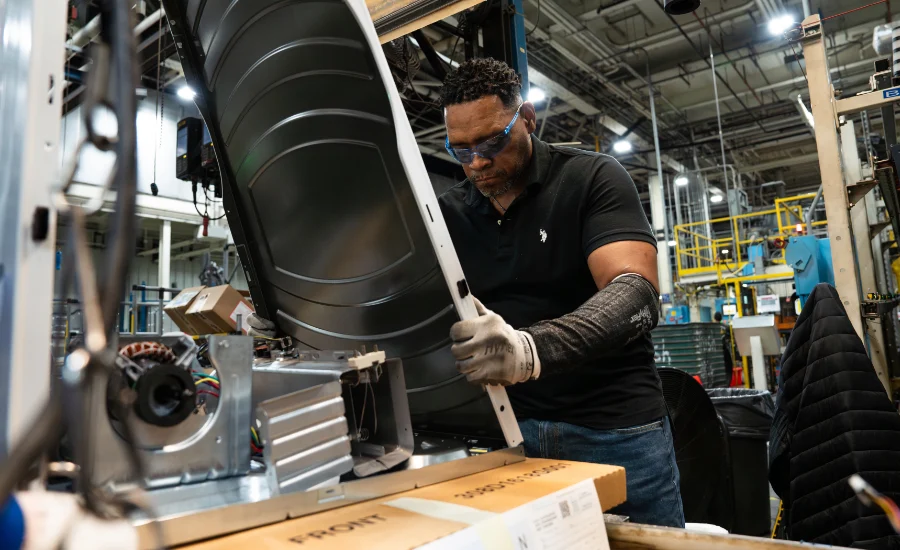
Lightcast precisely defines skilled trades as encompassing 135 distinct hands-on, in-person occupations. These roles are characterized by not requiring a traditional four-year bachelor’s degree but instead necessitating specialized training acquired through apprenticeships, certificates, associate degrees, or substantial on-the-job experience. These occupations are the bedrock of the American economy, employing approximately 20 million people, which accounts for a significant 9% of all U.S. jobs. The concentration of these workers is particularly high in two vital sectors: construction and manufacturing, which together account for 60% of all skilled-trades employment. Beyond these, the trades extend to critical roles in transportation, utilities, healthcare support (e.g., medical equipment repairers), and various service industries, touching nearly every facet of daily life and economic activity.
The economic significance of skilled trades cannot be overstated. They are indispensable for maintaining and upgrading the nation’s infrastructure—from roads and bridges to power grids and water systems. They are the engine of manufacturing, producing everything from consumer goods to advanced industrial machinery. Plumbers, electricians, HVAC technicians, carpenters, machinists, welders, and automotive technicians ensure the smooth functioning of homes, businesses, and essential services. Without a robust pipeline of these professionals, the costs of goods and services rise, projects face significant delays, and the overall competitiveness of the U.S. economy can diminish on a global scale.
Root Causes: An Aging Workforce and Shifting Educational Paradigms
Several converging factors have contributed to the escalating skilled-trades shortage, with an aging workforce emerging as a primary driver. The Lightcast report highlights that retirements and other job exits are responsible for approximately 837,000, or 40%, of the annual skilled-trades openings. This demographic reality is underscored by the statistic that more than one-quarter of all workers currently in the trades are 55 years or older, signaling a wave of impending retirements that will further deplete the talent pool in the coming years. As experienced tradespeople retire, they take with them decades of invaluable institutional knowledge and practical expertise, leaving a void that is difficult and time-consuming to fill.
Beyond demographics, a long-standing societal and educational emphasis on four-year university degrees over vocational training has played a significant role in diminishing the appeal and perceived value of skilled trades. For decades, students have been steered away from vocational schools and technical colleges, often under the assumption that a bachelor’s degree is the sole path to a successful and lucrative career. This cultural shift, beginning in earnest in the late 20th century, led to a decline in enrollment in vocational programs and a general underinvestment in the infrastructure supporting hands-on training. Consequently, a generation of potential tradespeople either pursued academic paths or entered the workforce without the specialized skills needed for these critical occupations. The perception that trades jobs are less prestigious, less financially rewarding, or inherently "dirty" or "difficult" has lingered, despite many skilled trades offering competitive wages, excellent benefits, and significant opportunities for entrepreneurship and career advancement.
The Paradoxical Role of Artificial Intelligence
The Lightcast report offers a nuanced perspective on the impact of artificial intelligence, challenging the common narrative that automation will universally reduce the need for human labor. While AI and automation are undoubtedly transforming workflows and increasing efficiency in many industries, the report posits that their direct impact on the demand for skilled trades workers is relatively low. The hands-on, problem-solving, and often unpredictable nature of many trades tasks makes them difficult to fully automate. An electrician diagnosing a complex wiring issue in an old building, a welder meticulously joining specialized metals, or an HVAC technician troubleshooting an obscure mechanical failure often requires human dexterity, adaptability, and critical thinking that current AI systems cannot replicate.
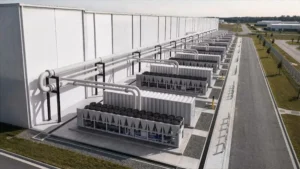
Furthermore, AI’s rapid development is, in some cases, actively contributing to the increased demand for skilled trades. The report points to the burgeoning construction of data centers and other sophisticated AI infrastructure as a prime example. These massive facilities, essential for housing the computational power required for AI applications, necessitate an army of skilled construction workers—electricians, plumbers, HVAC specialists, structural engineers, and general laborers—to build and maintain them. As the AI industry expands, so too will the need for the physical infrastructure that supports it, thereby creating a feedback loop where technological advancement drives demand for traditional skilled labor. This highlights a crucial distinction: AI may automate some tasks, but it also creates entirely new categories of work and expands the scope of existing ones, particularly in the realm of physical infrastructure and maintenance.
Economic and Societal Implications
The widening gap in skilled trades has profound economic and societal implications. Economically, the shortage translates directly into project delays and increased costs. Construction projects, from residential housing to commercial developments and public works, face longer timelines and higher labor expenses when skilled workers are scarce. Manufacturers struggle to meet production quotas, impacting supply chains and potentially leading to higher consumer prices. Businesses may also find it challenging to adopt new technologies or expand operations without the necessary skilled labor to install, maintain, and repair specialized equipment. This can dampen innovation and reduce overall economic productivity.
Societally, the shortage presents a missed opportunity for many individuals seeking stable, well-paying careers that do not require a four-year degree and its associated debt. Many skilled trades offer excellent wages, often surpassing those of some college-educated professions, along with strong benefits and job security. A plumber or electrician, for instance, can command a substantial income, especially as an independent contractor. Bridging this gap could provide upward mobility for countless Americans, strengthen local economies, and reduce income inequality. Conversely, the continued deficit risks creating a two-tiered economy where essential services become increasingly expensive and less accessible, while a critical segment of the workforce remains underserved and undervalued.

Addressing the Gap: Strategies for Talent Development and Pipeline Reinforcement
To effectively address the persistent shortage of skilled trades workers, Lightcast and industry experts advocate for a multi-pronged approach that focuses on proactive talent development, enhanced training partnerships, and broadened hiring criteria. Manufacturers, who are directly impacted by the shortage, are urged to take a more active role in cultivating their own talent. This includes expanding in-house apprenticeship programs, which offer structured on-the-job training combined with theoretical instruction, allowing new workers to earn wages while learning valuable skills. Upskilling existing employees through targeted training initiatives can also help fill specialized roles and retain experienced workers.
Partnerships between industry and local training providers are another critical component. Community colleges, vocational schools, and specialized training centers are vital hubs for developing the next generation of skilled tradespeople. Closer collaboration can ensure that curricula are aligned with industry needs, that equipment is modern and relevant, and that students are exposed to real-world work environments. This could involve businesses contributing equipment, offering internships, or having their skilled workers teach courses.
Furthermore, broadening hiring criteria is essential to tap into a wider pool of potential talent. Lightcast recommends recognizing skills gained through alternative pathways, such as on-the-job training, military experience, and informal learning. Many individuals possess valuable practical skills that may not be certified by traditional degrees or certificates but are highly relevant to trades occupations. Companies should consider skill-based hiring rather than relying solely on formal educational credentials. This approach can open doors for veterans transitioning to civilian life, individuals seeking career changes, and those from underserved communities who may have historically faced barriers to entry.
Broader Initiatives and Stakeholder Perspectives
Beyond the recommendations for manufacturers, a broader national effort is required to re-invigorate the skilled trades. Government bodies, educational institutions, and labor unions all have crucial roles to play.
Government: Federal and state governments can implement policies that promote vocational education, such as increased funding for technical schools, tax incentives for companies offering apprenticeships, and public awareness campaigns to highlight the value and career potential of skilled trades. The recent Bipartisan Infrastructure Law, while creating massive demand for skilled workers, also presents an opportunity to invest in the training infrastructure needed to meet that demand. The Department of Labor, for instance, has actively promoted Registered Apprenticeship programs as a proven model for workforce development.
Education: Community colleges and vocational schools are at the forefront of this effort. They need to expand their program offerings, invest in state-of-the-art equipment, and forge stronger links with local industries to ensure their graduates are job-ready. High schools can reintroduce robust shop classes and career and technical education (CTE) programs, allowing students to explore trades pathways earlier in their academic careers. Dual enrollment programs, where high school students can earn college credit for trades courses, can also accelerate skill development.
Industry Associations and Labor Unions: These organizations are pivotal in setting industry standards, developing curriculum, and advocating for their members. Industry associations can serve as clearinghouses for job opportunities and training resources, while labor unions often run highly successful apprenticeship programs that provide comprehensive training and good wages. Their collective voice can influence policy and help shift public perception.
Public Perception Shift: Perhaps the most fundamental change required is a societal re-evaluation of skilled trades. Marketing campaigns, success stories of trades professionals, and open house events at technical schools can help dispel myths and showcase the rewarding nature of these careers. Highlighting the technological advancements within trades, such as the use of advanced diagnostics, robotics, and digital tools, can also make these professions more appealing to younger generations.
The Road Ahead: Long-term Strategies and Future Outlook
Addressing the 1.3 million skilled-trades worker shortage is not a short-term fix but a long-term strategic imperative for the United States. It requires sustained investment, collaborative efforts across sectors, and a fundamental shift in how society values and prepares its workforce. By prioritizing apprenticeships, strengthening vocational education, embracing diverse hiring pathways, and actively promoting the rewarding nature of skilled trades careers, the nation can begin to close this critical gap.
The future economic health and global competitiveness of the U.S. depend heavily on its ability to build and maintain a robust, skilled workforce capable of constructing critical infrastructure, powering innovative industries, and delivering essential services. As AI continues to evolve and reshape the economic landscape, the uniquely human skills of adaptability, problem-solving, and hands-on craftsmanship will remain indispensable, cementing the enduring importance of the skilled trades in the 21st century and beyond. The challenge is clear, and the solutions, though complex, offer a pathway to a more resilient, prosperous, and equitable future for all Americans.