The introduction of Snapmaker Space comes at a time when the market for 3D model repositories is more crowded than ever. For over a decade, platforms like MakerBot’s Thingiverse dominated the scene, followed by the rise of community-focused sites like Printables by Prusa Research and the commercially-driven MyMiniFactory. More recently, the entry of Bambu Lab’s MakerWorld demonstrated the power of integrating a model repository directly with printer hardware and slicing software. Snapmaker’s entry into this space is not merely a reactionary move but a calculated effort to foster a creative community that prioritizes high-quality, complex designs over the sheer volume of low-effort uploads.
The Strategic Launch of Snapmaker Space
At launch, Snapmaker Space debuted with a curated collection of approximately 2,500 models. While this figure is modest compared to the millions of files hosted on Thingiverse or the hundreds of thousands on Printables, Snapmaker’s strategy focuses on quality and hardware compatibility. The platform is currently in an open beta phase, allowing the company to gather user feedback and refine the interface before a full-scale global rollout.
The repository is designed to be more than just a storage site for STL files. It serves as a social and technical hub where creators can share their work, and users can find models optimized for the specific kinematics of Snapmaker machines. This includes the Snapmaker 2.0, the Artisan, and the J1 series. The latter, specifically the Snapmaker J1 and J1S, utilizes Independent Dual Extruders (IDEX), a technology that allows for faster and cleaner multi-material prints compared to single-nozzle systems. By launching a dedicated repository, Snapmaker aims to highlight these hardware advantages through software-backed community engagement.
Incentivizing the Creator Economy
To populate the platform and ensure a high standard of content, Snapmaker has introduced a comprehensive incentive program based on reward points. This "gamification" of the modeling process is intended to attract established designers who might otherwise stick to larger platforms.
The reward system operates on a viral growth model:
- Viral Recognition: Designers whose models achieve high download counts or significant community engagement are awarded points that can be redeemed for Snapmaker products, accessories, or discount vouchers.
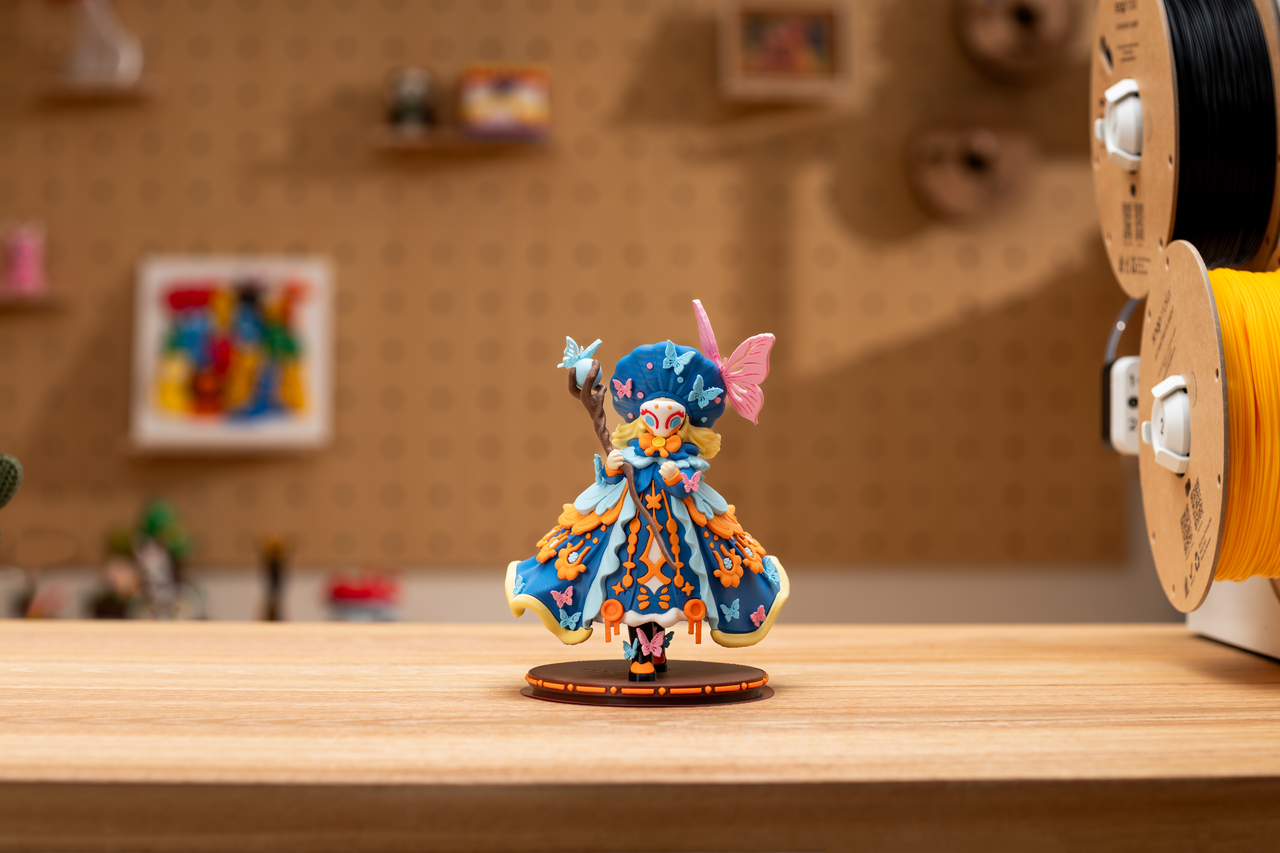
- Multi-Color Incentives: In a move to differentiate itself from competitors, Snapmaker is offering "extra points" for models that utilize multiple colors or materials. This is a direct nod to the Snapmaker J1’s IDEX capabilities and the multi-material capabilities of the Artisan.
- Community Interaction: Points are also awarded for high-quality documentation, including print settings, assembly instructions for complex models, and high-resolution photography of the finished prints.
This incentive structure addresses a common complaint in the 3D printing community: the lack of compensation for designers who provide free content. By providing tangible rewards, Snapmaker is positioning Snapmaker Space as a premium destination for "prosumer" designers.
A Chronology of the Model Repository Evolution
To understand the significance of Snapmaker Space, one must look at the historical progression of how 3D models have been shared online:
- 2008 – The Genesis: Thingiverse was launched by MakerBot, becoming the first major hub for the "RepRap" movement. It remained the undisputed leader for nearly a decade but eventually suffered from technical neglect and a lack of moderation.
- 2012-2015 – Diversification: Platforms like MyMiniFactory and Cults3D emerged, introducing the concept of paid models and "guaranteed printable" files, catering to a more professional segment of the market.
- 2019 – The Prusa Era: Prusa Research launched PrusaPrinters (now Printables). It introduced a robust reward system (Prusameters) and a high-quality user interface, quickly becoming the preferred site for the hobbyist community.
- 2023 – The Integrated Ecosystem: Bambu Lab launched MakerWorld, which integrated cloud-based slicing and one-click printing directly from a smartphone app. This marked a shift toward "walled garden" ecosystems where the hardware and the repository are inextricably linked.
- 2024 – The Purpose-Driven Expansion: Snapmaker Space enters the beta phase, focusing on high-fidelity multi-material models to support its specific IDEX and modular hardware configurations.
Technical Context: Why "Purpose" Matters
The "purpose" alluded to in the platform’s launch title refers to the technical synergy between the model and the machine. Traditional repositories are often "file-agnostic," meaning a model designed for a basic single-extruder printer is treated the same as a complex multi-part assembly.
Snapmaker Space is prioritizing models that take advantage of:
- IDEX Printing: Unlike traditional multi-material systems that use a single nozzle and require extensive "purge towers" to switch colors, IDEX systems use two separate heads. This reduces waste and prevents color contamination. Models on Snapmaker Space are being curated to show off this efficiency.
- Modular Fabrication: Since Snapmaker machines are often 3-in-1 systems (3D printing, laser engraving, and CNC carving), the repository has the potential to host "mixed-media" projects. A user could, for example, download a project that includes a 3D-printed base, a laser-engraved acrylic panel, and a CNC-milled wooden lid.
- Large Format Printing: With machines like the Snapmaker Artisan offering large build volumes, the repository encourages the sharing of full-scale functional parts rather than just small figurines.
Industry Implications and Analysis
The launch of Snapmaker Space is indicative of a broader trend in the 3D printing industry: the transition from selling "tools" to selling "solutions." In the early days of the industry, enthusiasts were content with sourcing their own files, tweaking their own firmware, and troubleshooting their own hardware. Today’s "prosumer" market demands a seamless experience.
Industry analysts suggest that by controlling the repository, hardware manufacturers can reduce the "friction" of 3D printing. If a user downloads a model from Snapmaker Space, they can be reasonably certain it has been tested on Snapmaker hardware. This reduces the likelihood of print failures, leading to higher customer satisfaction and brand loyalty.

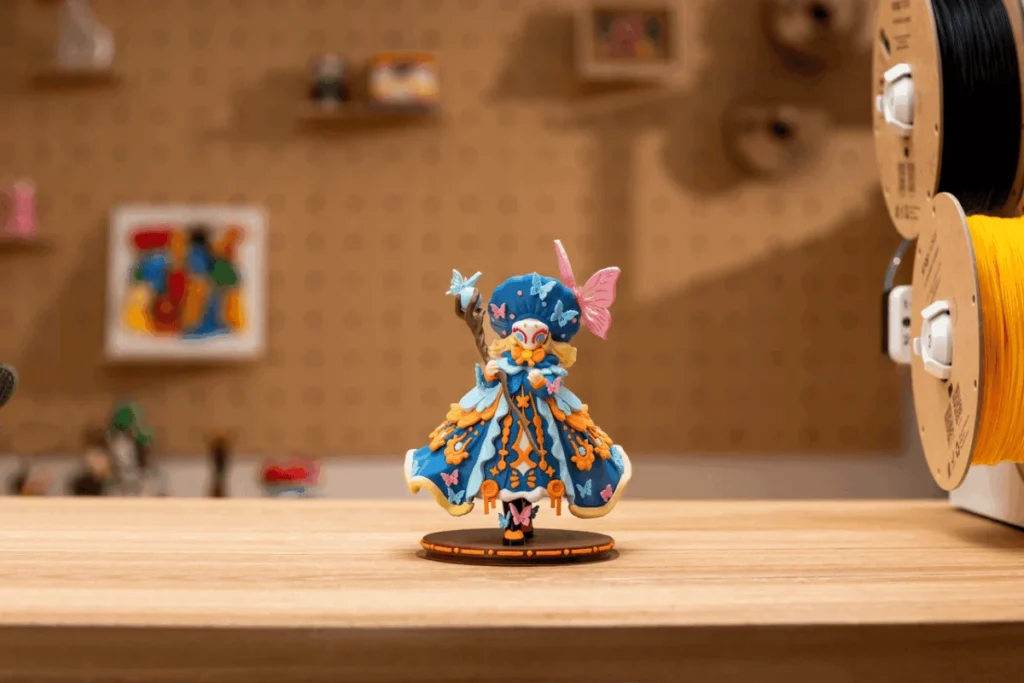
Furthermore, the focus on multi-color printing is a strategic move to upsell users on more expensive, capable hardware. While a basic $200 printer can handle single-color PLA, it takes a more sophisticated machine to handle the intricate multi-color models highlighted on Snapmaker Space, such as the "Night Elf" model shared by user @SUN3D during the beta launch.
Official Response and Community Reception
While Snapmaker has not released a formal "corporate" statement beyond the beta announcement, company representatives on community forums have emphasized that the platform is intended to be inclusive. While optimized for Snapmaker machines, the files remain standard formats (STL, OBJ, 3MF) that can be used by the wider 3D printing community.
Early reactions from the community have been cautiously optimistic. Users have praised the clean interface and the focus on high-quality renders. However, some have voiced concerns about "platform fatigue." With so many different sites to upload to, designers are finding it increasingly time-consuming to maintain portfolios across multiple ecosystems. Snapmaker’s success will likely depend on whether its reward points offer enough value to justify the extra effort of cross-posting.
Future Outlook
As Snapmaker Space moves toward its official exit from beta, the industry will be watching to see if it can achieve the critical mass necessary to compete with established giants. The company has hinted at further integrations with its proprietary slicing software, Snapmaker Luban, which could eventually allow for a "one-click" print experience similar to that of its competitors.
The success of Snapmaker Space will also serve as a litmus test for the viability of specialized repositories. If a hardware-specific platform can thrive by focusing on niche capabilities like IDEX and modularity, it may encourage other manufacturers to follow suit, leading to a more fragmented but highly specialized digital manufacturing landscape.
In conclusion, Snapmaker Space is more than just a website for downloading files; it is a strategic pillar for the company’s future. By incentivizing creators to push the boundaries of multi-material printing, Snapmaker is ensuring that its hardware has a steady stream of content that proves its worth. In an age where 3D printers are becoming increasingly similar in terms of raw specs, the ecosystem—the software, the community, and the repository—is becoming the ultimate differentiator.