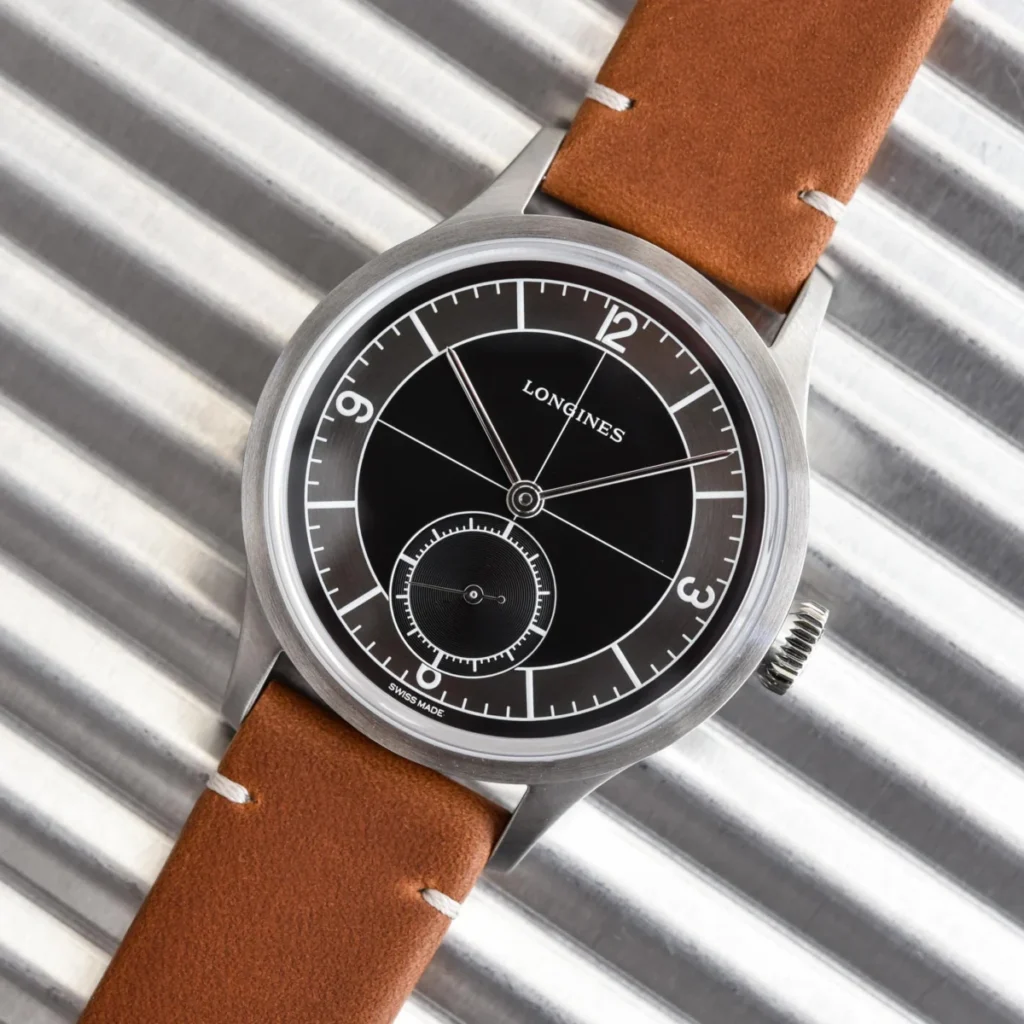
Sector dials, a design element deeply rooted in functionality and visual clarity, have a fascinating history that stretches back to the early days of horology. While their prominent presence in modern watchmaking is a 20th-century phenomenon, the concept of segmenting a dial into distinct "sectors" for enhanced readability can be traced to astronomical and scientific instruments of earlier eras. This aesthetic, often lauded as a prime example of form following function, found its niche in the early 1900s, particularly in scientific and high-accuracy timekeeping. The ability to clearly delineate hours, minutes, and seconds through concentric rings proved invaluable for achieving the precision demanded by the era. One could even draw a parallel to the older regulator dials, where hands were physically separated into individual registers, a precursor to the integrated sector dial.
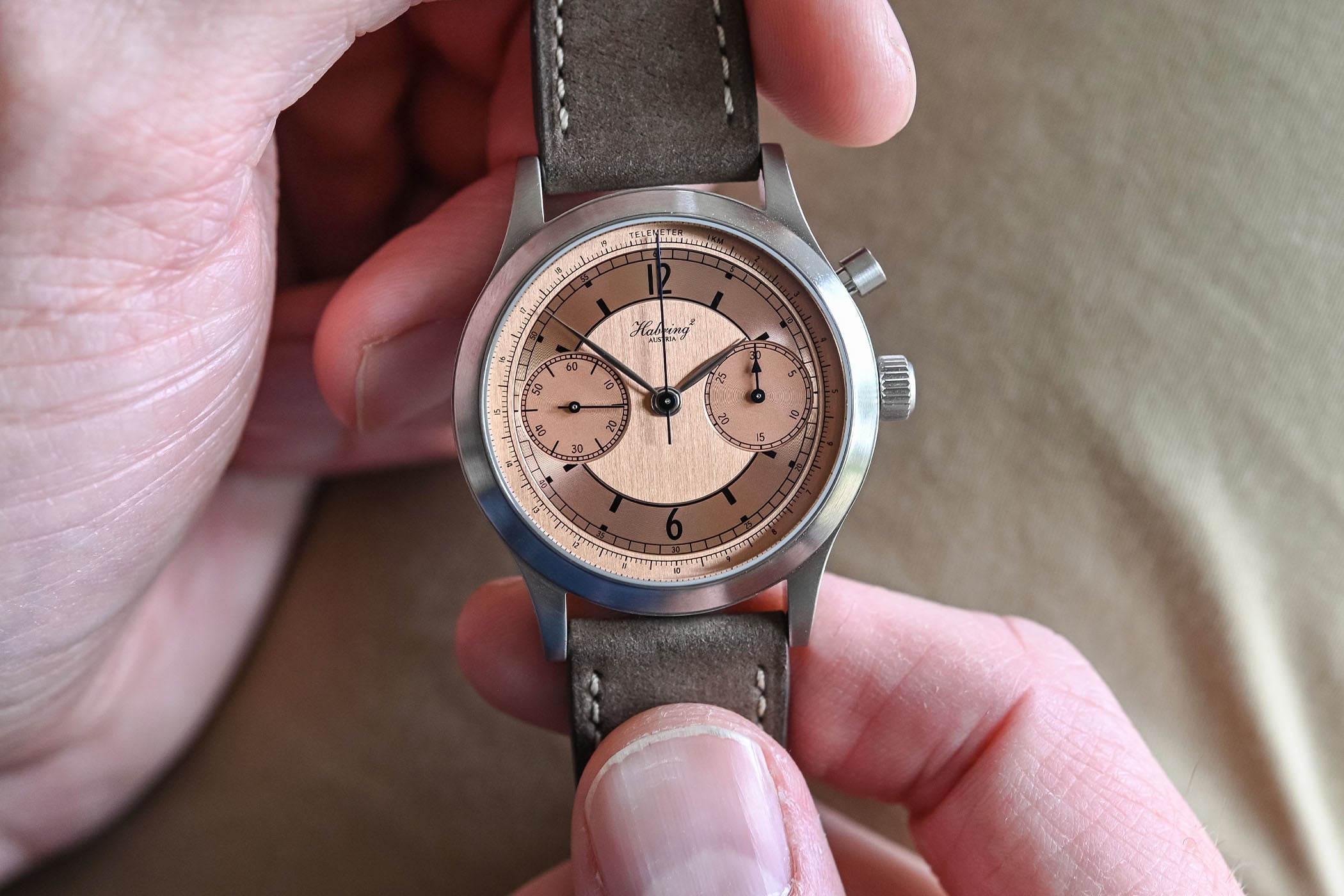
The appeal of sector dials wasn’t confined to purely scientific applications. Mid-century aviators, operating under high-pressure conditions where rapid and accurate time assessment was critical, also found favor with the clear visual hierarchy offered by sector dials. However, it’s important to note that despite their practical advantages and aesthetic appeal, sector dials were never officially issued by military organizations. For the most part, their popularity surged as a stylish design choice that resonated deeply with enthusiasts in the mid-20th century before succumbing to evolving trends.
The Genesis of the Sector Dial: A Functional Aesthetic Emerges
As wristwatches gained widespread adoption during and particularly in the aftermath of World War I, design sensibilities underwent a significant transformation. The ornate and flowing Art Nouveau styles of the late 19th century began to recede, giving way to the more industrial and geometric influences of movements like German Bauhaus and French Art Deco. It was within this evolving design landscape that the sector dial truly came into its own.
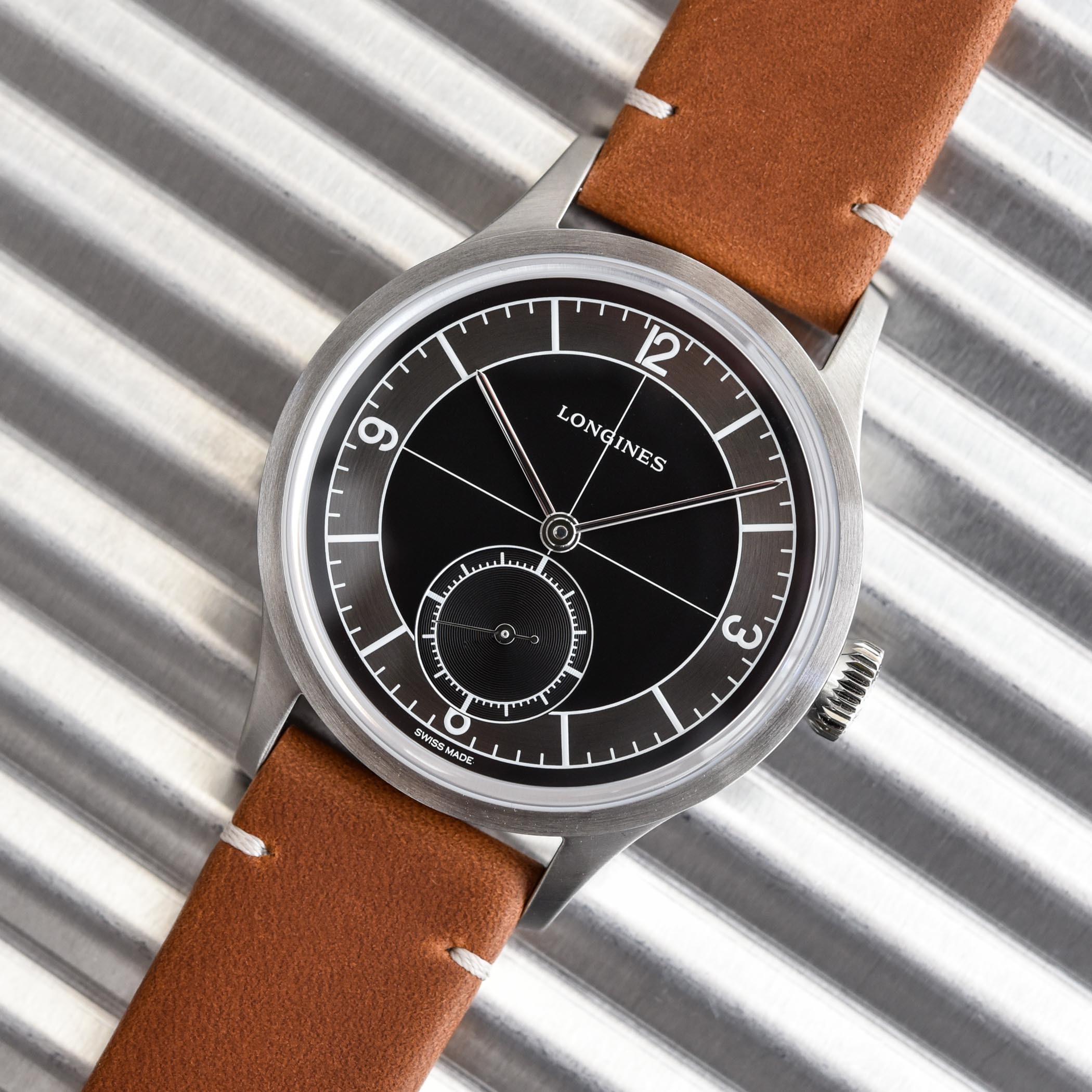
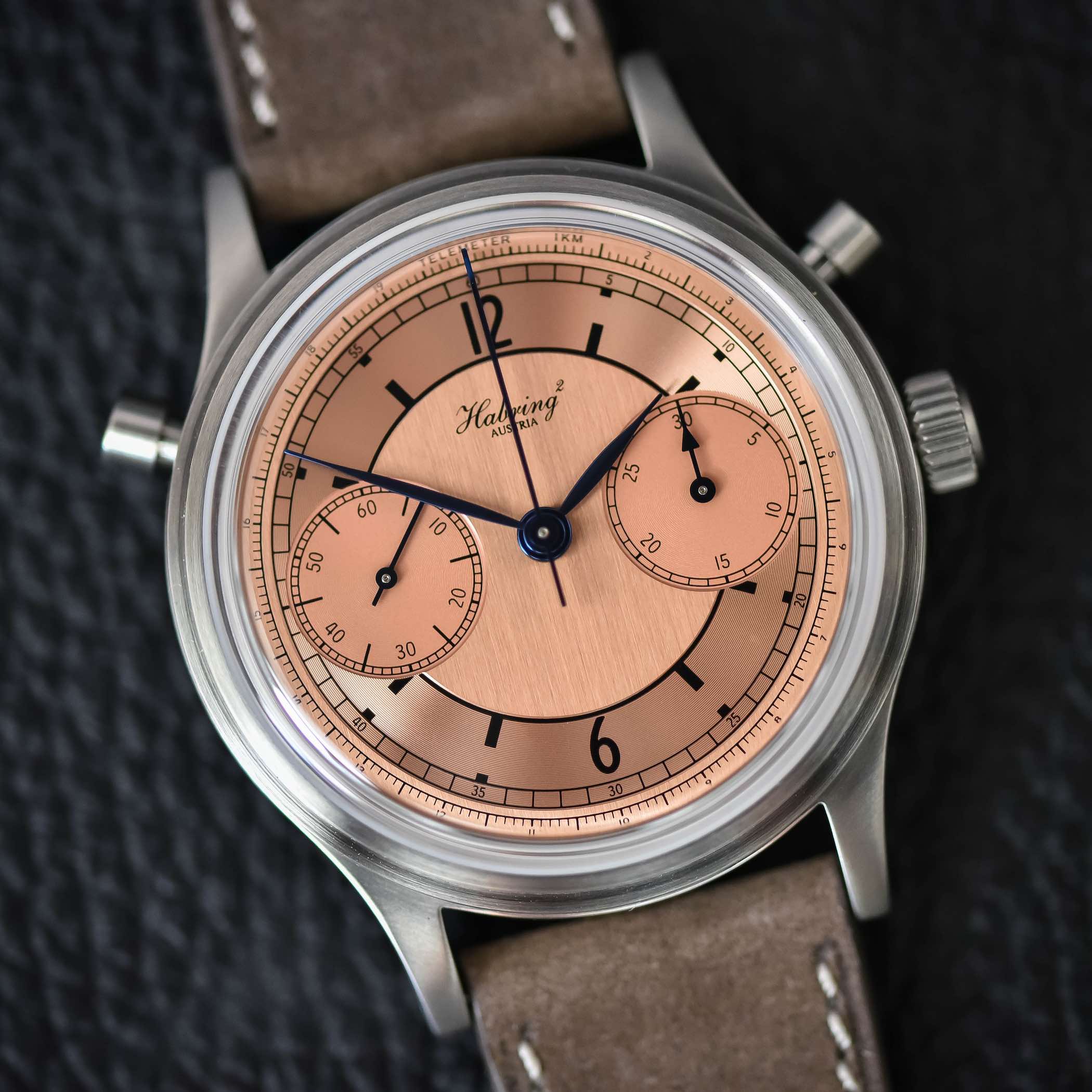
A sector dial is characteristically defined by its distinct concentric rings, typically separating the hour and minute/second indications. These rings are unified by geometric radial lines or markers, creating a structured and visually organized face. Often, the hour ring is rendered more prominently than the minute counterpart, which might feature a "chemin de fer" or railroad track style. Indices, numerals, or a combination thereof, frequently mark the quarter-hour segments, usually within the bolder hour ring.
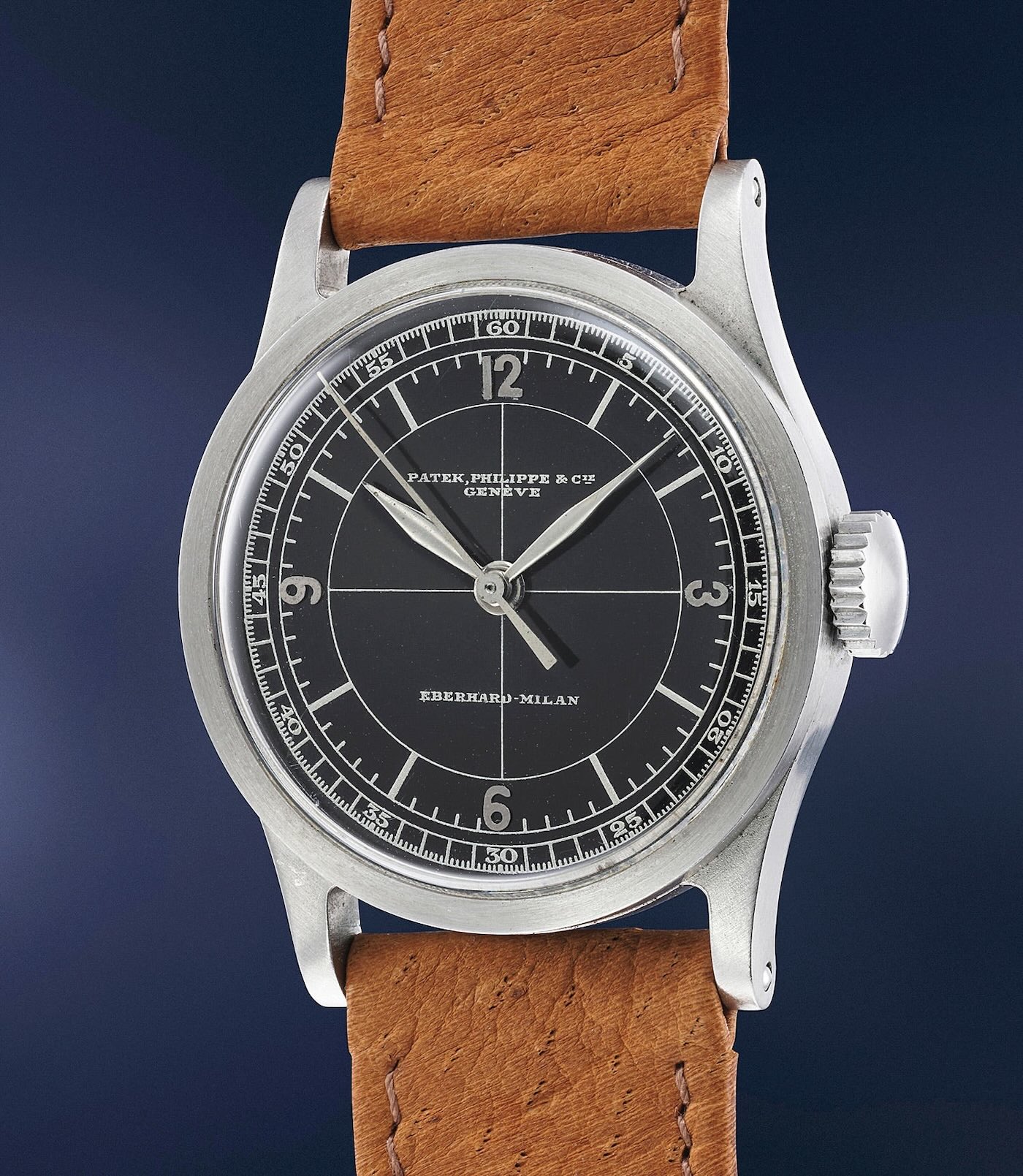
It is crucial to distinguish the sector dial from the similar, yet distinct, "crosshair" pattern. A crosshair dial features intersecting lines that divide the dial into four quadrants, forming a cross from the 12 to 6 o’clock and 9 to 3 o’clock positions. While many sector dials incorporate a crosshair motif to further delineate the quarter hours, not all crosshair dials are necessarily sector dials. The fundamental characteristic of a sector dial lies in its concentric segmentation, emphasizing a functional separation of time-telling elements.
Architectural Dials: Decoding the Design Language
The central portion of a sector dial is typically kept clean, free from markings save for the brand’s name, logo, and perhaps information about the movement, such as "automatic." Reflecting their early and mid-century origins, many sector dials also feature small seconds sub-dials, conventionally positioned at the 6 o’clock mark. While these characteristics are common, the definition of a sector dial is not rigidly bound by strict rules, provided the core principles of concentric separation are maintained.
For instance, some sector dials employ a single ring to differentiate hours and minutes. In such designs, the inner border of this ring might be rendered bolder than the outer to visually distinguish the concentric circles. A notable example of this interpretation is Jaeger-LeCoultre’s Master Control Date, which successfully captures the geometric essence of the sector dial with its singular ring. Other interpretations lean towards a more stylish and minimalistic approach, adhering to the fundamental principles while embracing unconventional elements. Laurent Ferrier’s Galet Square Boreal serves as an excellent illustration, featuring a single luminescent tan circle over a black dial, with bold hour markers extending outwards, placing particular emphasis on the quarter hours. A subtle black minute track adorns the outermost rehaut, while the central portion and the small seconds sub-dial at 6 o’clock reinforce the sector aesthetic. Again, the beauty lies in the flexibility and interpretation of the core concept.
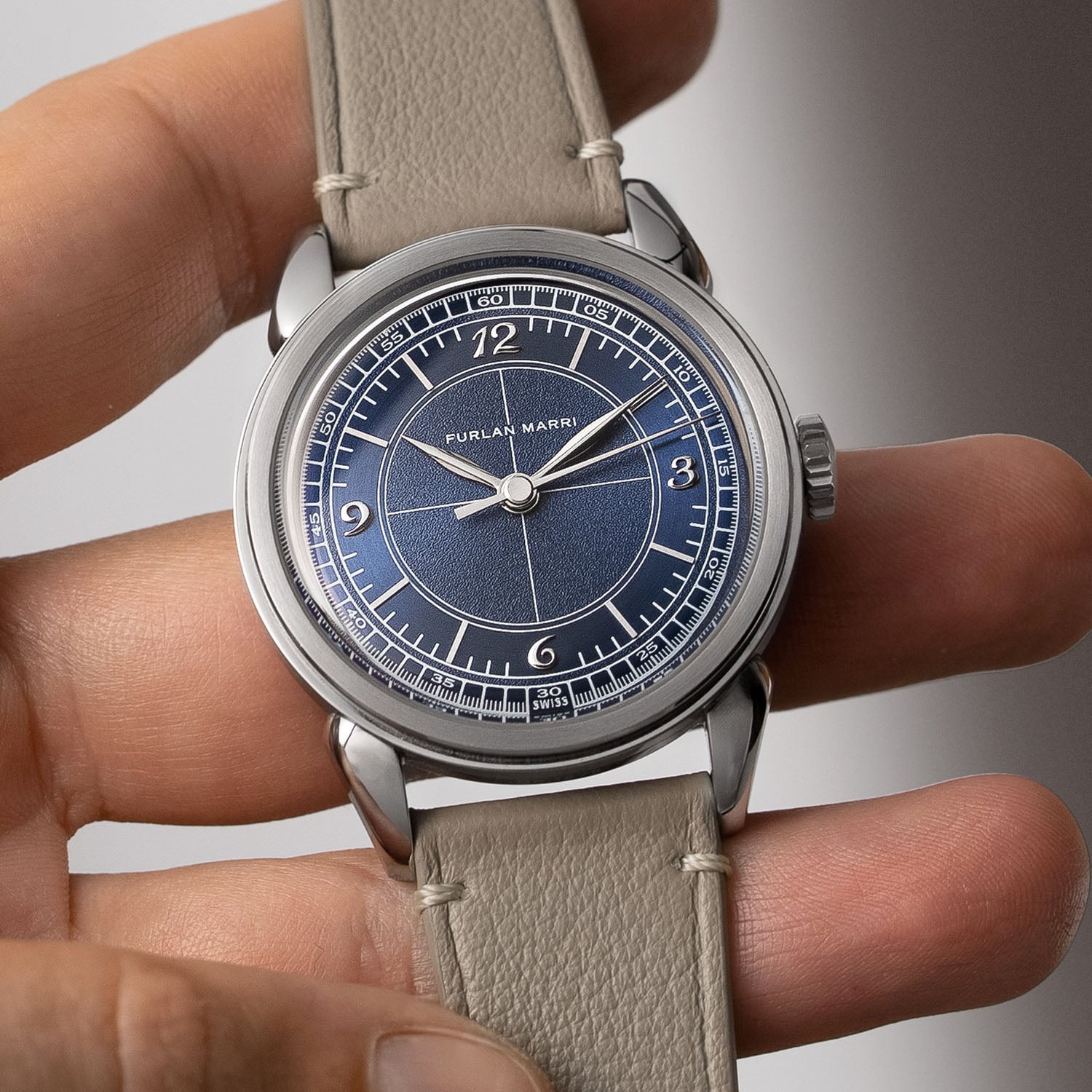
The integration of crosshairs gained traction in the 1950s, symbolizing precision and echoing the Art Deco movement of the 1930s. Brands like Longines and Omega, among others, utilized this design to further highlight the quarter hours. Many of these watches were certified chronometers, with the dial design overtly emphasizing accuracy. This focus on precision was also evident in some non-sector dials that adopted the crosshair pattern. The formal establishment of chronometer certification for wristwatches began in Britain in 1914 at the Kew Observatory, with Rolex being among the first to receive such accreditation. The widely recognized COSC (Contrôle Officiel Suisse des Chronomètres) standard, founded in 1973, remains the industry benchmark today.
It is worth noting that many vintage sector watches are now colloquially referred to as "Calatrava." This term, however, has evolved into a general descriptor for minimalist, round, time-only dress watches with flat bezels. It originated with Patek Philippe in 1932 with their Reference 96, and the brand holds a trademark for the name. Other manufacturers did not historically refer to their sector dial watches as Calatrava; it is primarily a modern descriptor.
The Shifting Tides of Fashion: From Mid-Century Zenith to Obscurity
The zenith of sector dial popularity was reached in the mid-20th century. However, by the 1960s, design tastes began to shift once more. The geometric and utilitarian appeal of sector dials gradually gave way to the cleaner, more contemporary aesthetics of Mid-Century Modernism, which effectively displaced the Art Deco movement. Consequently, sector dials receded from the mainstream, though the style itself never truly vanished.
As watches increasingly became status symbols, visually arresting dials like sunburst finishes and polished stones gained prominence in the mid-1960s. By the 1980s, sector dials were largely considered out of fashion, appearing only on rare occasions. Patek Philippe, for instance, introduced a variant of the already rare Nautellipse (ref. 3770) with a sector-like dial, but this was an exception rather than the rule.
The 21st Century Renaissance: A Resurgence of Classic Design
The dawn of the 21st century marked a significant turning point for the sector dial. Luxury watch brands, driven by a burgeoning appreciation for heritage and timeless design, began to re-embrace this classic aesthetic, propelling it back into the mainstream. This revival was significantly influenced by a growing "heritage craze" in the watch industry.
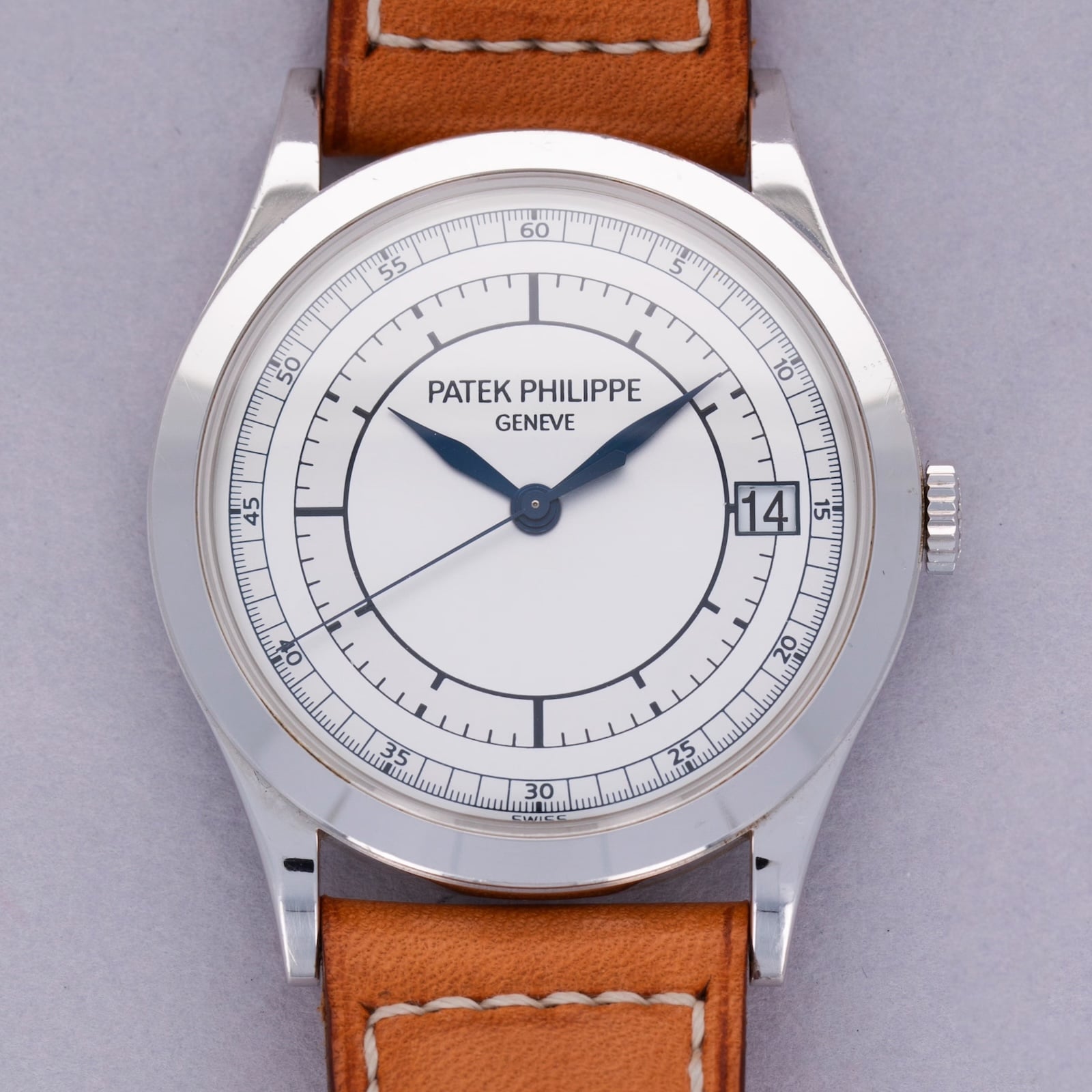
A pivotal moment in this resurgence occurred in 2005 when Patek Philippe unveiled the Calatrava ref. 5296G. This timepiece featured a true sector dial, directly inspired by the brand’s vintage collection. It boasted dual concentric rings for minutes and hours, with complete quarter-hour markings within the hour ring. The inner border of the hour ring was more pronounced than the outer, and the dial’s center remained uncluttered, bearing only the Patek Philippe name and "Genève" at the top. This model ingeniously blended old and new, incorporating contemporary central seconds instead of a 6 o’clock sub-dial and a date window at 3 o’clock, a combination that captivated watch enthusiasts and signaled a new era for the sector dial. This elegant fusion of vintage inspiration and modern horological execution did not go unnoticed by other luxury manufacturers.
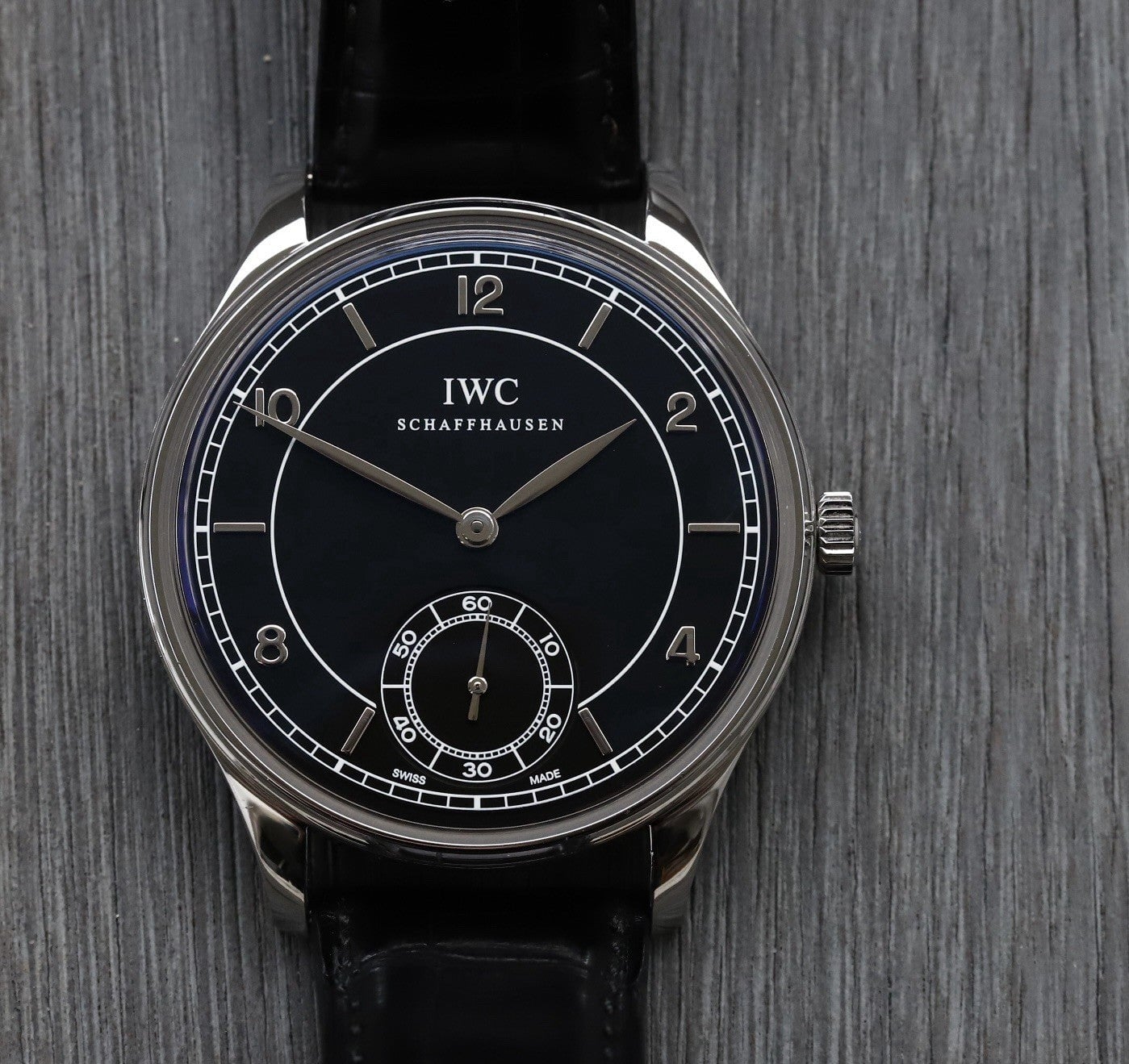
Following Patek Philippe’s lead, IWC Schaffhausen introduced its own contemporary sector dial model in 2008: the Portugieser ref. IW5445-01. This watch featured a narrow railroad minute track along the outermost perimeter, sharing its inner border with a broad hour ring. The dial presented a mix of applied indices and Arabic numerals for the hours, without specific emphasis on the quarter hours. The central section was kept clean with branding at the top, and a small seconds sub-dial was positioned at 6 o’clock, offering a refined take on the sector dial concept.
Jaeger-LeCoultre’s contribution to this revival came in 2017 with the launch of its Master Control Date sector dial, commemorating the 25th anniversary of the Master Control line. This particular model featured a single hour ring with a minute/seconds track along the outer border. It was part of a three-watch collection that also included a chronograph and a Master Geographic, all adorned with sector dials, showcasing the versatility of the design across different complications. These examples represent just a fraction of the 21st-century sector dials introduced by luxury brands, but they underscore the design’s regained popularity, with examples now found across a wide spectrum of watchmakers, including more accessible price points.

Accessible Elegance: Sector Dials for Every Collector
The resurgence of the sector dial has not been limited to high-end luxury brands; its timeless appeal has also permeated the more accessible segments of the watch market. Longines, a brand renowned for its rich heritage, has cultivated a popular collection of sector dials within its Heritage Classic line, aptly named the Heritage Classic Sector Dial. First introduced in 2019, these models feature crosshair patterns to visually segment the quarter hours on two-tone silver or black dials, closely mirroring a vintage 1934 model, particularly the silver dial variant. They faithfully retain the classic small seconds at 6 o’clock and, similar to Jaeger-LeCoultre’s Master Control Date, feature a primary hour ring with the minute track along its outer border. With prices starting at CHF 2,150, these timepieces offer a compelling entry point into the world of heritage-inspired watchmaking from a storied Swiss manufacturer.
The French brand Baltic, established in 2016, operates without a direct vintage collection to draw inspiration from, yet its HMS 002 models exemplify classic sector dials with crosshair details, reminiscent of Longines’ offerings. However, Baltic employs two traditional, separate concentric rings for minutes/seconds and hours, complemented by a more contemporary central seconds hand. This harmonious blend of vintage and modern aesthetics, not unlike the dial design of Patek Philippe’s Calatrava ref. 5296, is available in multiple dial and case color options. Priced at a remarkably accessible EUR 385 with a Miyota automatic movement, Baltic demonstrates that sophisticated design can be attainable. Beyond these examples, numerous other affordable options exist, primarily from newer brands that are forging their own paths by reinterpreting classic designs. Brands like Raymond Weil, with its Millesime Small Seconds, and Furlan Marri, with its Cornes de Vache Sectors, are also contributing to the widespread availability of beautifully designed sector dial watches, proving that this enduring style continues to capture the imagination of watch enthusiasts across all market segments.