The automotive landscape has undergone a seismic shift, leaving consumers facing unprecedented affordability challenges. With new car transaction prices consistently exceeding the $50,000 mark and showing no signs of retreating, the once-reliable refuge of the used car market is no longer the sanctuary it once was. A recent in-depth analysis by Edmunds paints a stark picture: the budget-conscious car buyer is not only losing purchasing power but is increasingly being relegated to older, higher-mileage vehicles, fundamentally altering the accessibility of personal transportation.
The Widening Chasm: Used Car Affordability Evaporates
The data presented by Edmunds is not merely an observation; it’s a stark indicator of a market in distress for the average consumer. According to their findings, a vehicle in the $10,000 to $15,000 price bracket, historically the sweet spot for budget-conscious buyers, now averages nearly nine years in age with an odometer reading close to 98,000 miles. This represents a significant degradation in value compared to just a few years prior. In 2019, the same financial outlay could secure a vehicle that was, on average, four years younger and had accumulated approximately 40,000 fewer miles. This dramatic change signifies that the "metal" – the actual vehicle itself – has aged considerably under the pressure of escalating prices.
The broader implications of this trend are described as "striking" by Edmunds. In the second quarter of 2019, vehicles priced below $20,000 constituted a substantial 55.2% of the entire used car market. Fast forward to the second quarter of 2026, and this share has plummeted to a mere 31.8%. The decline is even more pronounced for the sub-$15,000 segment, which saw its market share shrink from 31.6% to 17.8% over the same period. Conversely, the upper echelon of the used car market has experienced a significant expansion. Edmunds reports that the proportion of used cars commanding sticker prices of $50,000 or more has nearly quadrupled, surging from a modest 2.3% in Q2 2019 to 8.3% in Q2 2026. This bifurcation of the market clearly illustrates a growing divide between premium and budget segments.
Tracing the Roots: The Pandemic’s Lingering Impact
Edmunds directly attributes this dramatic recalibration of the used car market to the unprecedented production stoppages that plagued the automotive industry during the COVID-19 pandemic. The years 2020 and 2021 were characterized by significant disruptions in manufacturing, leading to a substantial deficit in the production of new vehicles. These unbuilt cars are precisely the used cars that are now conspicuously absent from the market today, creating a shallower pool of available inventory for consumers at all price points, but most acutely felt by those seeking more affordable options.
The ripple effect of this supply shock has been a steady and persistent increase in used car prices. Edmunds indicates that there is no readily apparent mechanism within the current market dynamics that would facilitate a reversal of this trend in the near future. The fundamental imbalance between supply and demand, exacerbated by factors such as extended vehicle lifespans and a general reluctance to part with existing vehicles, has created a self-perpetuating cycle of inflated pricing.
The Three-Year-Old Used Car: A Bellwether for Market Health
The trajectory of the three-year-old used car serves as a particularly potent indicator of the market’s current state. In the second quarter of 2026, the average transaction price for these vehicles reached a record high of $32,461 for that quarter. This figure represents a 4% increase year-over-year and a substantial 15.5% surge from the second quarter of 2021, a period when supply chain constraints began to significantly inflate prices. This data point underscores how even relatively newer used vehicles are commanding prices that were once associated with much younger or even new vehicles.
Demand Outstrips Affordability: A Troubling Sign for Buyers
Perhaps the most concerning aspect of this evolving market, according to Edmunds, is the apparent lack of significant buyer pushback. Despite record-high prices, the demand for used vehicles remains remarkably resilient. In the second quarter of 2026, three-year-old used cars were moving at a comparable pace to the previous year, with an average of 38 days spent on dealership lots in both periods. This consistent "dwell time" indicates that demand is holding firm, even as prices continue to ascend.
This sustained demand, coupled with the inability of prices to naturally decline, suggests that consumers are either absorbing these higher costs or are being forced to make compromises. The implication is that prices are unlikely to fall on their own accord. Buyers, at least thus far, have not reached their collective spending limit, or they are finding ways to stretch their budgets. However, the relentless march of mileage on these aging vehicles means that the long-term value proposition continues to diminish.
Broader Economic Context and Contributing Factors
The current state of the used car market is not an isolated phenomenon but rather a symptom of a complex interplay of economic forces. Beyond the direct impact of pandemic-induced production shortfalls, several other factors have contributed to the sustained price inflation:
- Extended Vehicle Lifespans: Modern vehicles are engineered for greater durability than their predecessors. This means that vehicles are staying on the road longer, reducing the flow of trade-ins and used car inventory. Consumers are less inclined to replace vehicles that are still functional, further tightening supply.
- Hesitancy in New Car Purchases: The persistently high prices of new vehicles, coupled with lingering uncertainties in the broader economy, have made many consumers hesitant to make a new car purchase. This hesitation indirectly contributes to the demand for used cars, as they remain the more accessible option for many.
- Increased Demand for Personal Transportation: In the post-pandemic era, there has been a renewed emphasis on personal transportation and a potential decrease in reliance on public transit for some segments of the population. This has further bolstered demand for vehicles across the board.
- Inflationary Pressures: Broader inflationary trends impacting raw materials, labor, and logistics have also contributed to the rising cost of both new and used vehicles.
- Semiconductor Chip Shortages: While the initial acute phase of the semiconductor chip shortage has somewhat eased, its lingering effects continue to impact new vehicle production, consequently feeding into the used car market. The limited availability of new cars directly funnels demand towards the pre-owned market.
Implications for Consumers and the Automotive Industry
The sustained unaffordability of the used car market carries significant implications for various stakeholders:
For Consumers:
- Reduced Affordability and Accessibility: The dream of owning a reliable vehicle is becoming increasingly unattainable for a larger segment of the population, particularly for lower and middle-income households. This can impact job opportunities, access to education, and overall quality of life.
- Compromises and Trade-offs: Consumers are being forced to make difficult choices, such as purchasing older vehicles with higher mileage, accepting vehicles with fewer features, or delaying their purchase altogether.
- Increased Cost of Ownership: Older vehicles often require more frequent and costly maintenance and repairs, further increasing the total cost of ownership.
- Impact on Mobility: For individuals who rely on vehicles for their livelihood or essential daily tasks, the current market conditions can create significant hardship and limit their mobility.
For the Automotive Industry:
- Shifting Sales Strategies: Dealerships and manufacturers may need to adapt their sales strategies to cater to a market where affordability is paramount. This could involve a greater focus on certified pre-owned programs, extended warranty options, and financing solutions.
- Potential for Innovation in Affordability: The sustained demand for affordable transportation could spur innovation in the development of more budget-friendly vehicle models or alternative transportation solutions.
- Long-Term Impact on Brand Loyalty: If consumers are consistently priced out of the market or forced into unsatisfactory purchases, it could have a long-term impact on brand loyalty and consumer trust.
- Increased Focus on Used Car Operations: As the used car market remains a critical revenue stream, dealerships will likely continue to invest in and refine their used car operations, including reconditioning and pricing strategies.
Future Outlook: A Long Road to Recovery?
The data presented by Edmunds suggests that the current state of the used car market is not a temporary anomaly but rather a structural shift driven by fundamental supply and demand imbalances. The pandemic’s disruption to new car production has created a deficit that will take years to fully rectify. Without a significant increase in new vehicle production, a substantial influx of trade-ins, or a drastic reduction in consumer demand, prices in the used car market are likely to remain elevated.
For consumers hoping for a return to pre-pandemic affordability, the outlook remains challenging. The "escape hatch" that the used car market once provided has been firmly bolted shut, forcing a reassessment of personal transportation budgets and expectations. As odometers continue to climb and prices remain stubbornly high, the automotive industry faces the ongoing challenge of balancing profitability with the fundamental need for accessible mobility for all. The road ahead for the average car buyer appears to be one of continued financial strain and difficult compromises.
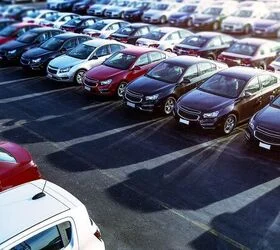
Images: Hyundai, Chevrolet, Chevrolet (Illustrative of common vehicle brands)