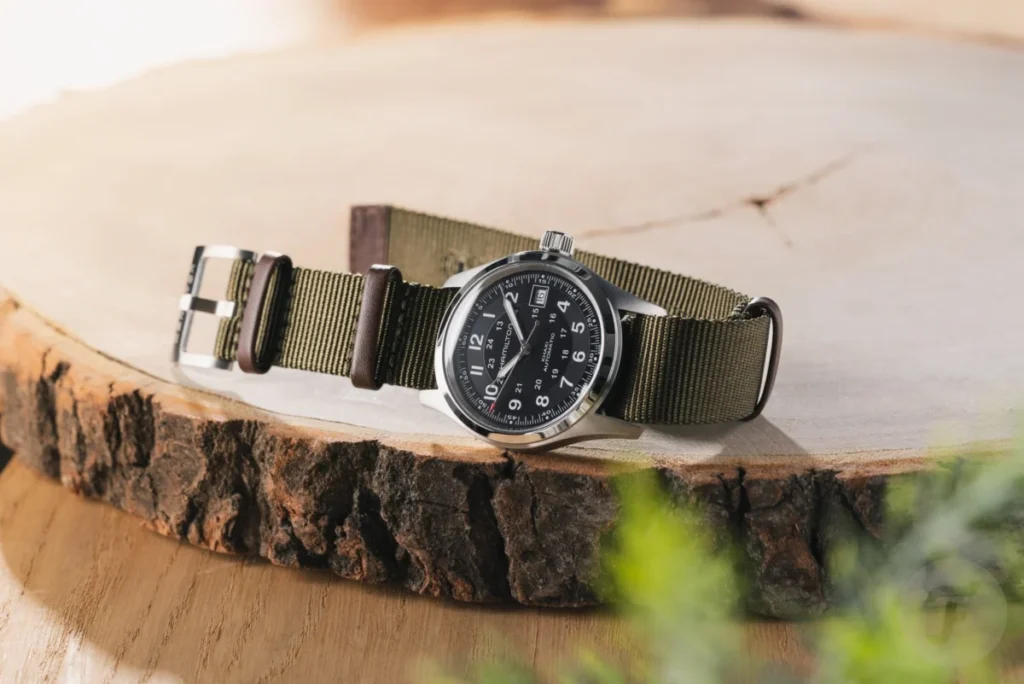
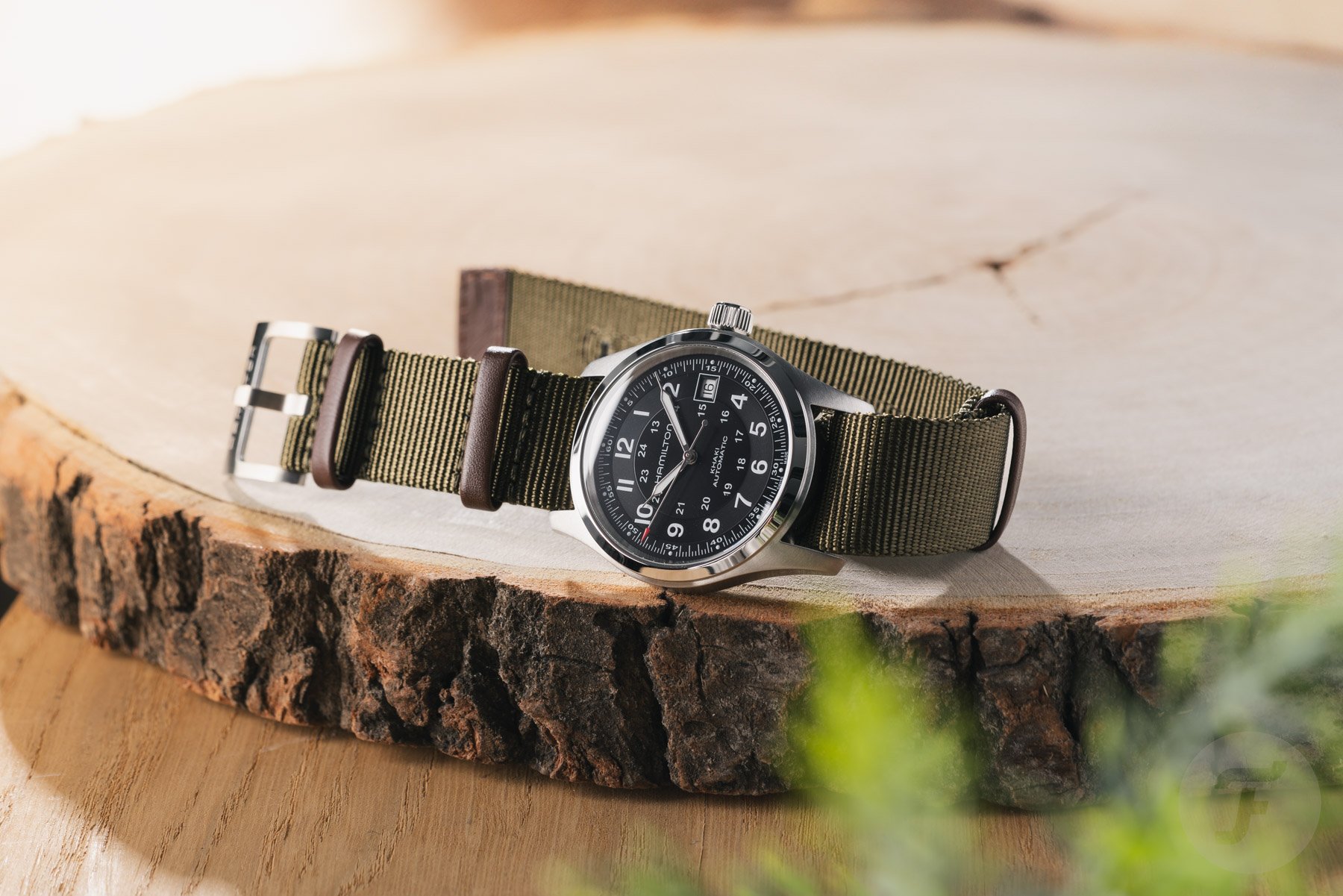
The field watch, a paragon of utilitarian design, offers a unique form of satisfaction derived from its inherent lack of pretense. Unlike its more elaborate counterparts, a field watch demands little from its wearer. It eschews complex complications, rotating bezels, and ostentatious storytelling, instead presenting a clean aesthetic: a black dial, stark white numerals, two essential hands, and perhaps a discreet date window. This profound simplicity is the hallmark of the field watch, a design philosophy that resonates deeply with those who value function and reliability above all else. The inherent appeal lies in a watch’s primary purpose: to tell time accurately and withstand challenging conditions, disappearing on the wrist while remaining an utterly dependable tool.
From the Trenches to the Wrist: A History Forged in Necessity
The origins of the field watch are not rooted in the polished environs of a luxury design studio but in the unforgiving crucible of the battlefield. During World War I, officers found the traditional pocket watch cumbersome and potentially hazardous under fire. The need to maintain free hands for essential tasks, such as operating firearms and coordinating troop movements, rendered the pocket watch impractical. The immediate solution was the “trench watch,” a rudimentary adaptation that involved attaching pocket watch movements to the wrist using wire lugs. While crude, this innovation proved functional and established a precedent for wrist-worn timepieces in military contexts.
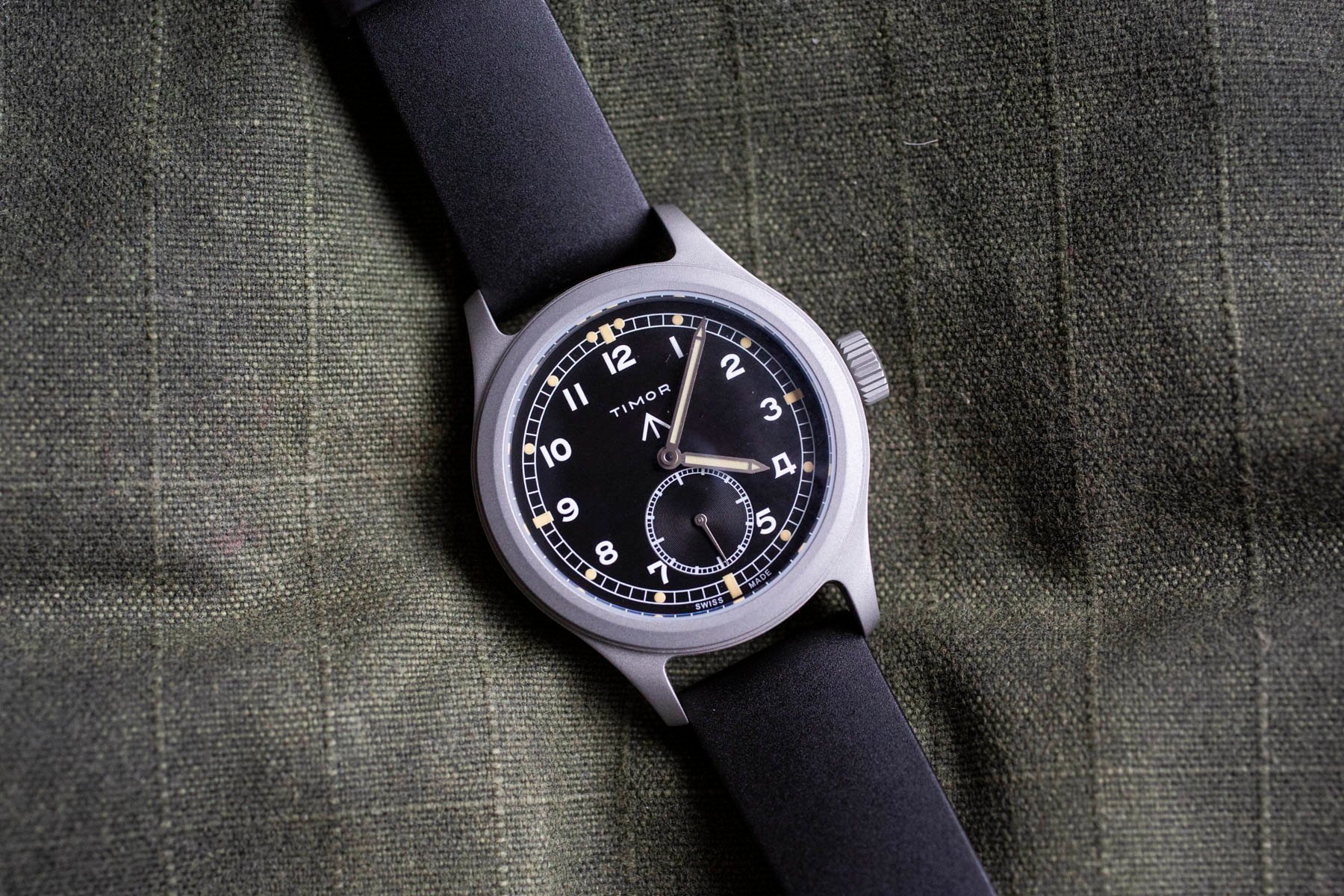
By the advent of World War II, military requirements for watches had become more formalized. The British Ministry of Defence, recognizing the critical need for reliable timekeeping equipment, established stringent specifications for soldiers’ watches. These requirements typically included a black dial for optimal legibility in low-light conditions, luminous Arabic numerals for visibility, a railway-track minute scale for precise time tracking, and a sub-seconds register. Crucially, the case had to be exceptionally robust, capable of enduring the rigors of active service.
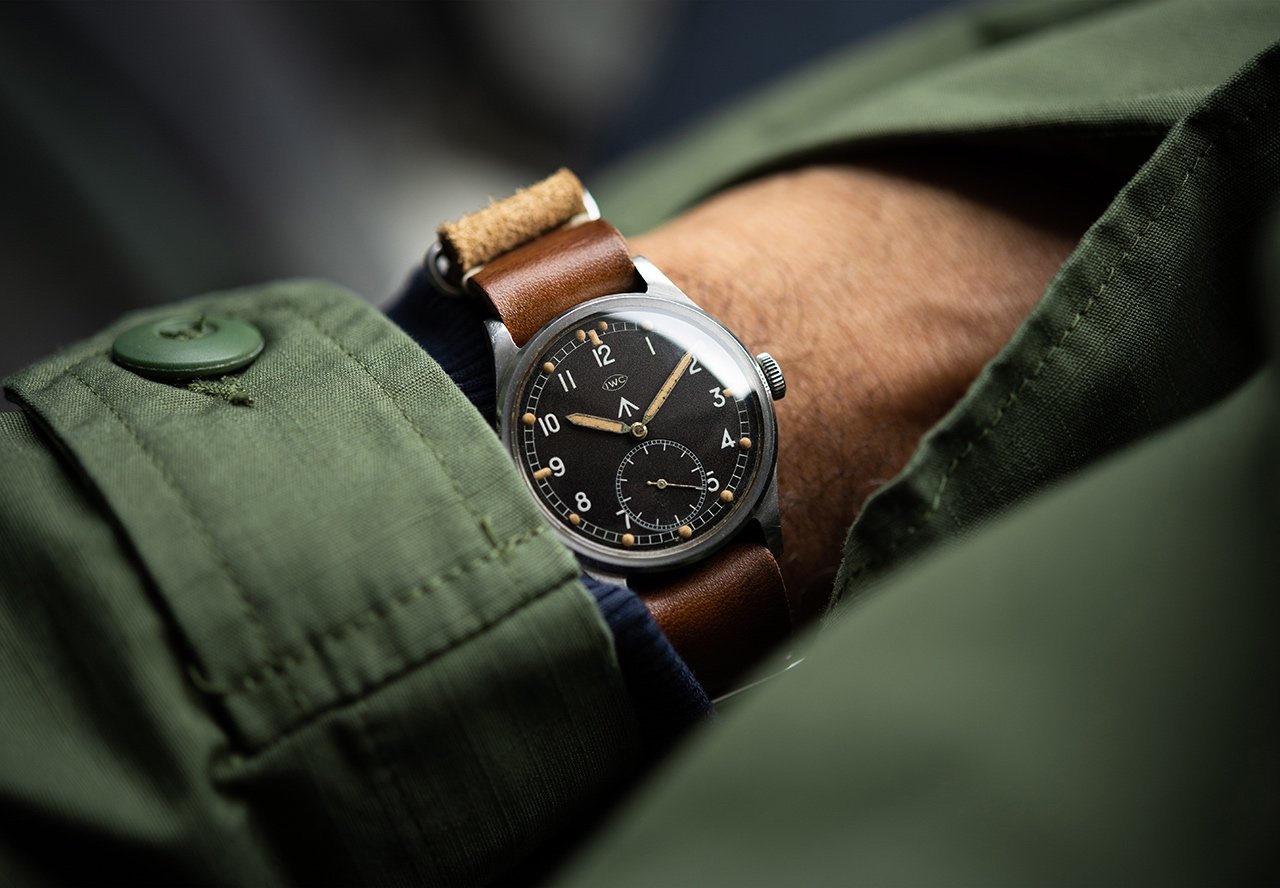
Twelve Swiss watch manufacturers were contracted to produce these watches, each bearing the broad arrow property mark and the designation "W.W.W." – standing for Watch, Wrist, Waterproof. This group of watches, now affectionately known by collectors as the "Dirty Dozen," included prominent names such as IWC. The IWC Mark X, a direct descendant of these military specifications, would evolve through subsequent iterations like the Mark XI and Mark XII, eventually leading to models such as the Mark XV. This lineage highlights a direct connection between contemporary field watches and the instruments relied upon by military personnel nearly a century ago.
The Evolution of a Timeless Design
The foundational principles of the field watch design proved remarkably resilient, outlasting the wars that necessitated their creation. In the 1960s, American forces standardized their own military watch requirements under specifications like MIL-W-46374. These specifications encompassed a range of timepieces, from robust mechanical watches to more disposable plastic-cased models issued to troops serving in Vietnam.
Concurrently, Britain maintained its distinct tradition of military watch production. The early 1970s saw the introduction of the tonneau-cased W10, which was later succeeded by the quartz-powered G10 in 1980. The G10 became so ubiquitous that it remained in active service for British military personnel well into the 2000s. The enduring characteristic of all these watches was their singular focus on utility; they were not designed to be admired in display cases but to be functional tools, often overlooked on the wrist, a testament to their inherent reliability and unobtrusive nature.
The Enduring Appeal of Understated Elegance
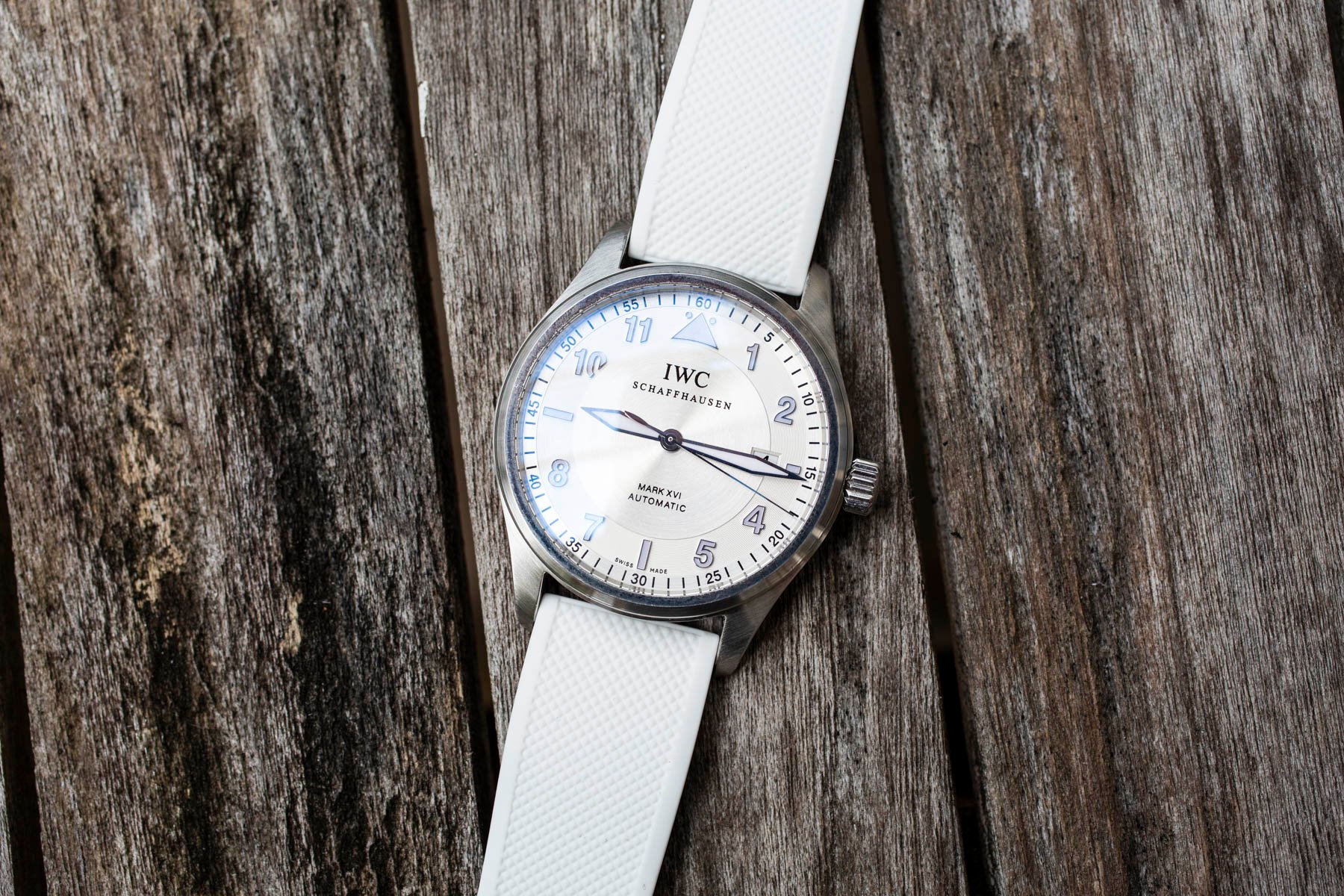
The enduring appeal of the field watch category lies in its adherence to fundamental design principles that have remained remarkably consistent. Success hinges on legibility, proportion, and the honesty of construction, leaving no room for compromise. Case size, in particular, plays a pivotal role. For instance, a 38mm IWC Mark XV, with its modest lug-to-lug measurement, exemplifies this principle, offering exceptional comfort and wearability that transcends time. In contrast, some later iterations of IWC’s Mark series saw an increase in case size, which, some argue, diluted the original design ethos. This adherence to a more restrained size reflects a discipline in design that has, for some, been quietly abandoned in much of modern watchmaking.
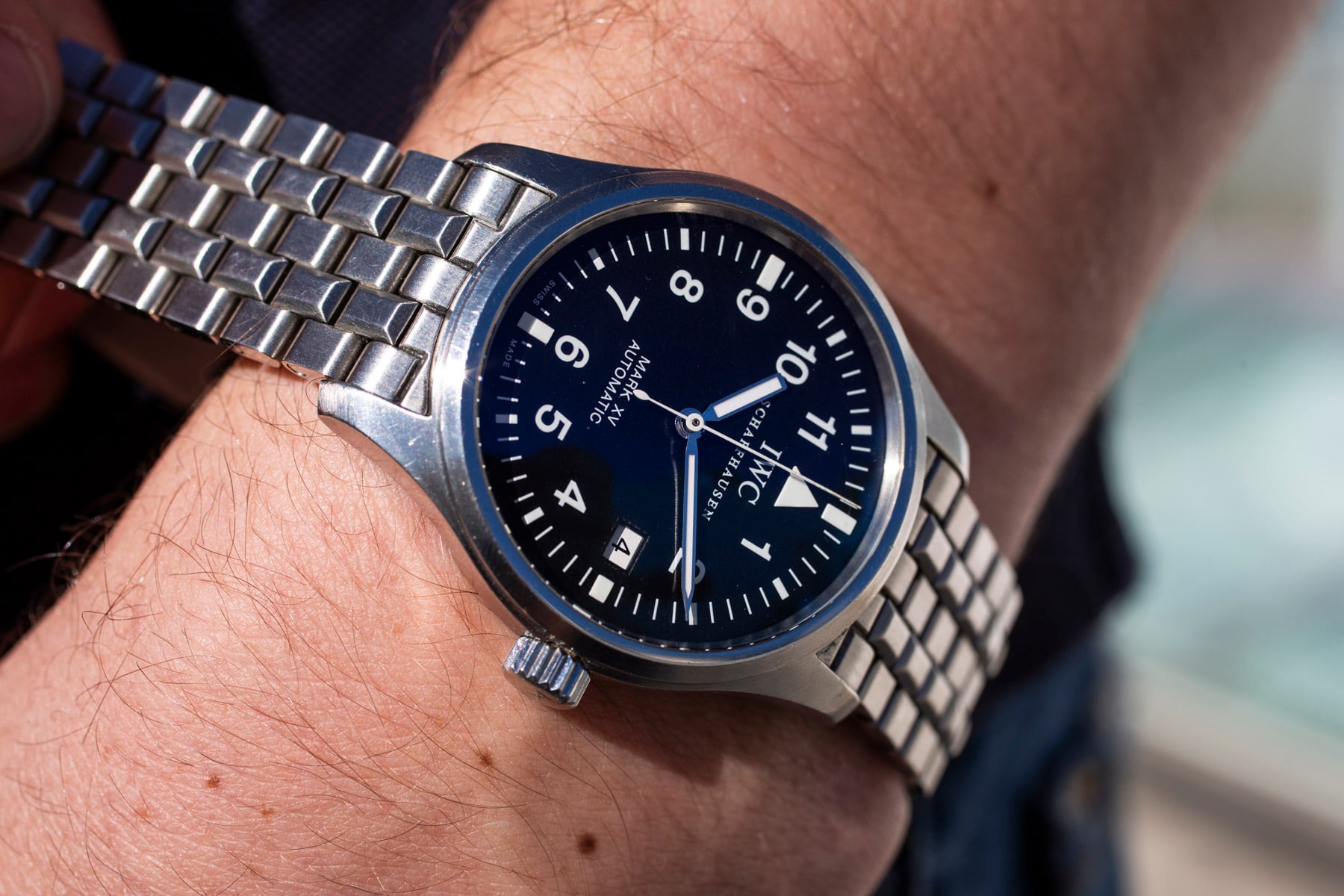
The concept of "neo-vintage" finds a compelling representation in watches like the Mark XV. These timepieces bridge the gap between modern functionality and vintage proportions. The Mark XV, produced by IWC between 1999 and approximately 2005, before the introduction of the larger Mark XVI, offers the benefits of a sapphire crystal, a soft-iron inner case for anti-magnetic protection, and a reliable ETA-based movement, all within a package that avoids the fragility sometimes associated with older, purely vintage watches. This sweet spot between modern robustness and classic aesthetics is a key driver of its appeal.
Modern Interpretations of a Classic
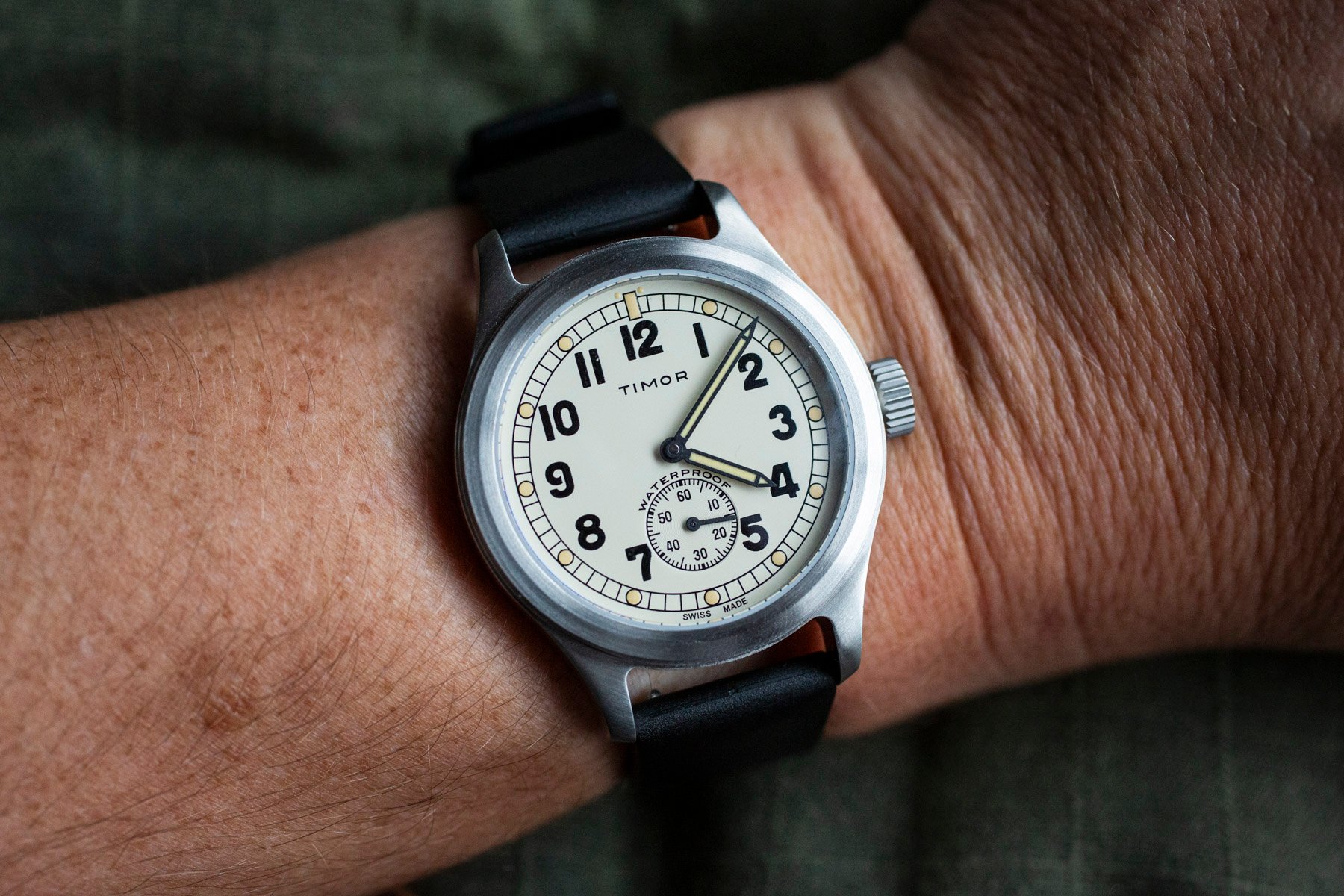
The field watch category continues to thrive, offering compelling options for enthusiasts and casual wearers alike. Brands like Timor, a UK-based company, have dedicated themselves to this niche, offering heritage reissues of iconic models such as the ATP and their own "Dirty Dozen" watch from the mid-20th century. Timor also produces contemporary interpretations, often featuring stark black cases and dials with contrasting white numerals, embodying the essential field watch aesthetic.
Hamilton’s Khaki Field Pioneer Mechanical stands as a prime example of a successful reissue, faithfully recreating the W10 model that Hamilton supplied to the British Ministry of Defence in the 1970s. This watch retains the original case shape, recessed crown, and a restrained 36mm proportion, even opting for a hand-wound movement in an era dominated by automatics. This commitment to historical accuracy, rather than conforming to modern size trends, is a significant factor in its success.
Cabot Watch Company (CWC), a brand with an unbroken lineage of supplying MoD-specification field and general service watches since the early 1970s, embodies the continued tradition of this genre. Their current G10 and W10 models are not mere tributes but direct continuations of a design language refined over half a century. The direct connection to military supply imbues these watches with an undeniable authenticity.
The Accessible Entry Point and the Microbrand Revolution
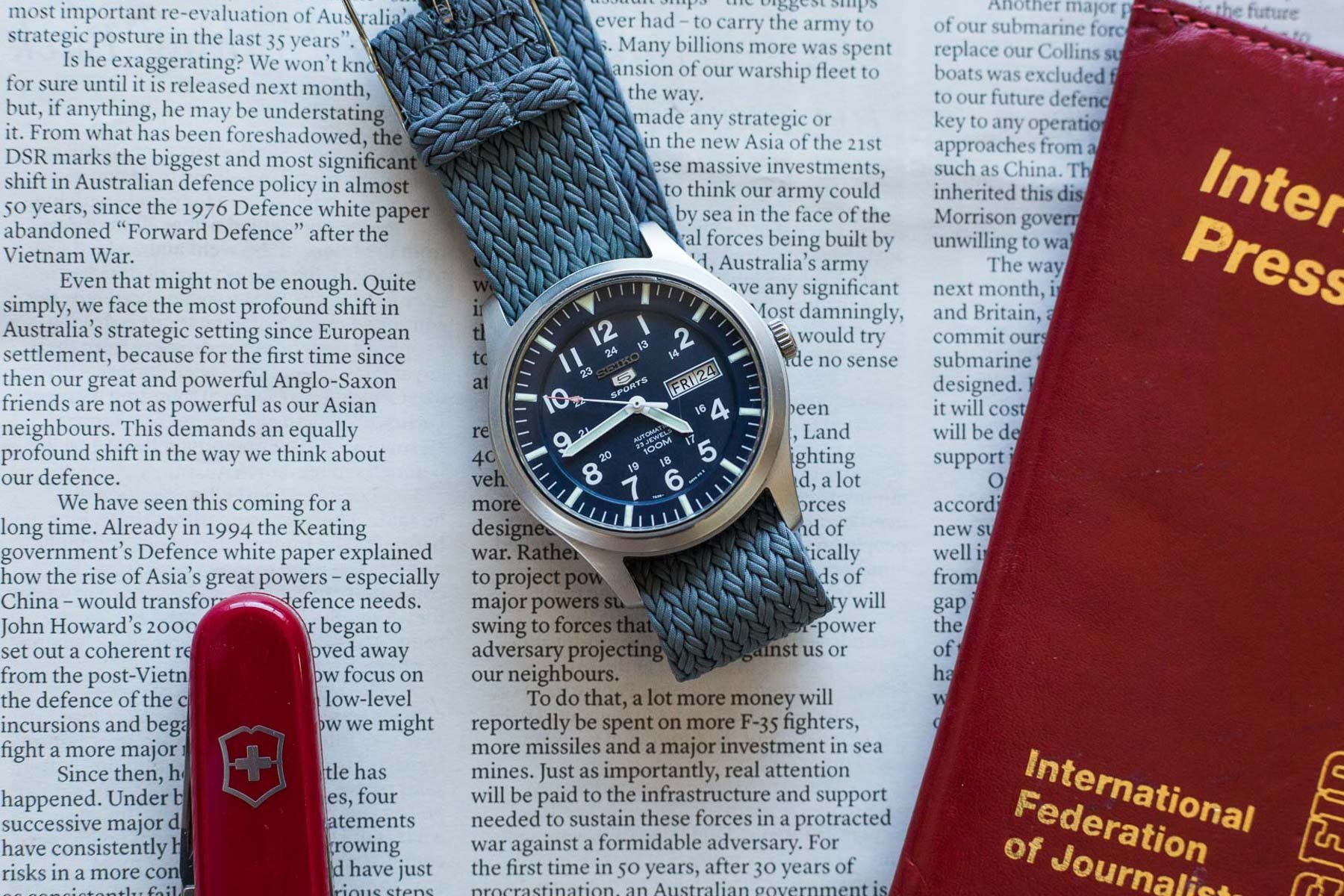
For many, the journey into the world of watches begins with an accessible, yet honest, timepiece. The Seiko 5 SNZG, a 42mm automatic with a robust case, served as an entry point for countless collectors. Its unpretentious design, affordability, and resilience made it a practical tool watch that inspired a deeper appreciation for more refined mechanical timepieces. This accessible starting point often leads enthusiasts to explore brands like Hamilton’s Khaki Field Mechanical, which, in its 36mm iteration, offers a hand-wound experience that connects directly to historical precedents.
The rise of microbrands has also significantly invigorated the field watch category. Unburdened by the marketing constraints and legacy demands of larger corporations, these independent makers often draw inspiration directly from vintage military surplus, offering watches with legible dials, minimal branding, and utilitarian straps. These offerings frequently come at accessible price points, making the appeal of a well-crafted, purpose-built watch available to a wider audience.
The Purest Expression: Quartz and the "Disposable" Ethos
It is crucial to acknowledge that the field watch ethos extends beyond mechanical watchmaking. Quartz watches, such as the Casio MQ24-7B2 or the Timex Weekender, embody the core principles of simplicity and utility at an exceptionally accessible price point. With their plain dials, resin cases, and long-lasting batteries, these timepieces offer a direct link to the "disposable" ethos embodied by specifications like MIL-W-46374. Their unpretentious functionality represents a pure expression of the field watch concept, prioritizing essential timekeeping above all else.
Concluding Thoughts: The Unassuming Tool
The field watch’s profound appeal lies in its inherent modesty. It does not demand attention; instead, it quietly serves its purpose. There are no distracting bezels to fiddle with, no complex chronograph functions to explain. Its entire raison d’être is encapsulated in the idea that the most effective tool is the one you forget you are wearing, allowing you to focus on the task at hand. This fundamental principle underscores why even the simplest Casio quartz watch can be seen as a truer embodiment of the field watch spirit than some high-end luxury options.
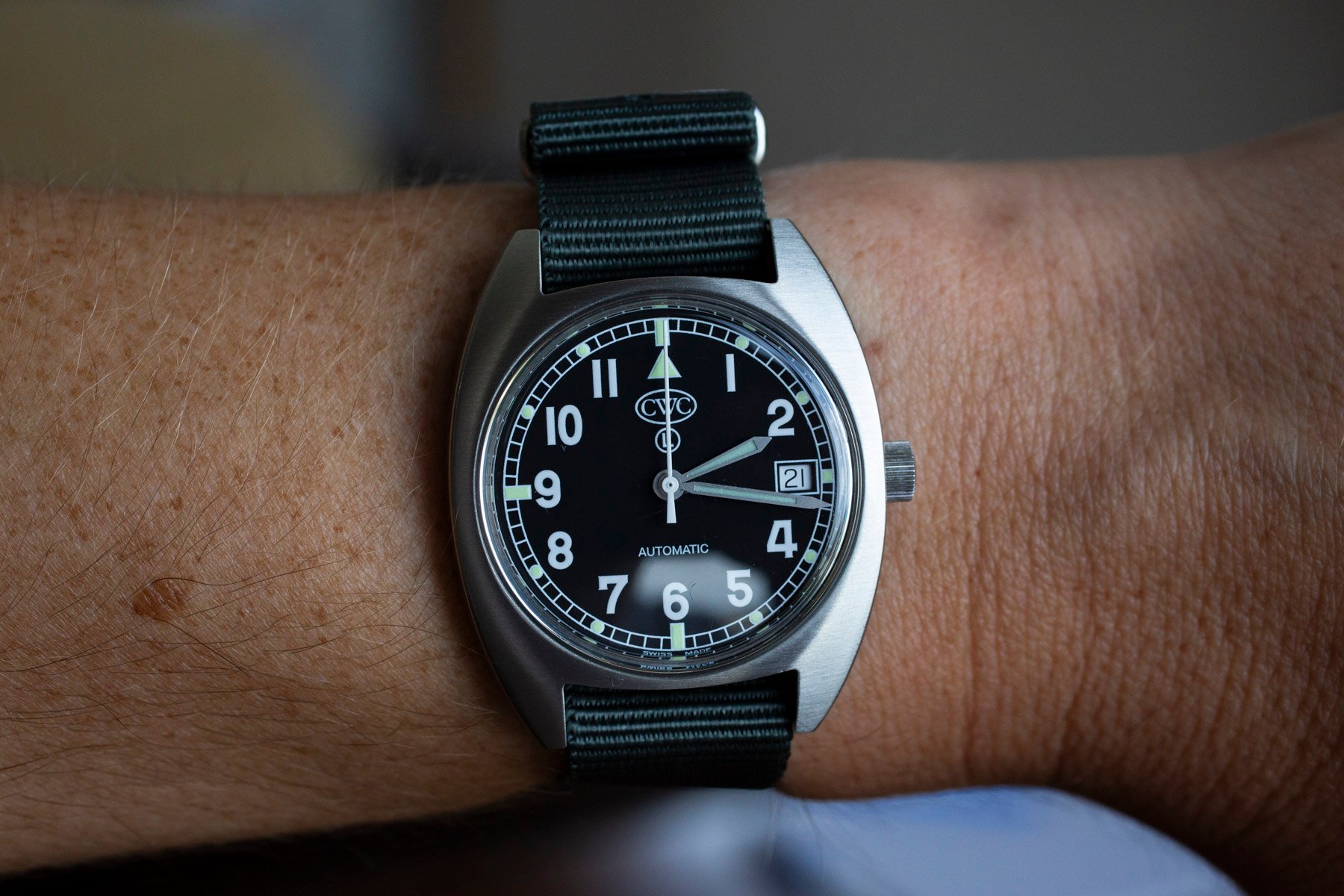
Ultimately, the magic of the field watch design lies in its representation of the quintessential tool watch. It is a category that honors function, reliability, and a heritage forged in practical necessity. Whether a vintage military issue, a modern mechanical marvel, or an accessible quartz model, the field watch remains a powerful testament to the enduring appeal of "less is more" in the world of horology.