The manufacturing sector is undergoing a profound transformation, driven by the imperative to optimize operations, enhance flexibility, and reduce environmental impact. At the forefront of this evolution is the emergence of cabinet-free discrete automation, a paradigm shift from traditional centralized control systems that promises to redefine industrial machine design and operational paradigms. This innovative approach leverages advanced drive technologies, often mounting them directly onto the machine, thereby eliminating the need for bulky control cabinets and ushering in an era of leaner, more adaptable, and energy-efficient production environments.
The Genesis of Decentralization: From Centralized Cabinets to Distributed Intelligence
For decades, industrial automation relied heavily on centralized control cabinets, housing programmable logic controllers (PLCs), variable frequency drives (VFDs), motor starters, and extensive wiring. This architecture, while robust, presented inherent limitations: significant footprint, complex wiring, heat management challenges, and a lack of modularity. The sheer volume of components and interconnections within these cabinets made installation, maintenance, and modification time-consuming and costly.
The first significant step towards decentralization came with distributed drive setups. These systems moved some power and control components closer to the motors, reducing the length of cabling runs and offering a degree of modularity. However, these distributed systems often still required smaller, specialized enclosures or retained a substantial portion of the control within a central cabinet. The underlying principle, however, was sound: bring intelligence and power closer to the point of action.
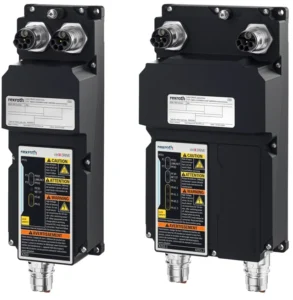
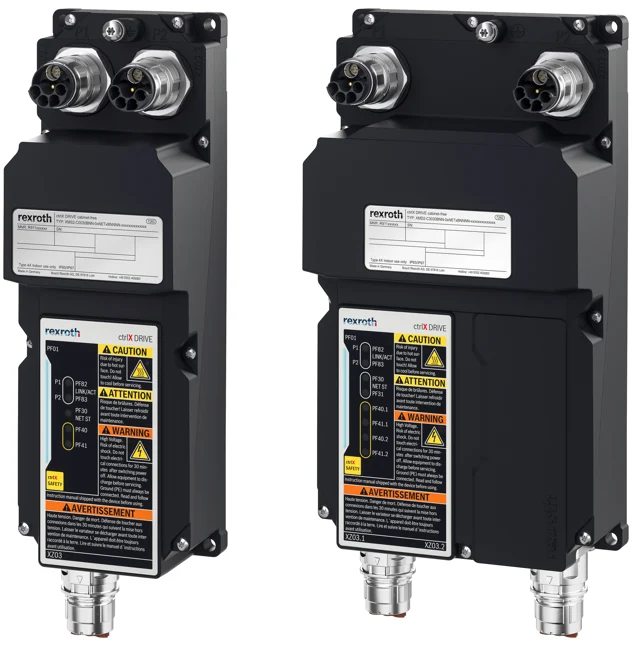
Today’s cabinet-free drives represent the natural progression of this decentralization philosophy, taking it to its logical conclusion. Leveraging advancements in power electronics, communication protocols, and industrial ruggedization, these drives are designed to operate directly in the harsh industrial environment, often meeting stringent IP65/67 protection ratings. This means they can withstand exposure to dust, water, and other contaminants, making them suitable for direct machine mounting without an additional protective enclosure. The integration of power, data, and safety signals into one or two hybrid cables further simplifies installation, drastically reducing wiring complexity and potential points of failure. This evolution is not merely a component swap; it’s a strategic shift enabled by the broader trends of Industry 4.0 and the Industrial Internet of Things (IIoT), demanding greater connectivity, data insights, and agile production capabilities.
Lean Manufacturing Redefined: The Unprecedented Space Savings
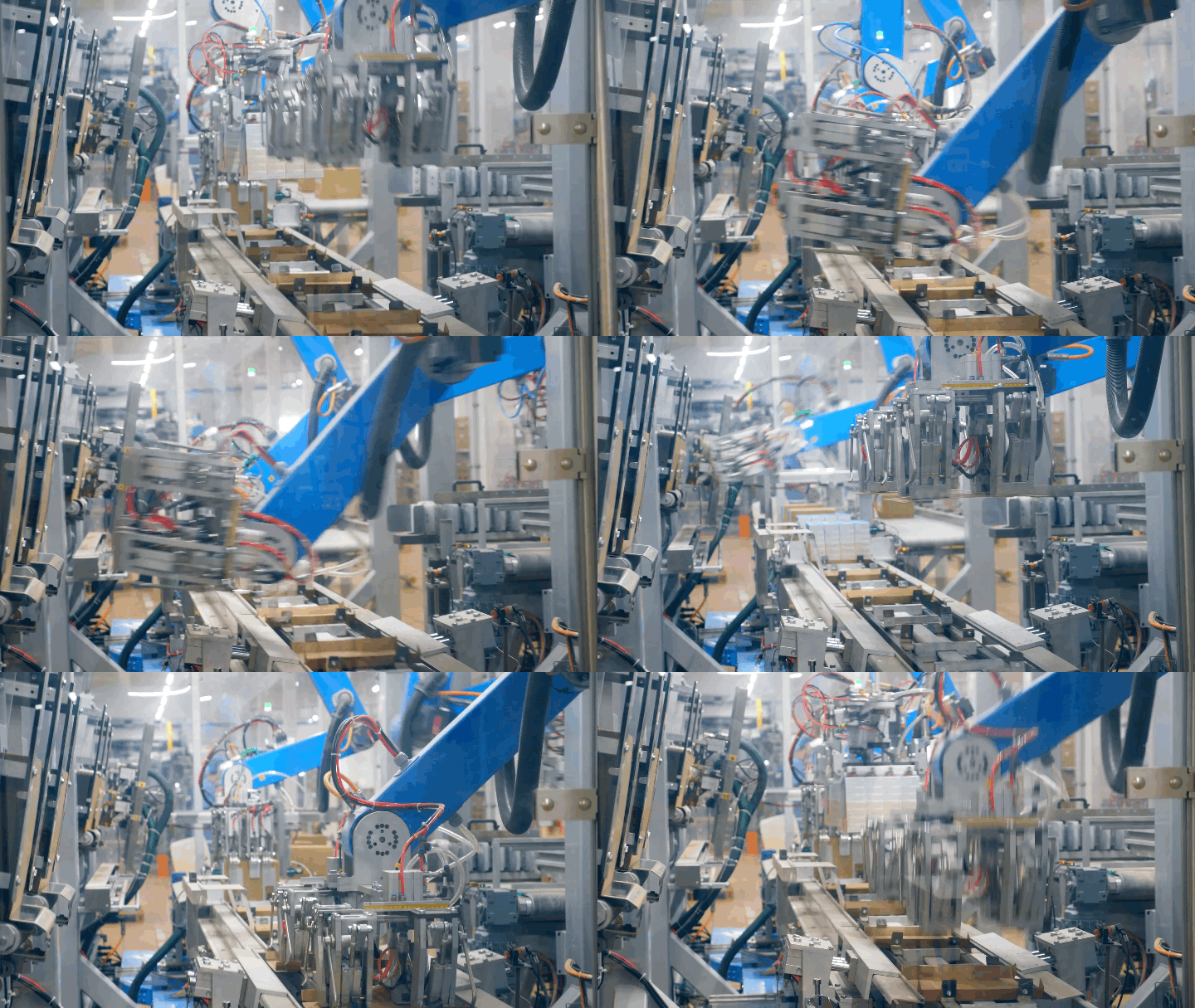
One of the most immediate and impactful benefits of transitioning to cabinet-free automation is the substantial space saving. In an industrial landscape where factory floor real estate is increasingly expensive and efficiency is paramount, the ability to reclaim space previously occupied by large control cabinets is a significant advantage. Traditional cabinets, especially those controlling complex multi-axis machines, can be voluminous, dictating machine layout and limiting production density.
By mounting drives directly on or adjacent to the motor, manufacturers can achieve a dramatic reduction in the overall footprint of their automation systems. Industry analyses suggest that this approach can reduce the required cabinet space by 50-70%, or even eliminate it entirely for certain applications. This reclaimed space can then be utilized for additional production equipment, expanded buffer zones, improved material flow, or simply to create a more open and safer working environment for operators.
Joaquin Ocampo, a Product Manager at Bosch Rexroth, highlights this benefit, stating, "When one removes a physical cabinet and the extensive cabling that’s needed with it by mounting the drive directly on the machine, it frees up a lot of room so operators can use the space more efficiently." This efficiency extends beyond just physical space. The reduction in cabling itself is a major factor. Fewer cables mean less material cost, reduced installation time, and significantly lower risk of wiring errors such as loose or faulty connections. Each connection point in a traditional cabinet represents a potential failure point; minimizing these points inherently boosts system reliability. Furthermore, the elimination or significant reduction of cabinet-specific air conditioning systems, previously essential for dissipating heat generated by internal components, translates into direct energy savings and reduced maintenance for cooling infrastructure. This holistic approach to space optimization contributes directly to a leaner and more cost-effective manufacturing operation.
Modularity and Flexibility: Adapting to Dynamic Market Demands
The modern manufacturing environment is characterized by rapid market shifts, evolving consumer preferences, and the demand for personalized products. This necessitates production systems that are not only efficient but also highly flexible and scalable. Traditional automation setups, often custom-built and rigidly tied to a specific machine design, struggled to meet this demand. Expanding operations or retooling for new products typically involved costly and time-consuming overhauls, often requiring the addition of entirely new machine lines.
Cabinet-free automation fundamentally alters this dynamic by embracing true modularity. By integrating multi-axis capabilities into a single, compact drive unit – for instance, supporting up to two 30A axes – these systems can power multiple motors with greater efficiency and less hardware. This intrinsic modularity means that machine functions can be easily added, reconfigured, or scaled up without the need to redesign or replace an entire control cabinet.
Consider a production line that needs to adapt to a new product variant requiring an additional processing step. With cabinet-free drives, an extra module can be seamlessly integrated into the existing machine structure, connecting via standardized hybrid cables, and brought online with minimal disruption. This "plug-and-play" capability dramatically shortens commissioning times and allows manufacturers to respond with unprecedented agility to market changes. Joaquin Ocampo emphasizes this, noting that "with more modular technology and cabinet-free drives, machines can be adjusted more easily to respond to market demands." This flexibility extends the lifecycle of production assets, reduces the total cost of ownership, and empowers manufacturers to innovate faster and more economically. The ability to quickly reconfigure production cells allows companies to embrace batch-of-one manufacturing, mass customization, and other advanced production strategies that were previously impractical.

Energy Efficiency and Sustainability: A Greener Footprint
While energy costs have always been a consideration, the growing global emphasis on sustainability and corporate environmental responsibility has elevated energy efficiency to a critical strategic imperative for manufacturers worldwide. European manufacturers, in particular, have been pioneers in adopting energy-saving technologies due to stringent regulations and higher energy prices, but this trend is rapidly gaining traction in other regions, including North America.
Traditional control cabinets consume energy not only for their internal components but also significantly for cooling. The concentrated heat generated by drives and other electronics within an enclosed space necessitates constant ventilation or air conditioning to prevent overheating and ensure optimal performance and longevity. This cooling overhead represents a hidden but substantial energy drain.
Cabinet-free drives tackle this challenge directly. By decentralizing the drives and dispersing them across the machine, the heat generation is also distributed, reducing the localized thermal load. Many cabinet-free drives feature enhanced thermal management capabilities, often using their robust housing for passive cooling or integrated fans that are more efficient than a centralized cabinet cooling unit.
A critical technological advancement enabling this energy efficiency is the adoption of silicon carbide (SiC) semiconductors within the drives. Unlike traditional Insulated Gate Bipolar Transistor (IGBT) technology, SiC power modules exhibit significantly lower switching losses and conduction losses. This translates directly into less heat generated by the drive itself, making the components smaller, more efficient, and easier to cool. The reduced heat generation further minimizes or eliminates the need for active cooling, resulting in substantial energy savings.
Beyond the component level, cabinet-free drives allow for more precise power management. Manufacturers can more accurately determine and deliver the exact amount of power needed at the point of action, eliminating unnecessary power usage that can occur in oversized or centralized systems. This granular control over power consumption not only reduces operational costs but also contributes to a smaller carbon footprint, aligning with broader sustainability goals and enhancing a company’s environmental stewardship.
Strategic Implications and Broader Industry Impact
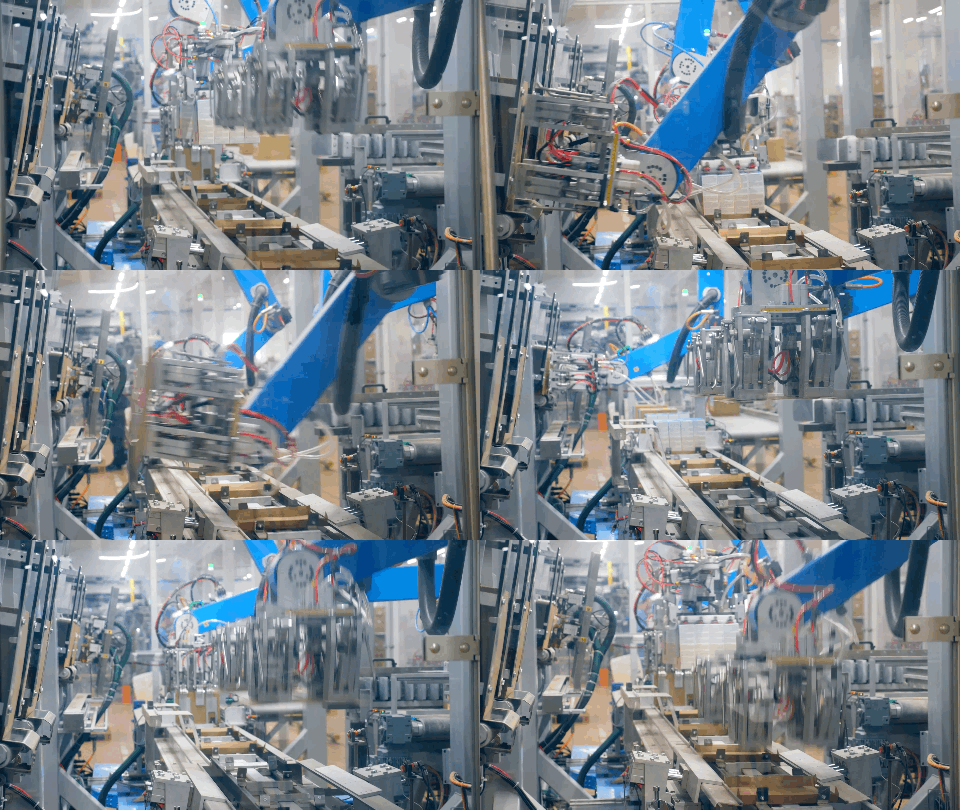
The shift to cabinet-free discrete automation is not merely a technical upgrade; it has profound strategic implications for the entire manufacturing industry. It is a key enabler for the realization of Industry 4.0 concepts, particularly in creating cyber-physical systems where intelligence is distributed throughout the production environment.
- Enhanced Data Connectivity and Analytics: With drives closer to the sensors and actuators, and utilizing integrated hybrid cables, data collection becomes more efficient and granular. This enables real-time monitoring, predictive maintenance, and advanced analytics, providing manufacturers with deeper insights into machine performance and overall equipment effectiveness (OEE).
- Reduced Total Cost of Ownership (TCO): While the initial investment in advanced cabinet-free drives might be comparable or slightly higher than traditional systems, the long-term TCO is significantly lower. This reduction stems from savings in space, cabling, installation time, energy consumption, maintenance, and the extended lifespan due to enhanced modularity and ease of upgrades.
- Improved Workforce Safety and Ergonomics: The elimination of large, complex cabinets simplifies machine design and maintenance access. Fewer cables and a more organized machine layout can reduce trip hazards and simplify troubleshooting, leading to a safer and more ergonomic working environment for technicians.
- Competitive Advantage: Manufacturers who adopt cabinet-free automation gain a significant competitive edge. Their production lines become more agile, capable of faster product changeovers, reduced time-to-market for new products, and higher overall operational efficiency, allowing them to better compete in a dynamic global marketplace.
- Supply Chain Resilience: Flexible and modular production systems are inherently more resilient. In the face of supply chain disruptions or sudden shifts in demand, a reconfigurable factory can adapt more quickly than a rigid, traditionally automated plant.
A Phased Approach to Transition: Mitigating Risk
Despite the compelling advantages, the prospect of a wholesale migration from established, proven control-cabinet installations can seem daunting. Manufacturers often operate under tight production schedules where downtime is simply not an option. Recognizing this, industry experts, including those at Bosch Rexroth, advocate for a gradual, incremental transition to cabinet-free motor-drive setups.
"It can be daunting to phase out standard and proven control-cabinet installs when productivity can’t be compromised," acknowledges Ocampo. Therefore, a strategic approach often involves piloting cabinet-free solutions on isolated workcells or new machine builds. This allows end-users to thoroughly test the technology, assess its impact on a smaller scale, and gain confidence in its performance and reliability before committing to broader implementation across their facilities. This phased approach minimizes risk, allows for internal skill development, and provides valuable data to justify further investment. It also enables manufacturers to integrate cabinet-free components alongside existing infrastructure, creating hybrid systems that leverage the best of both worlds during the transition period.
Conclusion: The Future is Decentralized and Agile
Cabinet-free discrete automation represents a significant leap forward in industrial control technology, moving beyond mere component decentralization to full system integration directly on the machine. By delivering unprecedented space savings, enhanced modularity, superior energy efficiency, and a simplified operational footprint, these systems are poised to become the standard for advanced manufacturing. The insights from industry leaders like Joaquin Ocampo and the innovative solutions from companies like Bosch Rexroth underscore a clear trend: the future of industrial automation is decentralized, agile, and intrinsically linked to the broader goals of Industry 4.0. As manufacturers continue their digital transformation journeys, the adoption of cabinet-free drives will be a critical enabler for building factories that are not just smarter, but also more sustainable, flexible, and ultimately, more competitive.