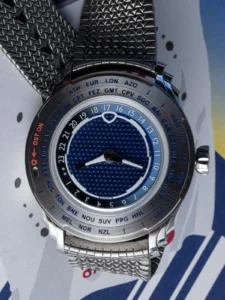
Before the iconic Seiko 6105 dive watch gained cinematic fame as "Captain Willard" in Francis Ford Coppola’s Apocalypse Now, it was already a trusted companion for those who faced the raw power of the ocean. One such individual was Eddie Aikau, a legendary Hawaiian lifeguard and big-wave surfer whose story is intrinsically linked to this robust timepiece, a connection forged not in Hollywood studios but in the challenging surf of Hawaii’s North Shore. While the watch’s association with Martin Sheen’s character is widely known, Aikau’s personal narrative with the Seiko 6105 offers a compelling, albeit less documented, chapter in its history.
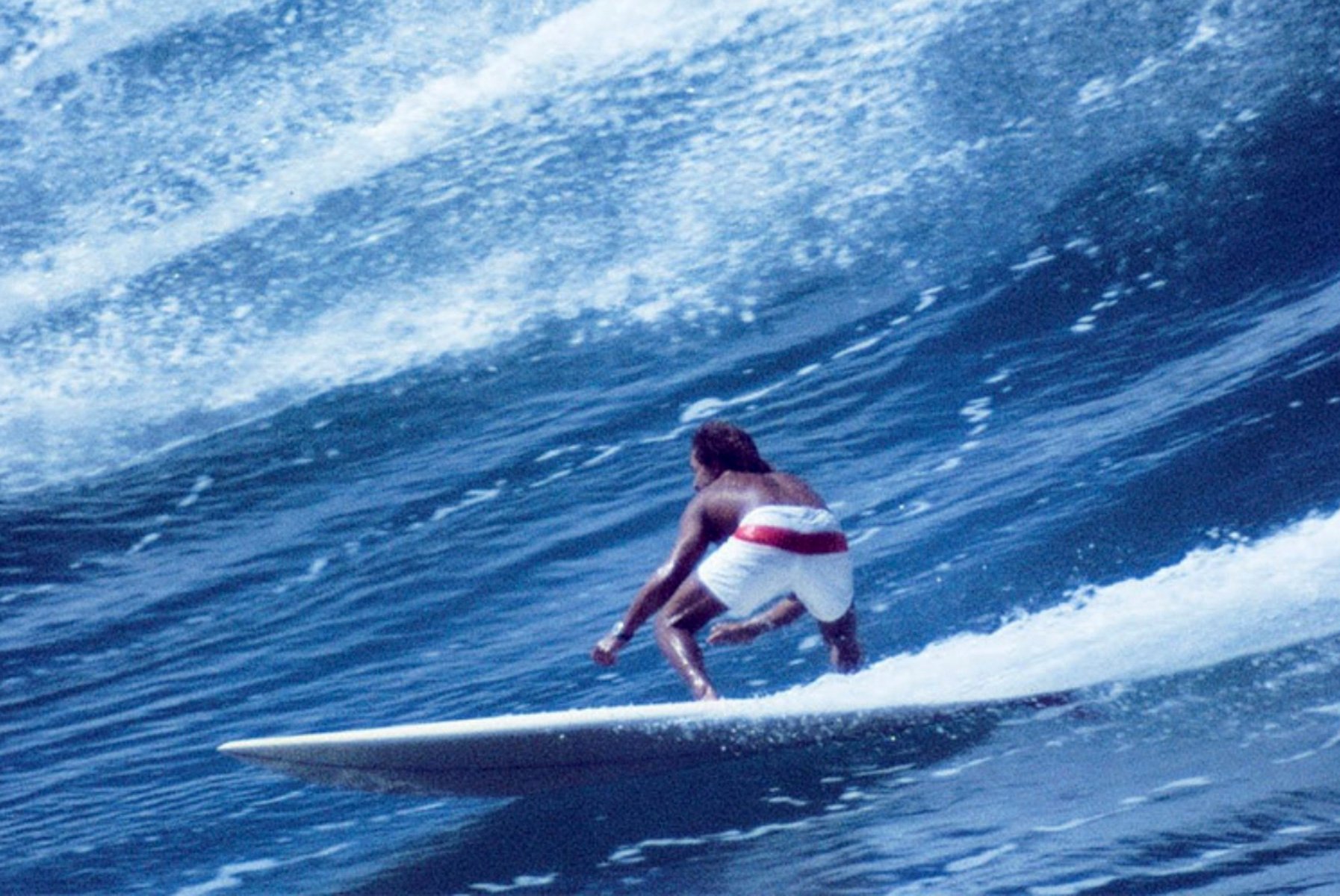
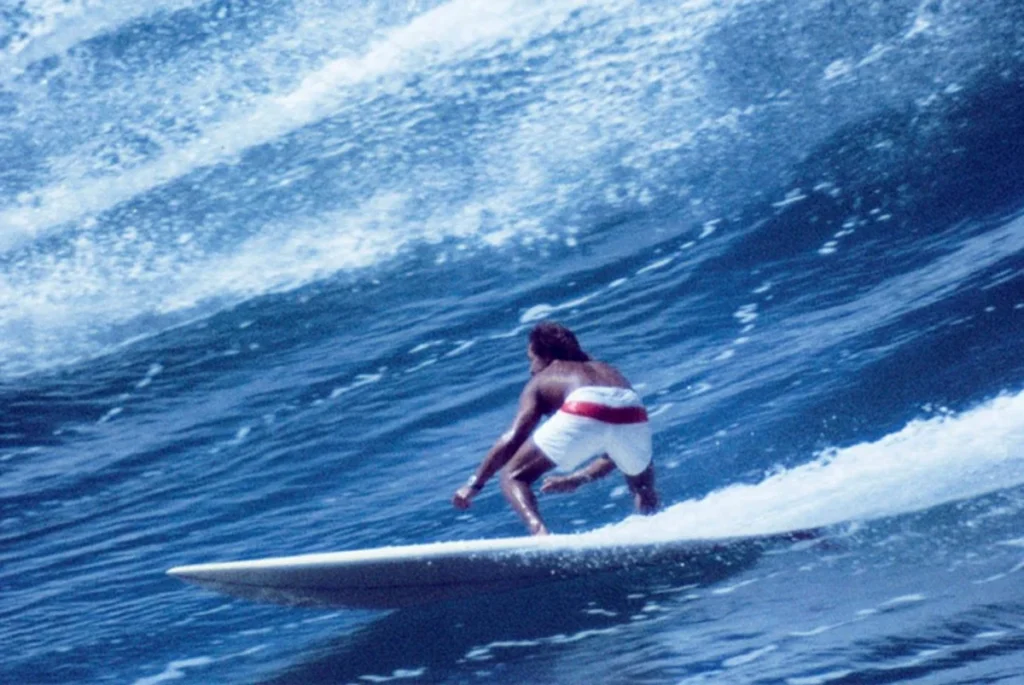
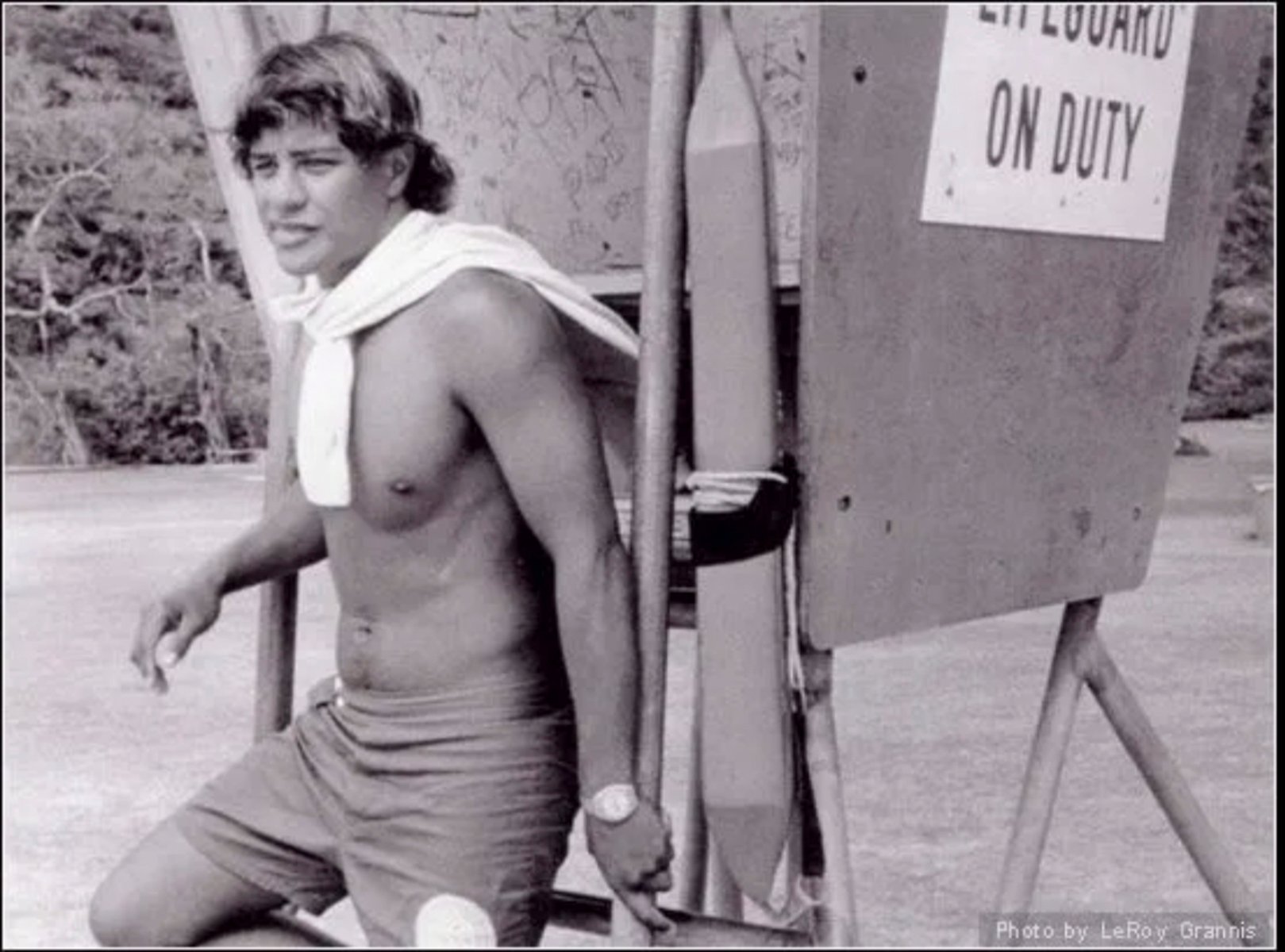
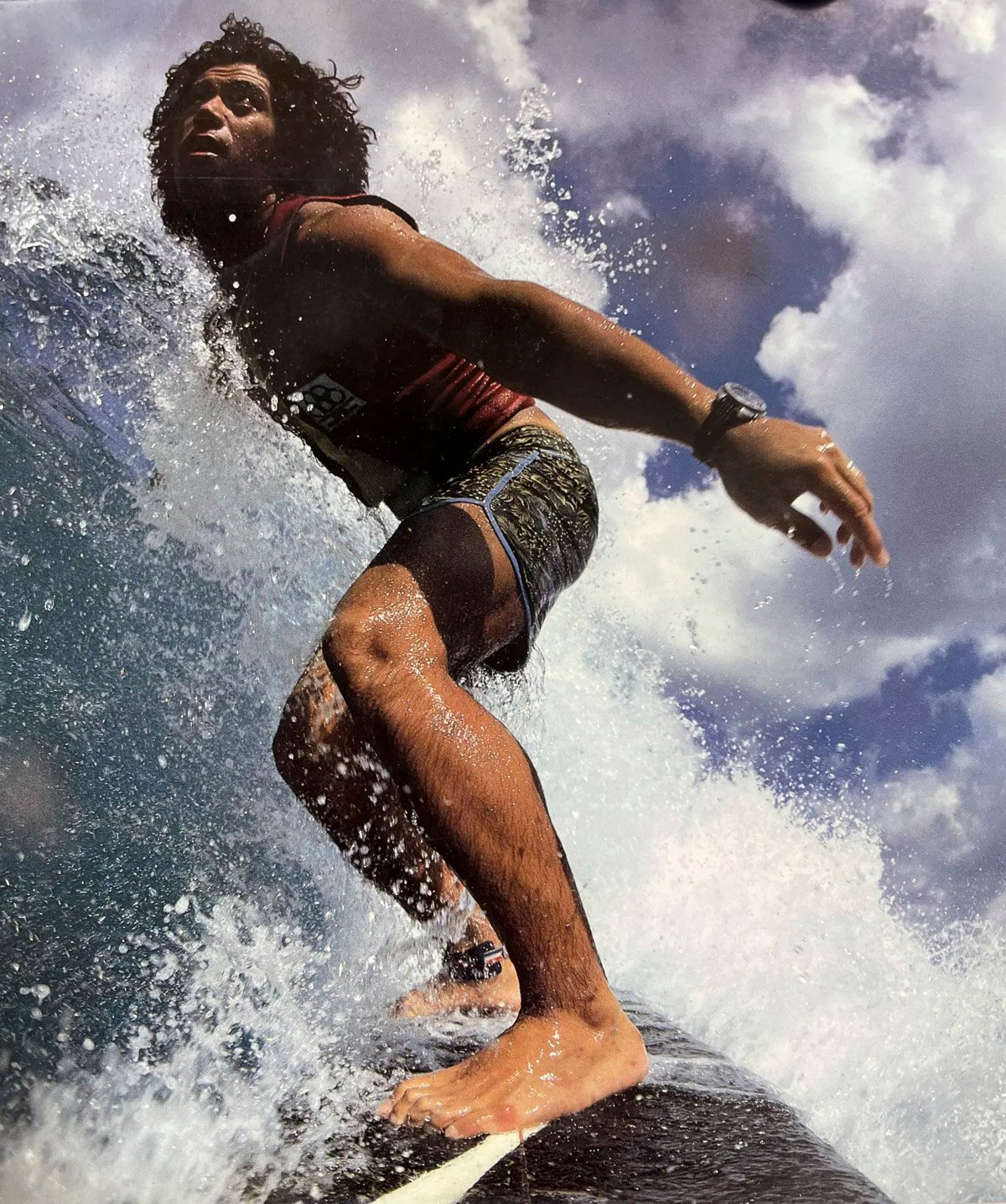
Aikau’s connection to the Seiko 6105, specifically the 6105-8110 model, primarily resides in historical photographs and the collective memory of the Hawaiian community, rather than official Seiko brand archives. While definitive factory sales records confirming Aikau’s precise model are scarce, surviving images compellingly depict him wearing a Seiko dive watch consistent with the 6105 family. The man himself, however, is far more significant than any timepiece he may have worn, making the watch almost a footnote to his extraordinary life. Understanding Aikau’s dedication to safety and his unparalleled skill in the water illuminates why a simple, durable steel dive watch would have been an essential tool for him.
The Making of a Hawaiian Legend: Eddie Aikau’s Early Life and Career
Born in the late 1940s, Eddie Aikau spent his formative years immersed in the surf culture of Maui. His family’s subsequent relocation to Oahu in 1959 marked a pivotal moment, as they settled in Pauoa Valley, providing Aikau with access to the legendary waves of the North Shore. While still in his teens, Aikau left school to work the demanding night shift at the Dole pineapple cannery. This commitment provided the financial stability necessary to pursue his passion, enabling him to purchase his first custom surfboard and dedicate himself to mastering the ocean’s most formidable challenges.
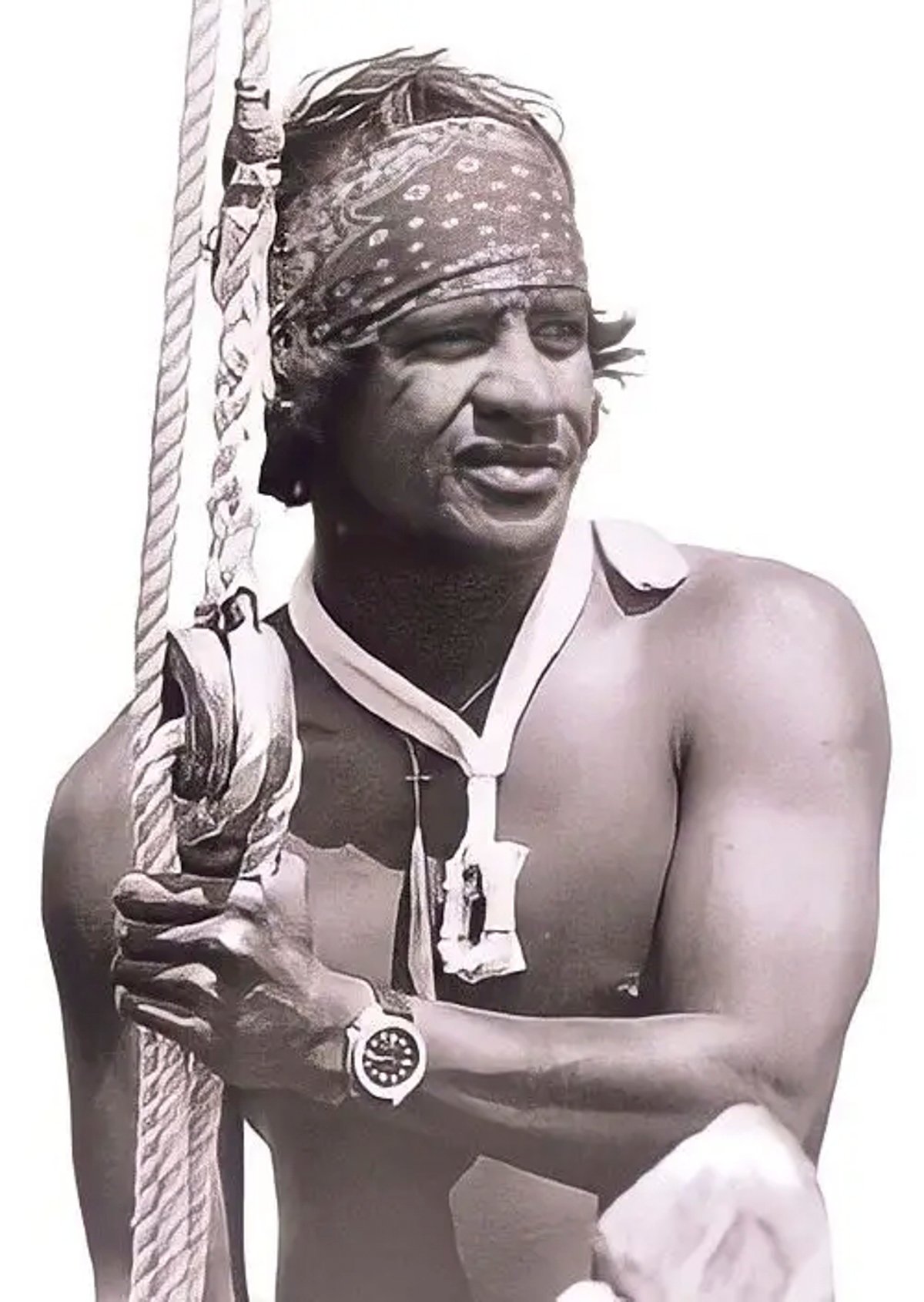
In 1968, Aikau’s deep understanding of the ocean and his commitment to public safety were formally recognized when the City and County of Honolulu appointed him as the first official full-time lifeguard stationed at Waimea Bay. This was no ordinary post; Waimea Bay, particularly during the winter months, is infamous for its colossal swells that frequently exceed 30 feet. Over the ensuing years, Aikau’s bravery and expertise became legendary. He is credited with performing over 500 rescues, an astonishing feat that resulted in zero fatalities under his watch at Waimea Bay. This unparalleled record solidified his reputation as a guardian of the waves, a man who faced down nature’s fury with unwavering calm and skill.
A Waterman’s Zenith: Surfing Acclaim and Unwavering Dedication
Aikau’s prowess extended beyond his lifesaving duties. In 1971, he was honored as Hawaii’s Lifeguard of the Year, a testament to his exceptional dedication. His surfing abilities were equally remarkable, culminating in his victory at the prestigious Duke Kahanamoku Invitational Surfing Championship in 1977. This win cemented his status as one of the era’s preeminent big-wave surfers, a true waterman whose connection to the ocean was profound and intuitive.
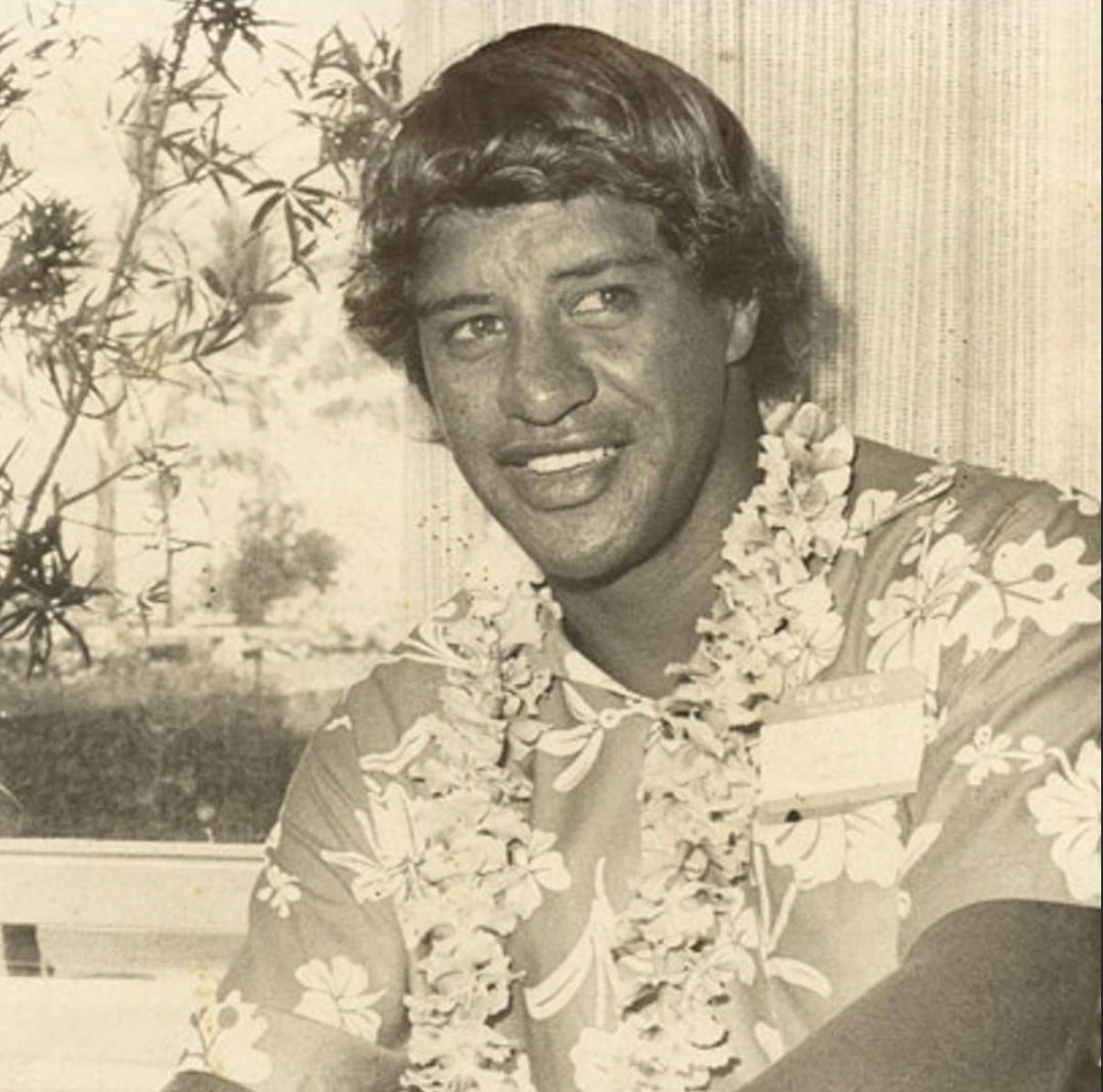
Those who knew and worked with Aikau consistently described him not as reckless, but as someone who possessed an extraordinary respect for the ocean’s power. His willingness to venture into waves that daunted others stemmed from this deep understanding and respect, rather than a disregard for danger. This unique blend of skill, courage, and selflessness became the bedrock of the now-iconic phrase, "Eddie Would Go." This expression, which transcended Aikau’s lifetime, continues to embody the spirit of courage, judgment, and selfless action in the face of extreme challenges, particularly within the big-wave surfing community.
The Voyage of the Hokule’a: A Journey into the Unknown
In 1978, Aikau’s adventurous spirit led him to participate in a monumental endeavor: a 30-day, 4,000-kilometer voyage re-enacting the ancient Polynesian migration route between the Hawaiian and Tahitian island chains. Organized by the Polynesian Voyaging Society, this expedition aboard the double-hulled voyaging canoe Hokule’a was designed to revive and validate the navigational prowess of ancient Polynesian seafarers. The Pacific Ocean, vast and prone to severe storms, presented a formidable challenge, yet Aikau, alongside other dedicated crew members, embraced the undertaking.
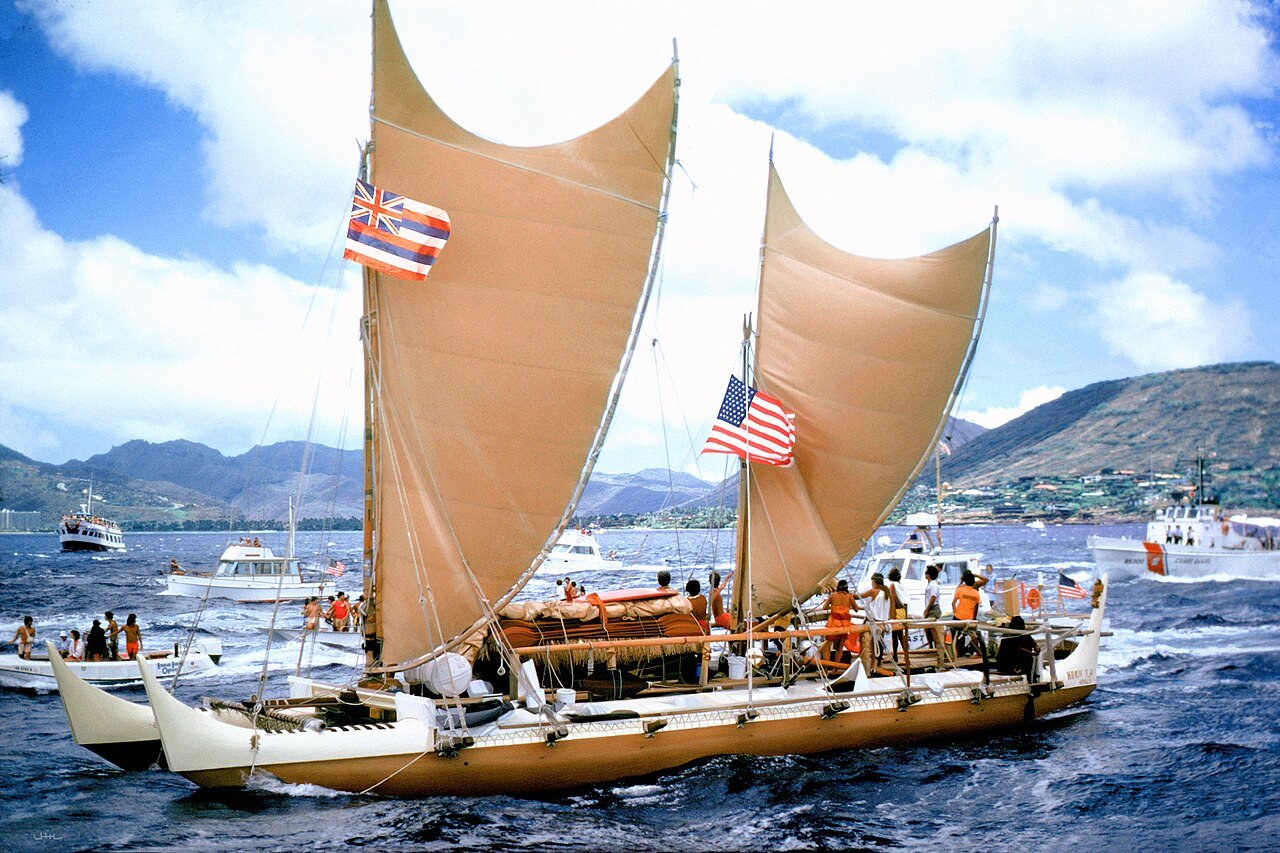
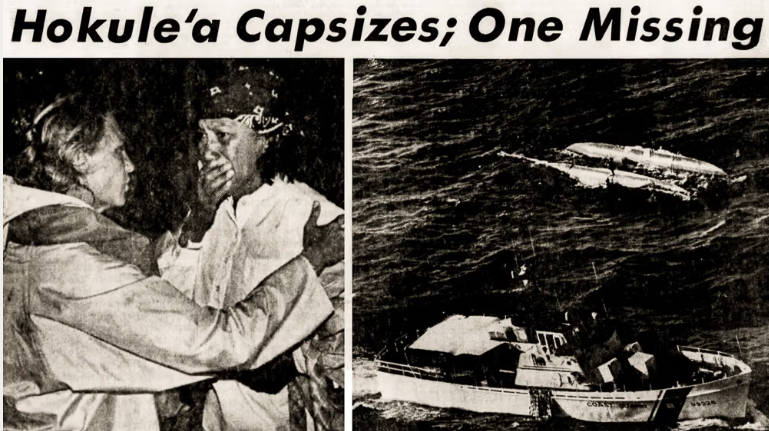
On March 17, 1978, the Hokule’a embarked on its historic journey from the Hawaiian Islands. The voyage, however, was fraught with peril. Approximately 19 kilometers south of the island of Moloka’i, a critical leak developed in one of the canoe’s hulls, leading to it capsizing. In a selfless act, Aikau volunteered to paddle towards the island of Lana’i on his surfboard to seek assistance. He famously removed his life jacket, believing it would impede his paddling. Tragically, despite an extensive air-sea search, the largest in Hawaiian history at the time, Aikau’s body was never recovered. The remaining crew were eventually rescued by the US Coast Guard.
The Seiko 6105: A Tool for the Toughest Conditions
It is within this context of extreme ocean environments that Aikau’s association with the Seiko 6105 dive watch gains significance. While not officially documented by Seiko, analysis of photographs from the 1970s, particularly from the period leading up to the fateful Hokule’a voyage, strongly suggests Aikau wore a Seiko cushion-case dive watch consistent with the 6105-8110 model. This timepiece, known for its robust construction and water resistance, was ideally suited for the demanding conditions faced by lifeguards and surfers in Hawaii.
Beyond Aikau, archival research and contemporary surf magazines from the era reveal that Seiko divers were a popular choice among Hawaiian surfers and lifeguards. Their affordability, coupled with exceptional reliability in harsh ocean environments, made them a practical and trusted tool. Other images show Aikau wearing a lighter-dial timepiece, the identity of which remains unconfirmed, further illustrating his reliance on functional timepieces for his demanding lifestyle.
Seiko’s Dive Watch Heritage: Built for Adventure and Exploration
The Seiko 6105, affectionately nicknamed the "Willard" after its appearance in Apocalypse Now, was part of a lineage of dive watches that Seiko produced throughout the mid-20th century. These watches were not merely fashion accessories; they were engineered for performance and durability. Their sturdy stainless-steel cases, screw-down crowns, and robust movements made them ideal for a range of demanding professions and adventurous pursuits.
This dedication to creating reliable tools for challenging environments is further evidenced by the presence of Seiko dive watches in other historical contexts. For instance, archival photographs from the Scripps Institution of Oceanography, as noted in a 2021 article by Cole Pennington, revealed that members of the Tektite II program, an all-female aquanaut mission in 1970, wore Seiko dive watches. Ann Hartline, a participant in the program, was photographed wearing a Seiko 6105-8000, a slightly slimmer variant of the 6105-8110. This underscores the widespread adoption of Seiko divers by individuals operating in extreme underwater conditions, from scientific exploration to professional lifesaving.
The broader impact of these watches extended to various fields. Divers, explorers, and adventurers worldwide were frequently photographed sporting Seiko dive watches, a testament to their global reputation for dependable performance. This widespread use across diverse, high-stakes professions cemented Seiko’s position as a leading manufacturer of robust and reliable timekeeping instruments.
The Enduring Legacy of Eddie Aikau and the Seiko 6105
Eddie Aikau’s tragic passing did not diminish his impact; instead, it immortalized him. A foundation bearing his name continues to honor his memory and perpetuate his values. Similarly, the legacy of the Seiko 6105 dive watch family endures. While specific models like the original 6105 are now highly sought-after vintage pieces, Seiko has continued to produce watches that embody the spirit of their predecessors.
Modern interpretations, such as the Seiko Turtle SRPE93 and the now-discontinued SPB151, offer a contemporary take on the robust dive watch design. However, the watch community often expresses a desire for a more direct reissue of the 6105. The limited-edition Seiko SLA033, while aesthetically close to the original, carries a premium price tag and limited availability, placing it beyond the reach of many enthusiasts. The enduring appeal of the 6105 lies not only in its historical connections but also in its representation of accessible, reliable, and adventure-ready timekeeping. A more affordable option that retains the design language of the original 6105 would, for many, truly honor the spirit of this iconic timepiece and the legendary waterman who wore it into the waves. The story of the Seiko 6105, intertwined with the life of Eddie Aikau, serves as a powerful reminder that some of the most enduring legacies are forged not in the spotlight, but in the crucible of real-world challenges and unwavering dedication.