The landscape of the American automotive industry underwent a significant transformation in the 1970s, and at the heart of this evolution was the Ford F-Series pickup truck. During its sixth generation, spanning from the 1973 to 1979 model years, Ford embarked on an ambitious mission: to redefine the full-size pickup truck from a utilitarian workhorse into a comfortable, versatile, and appealing everyday vehicle. This strategic pivot, driven by a keen understanding of shifting consumer desires and market potential, not only propelled F-Series sales to unprecedented heights but fundamentally altered the perception and utility of pickup trucks in America.
The Genesis of a New Era: Shifting Market Demands
For decades, the Ford F-Series had been a stalwart presence in the American market, primarily serving the needs of professional tradesmen, farmers, and outdoor enthusiasts. Its reputation was built on ruggedness, reliability, and capability for tasks ranging from hauling materials to navigating off-road terrain for hunting, fishing, and camping expeditions. This established identity, while strong, was perceived by some within Ford as potentially limiting the truck’s broader market appeal.
The sales figures from previous decades illustrate a growing, yet perhaps not fully tapped, demand. In the 1950s, Ford was selling approximately 100,000 trucks per year. This number saw a substantial increase in the 1960s, jumping to around 300,000 units annually. By the early 1970s, prior to the introduction of the sixth generation, F-Series sales had surged to well over half a million trucks per year. This robust growth indicated a burgeoning interest, but Ford strategists believed that by enhancing comfort, offering a wider array of options, and introducing more upscale models, they could capture an even larger segment of the automotive market. The mission for the sixth generation was clear: to make the F-Series a more compelling choice for a wider audience, including those who might have previously considered sedans or station wagons for their daily transportation needs.
The 1973 Redesign: A Bold Step Towards Refinement
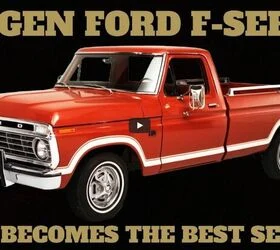
The introduction of the sixth-generation F-Series for the 1973 model year marked a pivotal moment. While retaining the fundamental DNA of its predecessors, the redesign introduced significant enhancements that underscored Ford’s commitment to comfort and refinement. The exterior styling, while still conveying a sense of robust capability, featured new body panels and a more substantial presence. A key visual identifier of this generation was the distinctive concave side body line, which quickly earned these trucks the nickname “Dent Side.” This design element, while subtle, contributed to a more modern and aesthetically pleasing appearance.
Beyond aesthetics, the physical dimensions were also addressed. The sixth-generation F-Series boasted a larger cab, providing occupants with more interior space and a more commanding view of the road. The track width was increased, and wheelbases were extended, contributing to a more stable and comfortable ride. Interior improvements were equally significant. Ford engineers focused on creating a more car-like experience for the driver and passengers. This included the introduction of curved side windows, which not only improved aerodynamics but also enhanced visibility and the feeling of spaciousness. Relocated fuel tanks addressed safety concerns and freed up interior space. The dashboard was completely redesigned, offering a more ergonomic layout and improved functionality. Furthermore, heating and defrosting systems were enhanced, recognizing the importance of year-round comfort.
Ford’s strategy extended to offering an unprecedented number of comfort and convenience options. This was a deliberate move to bridge the gap between a traditional work truck and a passenger car. Buyers could now equip their F-Series trucks with features that were previously the exclusive domain of more expensive sedans. This included items such as air conditioning, AM/FM stereo systems, plush carpeting, and upgraded upholstery. These additions were crucial in positioning the F-Series as a viable and desirable option for daily commuting and family use, not just for hauling lumber or towing a trailer.
Powertrain and Drivetrain Innovations
Underpinning the enhanced comfort and utility was a robust and versatile powertrain lineup. Ford continued to offer a range of reliable inline-six and V8 engines, catering to diverse needs and preferences. The lineup started with the economical 240-cubic-inch inline-six, a solid choice for everyday driving and fuel efficiency. For those requiring more power, Ford offered larger displacement V8 engines, culminating in the potent 460-cubic-inch V8. This range provided ample choice, allowing buyers to tailor their truck’s performance to their specific requirements, whether it was for light-duty work, heavy towing, or spirited driving.
Transmission options included both manual and automatic gearboxes, further enhancing the truck’s adaptability. Ford’s renowned Twin I-Beam front suspension system remained a significant selling point, lauded for its durability and comfortable ride characteristics. In a move that signaled a growing emphasis on safety and braking performance, front disc brakes became standard on all two-wheel-drive models, a crucial upgrade for a vehicle that was increasingly being used in diverse driving conditions.
Expanding the Spectrum of Choice: Trim Levels and Options
The sixth-generation F-Series saw a significant expansion in its trim level hierarchy, mirroring the strategy of offering more refined and personalized options. The base model, the Custom, provided a no-nonsense, functional truck. Stepping up, the Ranger trim offered a blend of utility and enhanced interior appointments. For those seeking the pinnacle of comfort and luxury within the F-Series lineup, the Ranger XLT emerged as the flagship. This upscale trim level often included premium interior materials, additional chrome accents, and a host of optional features that further blurred the lines between truck and luxury vehicle.
The extensive list of optional equipment was a key driver of the F-Series’ growing appeal. Beyond the comfort features mentioned earlier, buyers could opt for specialized towing equipment, designed to enhance the truck’s hauling capabilities for everything from recreational vehicles to large work trailers. Camper packages were also available, catering to the growing demand for adventure and outdoor recreation. This modular approach to customization allowed buyers to create a truck that was precisely tailored to their lifestyle and specific needs, reinforcing the idea that the F-Series was no longer just a tool, but a personal statement.
Evolution Within the Generation: Continuous Improvement
The sixth generation was not static; it saw a progression of refinements and updates throughout its production run. While specific year-to-year changes might have been incremental, the overall trajectory was one of continuous improvement, driven by market feedback and Ford’s commitment to innovation. These ongoing enhancements ensured that the F-Series remained competitive and desirable in a rapidly evolving automotive landscape. This period saw Ford diligently monitor consumer trends and adapt the F-Series to meet emerging demands, solidifying its market leadership.
The Bigger Story: A Sales Tsunami and Market Dominance
The most compelling evidence of the sixth-generation F-Series’ success lies in its sales figures. Ford’s strategy of prioritizing comfort, versatility, and a broader range of options proved to be a resounding triumph. Sales figures climbed dramatically during this generation, culminating in an astonishing achievement: annual F-Series sales approached one million trucks per year. This was an unprecedented level of success for any pickup truck and solidified the F-Series’ position as America’s best-selling vehicle, a title it would hold for decades to come.
The transcript and market analysis credit this remarkable sales growth to a confluence of factors. The enhanced comfort made the F-Series a more pleasant vehicle to drive for extended periods, making it ideal for commuting and long-distance travel. The increased number of options and higher trim levels appealed to buyers seeking a more personalized and luxurious experience. The inherent practicality and capability of a pickup truck remained, but it was now packaged in a way that appealed to a much wider demographic. This expansion beyond traditional commercial and recreational users into the mainstream consumer market was the key to its phenomenal success.
Controversy and Foresight: The Car-Like Truck Debate
The transformation of the full-size pickup truck was not without its critics. In 1973, a review in MotorTrend expressed concerns about the increasing size, cost, and car-like characteristics of these vehicles. The publication argued that these changes might be detracting from the fundamental utility of trucks, making them less effective as pure work tools. This perspective highlighted a segment of the market that valued the traditional, no-frills approach to pickup truck design.
However, the transcript acknowledges this criticism and frames it within a broader context of market evolution. Ford’s leadership, it suggests, recognized where the automotive market was heading. While some traditionalists may have lamented the shift, the reality was that buyers were increasingly willing to pay a premium for trucks that offered the comfort and amenities of passenger cars, without sacrificing their inherent truck capabilities. This demand for a dual-purpose vehicle—one that could serve as both a capable workhorse and a comfortable daily driver—was the driving force behind the F-Series’ success. Ford’s foresight in catering to this evolving consumer preference proved to be a masterstroke.
Legacy and Lasting Impact: The F-Series Formula
The bottom line is that the sixth-generation Ford F-Series represented a pivotal moment in the history of the American pickup truck. Ford deliberately reimagined a vehicle traditionally viewed solely as a work implement and transformed it into a more comfortable, customizable, and lifestyle-oriented machine. This strategic shift was not merely an aesthetic upgrade; it was a fundamental redefinition of the pickup truck’s role in American society.
The resulting sales explosion, reaching nearly a million trucks annually, was more than just a commercial success. It established a formula that would define the F-Series and influence the entire pickup truck market for decades to come. The F-Series’ ability to seamlessly blend utility with comfort, capability with refinement, and ruggedness with luxury created a blueprint for future truck generations. This approach resonated deeply with American consumers, making the F-Series not just a vehicle, but a symbol of versatility, freedom, and enduring capability, securing its place as America’s dominant pickup line for generations. The sixth generation, with its “Dent Side” styling and its groundbreaking approach to truck interiors, laid the groundwork for the F-Series’ unparalleled reign in the automotive world.